Don't miss the next drop


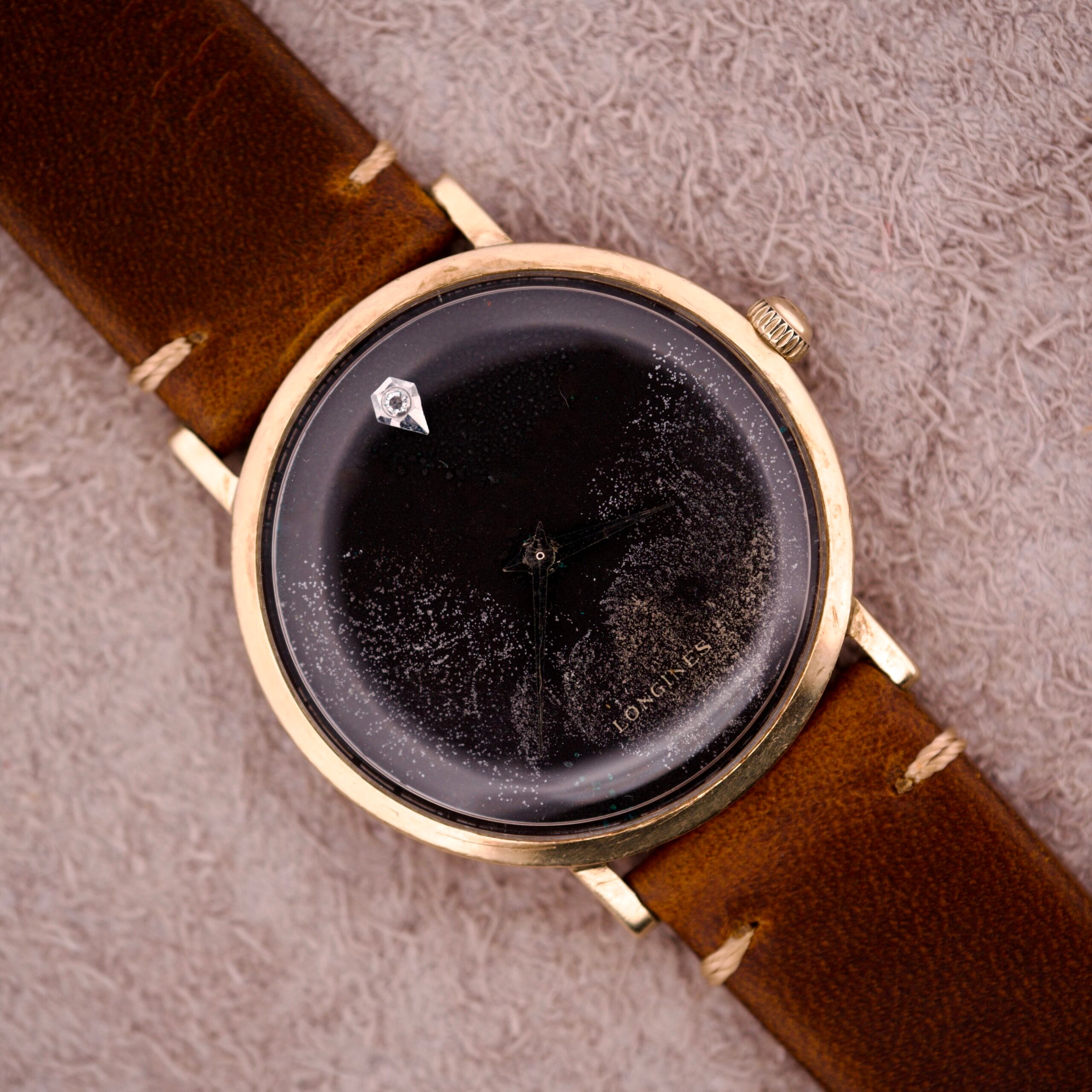
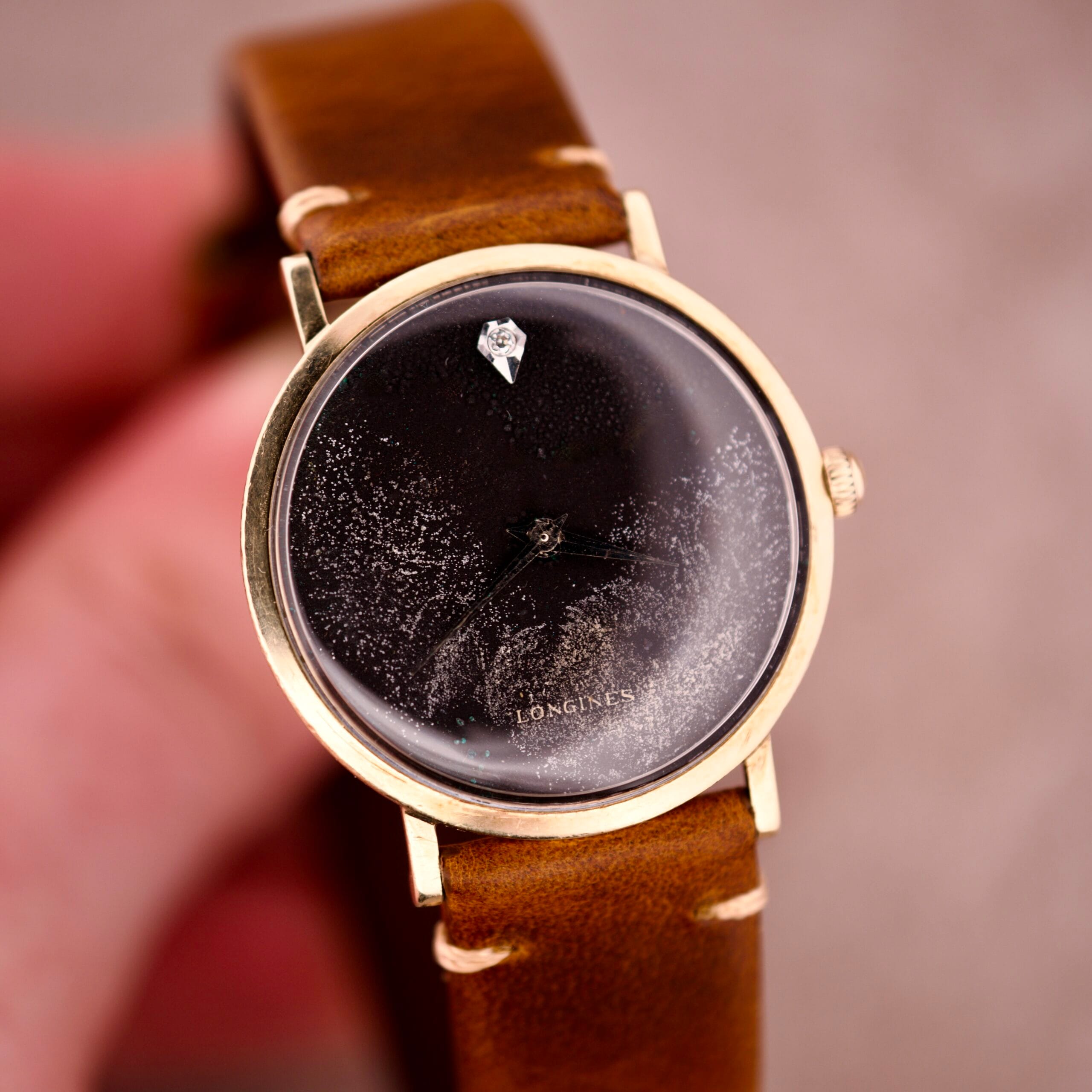
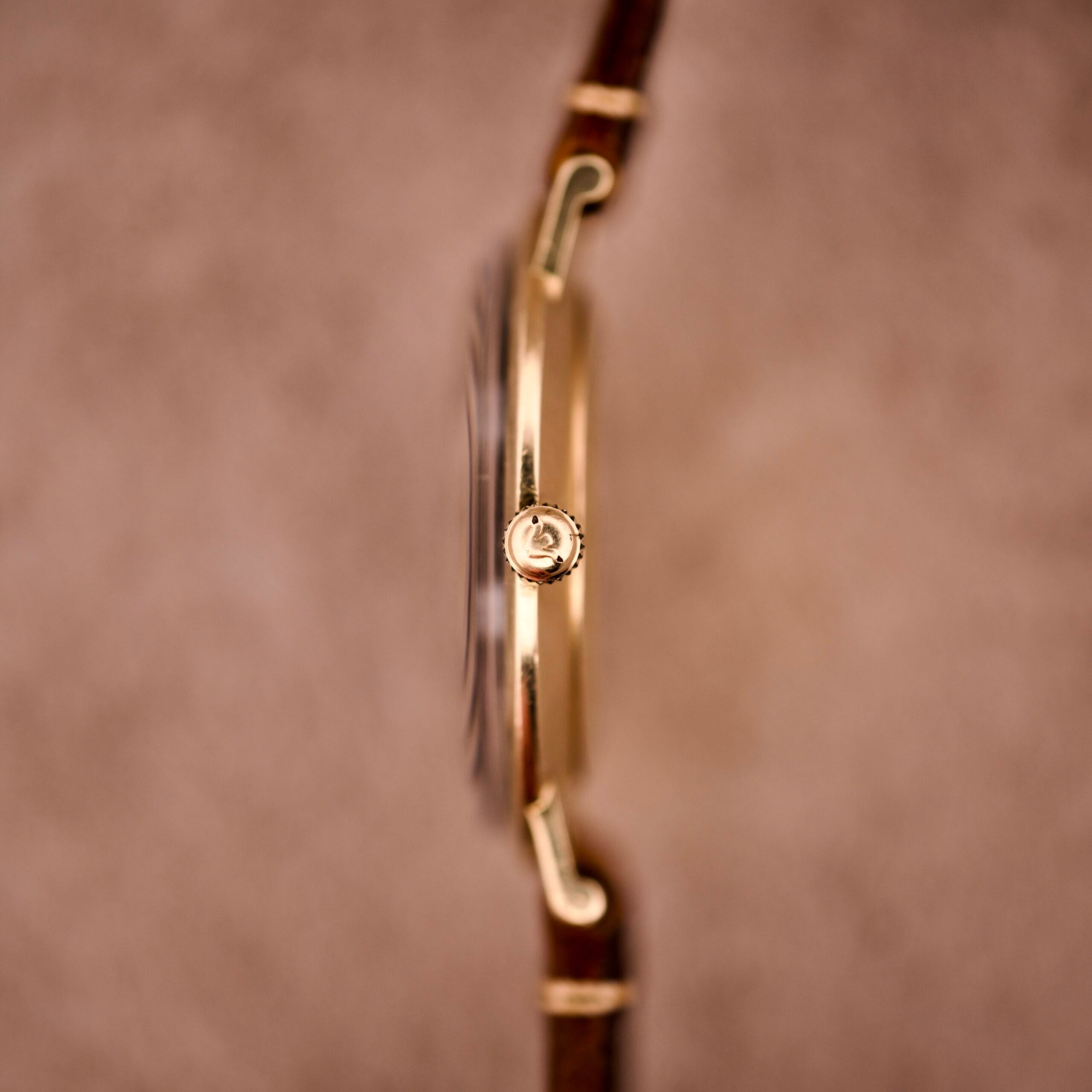
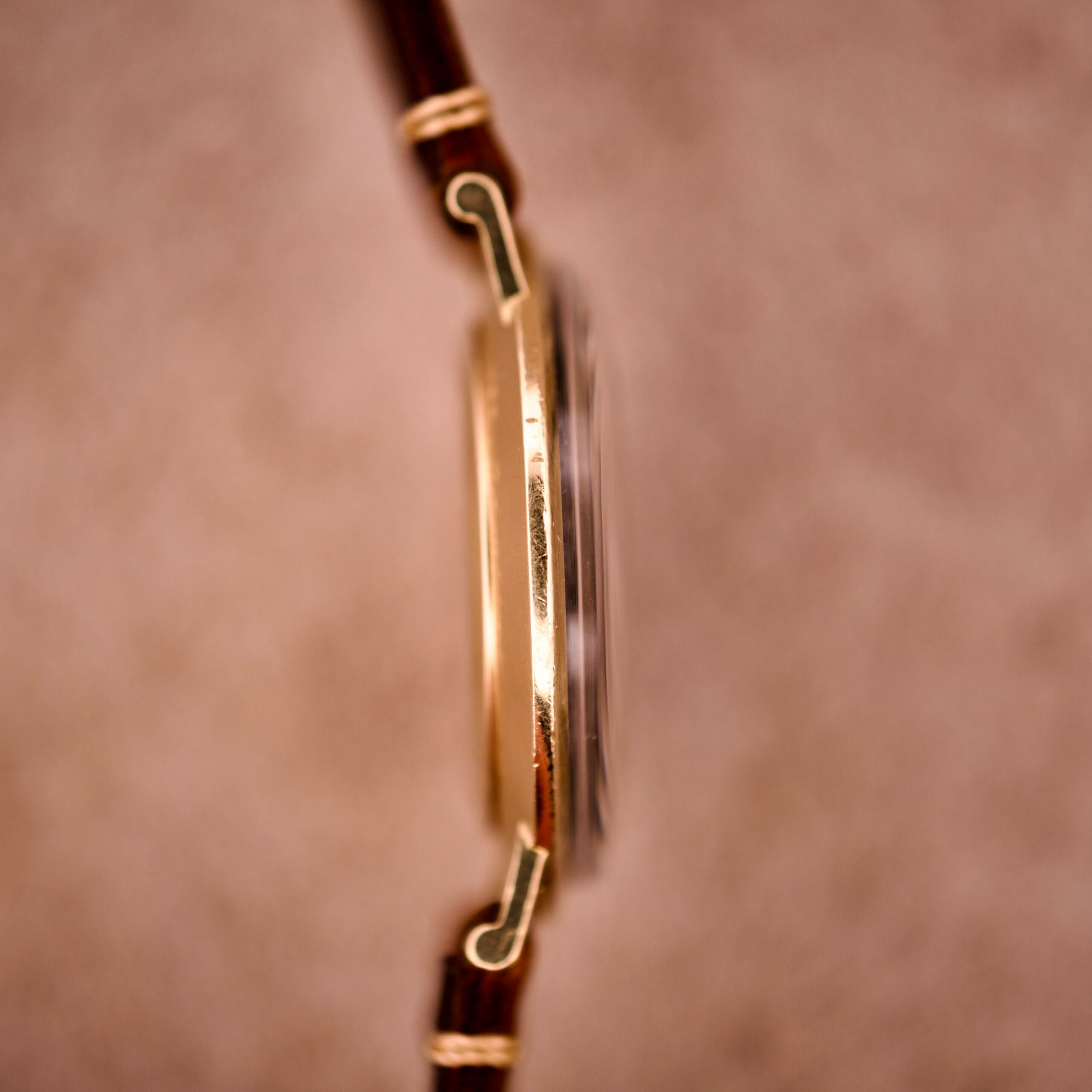
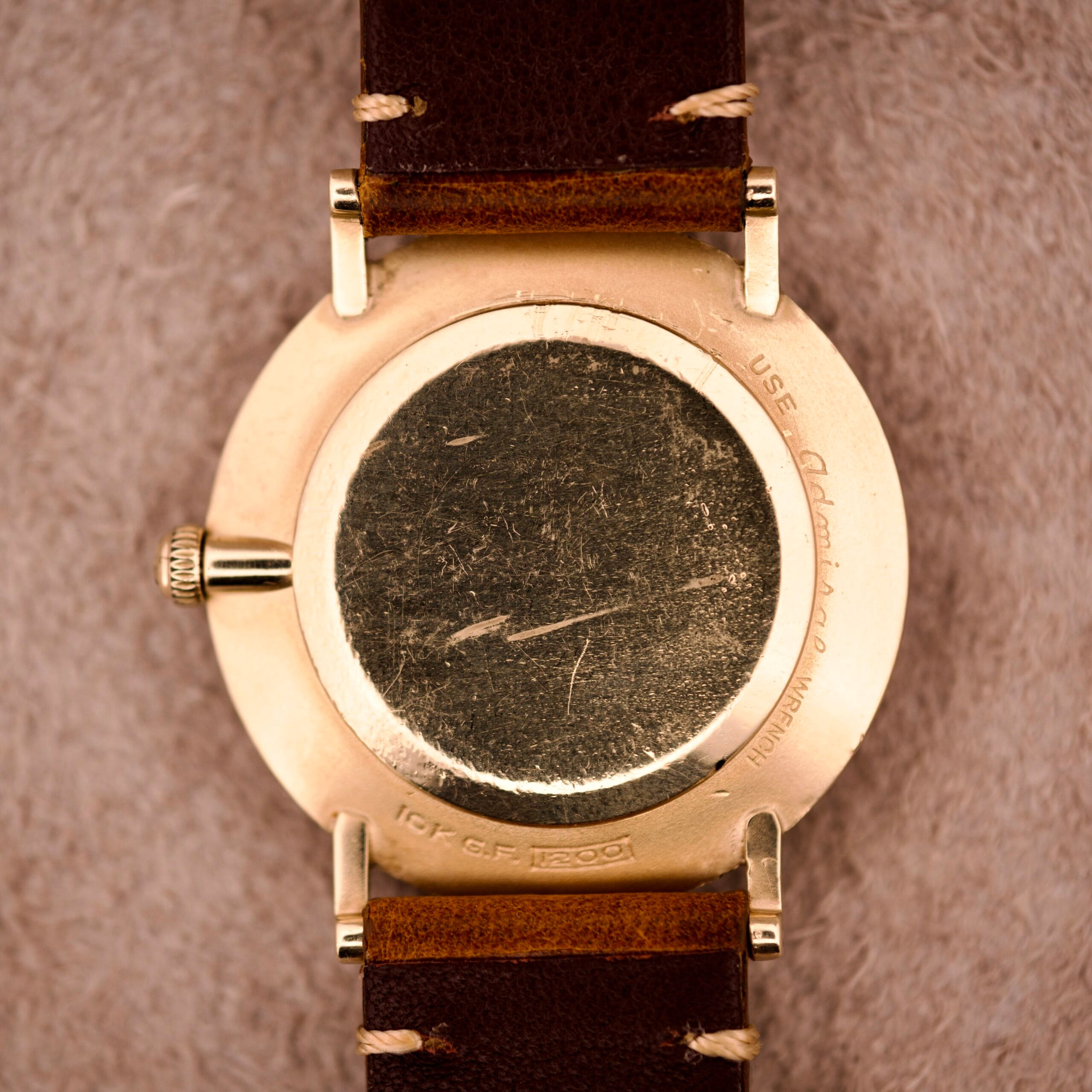

In the cacophony of 1970s watch design, an era defined by chunky chronographs and electric colors, there existed a parallel movement of absolute, quiet restraint. While the rest of the world was getting louder, Longines doubled down on elegance. This manual-wind dress watch is a perfect example of that “black tie” philosophy. It represents a specific moment in horological history when the wristwatch transitioned from a tool of navigation to an object of pure style, designed not to dominate the wrist, but to compliment the cuff of a tuxedo or a velvet jacket.
Longines has always been a master of the dress watch, often rivaling Patek Philippe and Vacheron Constantin in the mid-20th century for sheer beauty and movement finishing. By the 1970s, as the Quartz Crisis began to reshape the industry, Longines maintained its mechanical dignity with ultra-thin manual wind calibers. These movements allowed for slim, graceful case profiles that hugged the wrist, a stark contrast to the towering automatic divers of the day. The design language here is minimalist chic; it relies on the power of negative space rather than clutter.
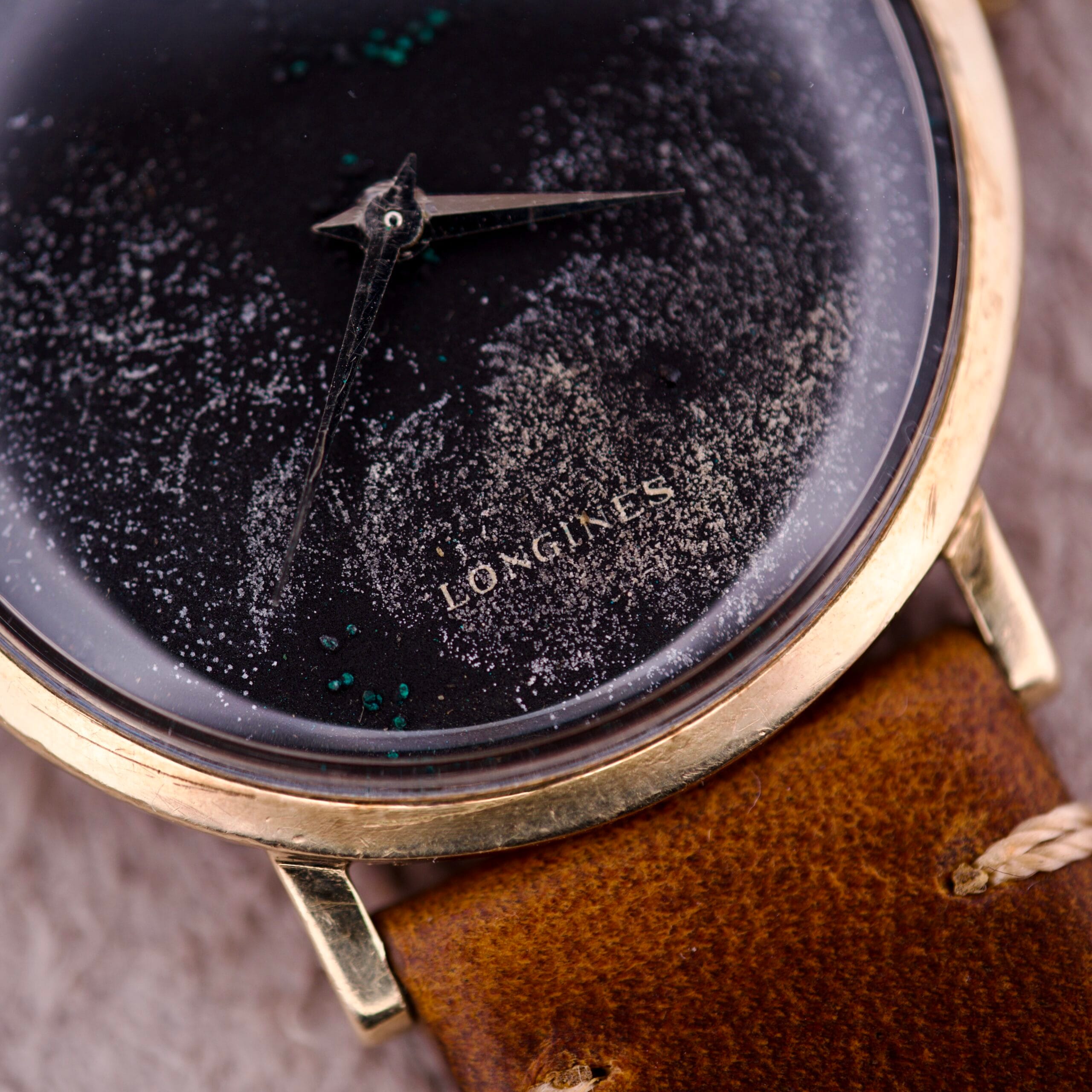
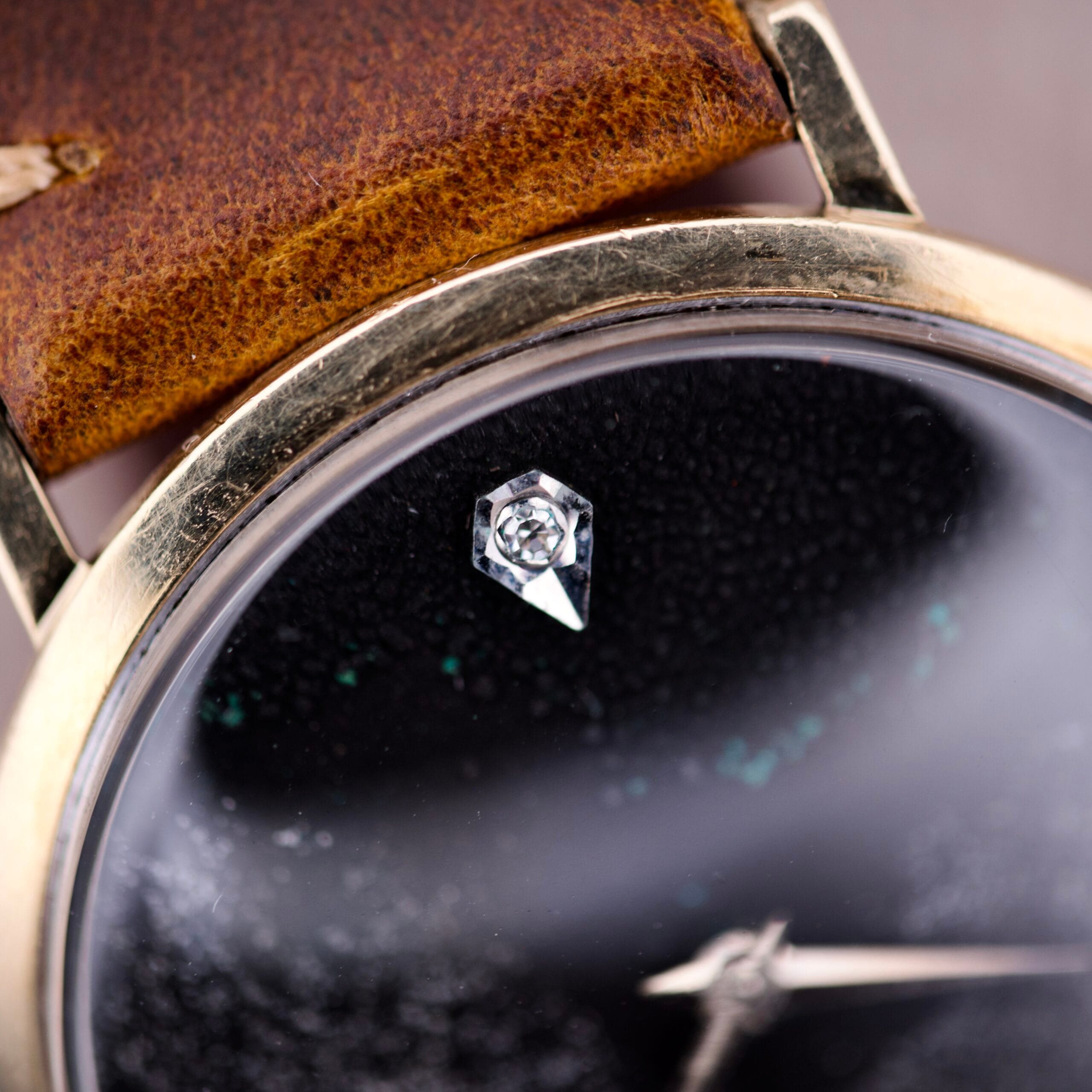
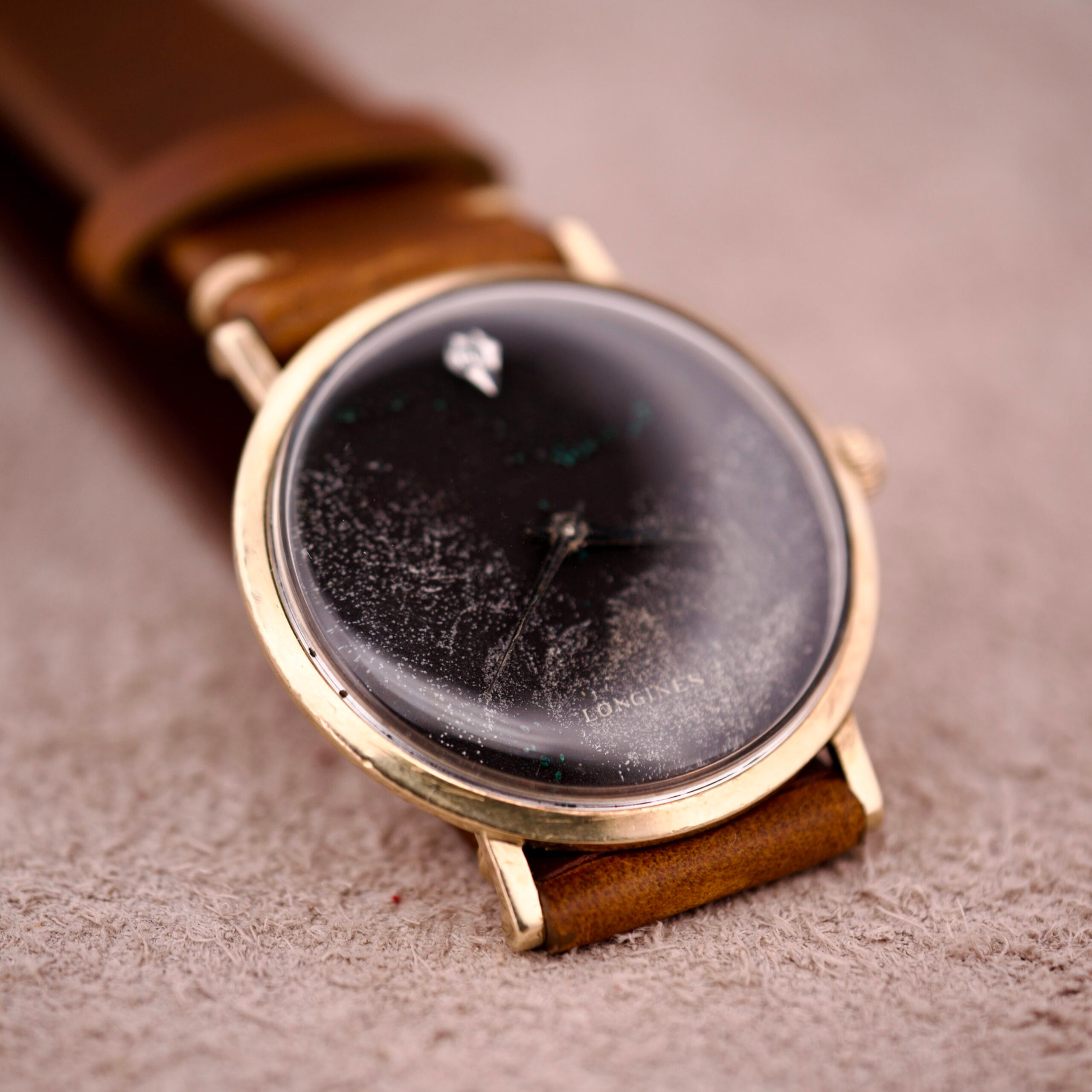
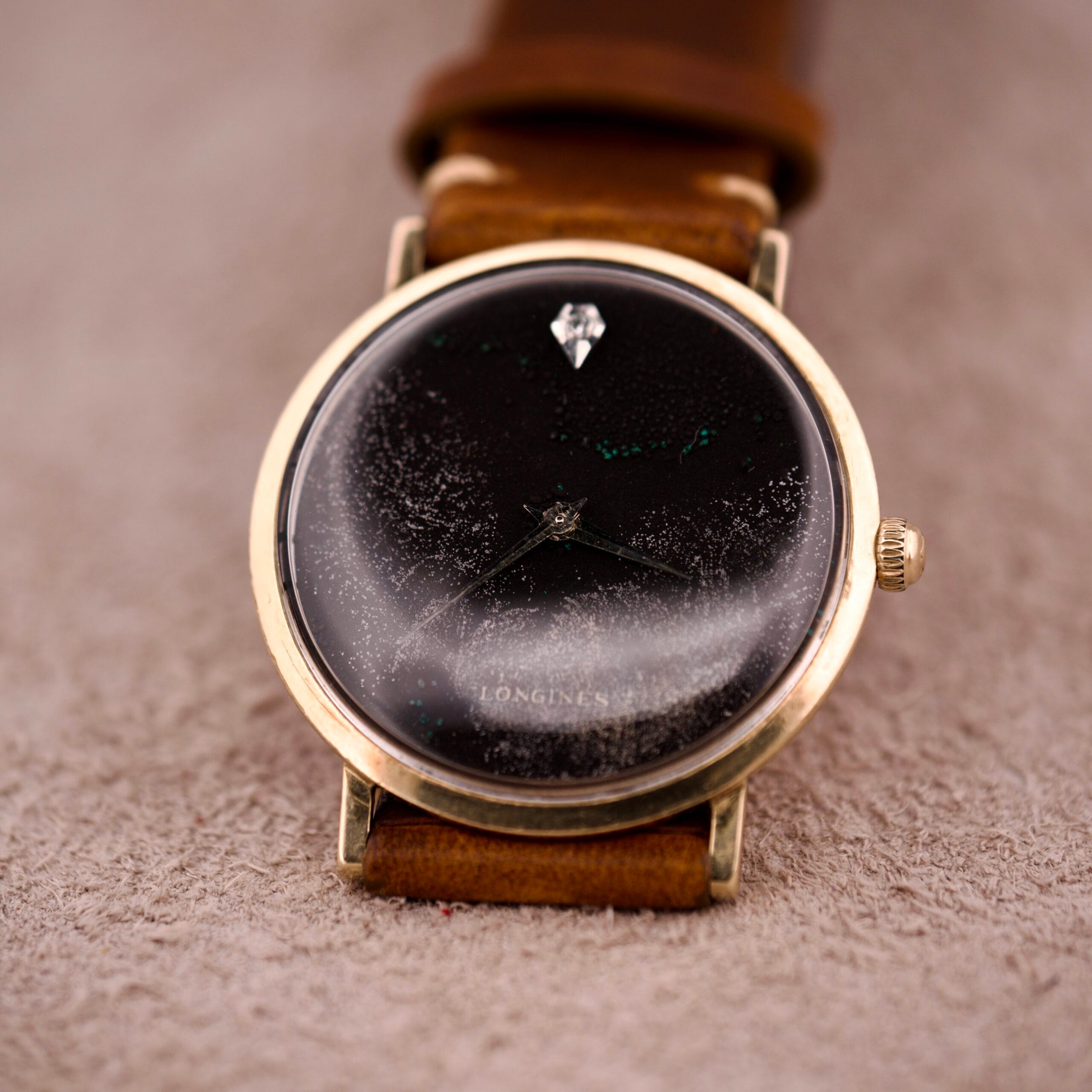
This particular example is a study in shadows. The matte black dial absorbs light rather than reflecting it, creating a deep, void-like effect that is incredibly alluring. The diamond marker serves as the only punctuation on this dark canvas, catching the light with a singular, sharp sparkle. It is a design choice that suggests luxury without screaming it, a “less is more” approach that feels incredibly modern today. The absence of a seconds hand or a date window further enhances this clean aesthetic, freezing the watch in a state of timeless perfection.