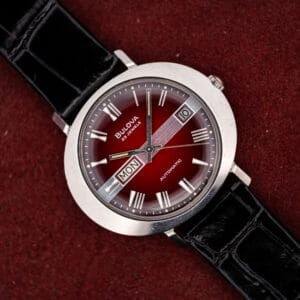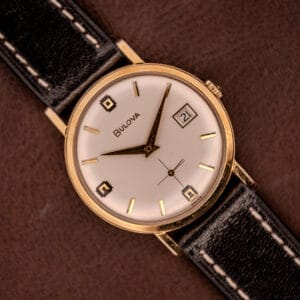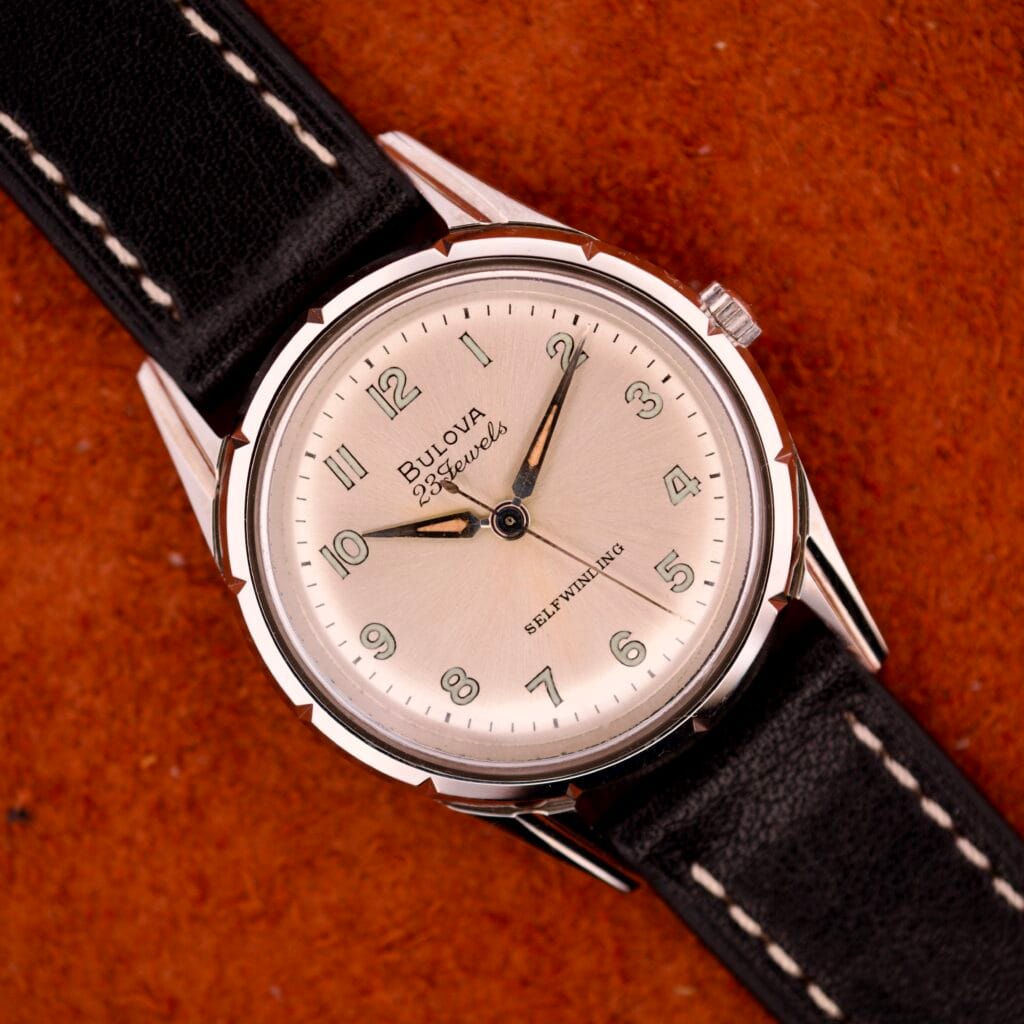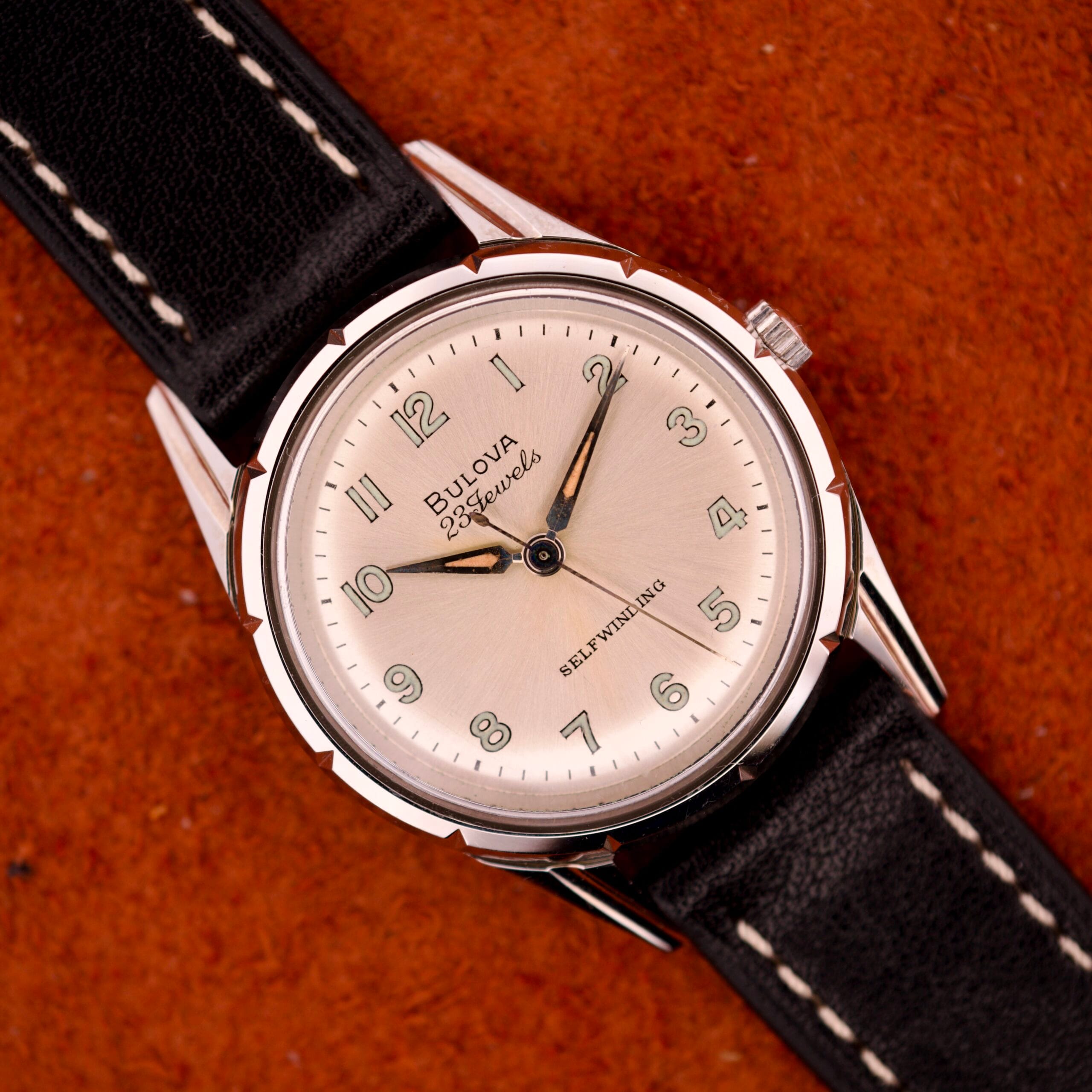
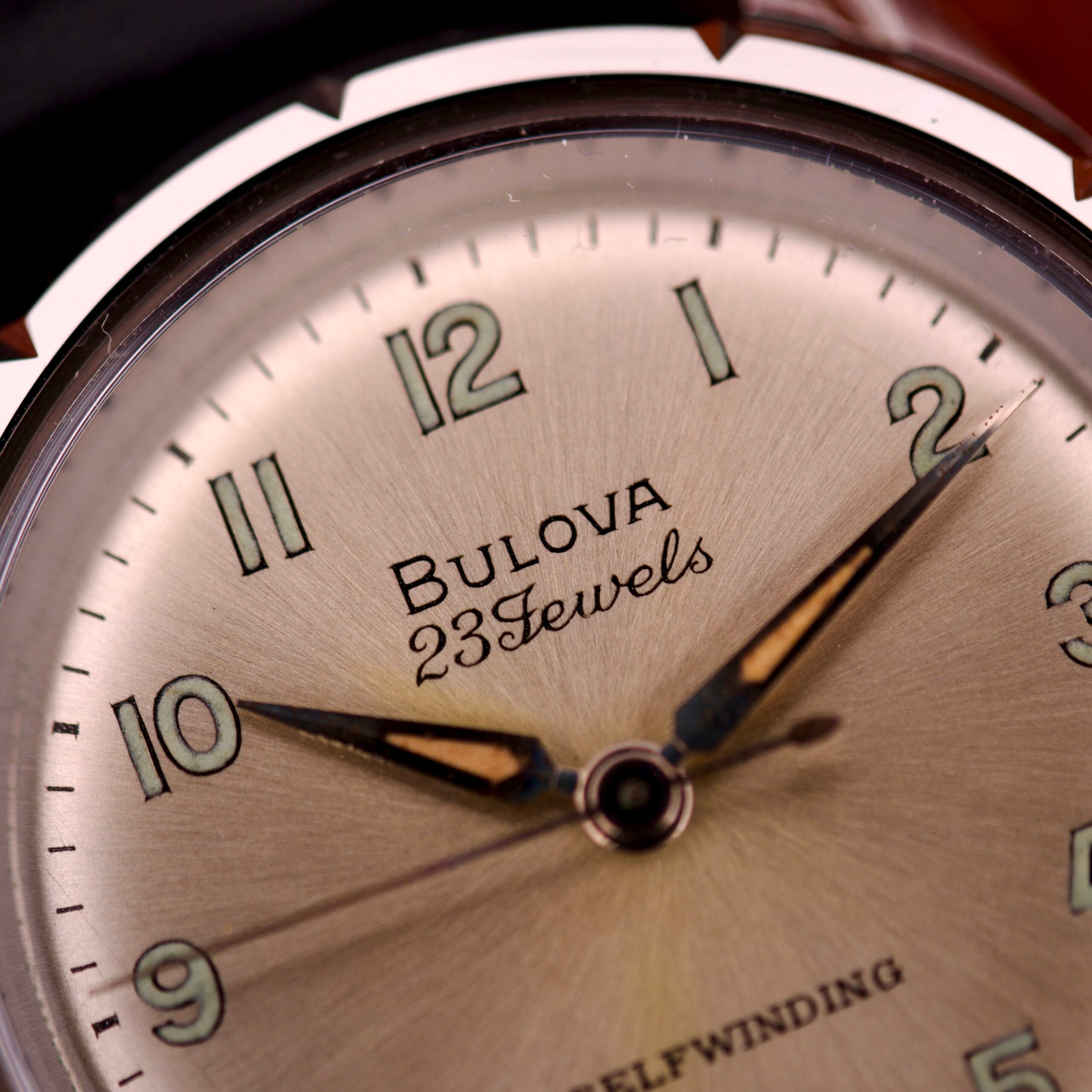
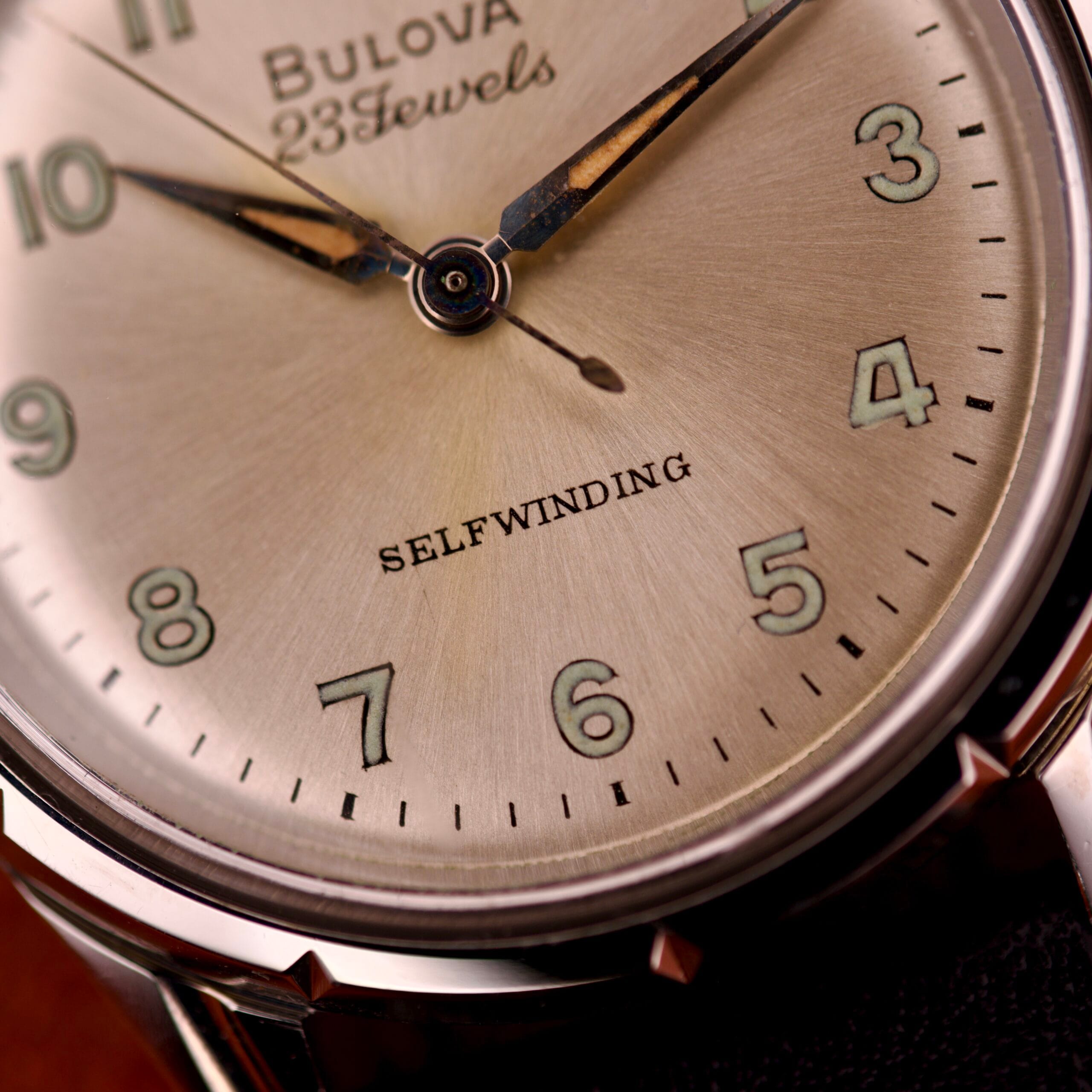
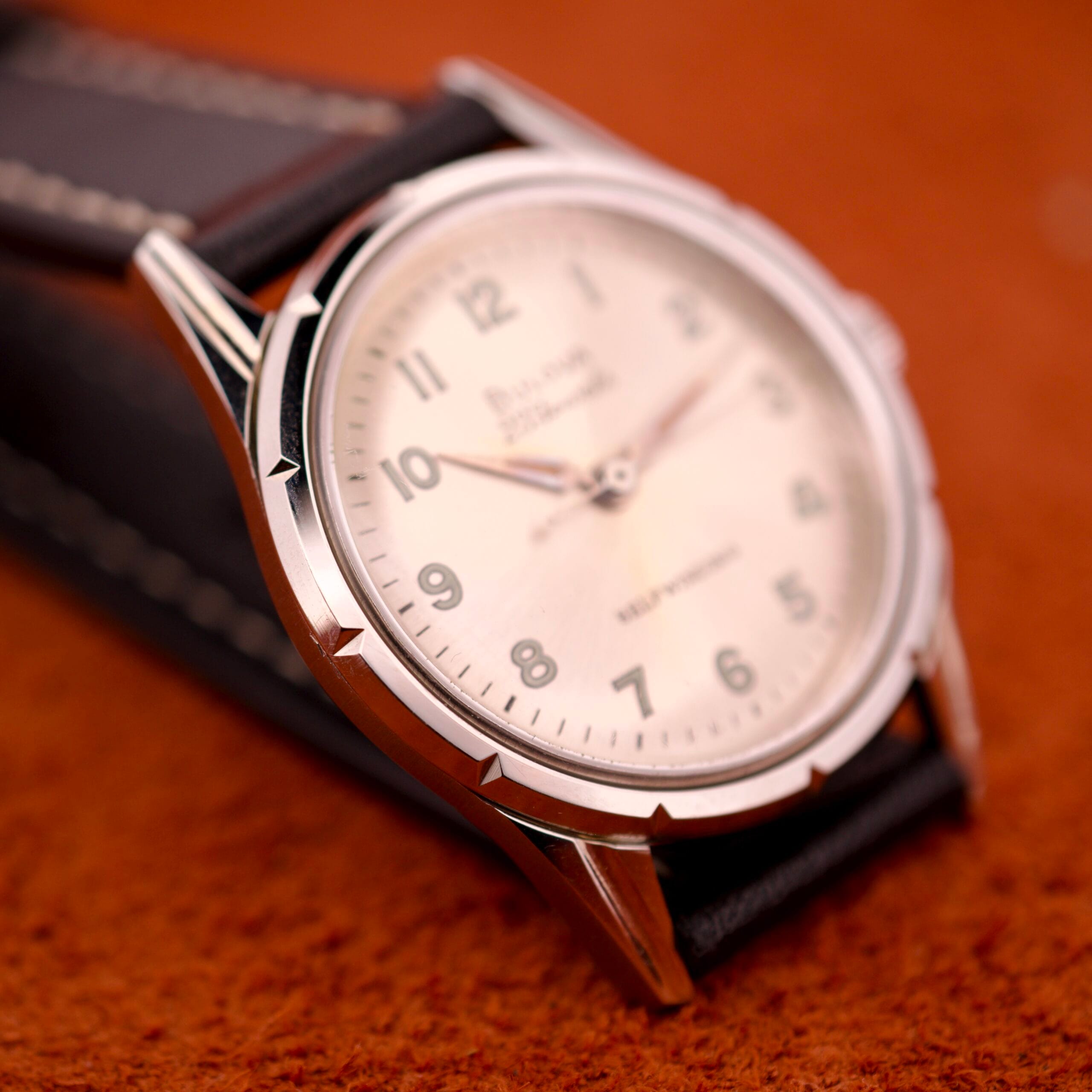
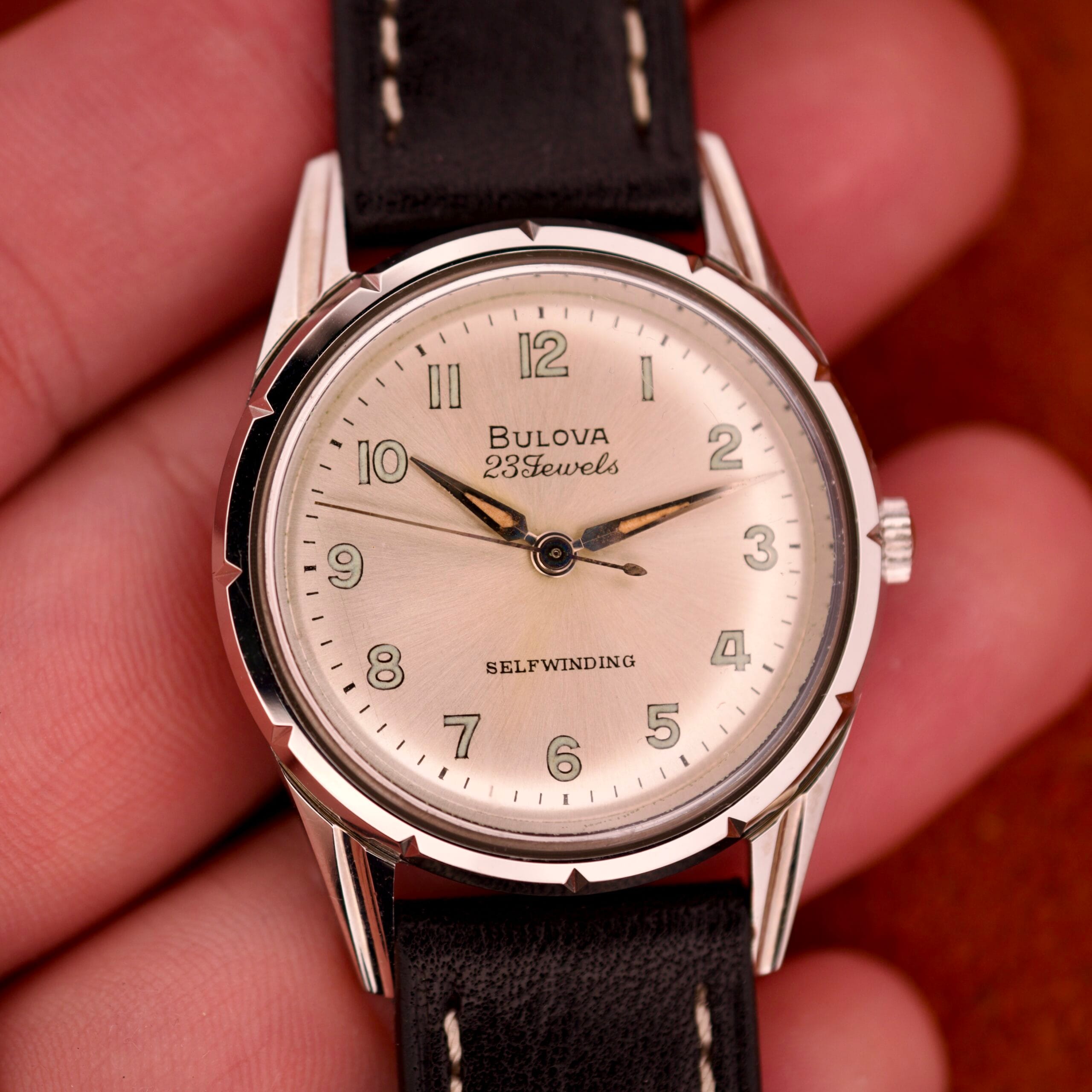
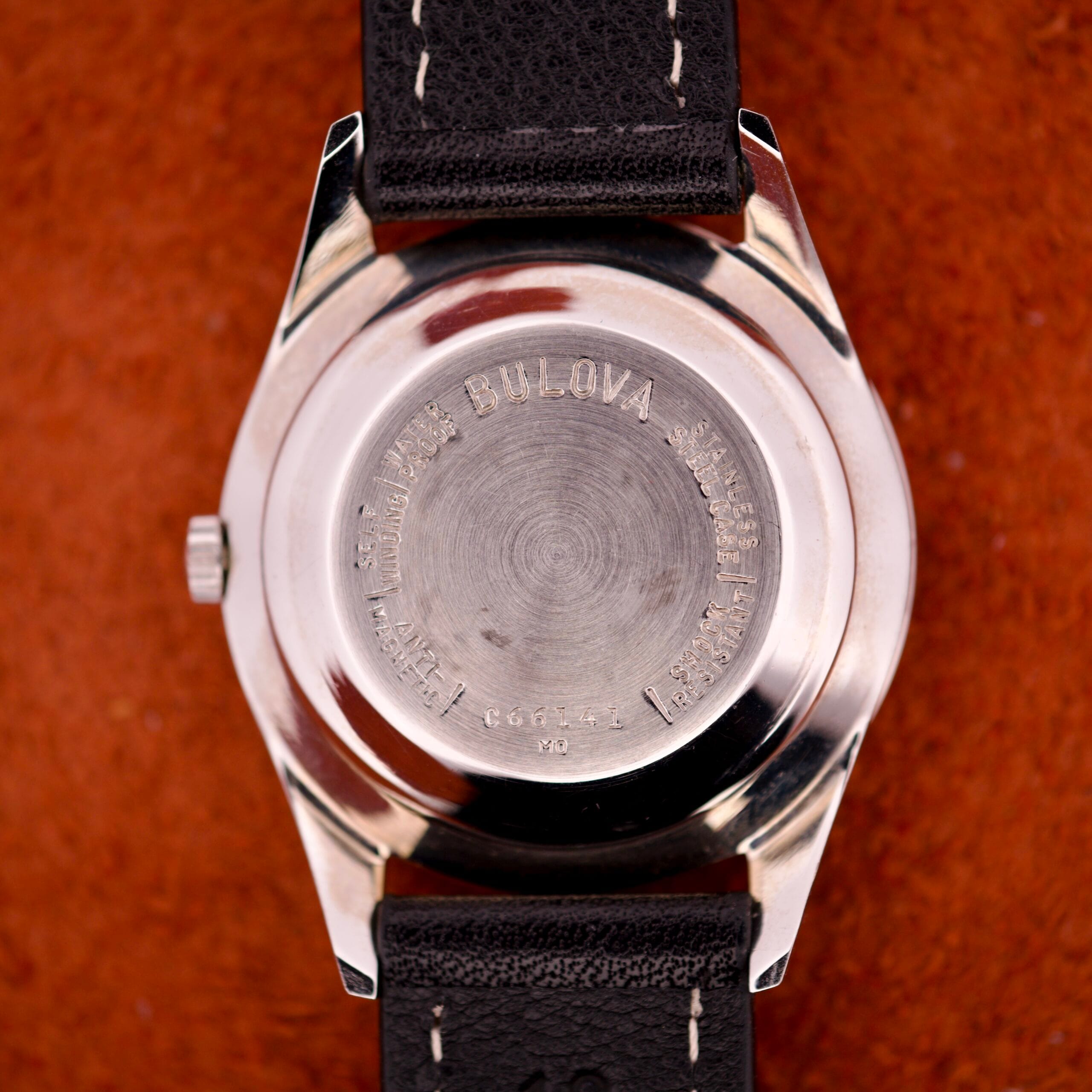
In the mid-20th century, the “23 Jewels” line was Bulova’s flex. While the industry standard for a quality watch was often 17 jewels, Bulova pushed the count to 23 to reduce friction and increase longevity in the automatic winding system and gear train. It was a marketing move, yes, but one backed by genuine engineering. By 1970, the design language had shifted from the ornate fancy lugs of the 50s to a cleaner, more modernist aesthetic, and this reference sits perfectly in that transition. It captures the “Mad Men” vibe just as it began to loosen its tie and enter the disco decade.
The Caliber 10BZAC inside is a workhorse with pedigree. It is an evolution of Bulova’s successful 10BPAC, known for its “tear drop” rotor cutout and robust construction. The “AC” designation often indicates adjustments were made at the factory, in this case for temperature and positions, which was a feature usually reserved for much more expensive chronometer-grade watches. This wasn’t just a mass-market timekeeper; it was a precision instrument built to compete with the Swiss giants on accuracy.
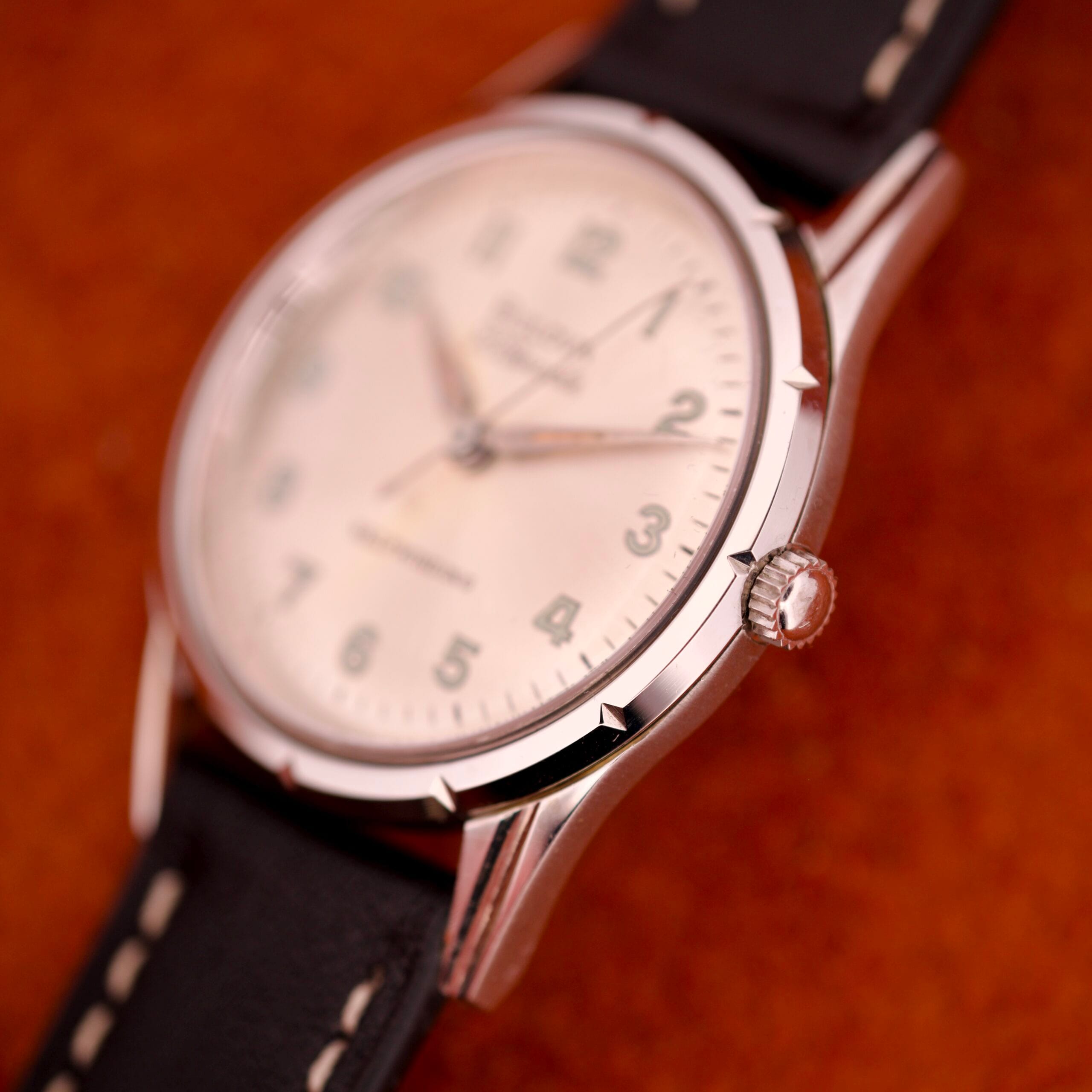
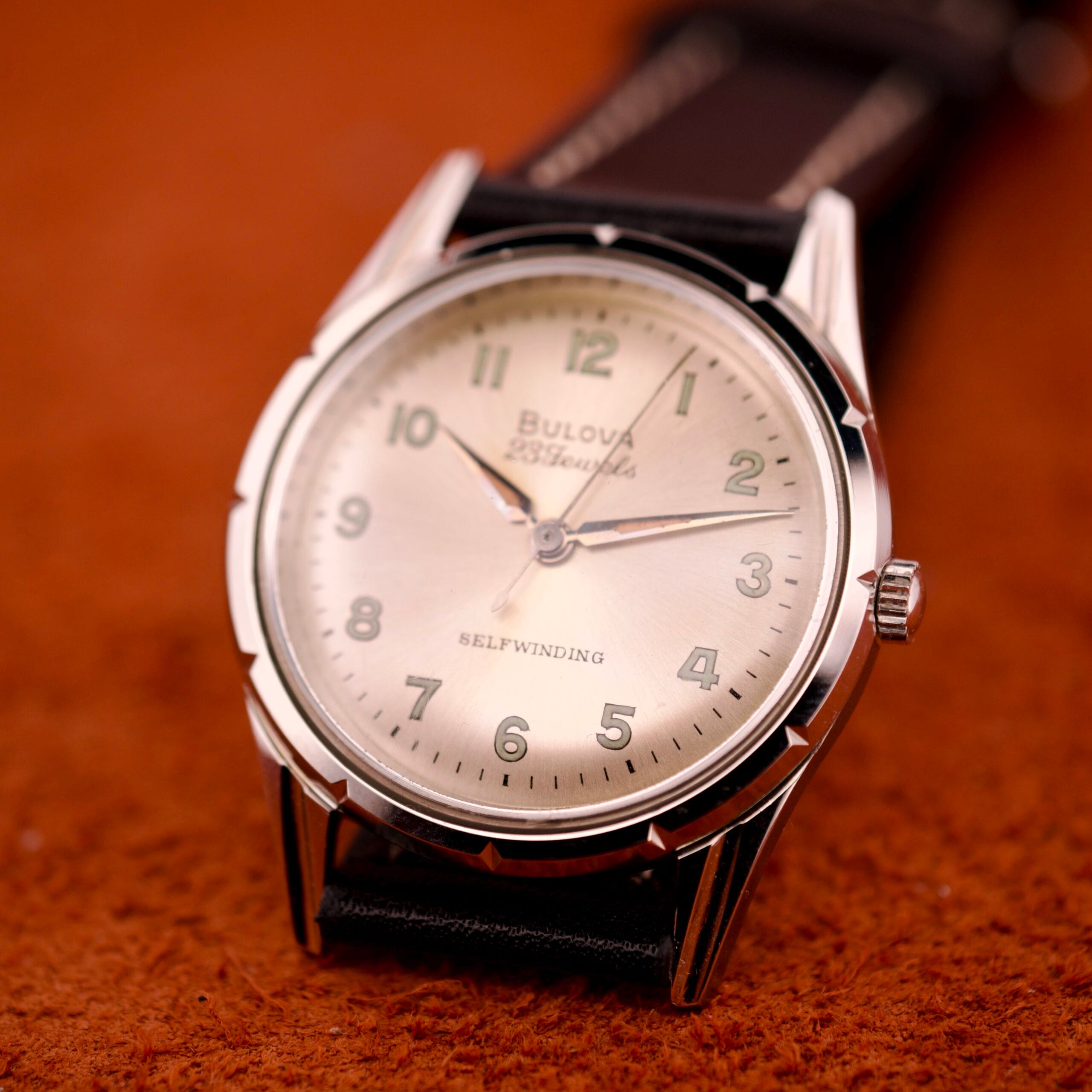
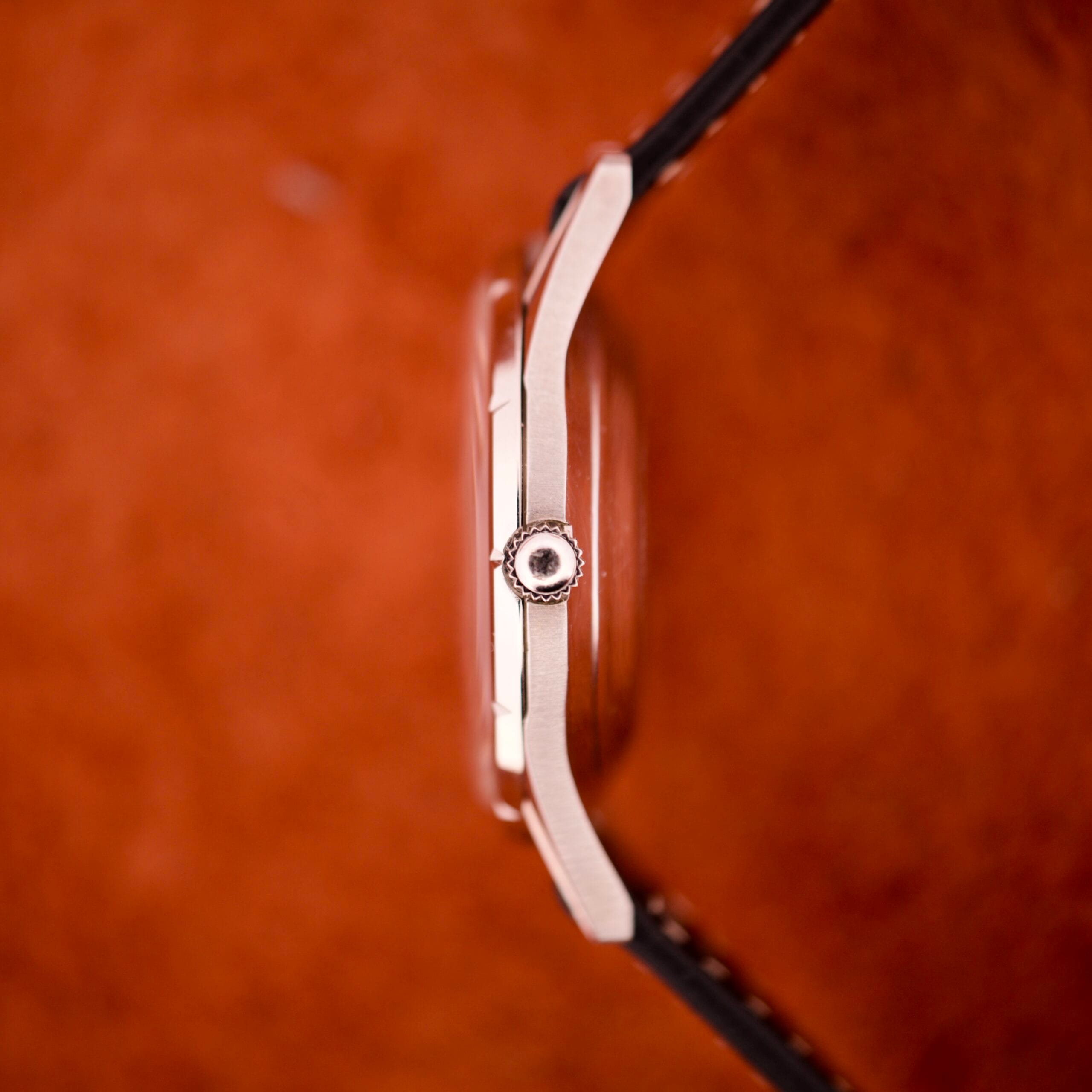
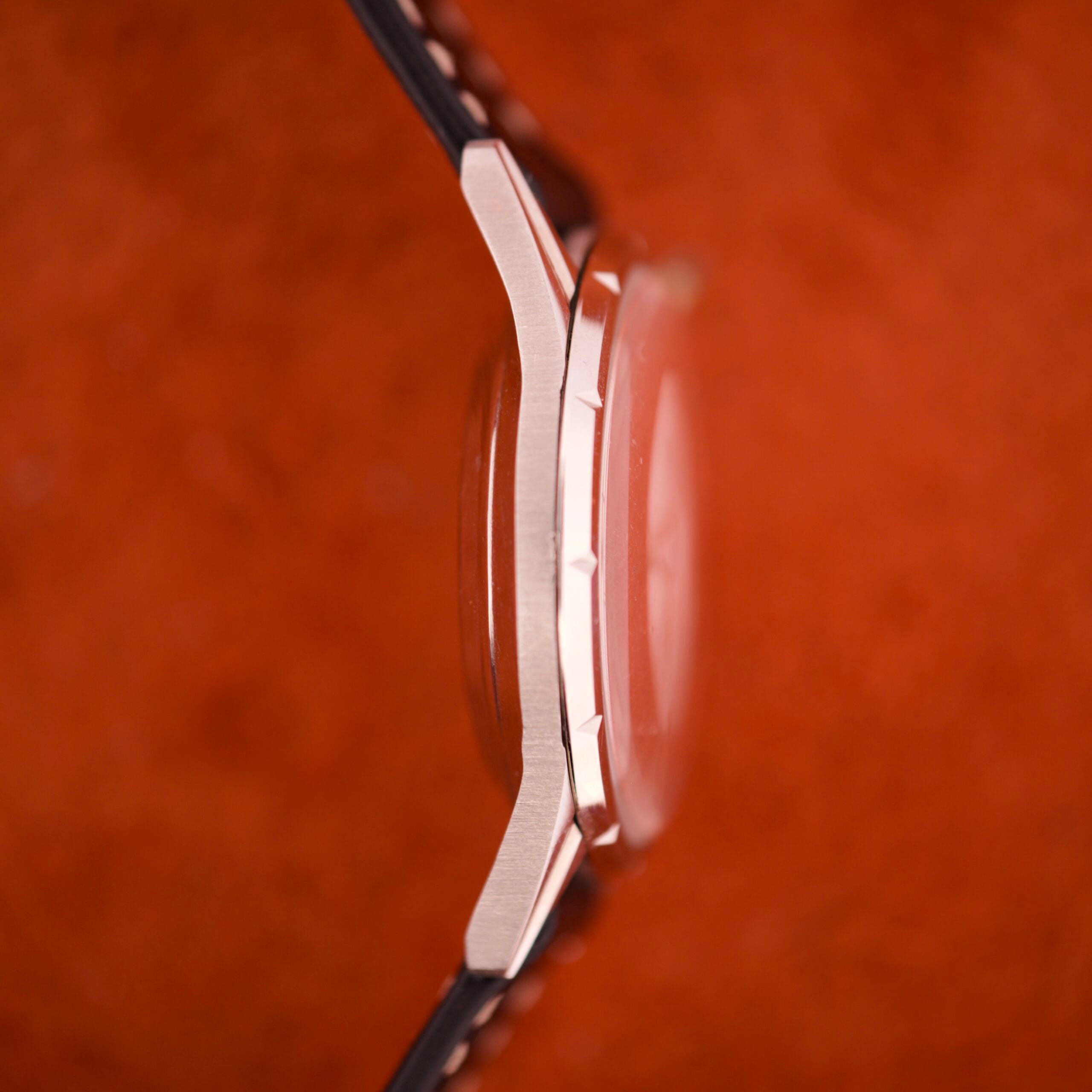
This particular example is a study in understated cool. The sunburst silver dial is clean and bright, acting as a perfect canvas for the stick hands and applied indices. It eschews a date window, offering perfect symmetry that purists adore. The stainless steel case is modest in size by today’s standards but wears with a quiet confidence, sliding easily under a cuff. The “Self-Winding” script on the dial is a charming throwback to a time when automatic movements were still a feature worth bragging about on the face of the watch.
Condition is key for these everyday dress watches, and this one presents beautifully. The case edges remain distinct, and the dial has likely developed a soft warmth over the last 50+ years. The movement is a testament to American-owned watchmaking prowess (even if manufactured in Switzerland by that point).