Don't miss the next drop


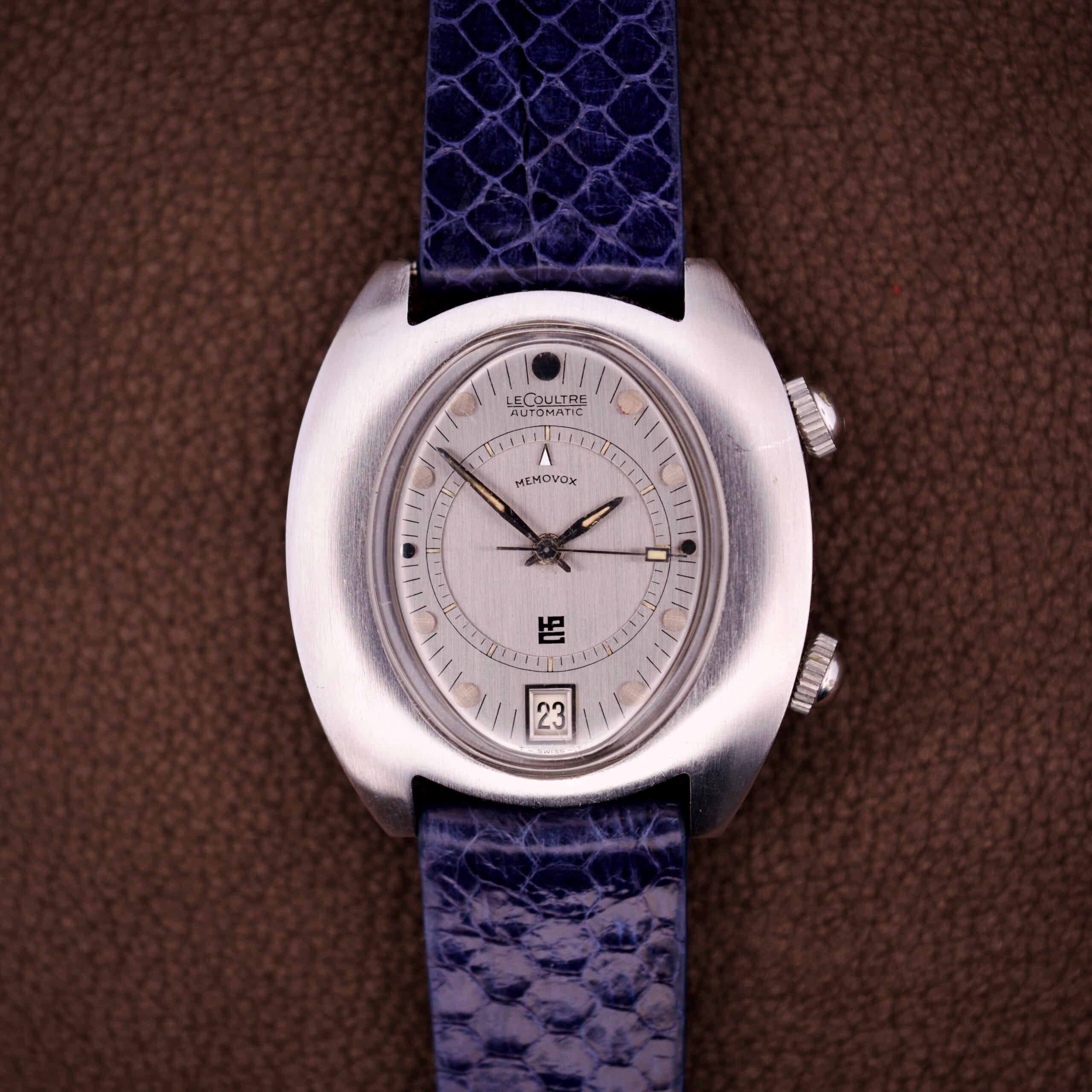
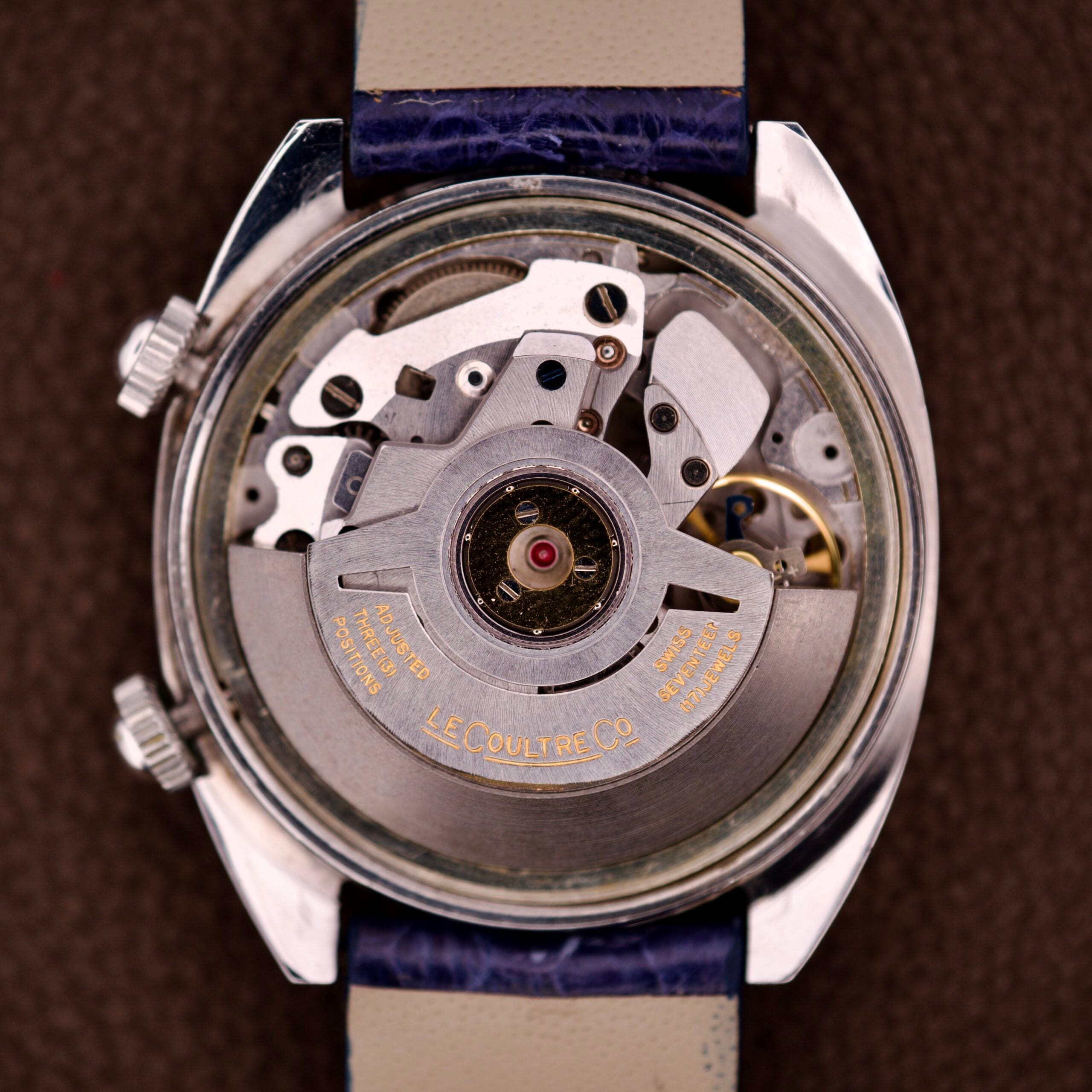

In the hierarchy of mechanical alarm watches, the Memovox sits comfortably on the throne. While other brands dabbled in the complication, Jaeger-LeCoultre (branded simply as LeCoultre for the American market) perfected it. For decades, the Memovox was the choice of the busy executive and the world traveler. However, the reference 3072 represents a major leap forward in this lineage. It isn’t just a dress watch with a buzzer; it is the vessel for the Caliber 916, a movement that changed the game. Known as the “Speedbeat,” this was the first full-rotor automatic alarm movement, operating at a high frequency of 28,800 vph. It addressed the winding efficiency issues of earlier “bumper” automatics and offered a level of precision that allowed the mechanical alarm to survive the dawn of the Quartz Crisis.
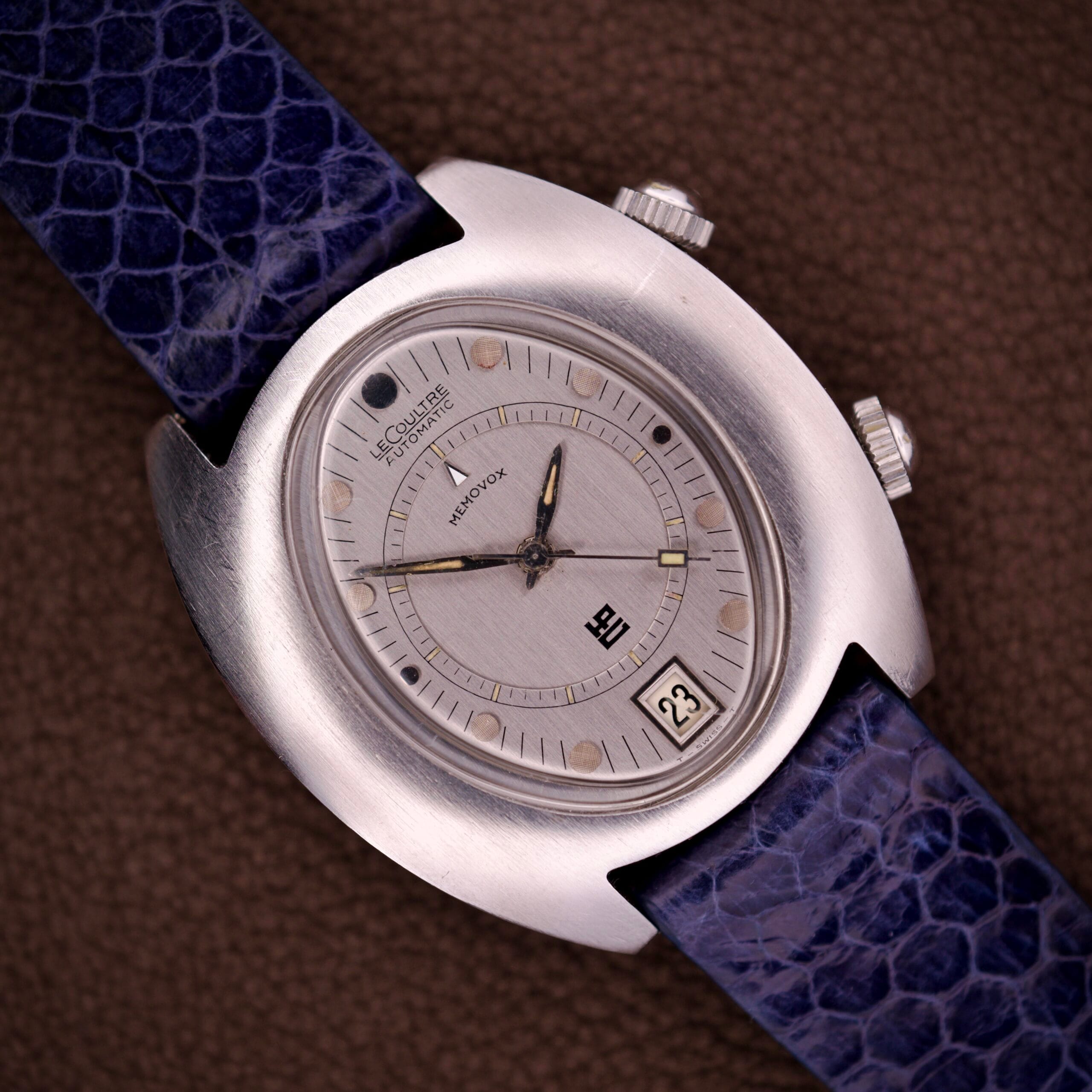
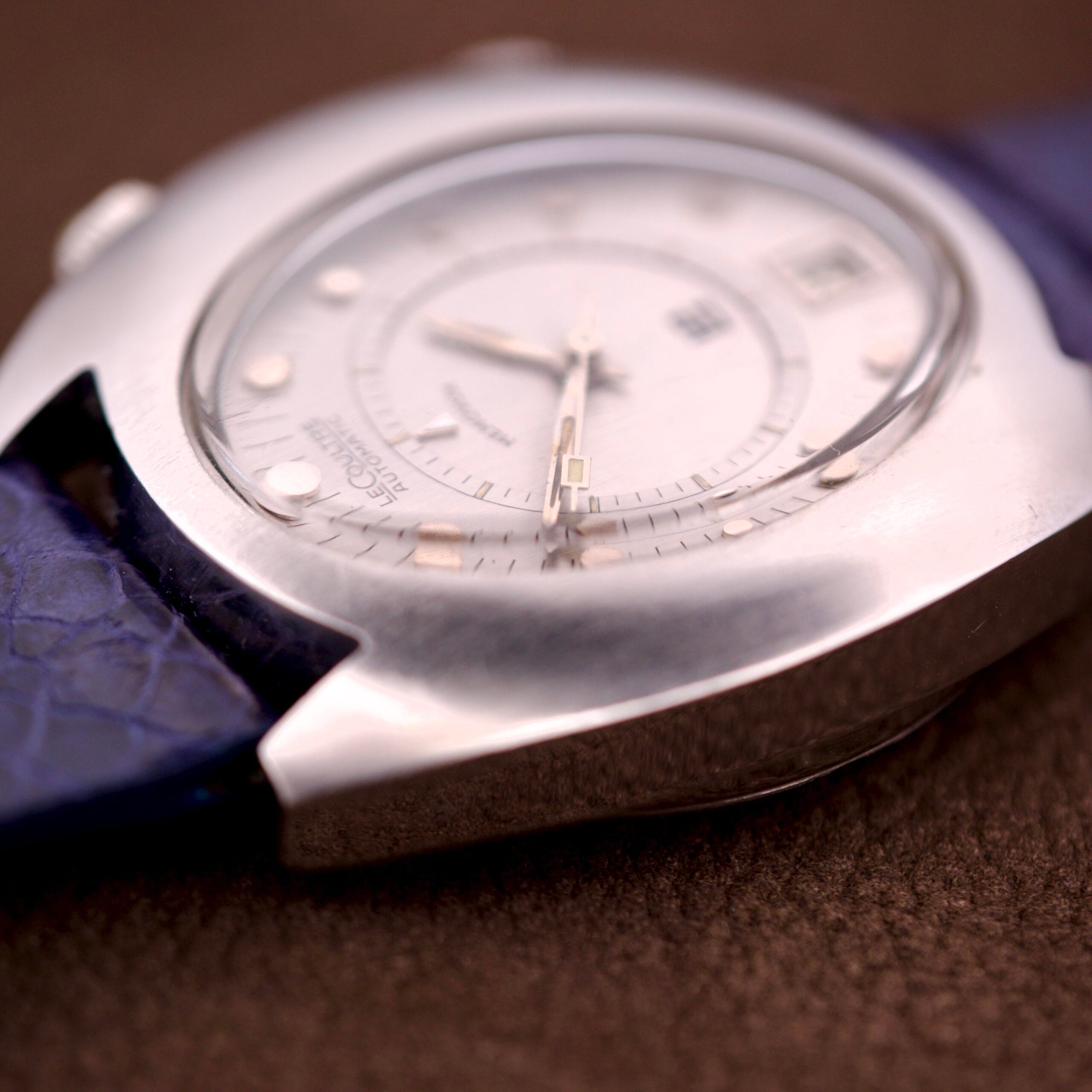
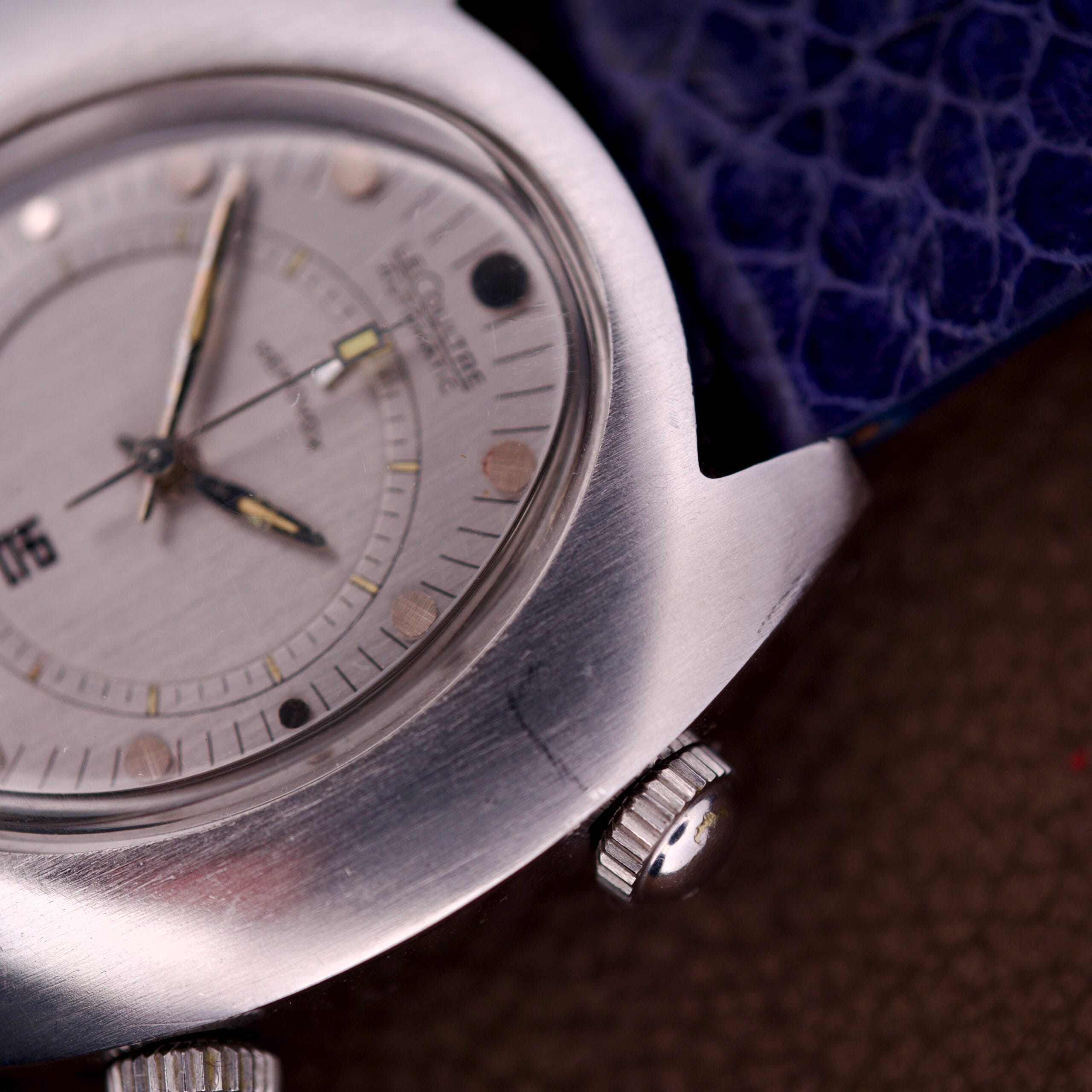
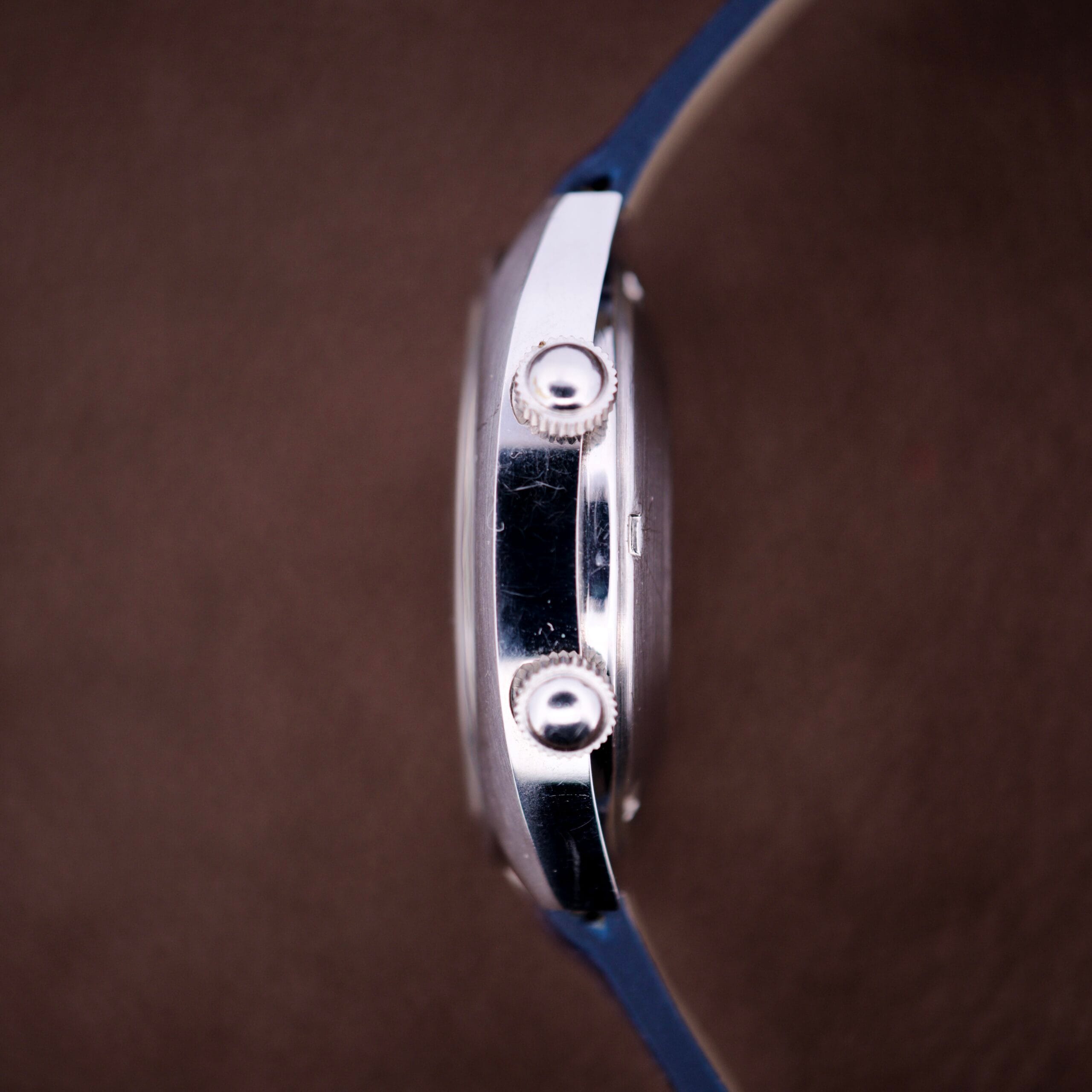
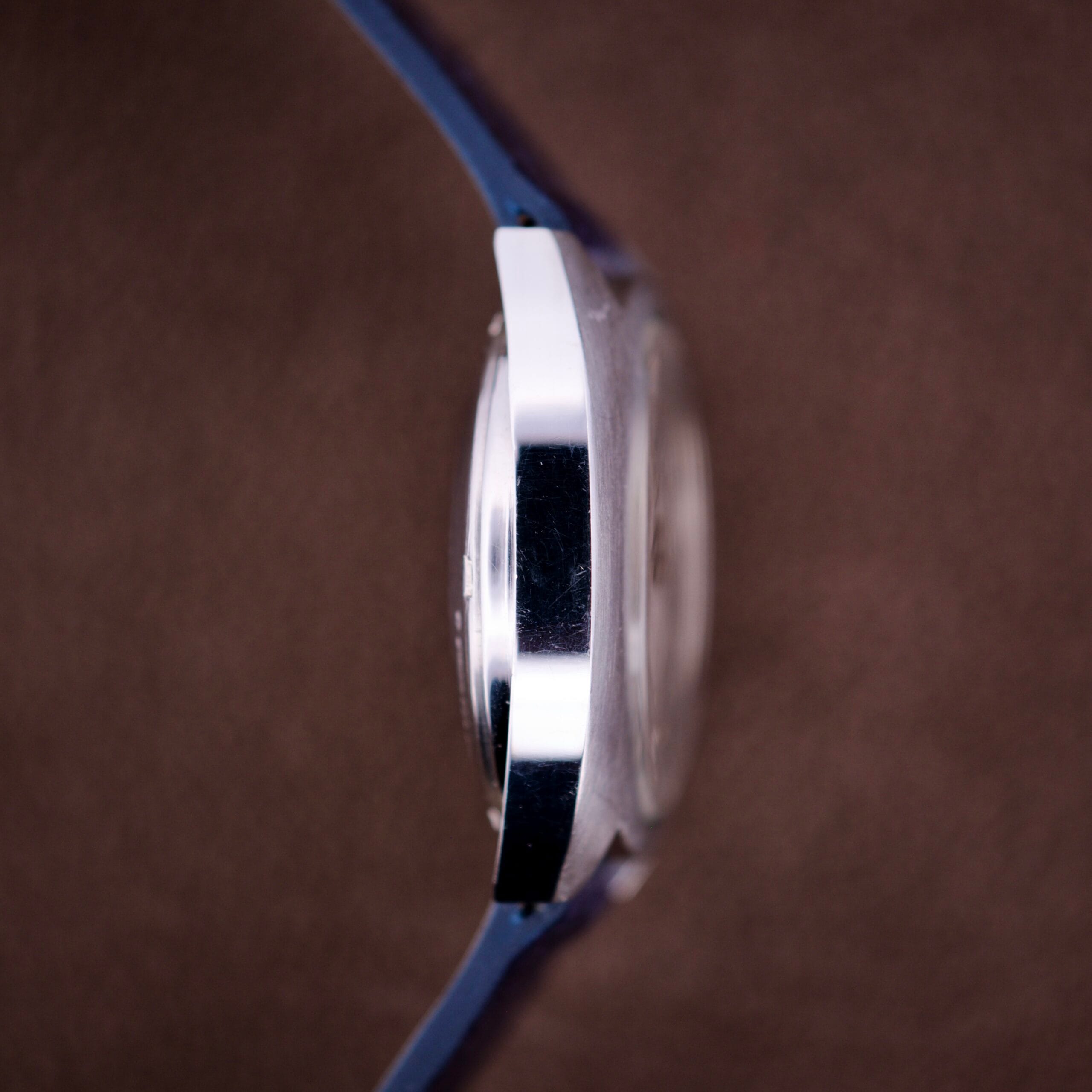
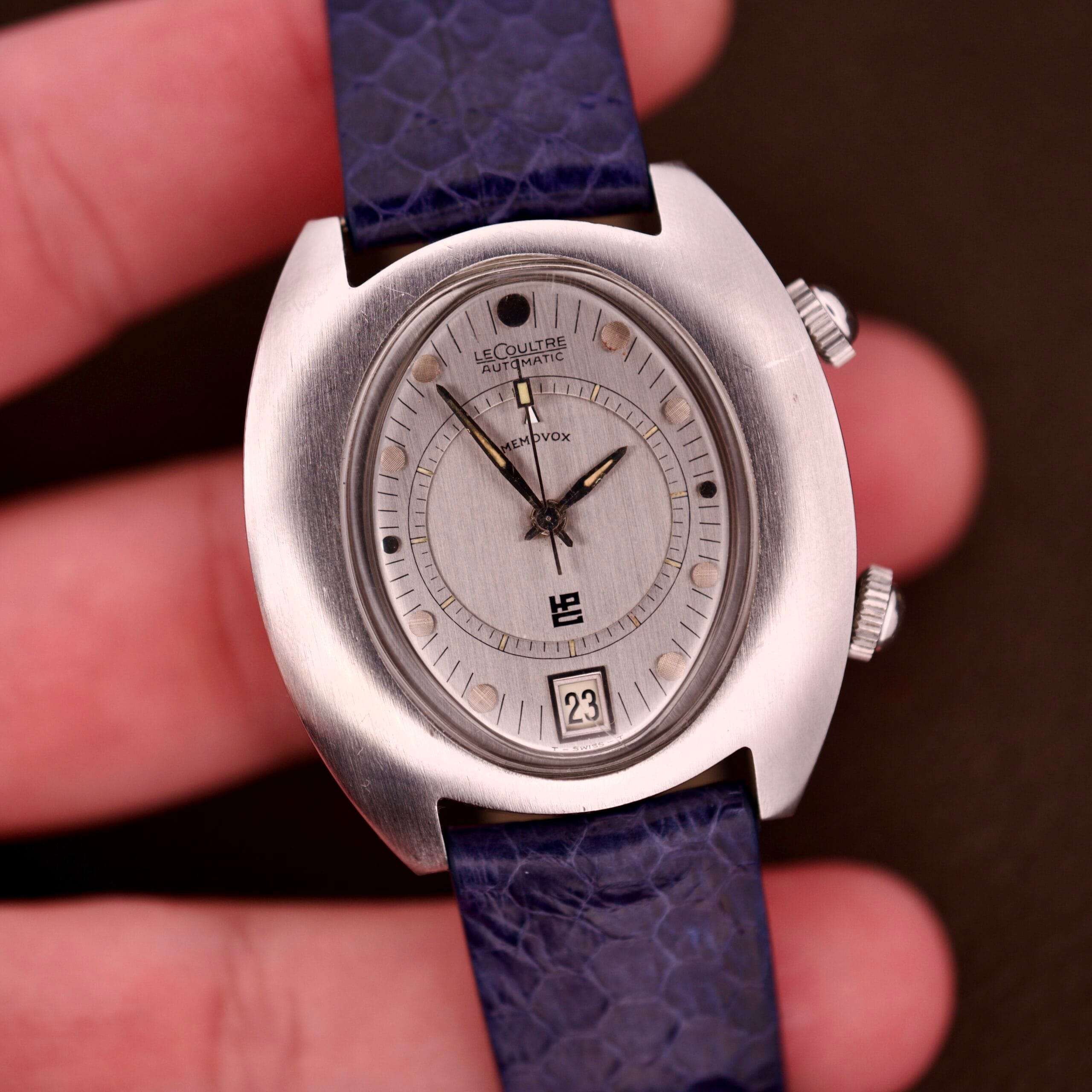
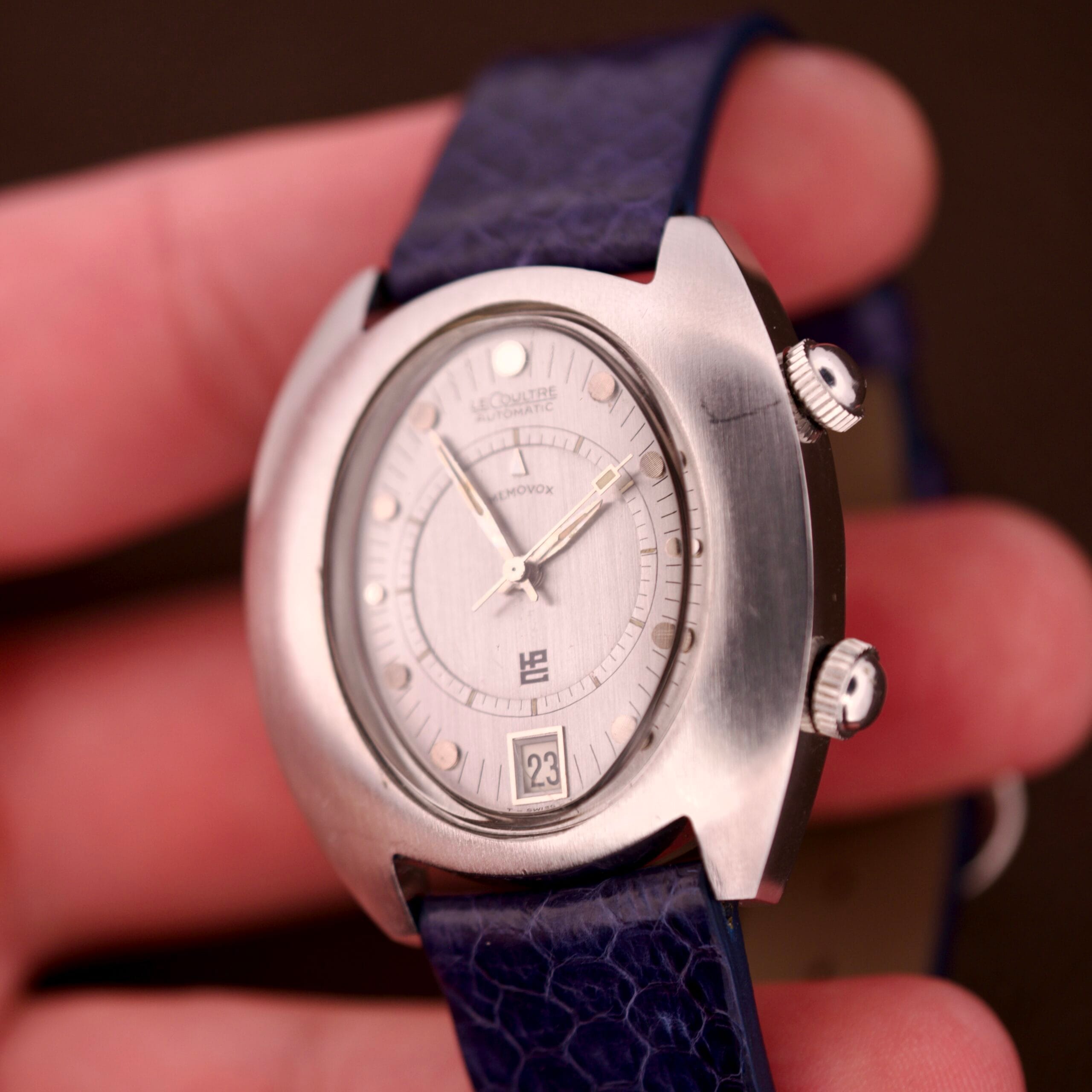
The 1970s were a time when watch designers decided that “round” was boring. They began experimenting with volume, geometry, and wrist presence. The Reference 3072 is a definitive example of this “form watch” revolution. Its case is a distinct, smooth oval—lending it the nickname “The Egg”—that sits on the wrist with a substantial, integrated feel. It eschews traditional lugs for a shrouded design that makes the strap appear to flow directly out of the case body. It is a design that is unapologetically of its time, prioritizing comfort and visual impact in equal measure.
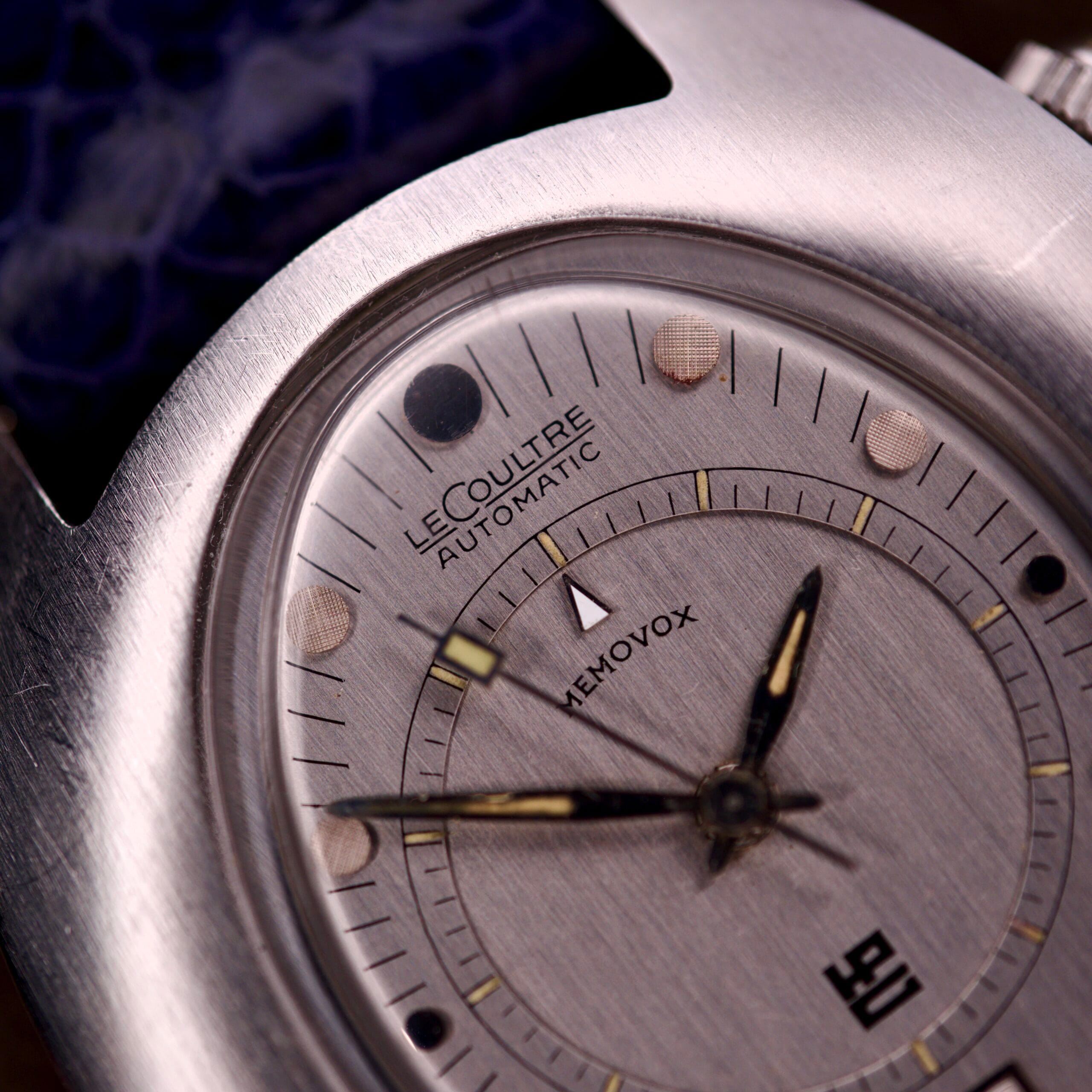
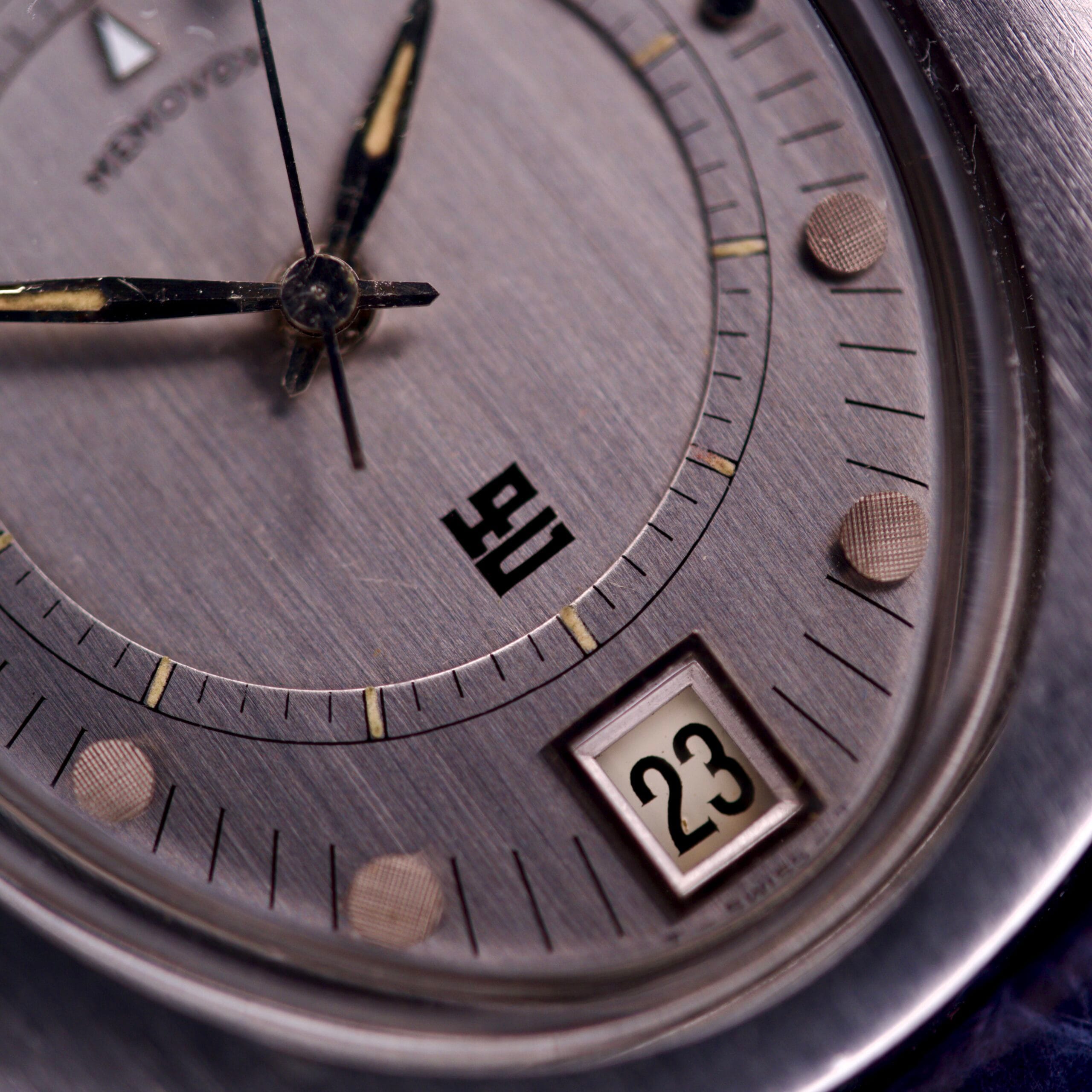
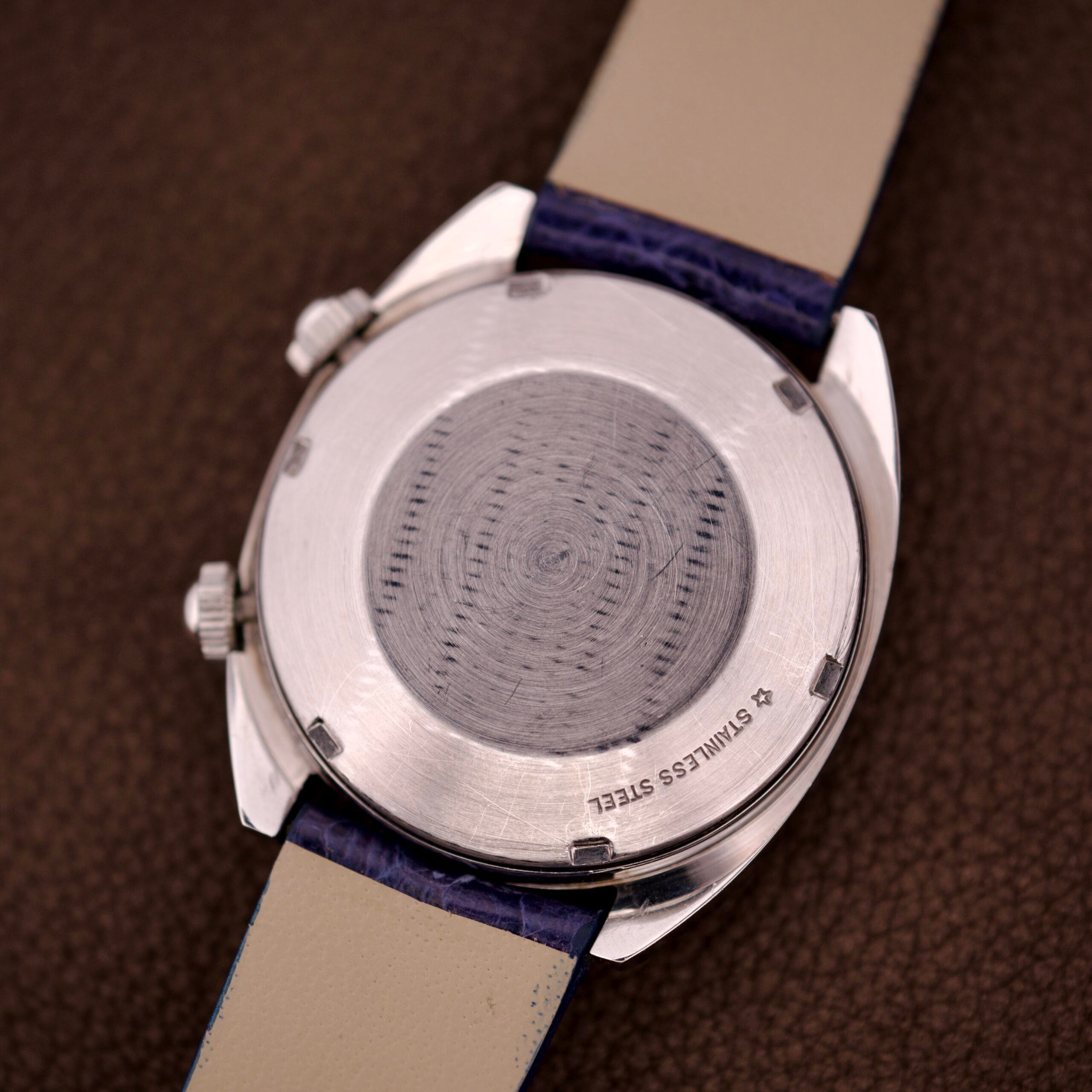
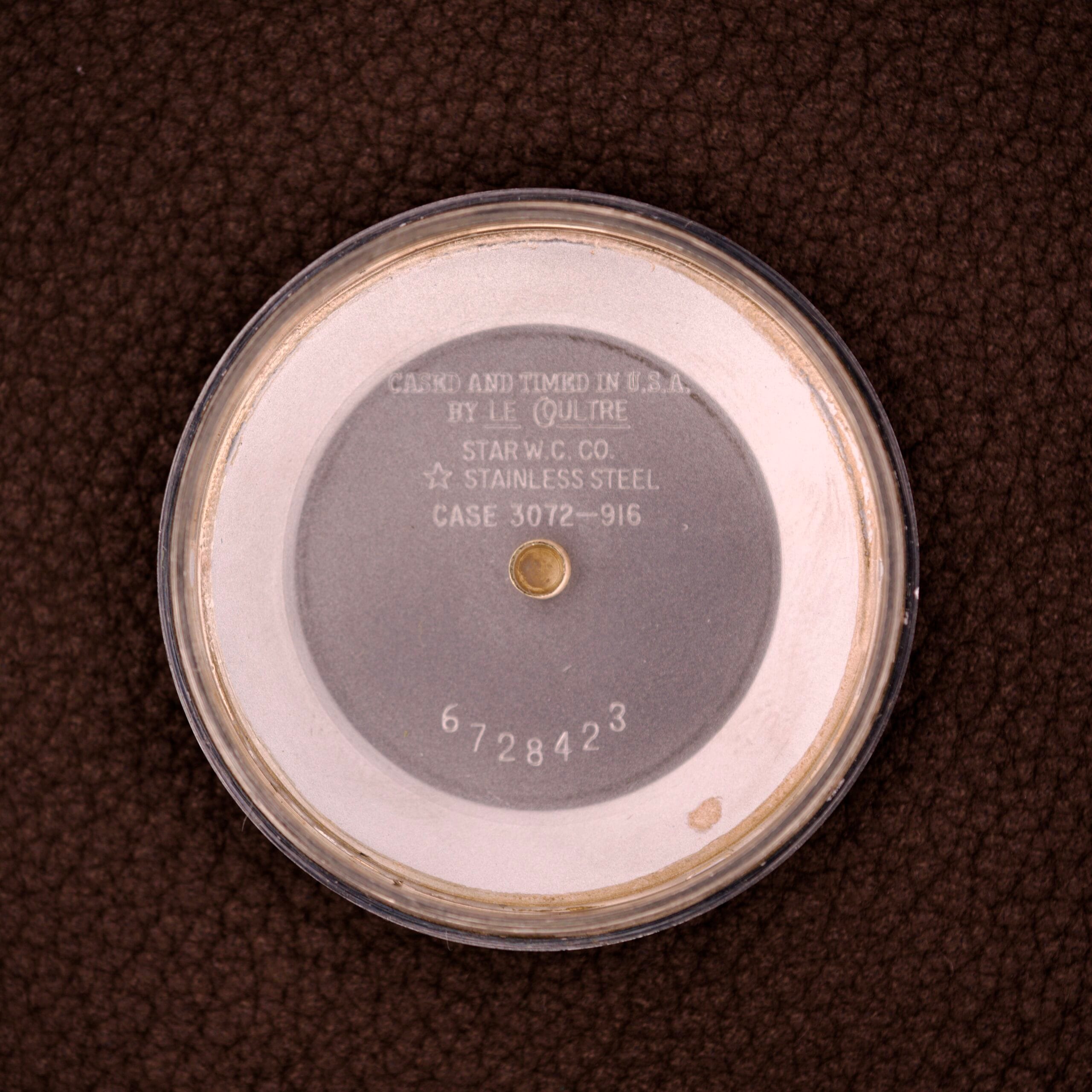
This particular example is the “Reveil” (French for “wake up” or “alarm”) at its most charming. The dial layout preserves the classic Memovox utility—the inner rotating disc with its triangular indicator—but frames it within that wild, architectural case. We particularly love the “LeCoultre” branding, which signifies this watch was originally sold in the US market, a detail that often comes with unique case variations produced locally (often by Star Case Co.) to circumvent import tariffs. The alarm sound on the Caliber 916 is distinct; thanks to the free-spinning rotor, the sound is a sharp, resonant metallic buzz that is impossible to ignore.
This piece remains in honest, attractive condition. The case geometry, which relies on smooth, continuous curves, is well-preserved, avoiding the over-polishing that can flatten the “egg” shape. The dial shows the gentle warmth of age, and the tritium luminous plots have likely settled into a soft patina. The crowns, one for winding and setting the alarm, the other for the time, are functional and correct. Mechanically, the “Speedbeat” movement remains one of the robust engines of vintage horology, offering a sweep of the seconds hand that is noticeably smoother than its predecessors.