Don't miss the next drop


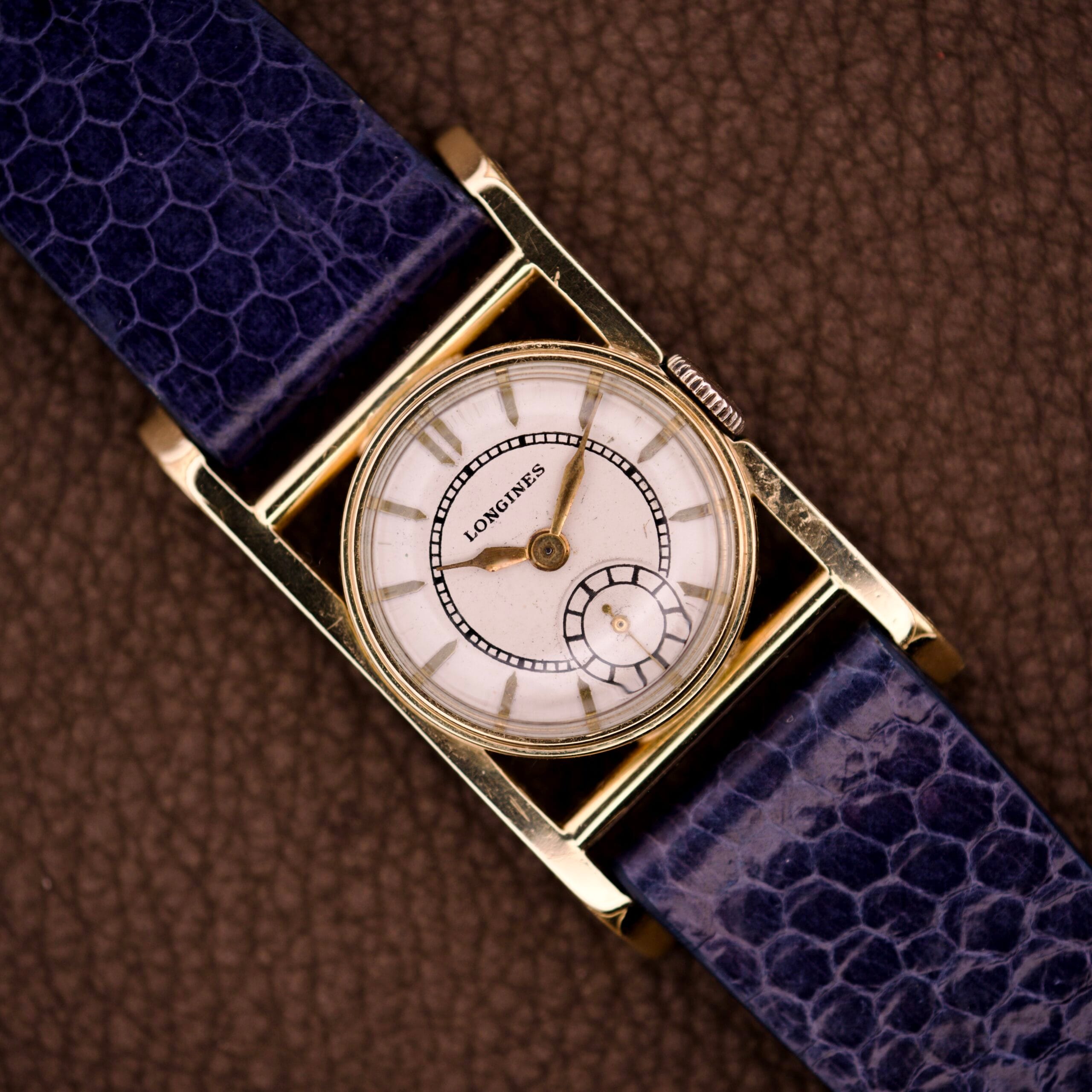
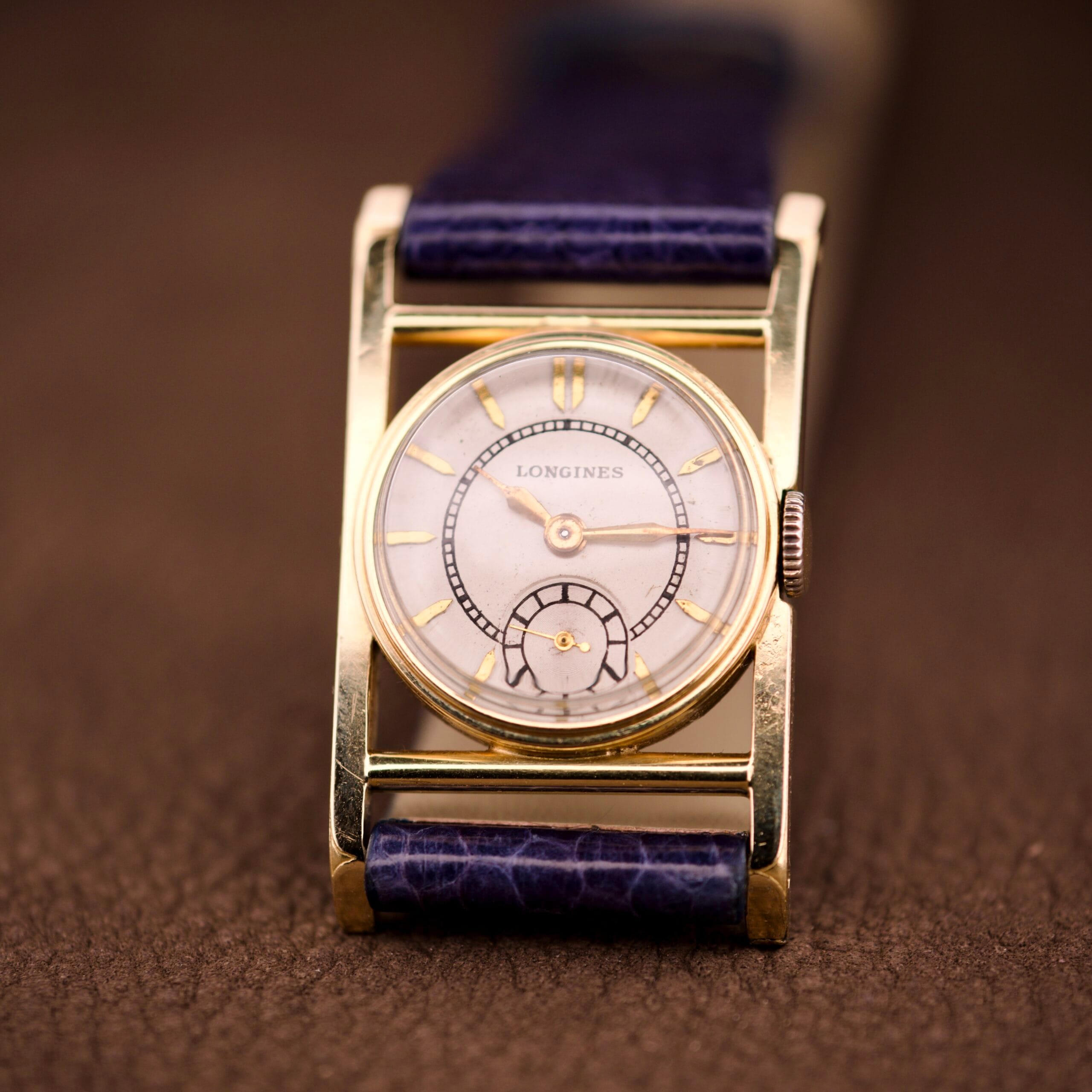
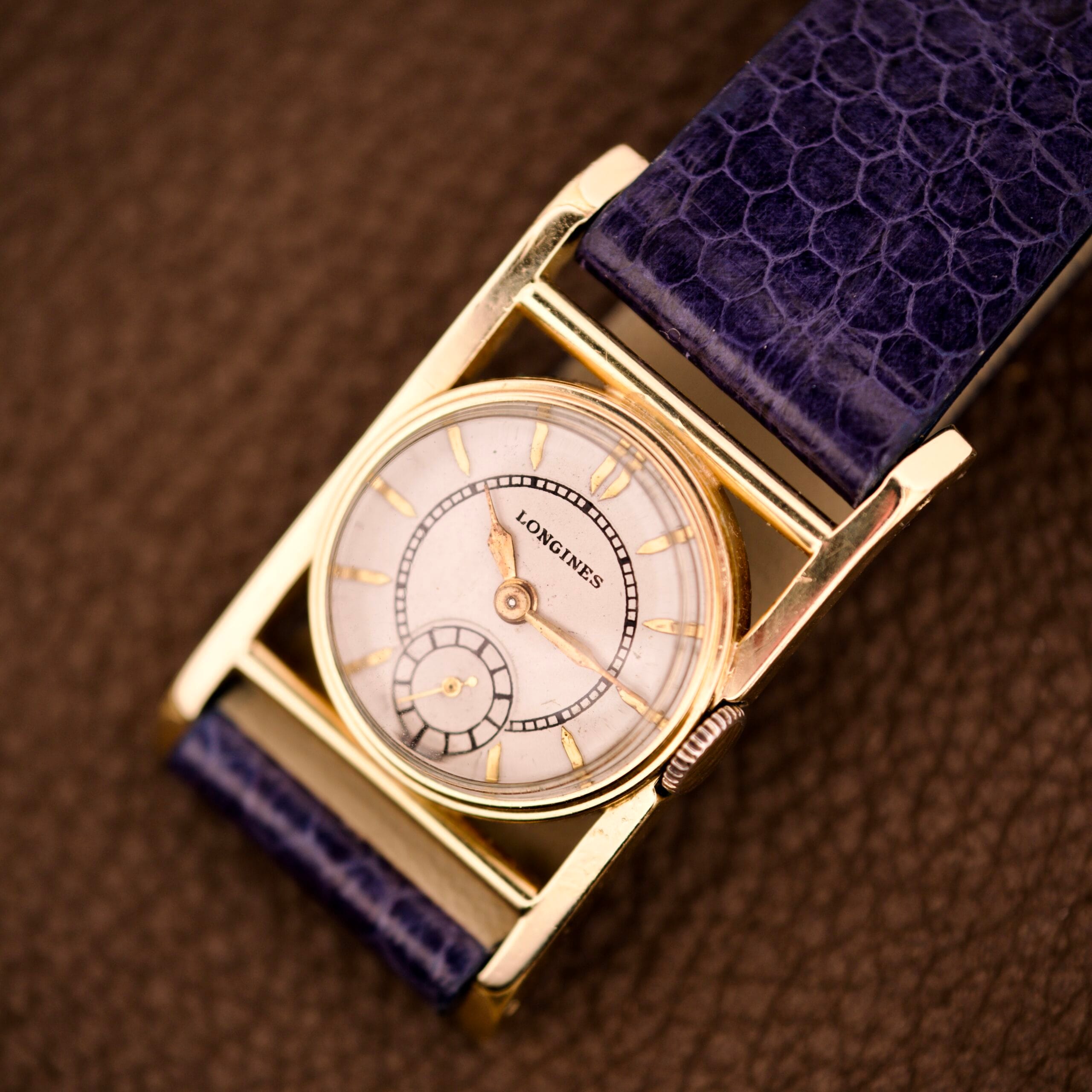
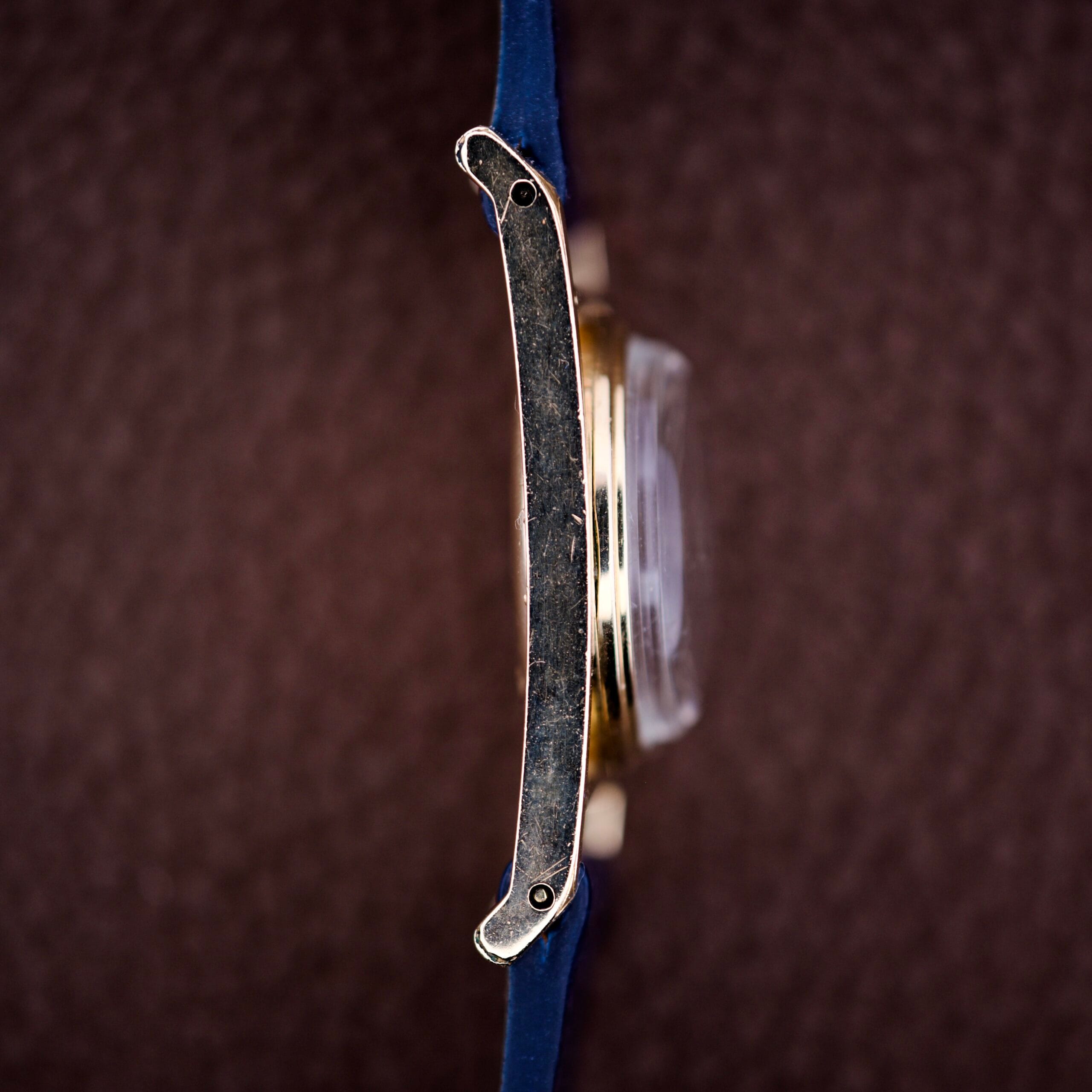
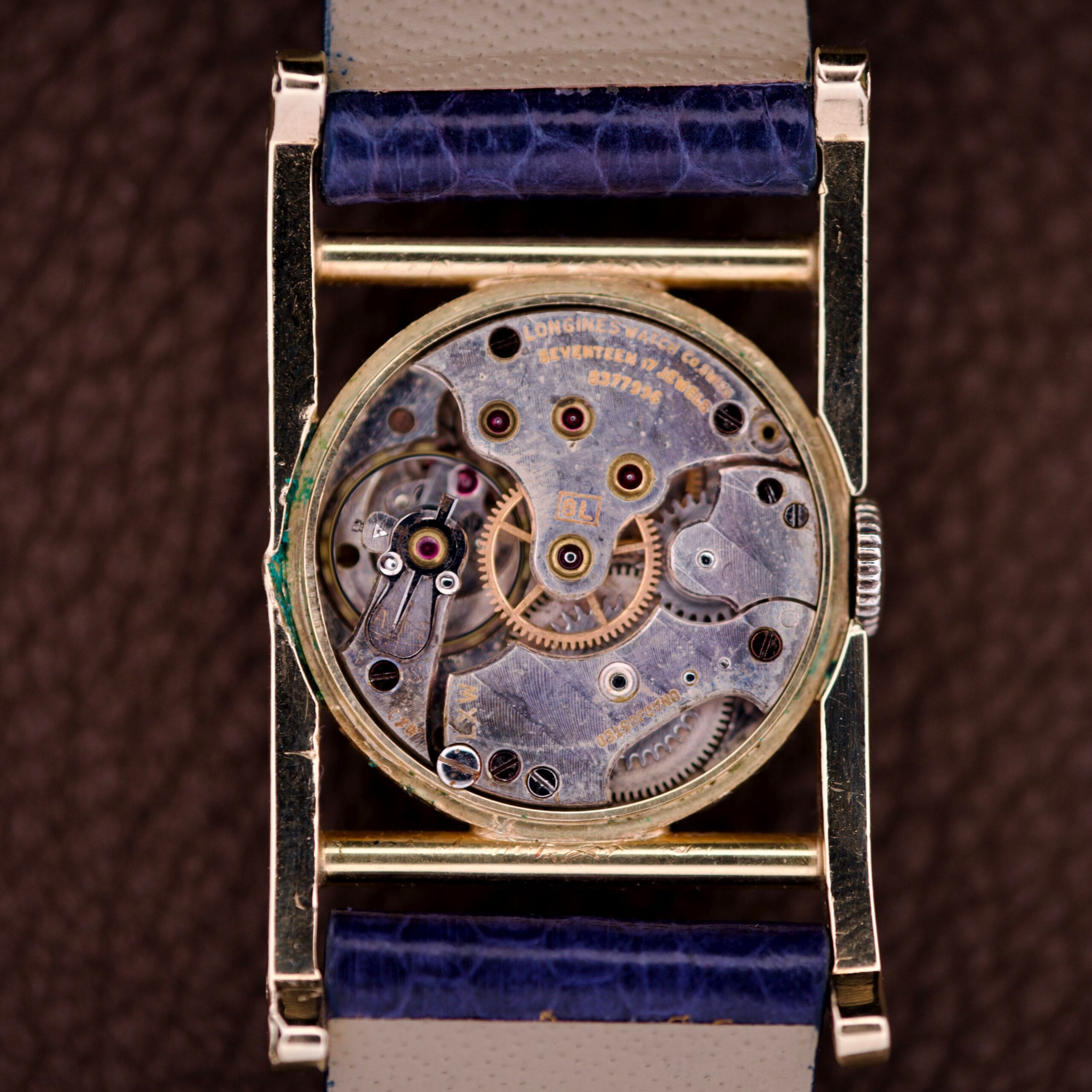
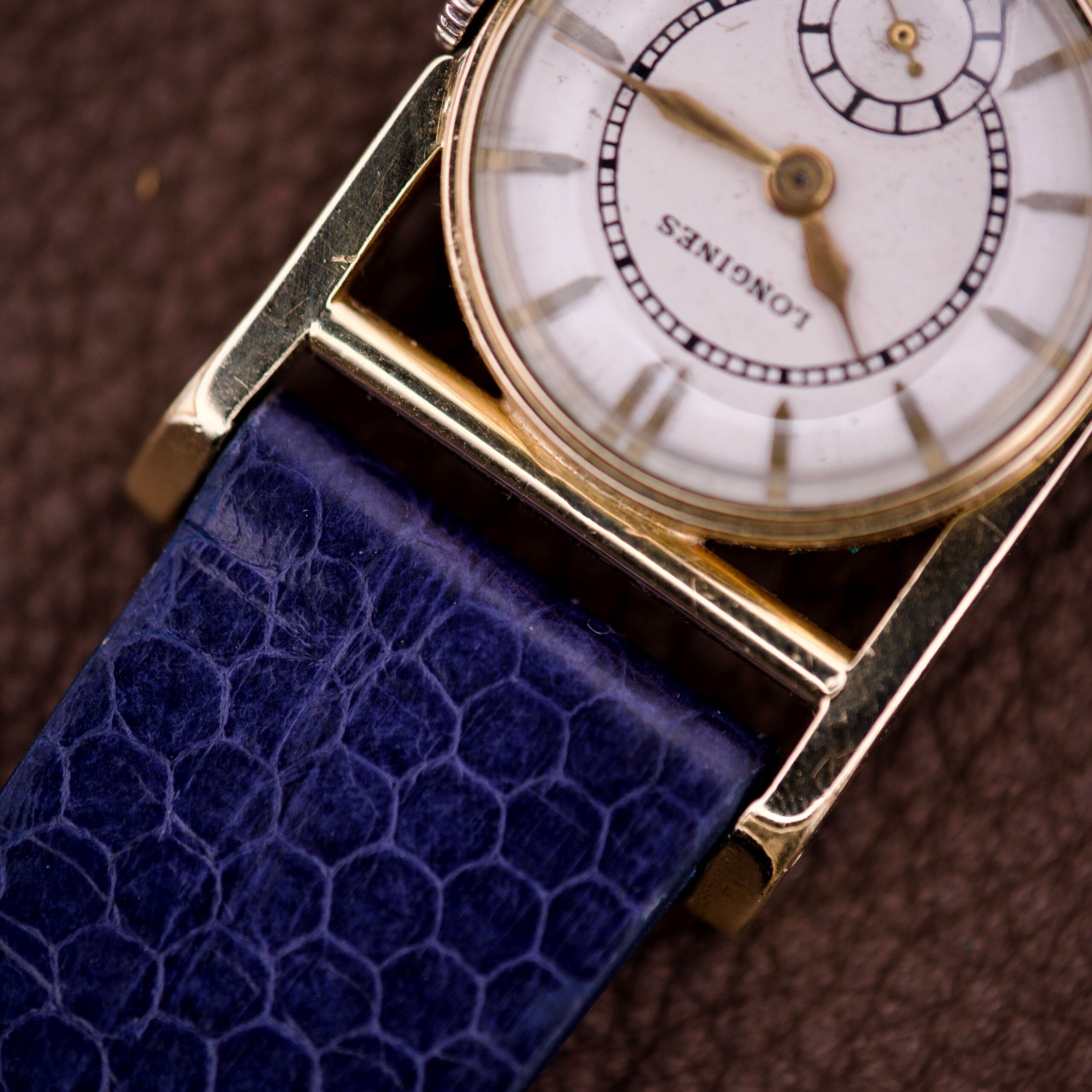

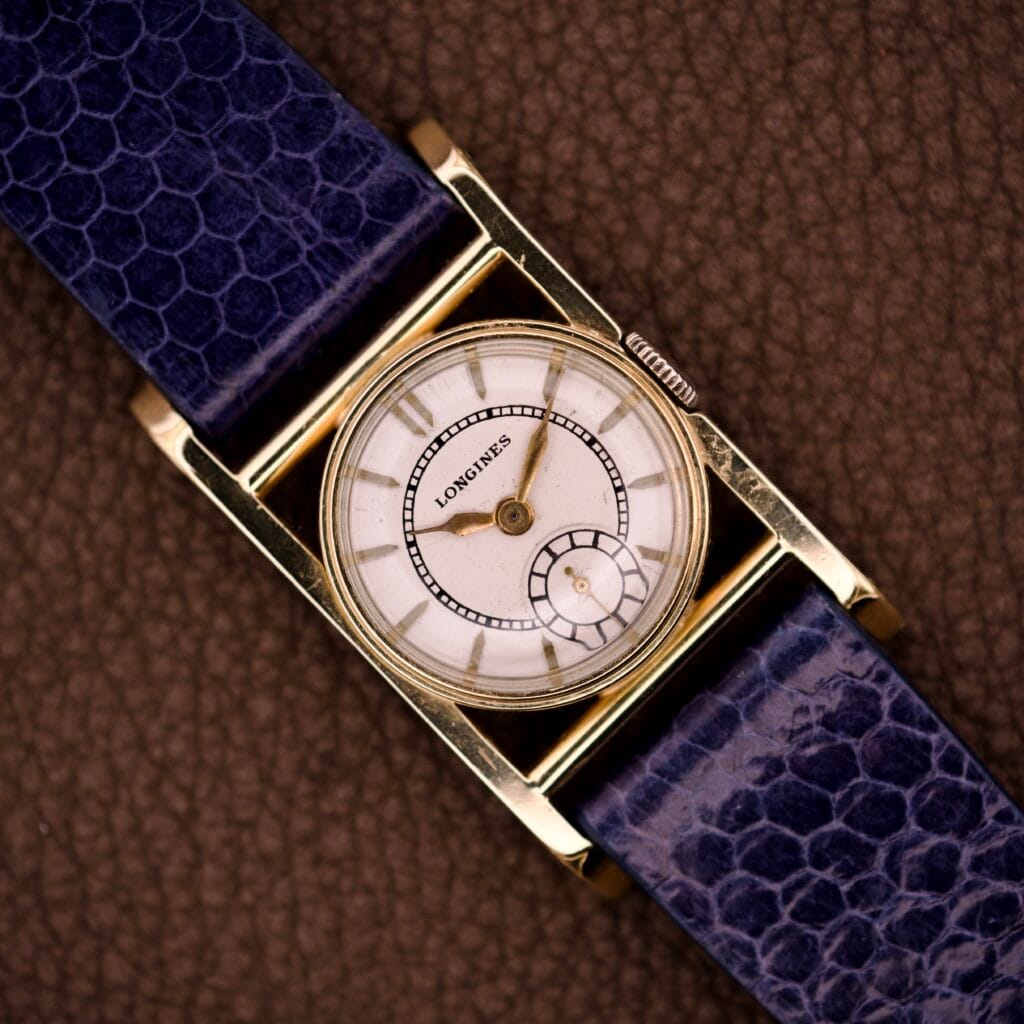
In the intersection of horology and automotive culture, the “Driver’s Watch” holds a special, romantic place. While modern racing watches are defined by tachymeters and chronographs, the driver’s watch of the 1930s and 40s was defined by something far more elegant: ergonomics. The Longines Mainliner is the definitive example of this genre. It was designed during the Art Deco peak, a time when streamlining was the obsession of the day, from locomotives to wristwatches. This isn’t just a timekeeper; it is a solution to a very specific problem of the golden age of motoring, how to check the time without taking your hand off the steering wheel.
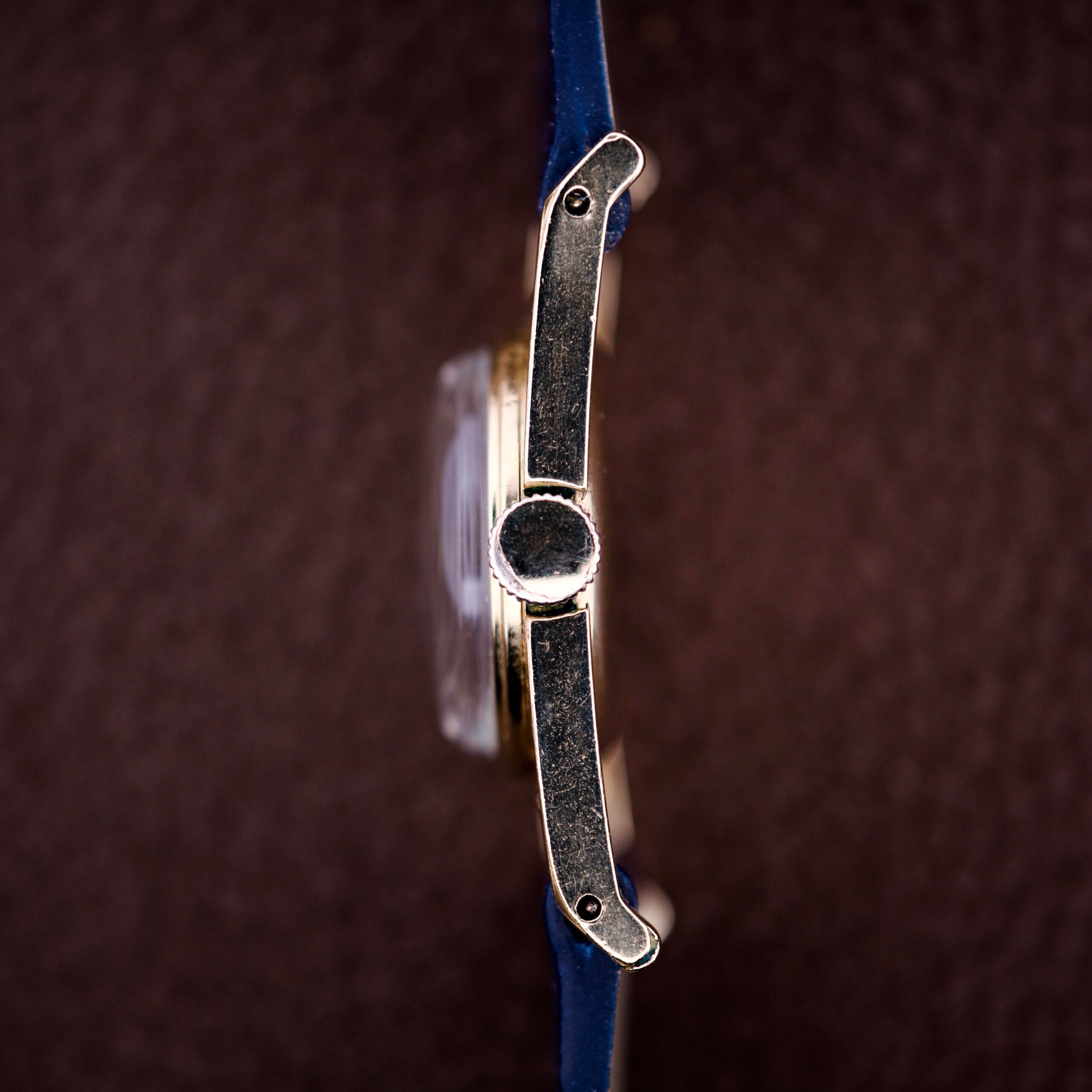
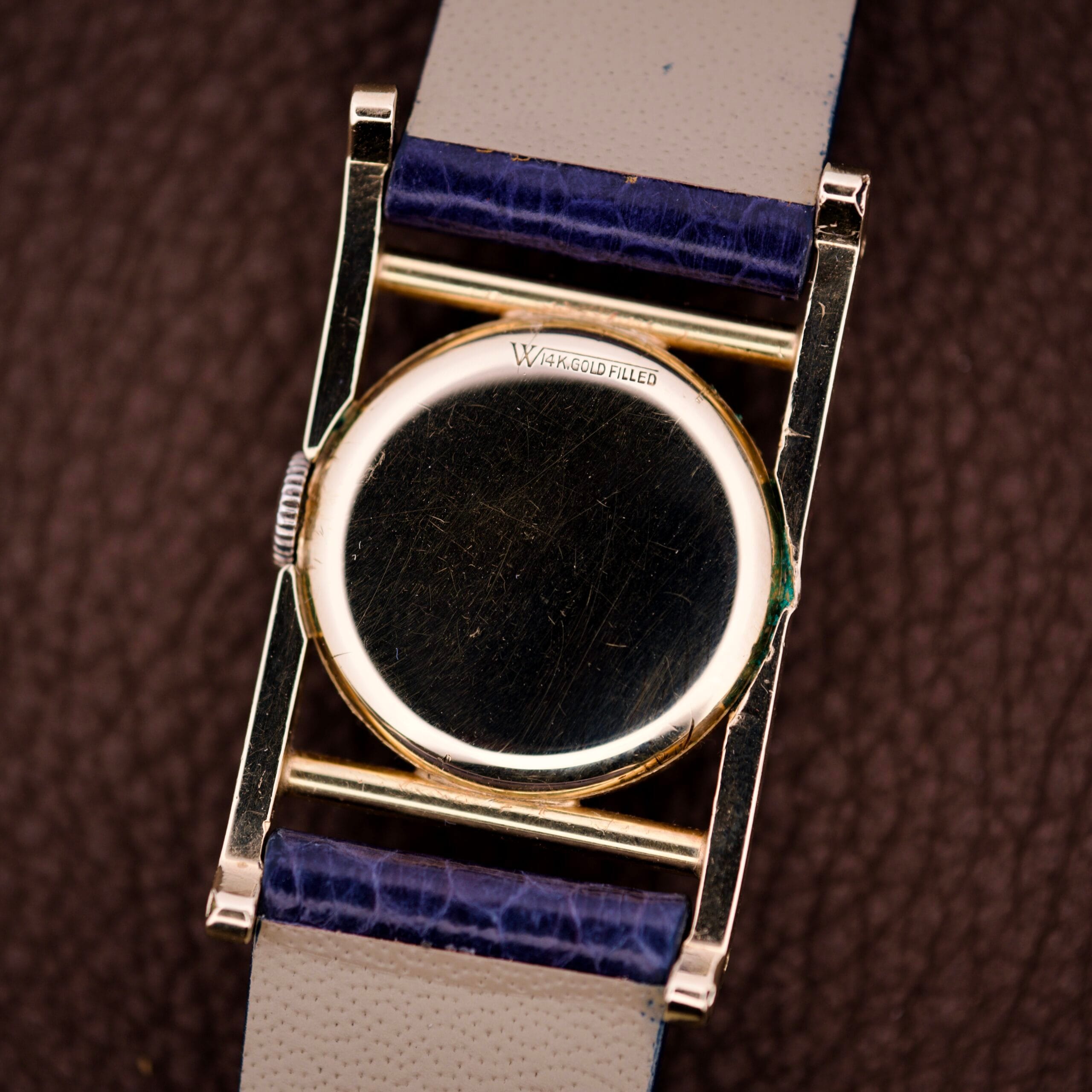
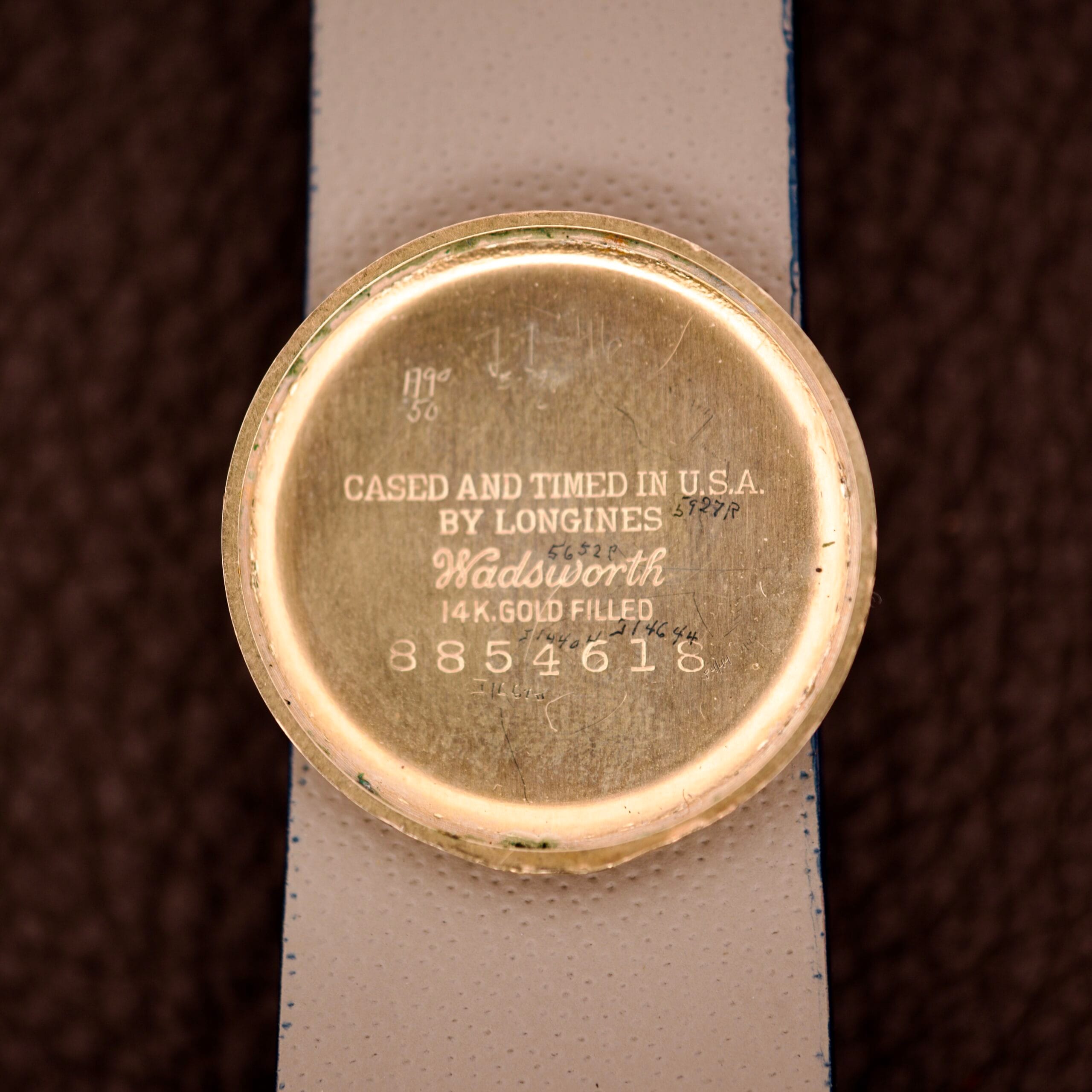
The genius of the Mainliner lies in its flexible lugs. Unlike standard fixed lugs, these are hinged, allowing the watch to be worn on the side of the wrist bone rather than the flat top. This meant that a driver gripping a large, wood-rimmed steering wheel could simply glance down to see the time, rather than turning their wrist. It is a feature that feels wildly inventive even today. Longines was arguably the most important watchmaker of this era, producing navigational instruments for Lindbergh and Weems, and the Mainliner carries that same DNA of functional purpose wrapped in beautiful design.
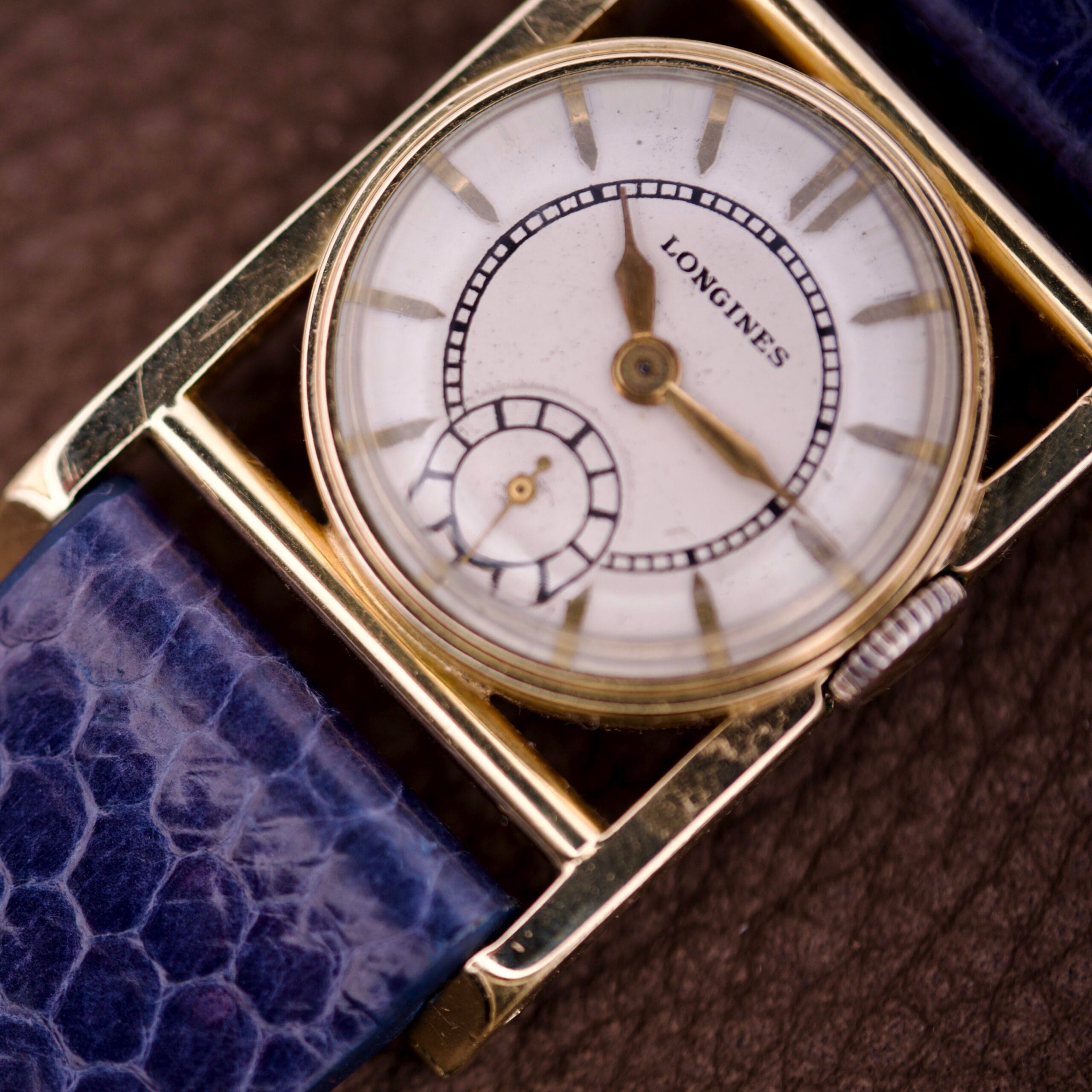
This specific example is powered by the Caliber 8L, a rectangular “form movement” that was shaped specifically to fit this case. In an era where many brands simply shoved small round movements into square cases, Longines built the engine to fit the chassis. The dial features the quintessential Art Deco font with applied numerals that have aged to a warm gold tone, matching the case. The architectural steps on the side of the case add to that skyscraper aesthetic that defined American luxury in the 1940s.
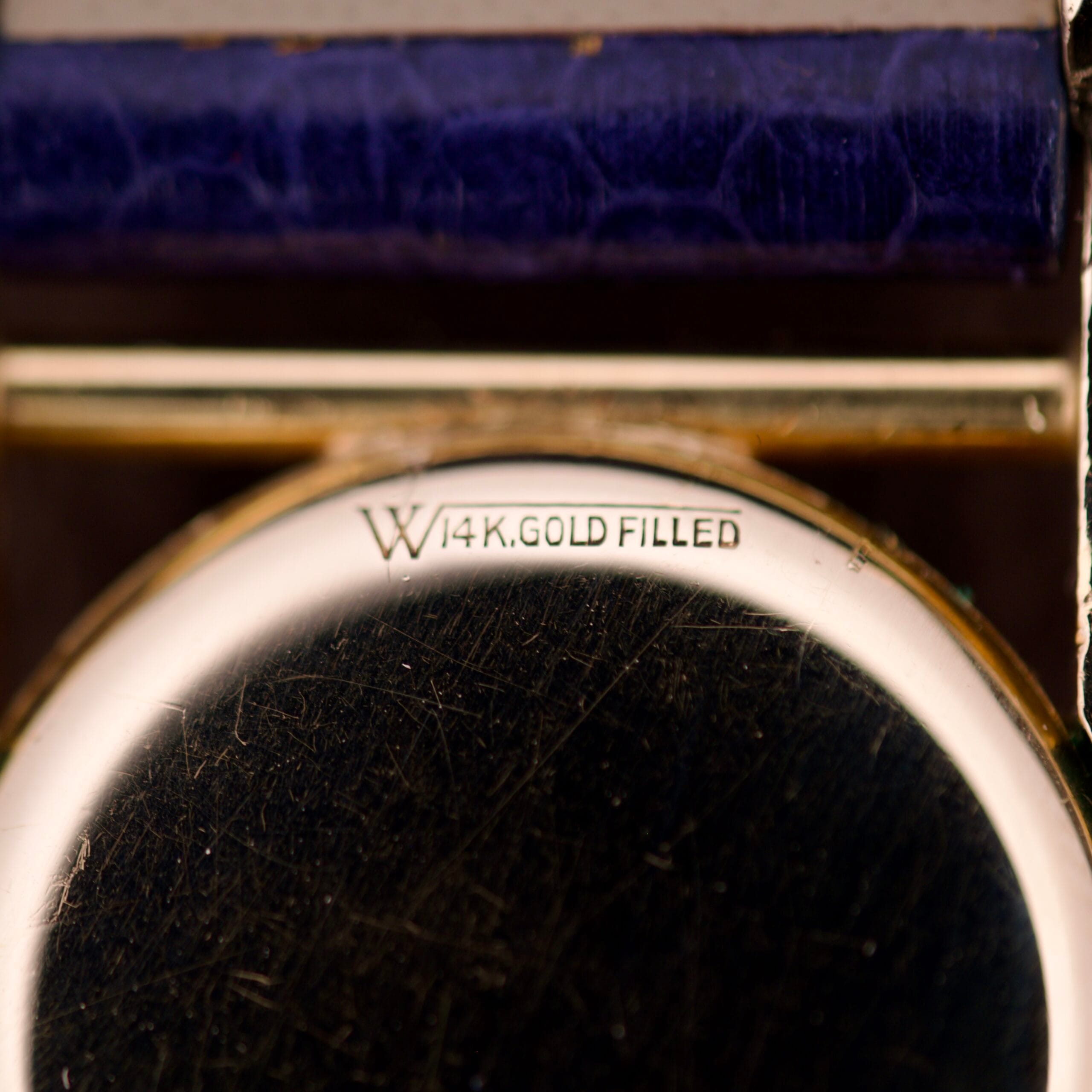
As with many “shaped” watches of this vintage, the condition is a testament to its journey. The gold-filled case shows the honest wear of a watch that was likely worn daily, perhaps behind the wheel of a Packard or a Buick. The flexible lug mechanism is still functional, retaining the snap and articulation that makes this model so desirable. The dial has developed a soft, even patina that gives it the look of old parchment, enhancing the vintage character.