
While the Omega Speedmaster lays claim to the lunar surface, the Bulova Accutron Astronaut owns the stratosphere. In our opinion, this is arguably the most culturally and technologically significant pilot’s watch of the 1960s. Before the quartz revolution fully took hold, the Accutron was the pinnacle of high-tech precision, representing a quantum leap away from the balance wheels of the past. It wasn’t just a watch; it was a piece of avionics worn on the wrist, serving as the preferred timekeeper for the CIA’s A-12 Oxcart pilots and the daredevils of the X-15 rocket plane program.
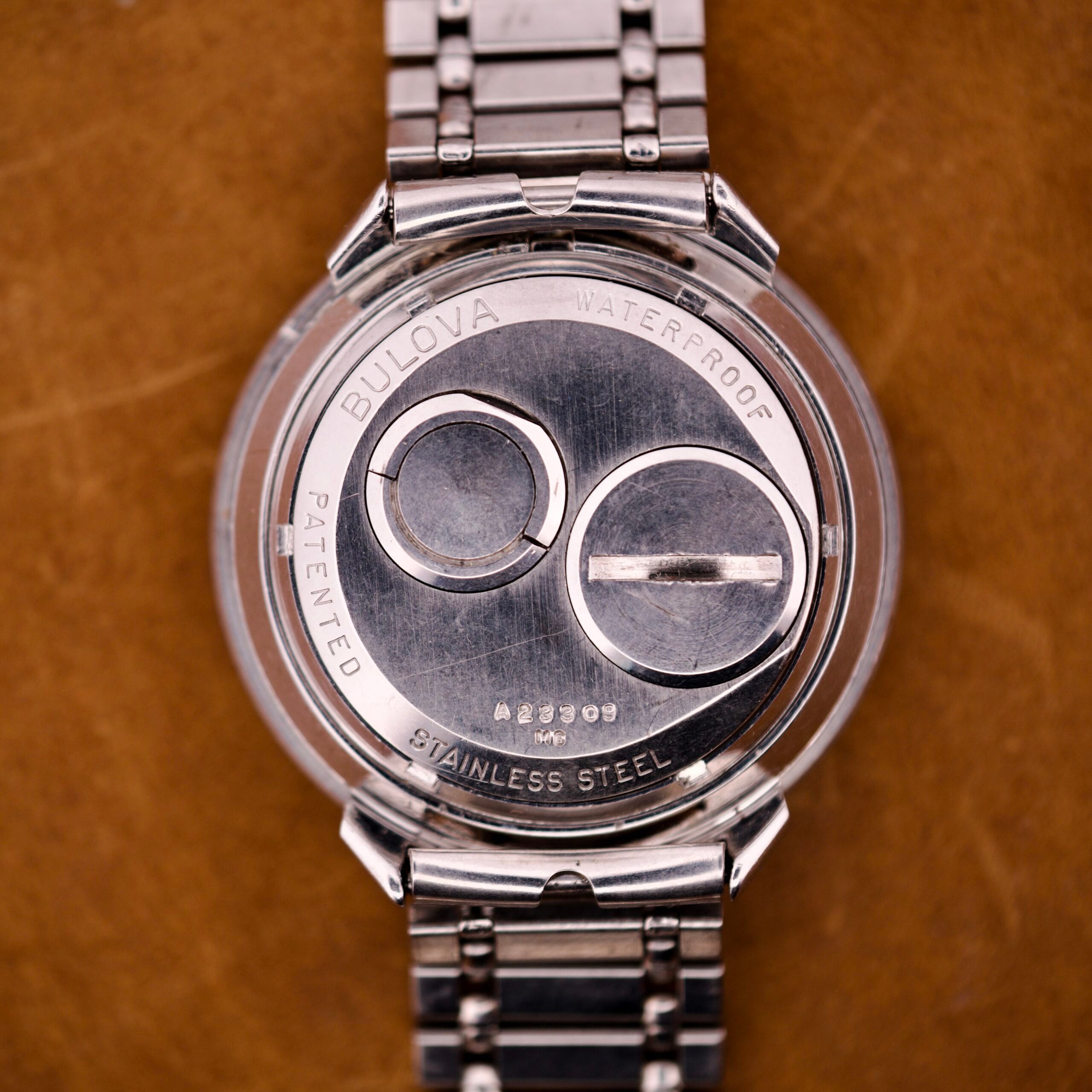
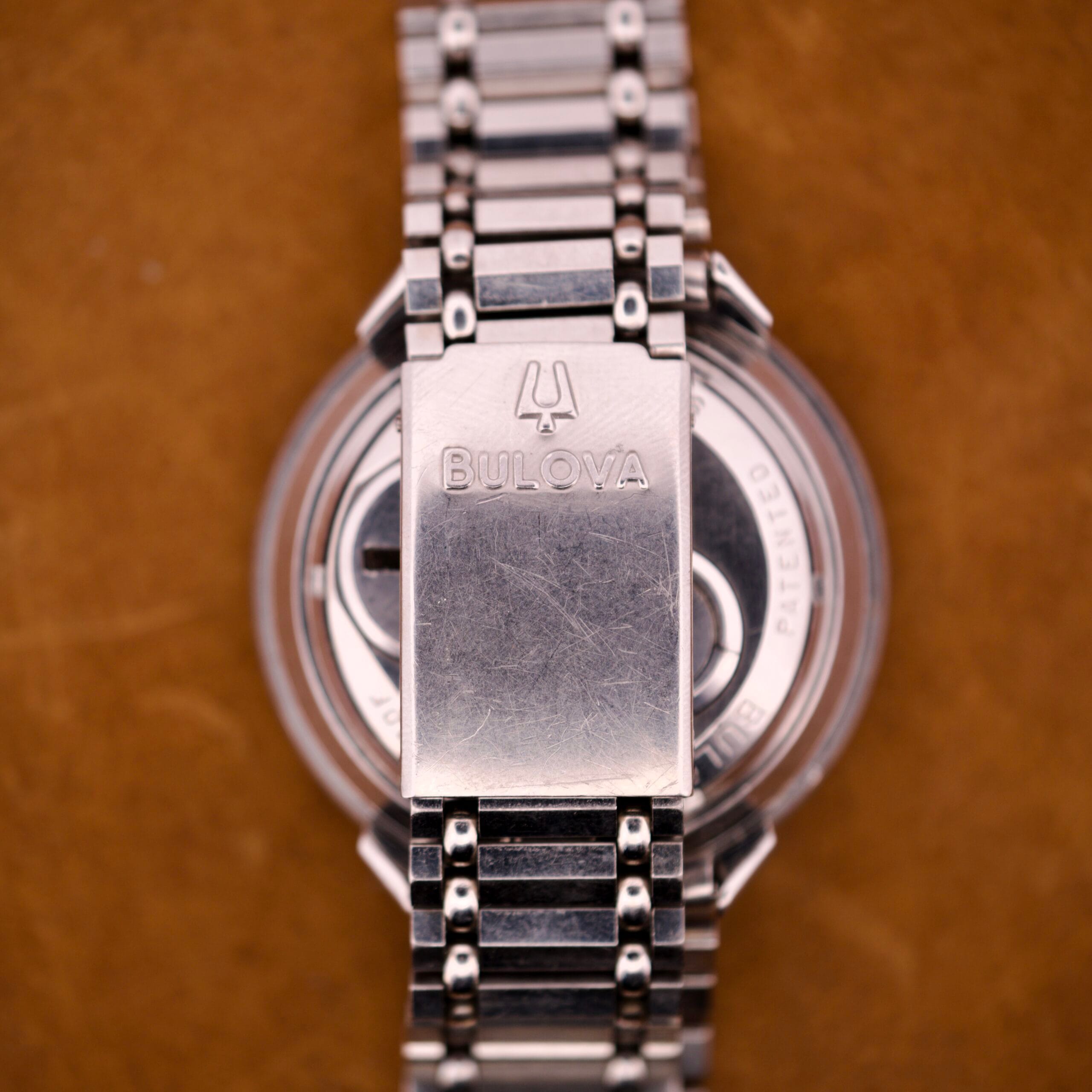
The technology inside this watch is legendary. Released in 1960, the Caliber 214 utilizes a tuning fork vibrating at 360 times per second to drive the gear train. This high frequency allowed it to withstand the extreme G-forces and temperature fluctuations of high-altitude flight that would often cause standard mechanical movements to fail. The design reflects this futuristic capability: the absence of a traditional crown (the time is set via a flip-up tab on the caseback) gives the stainless steel case a perfectly symmetrical, saucer-like silhouette that feels aerodynamic and decidedly “Space Age.”
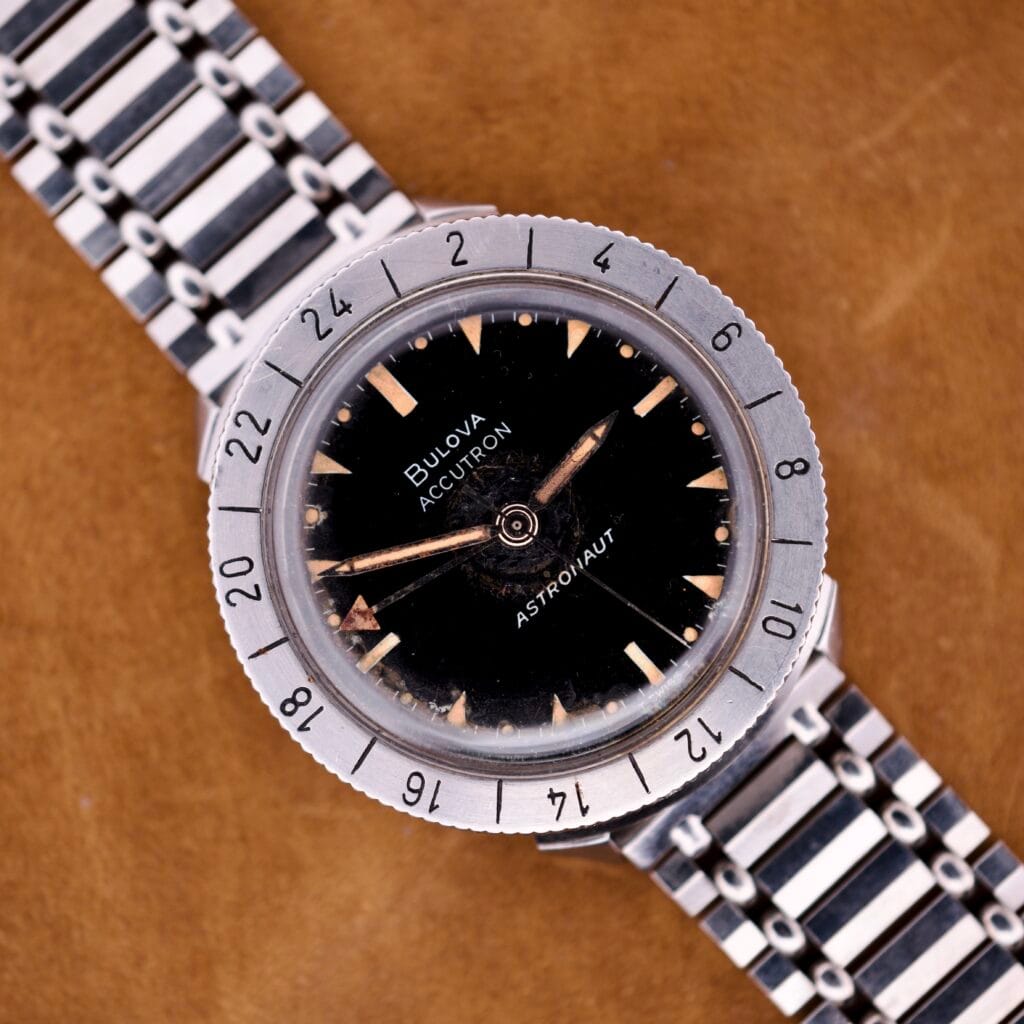
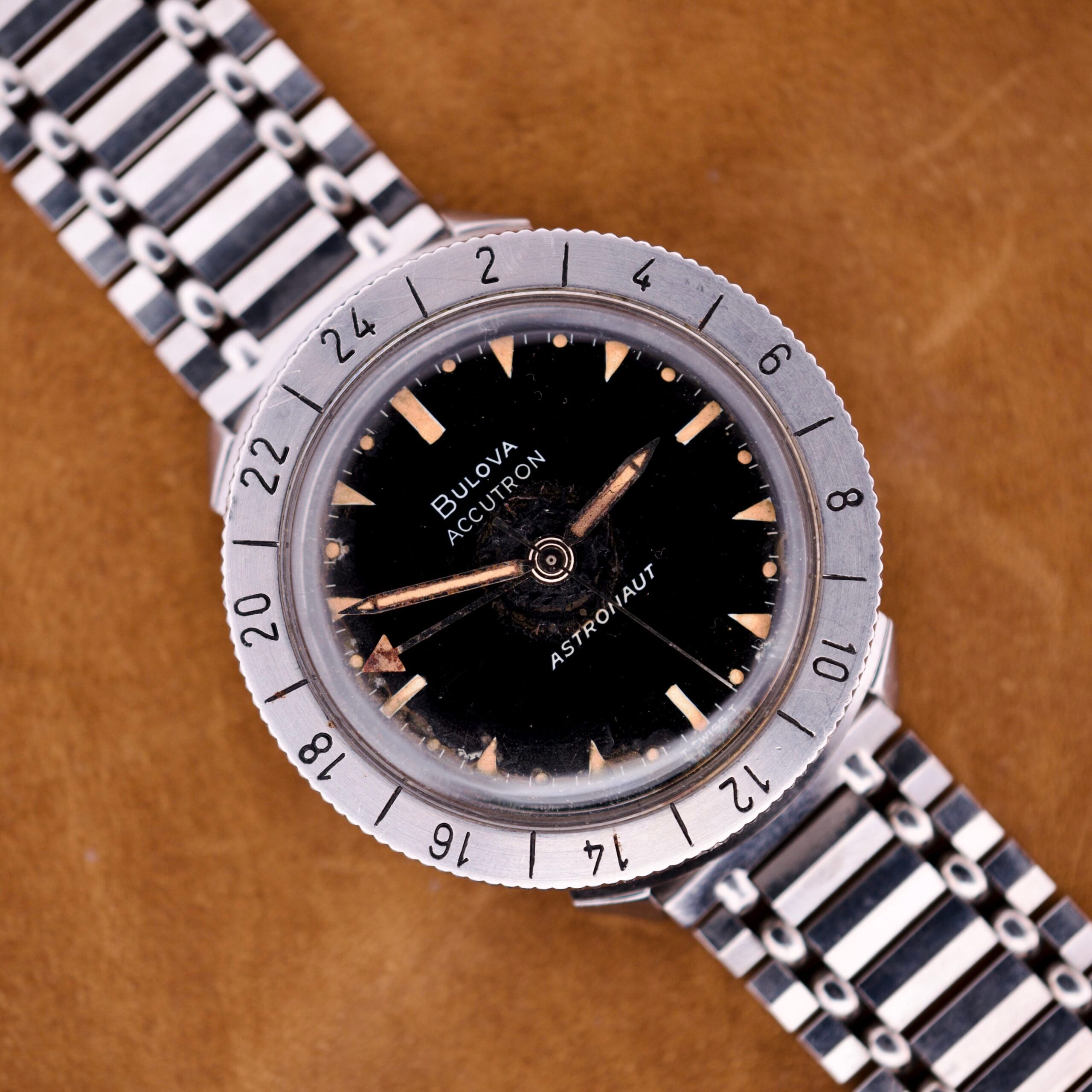
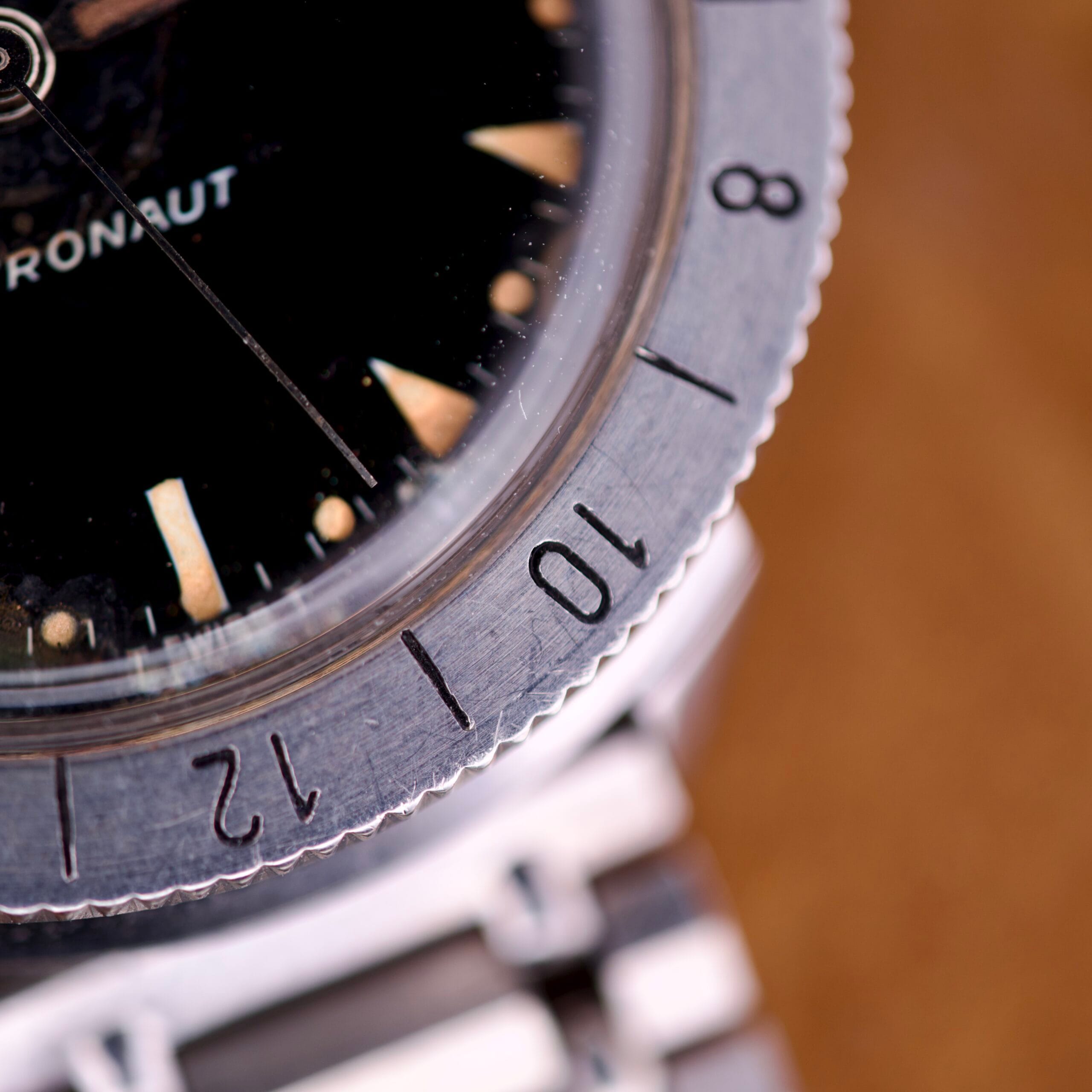
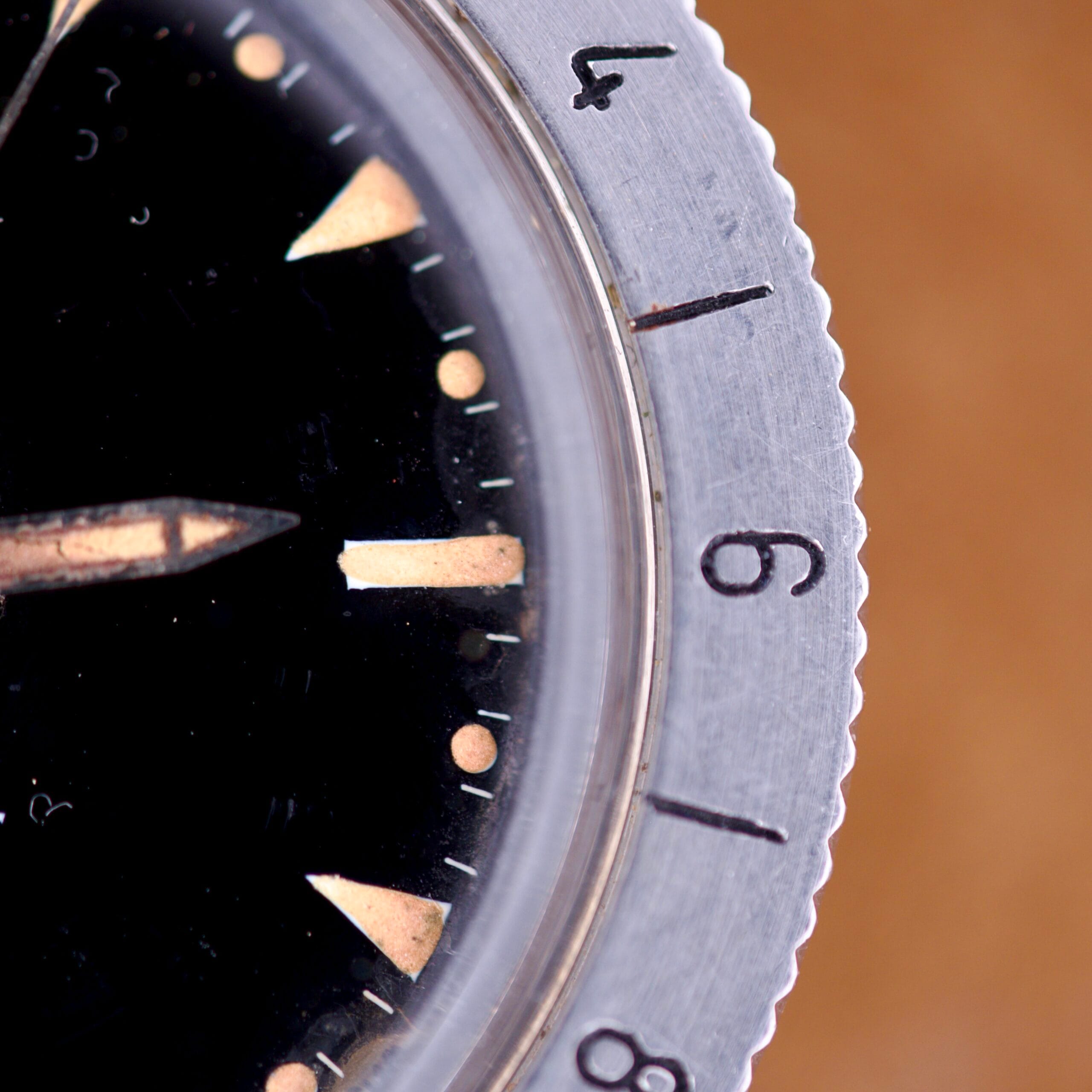
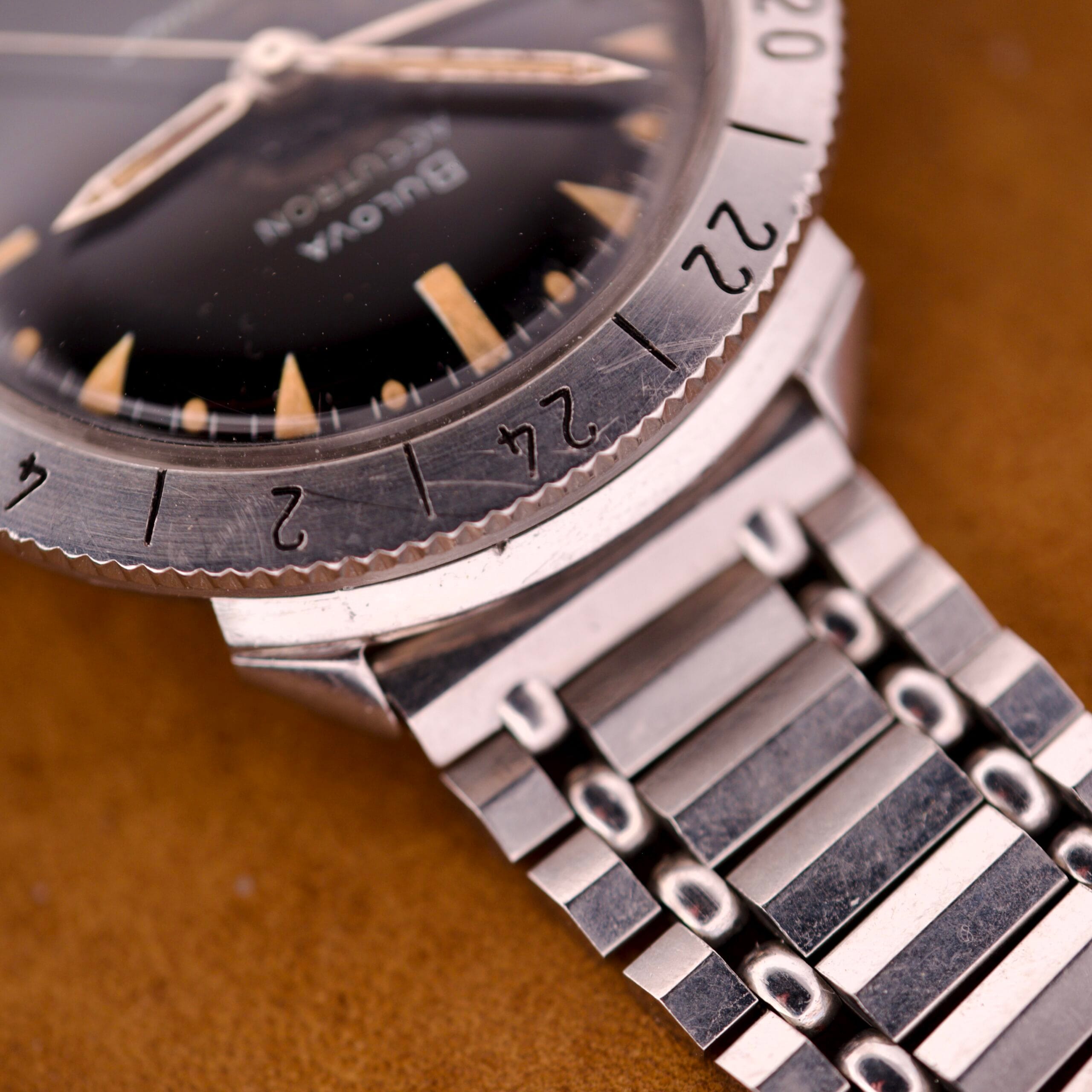
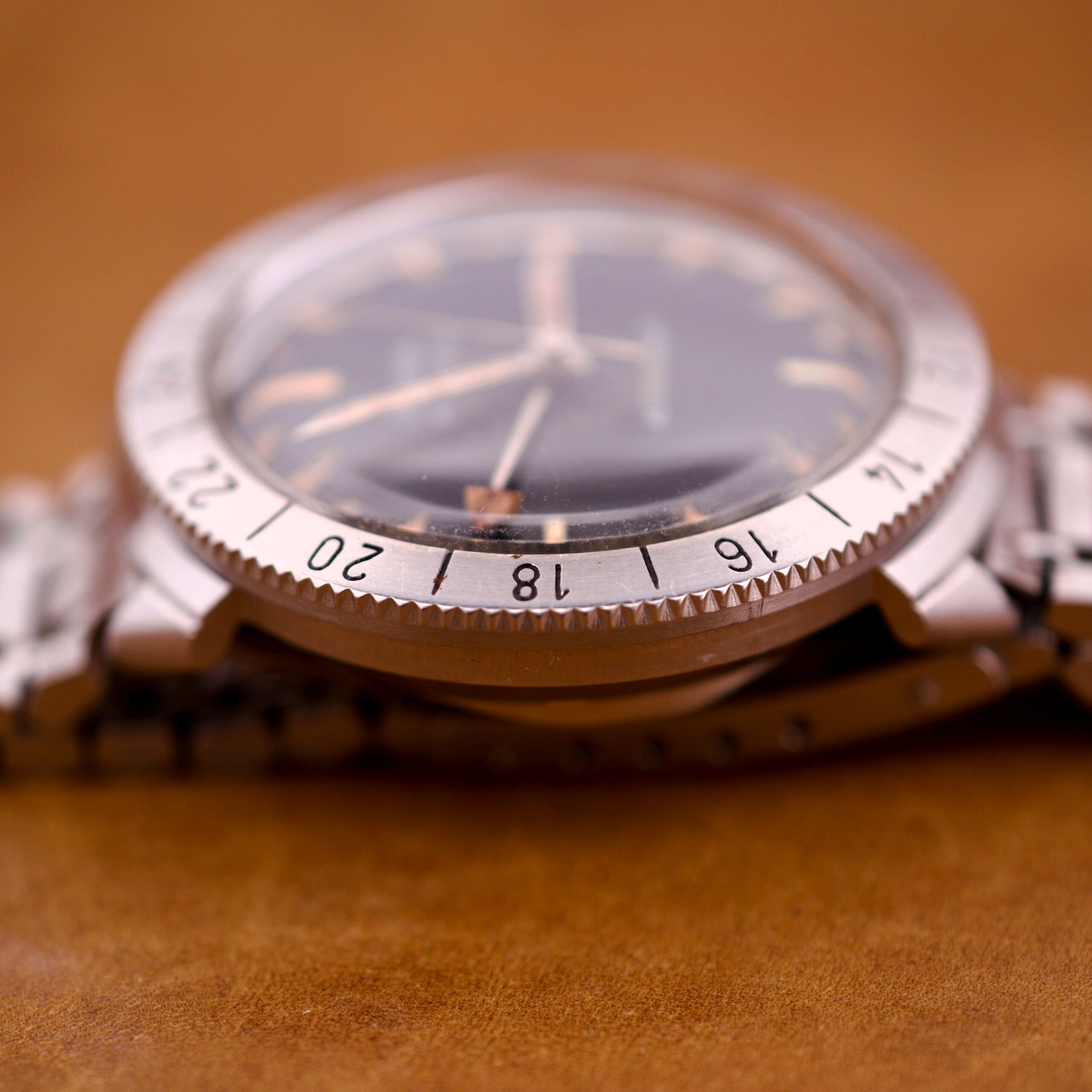
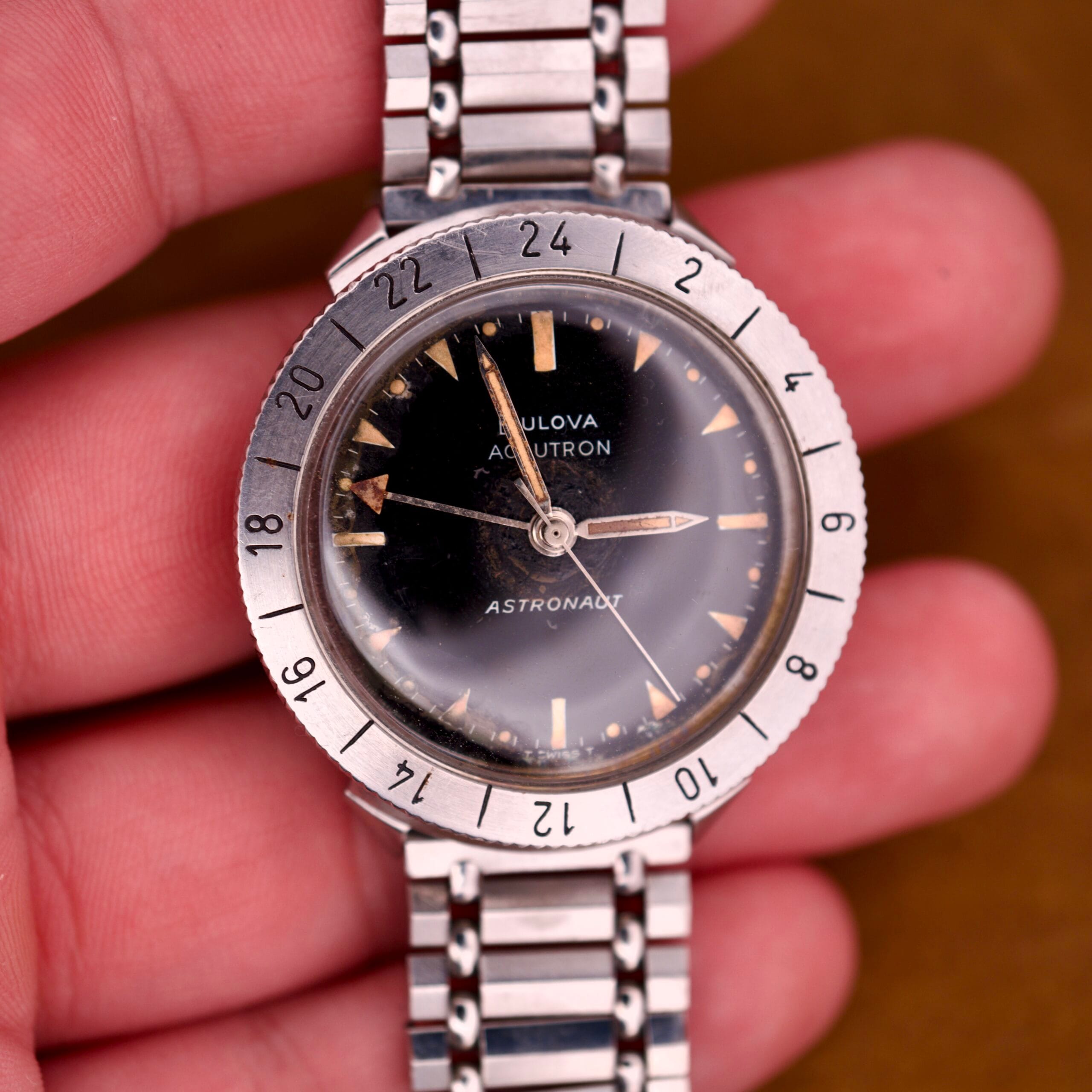
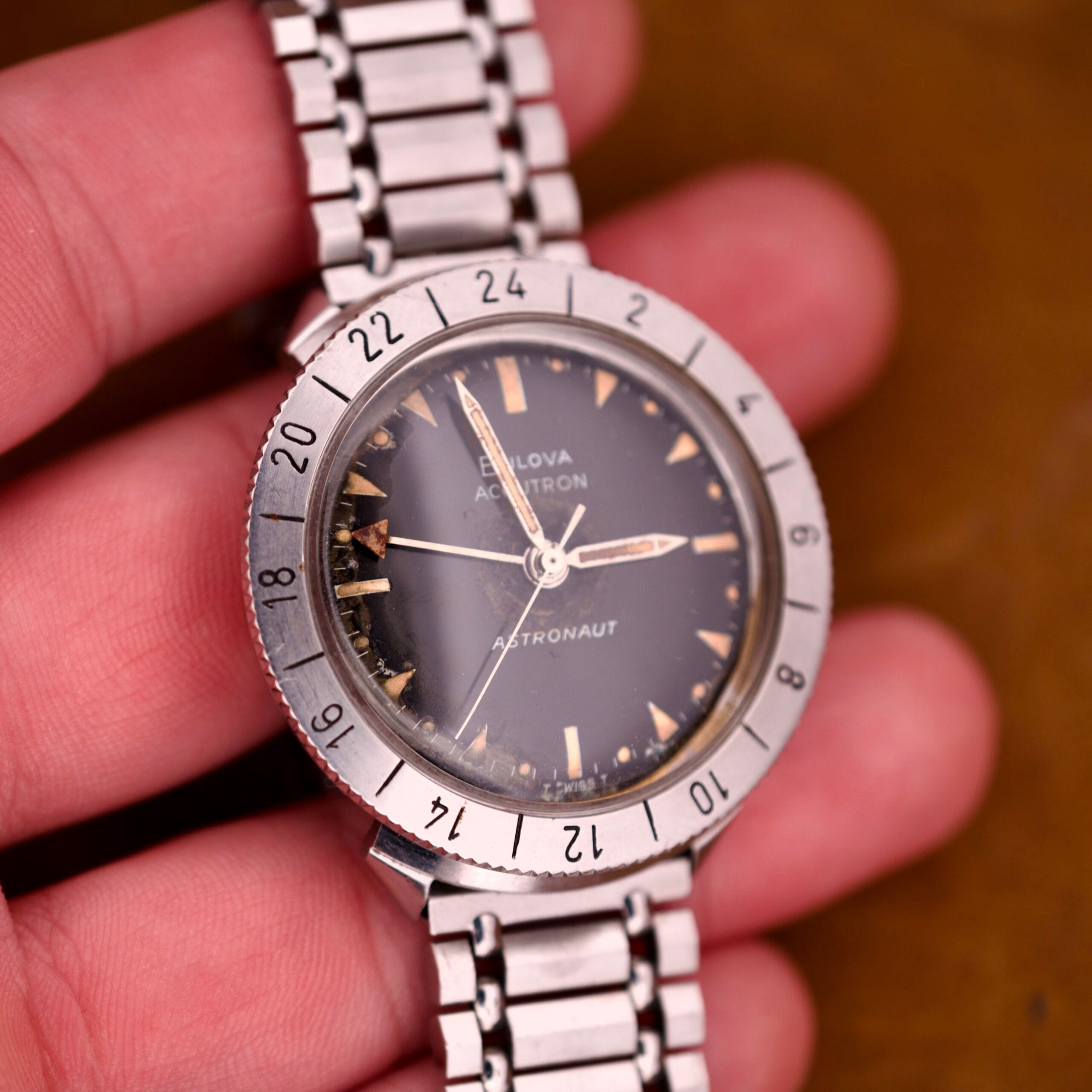
This particular example features the classic matte black dial configuration, offering stark legibility against the luminous markers and hands. The functionality is purely professional: the fourth hand (GMT hand) points to the 24-hour time on the rotating bezel, allowing a pilot to track “Zulu” time or a second time zone with a simple turn of the bezel. The geometry of the lugs is sharp and angular, providing a robust presence on the wrist that belies its moderate 38mm diameter.
As with any vintage tool watch, condition is part of the story. This Accutron shows the honest signs of a life well-lived, with the stainless steel case retaining its distinct lines. The dial remains deep and clean, while the luminous material on the hands and markers has aged to a charming, warm patina, adding character to the instrument-like face. Most importantly, the watch retains its voice, a faint mesmerizing hum of the tuning fork that reminds you this is a living piece of engineering history.