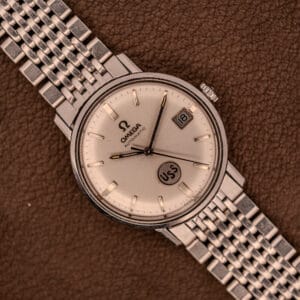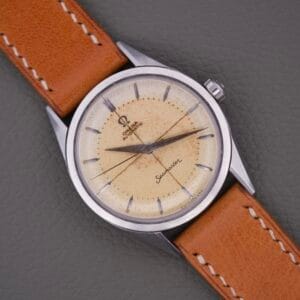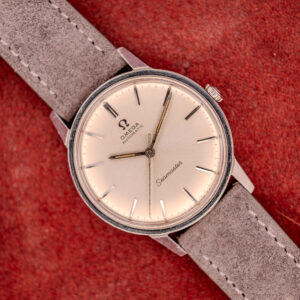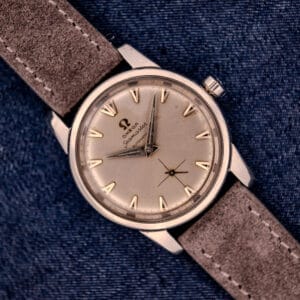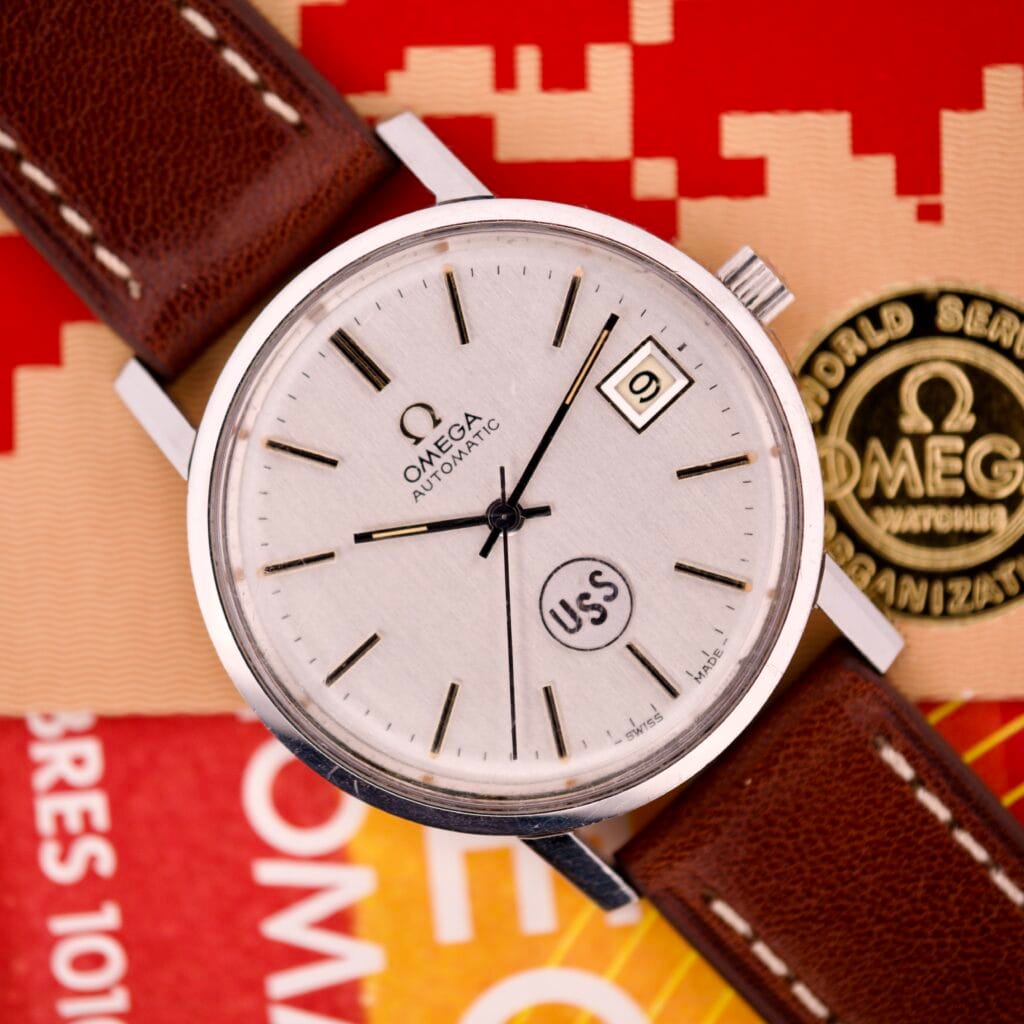

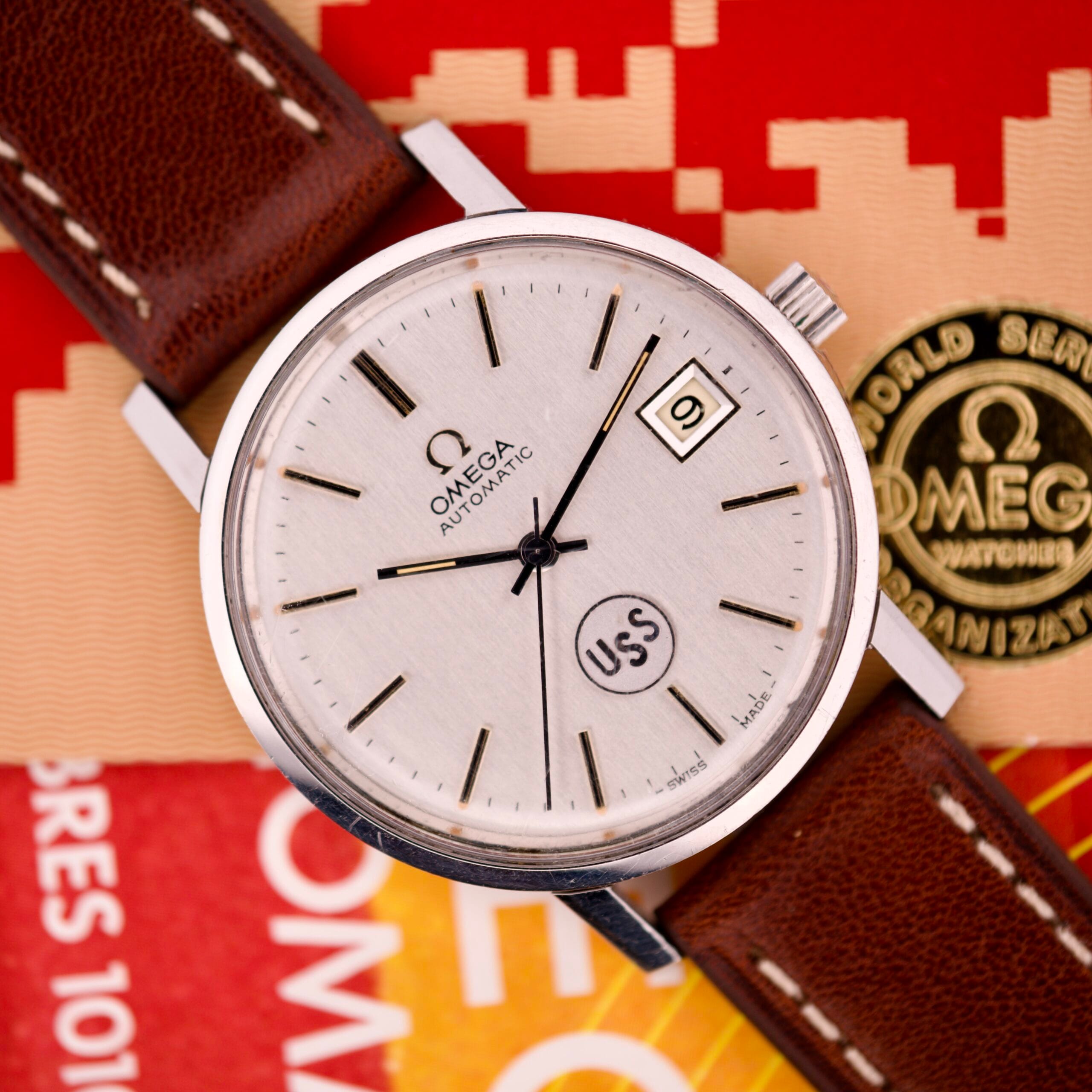
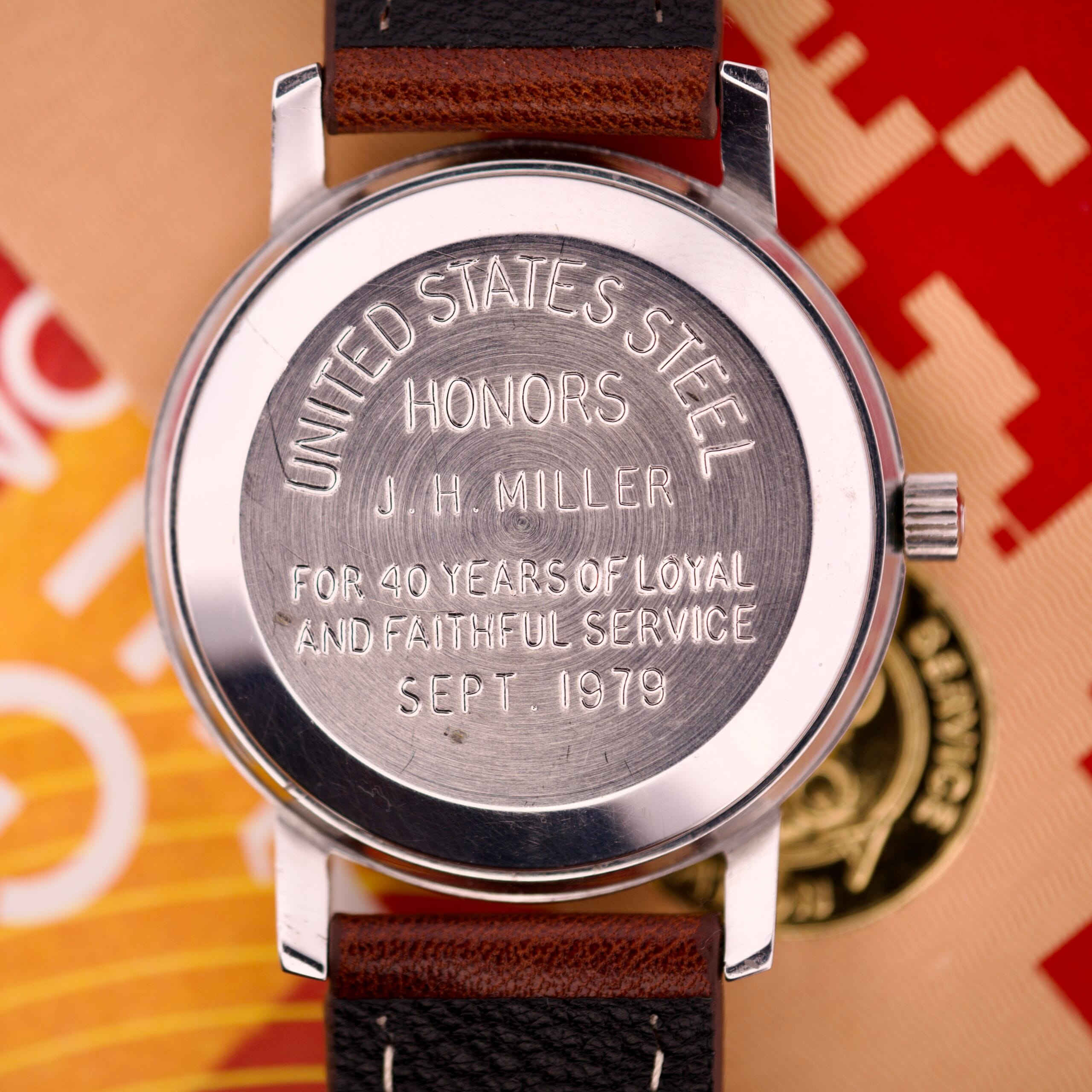
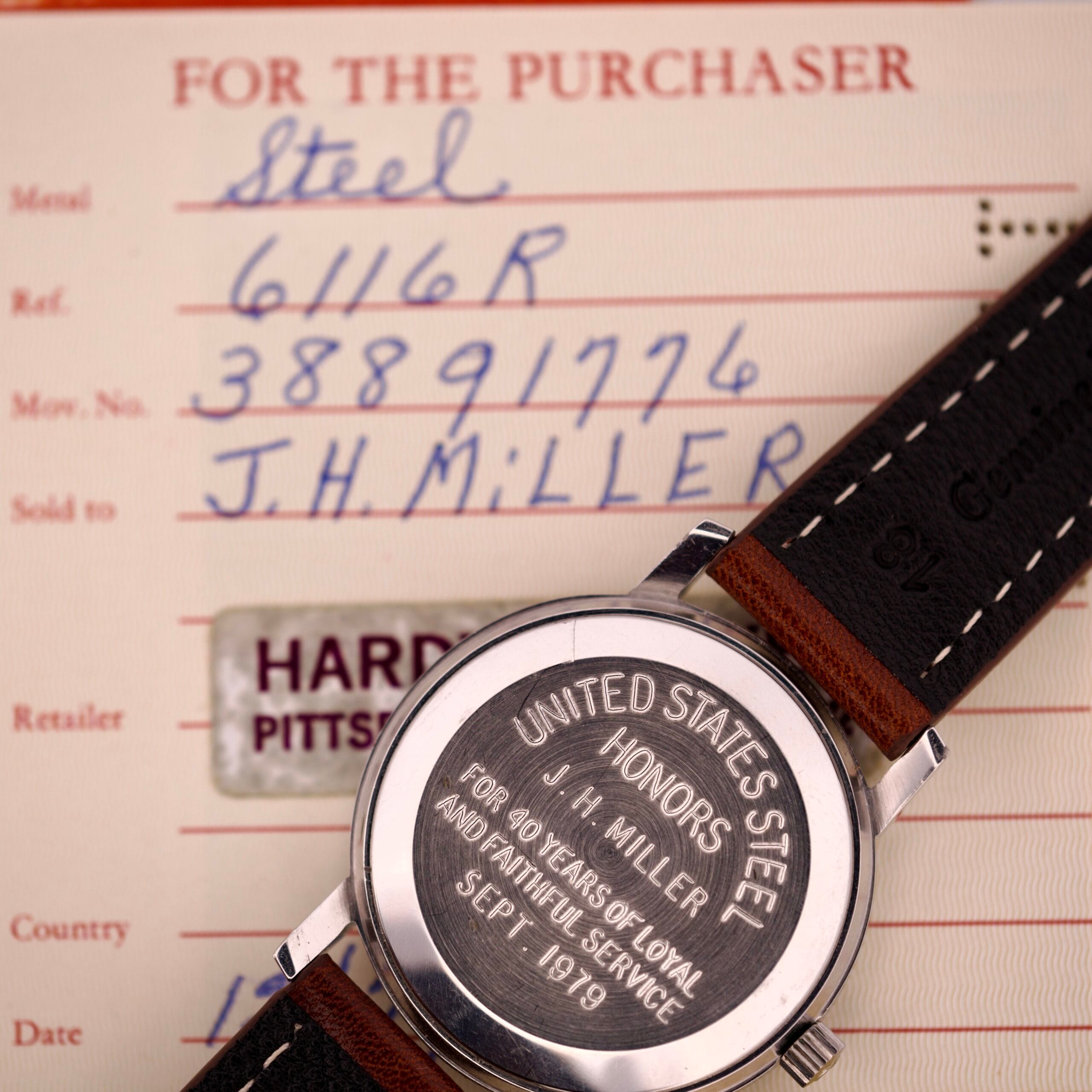
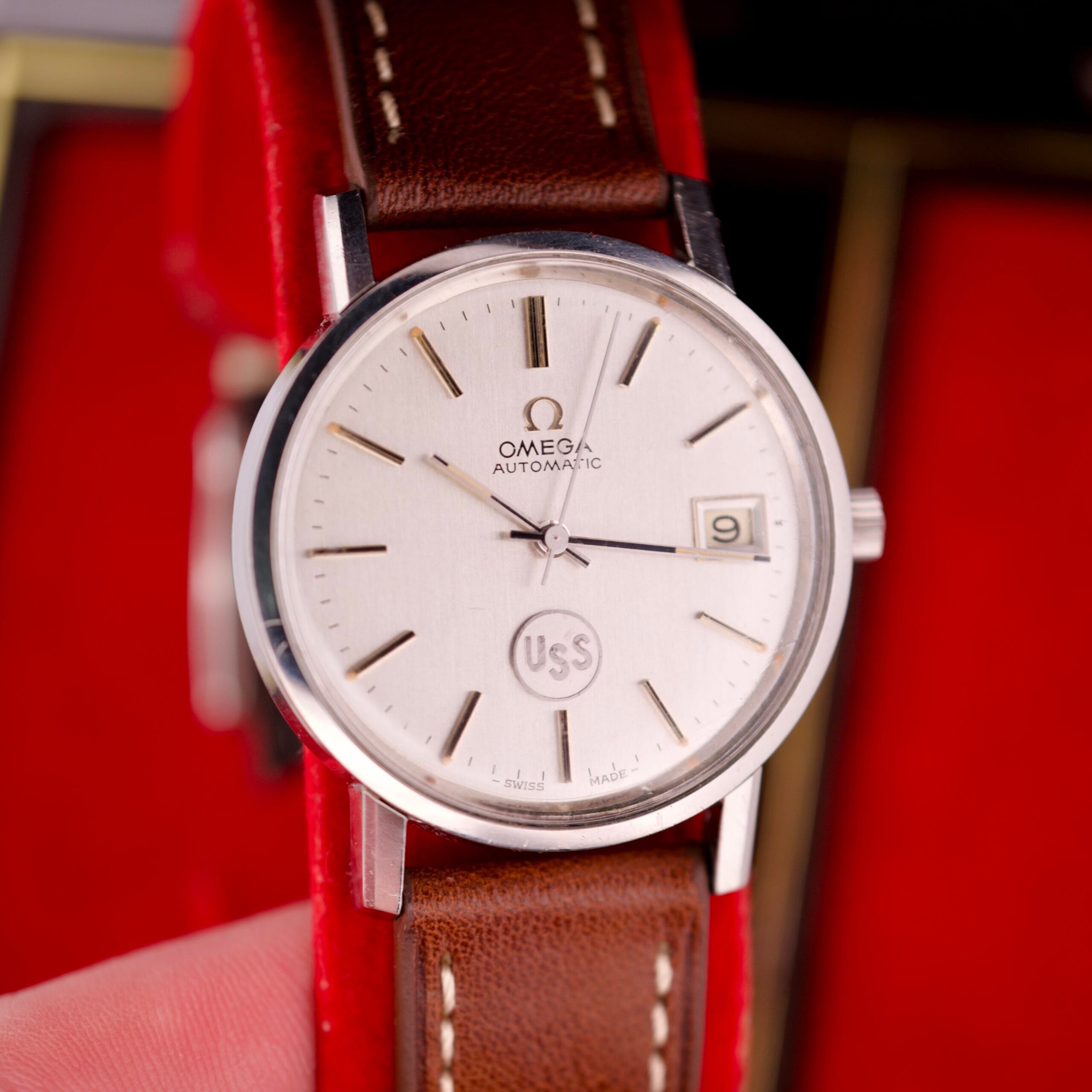
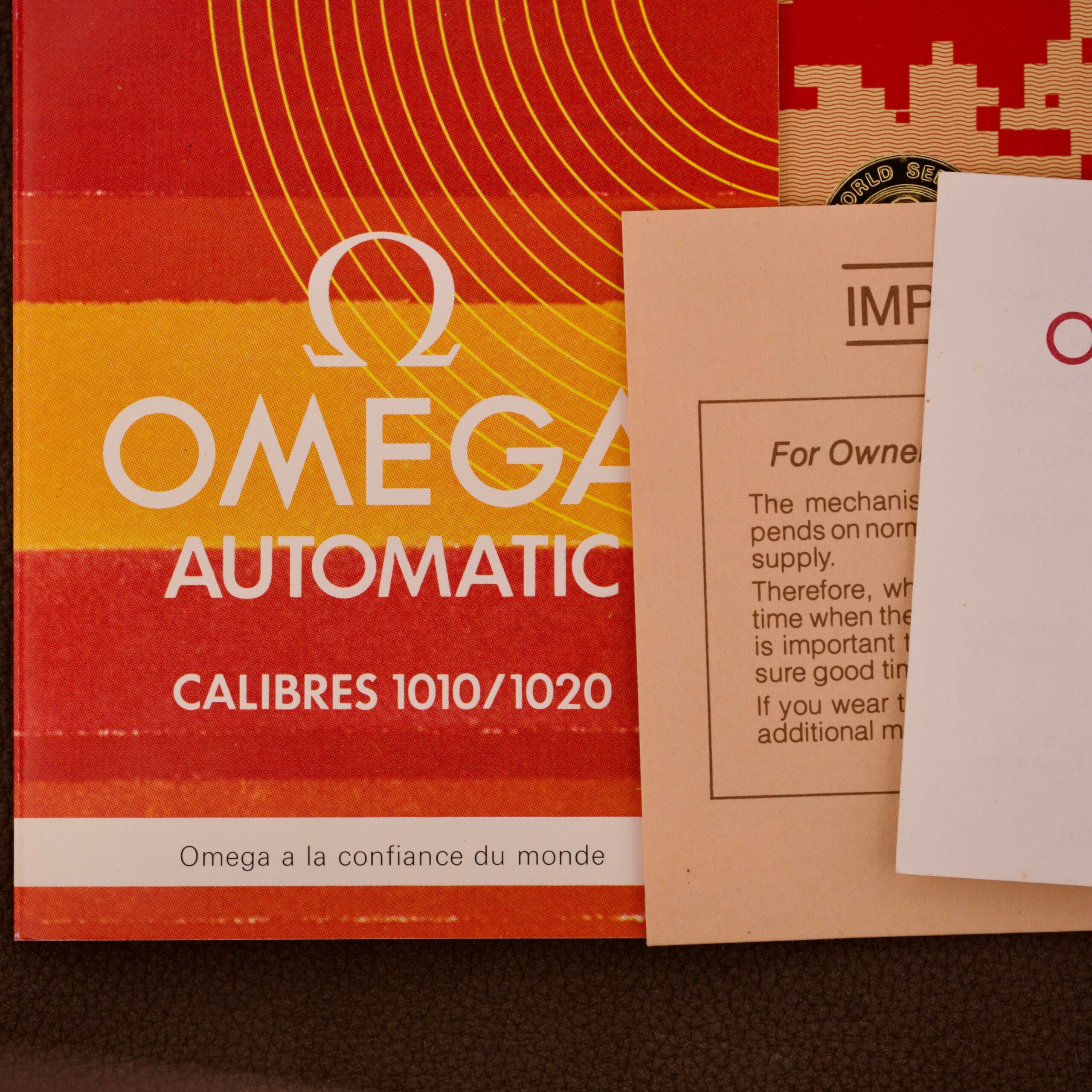

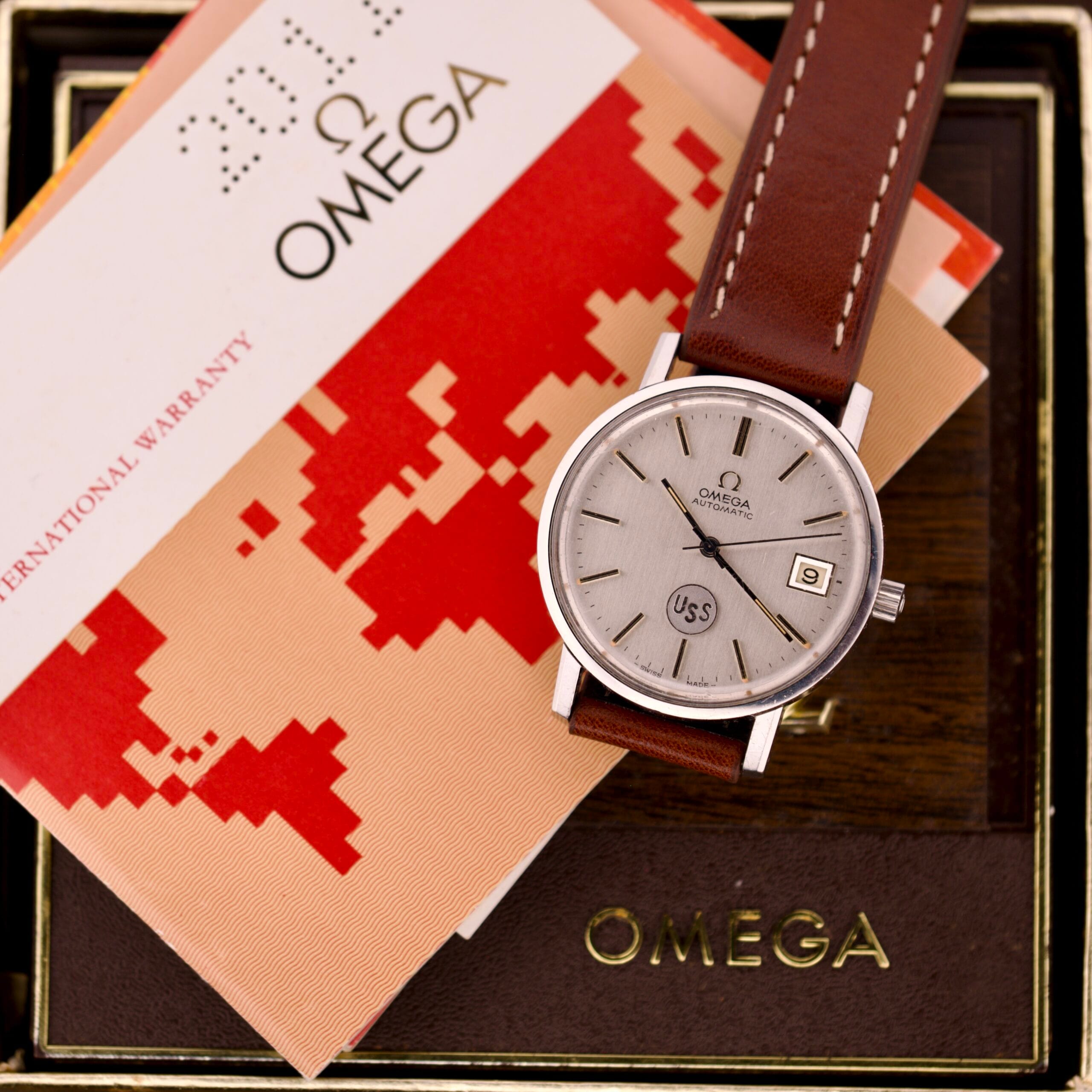
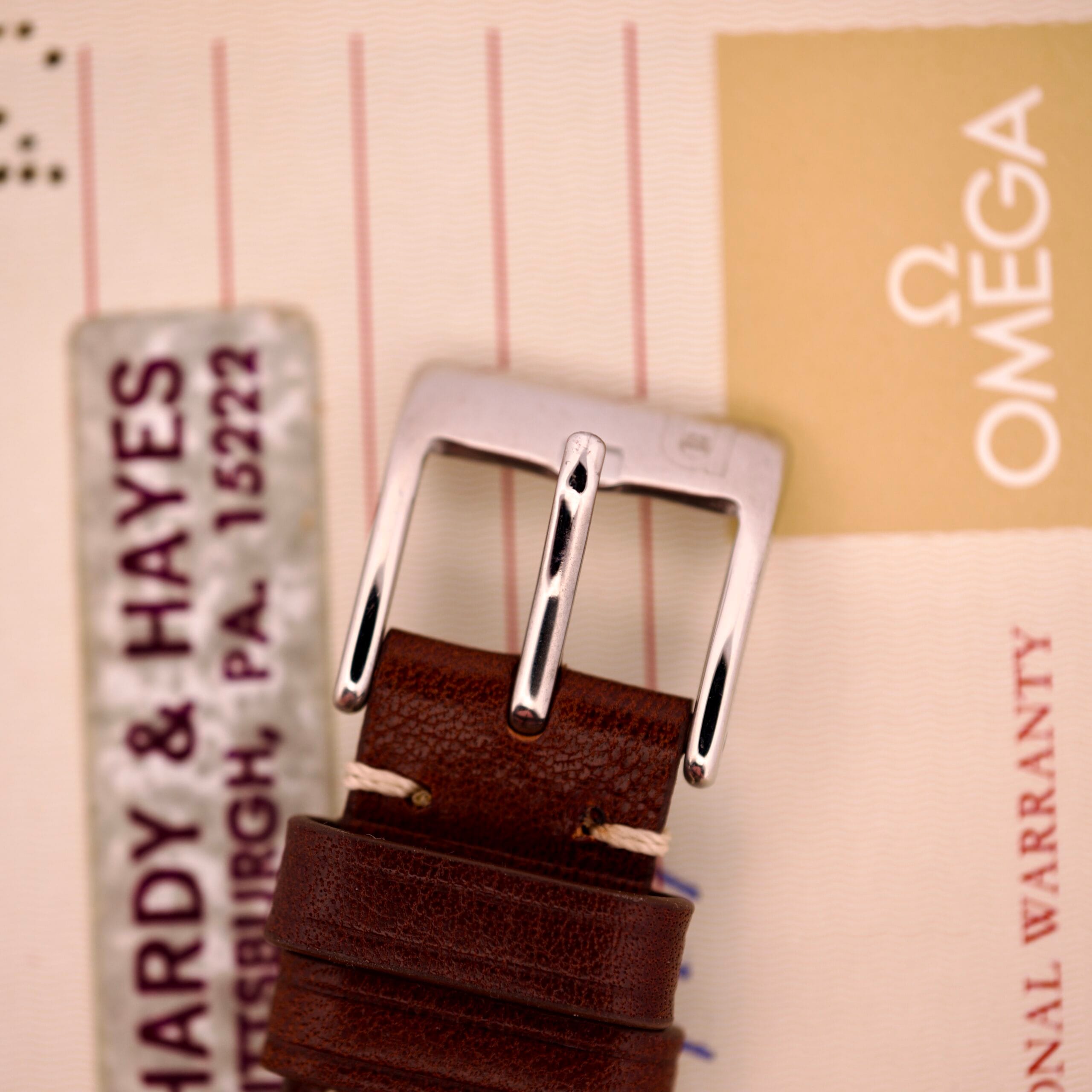
There is a specific niche in vintage collecting that bridges the gap between horology and industrial history: the corporate presentation watch. While the cliché is the “gold watch for retirement,” companies like U.S. Steel often commissioned high-grade Swiss timepieces to honor long-standing employees. This Seamaster is a tangible artifact of that era, the mid-20th century “Company Man” culture, where loyalty was reciprocated with a tool of precision. To find one of these corporate-branded pieces is rare; to find one with its original box and papers is a true anomaly that elevates it from a cool vintage watch to a documented piece of Americana.
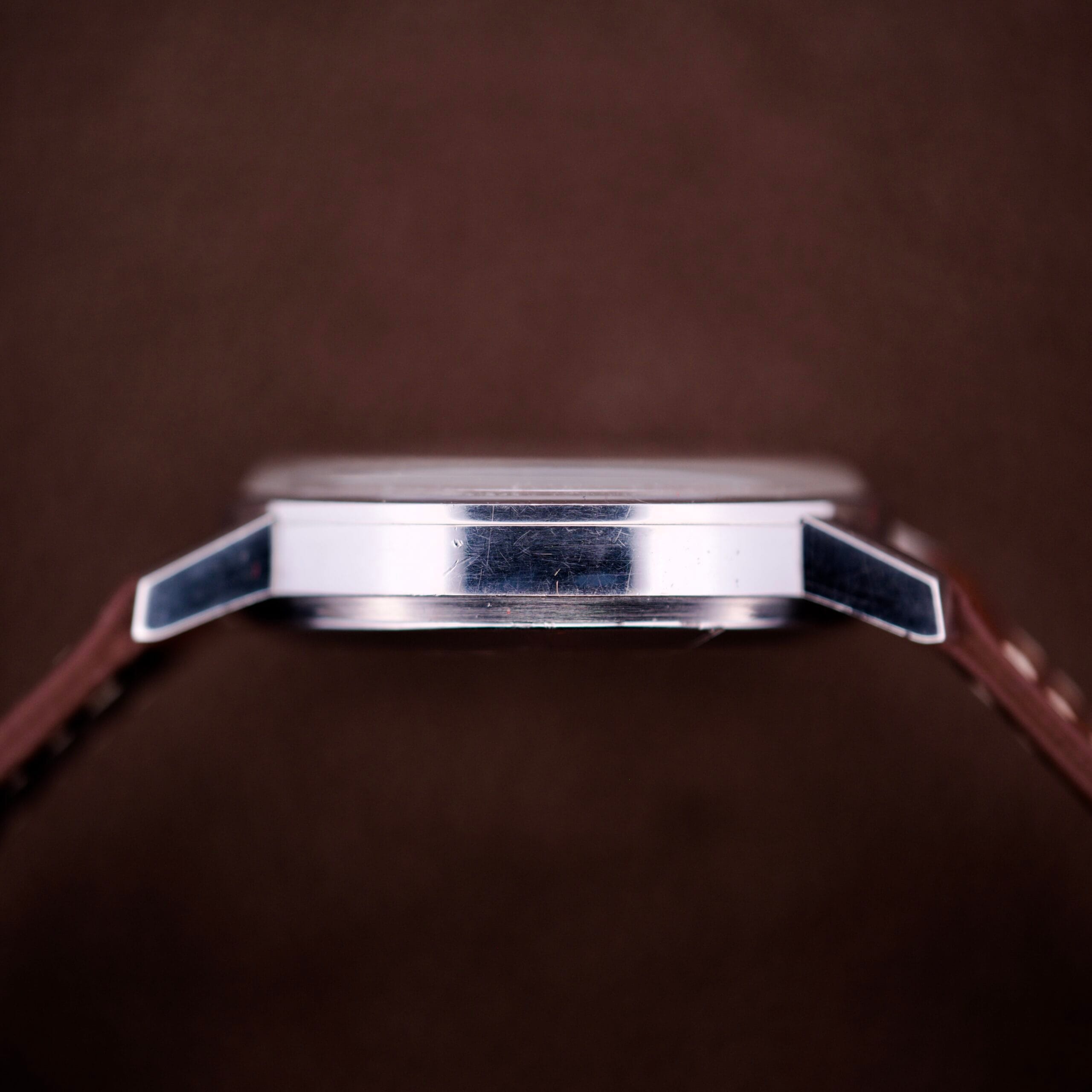
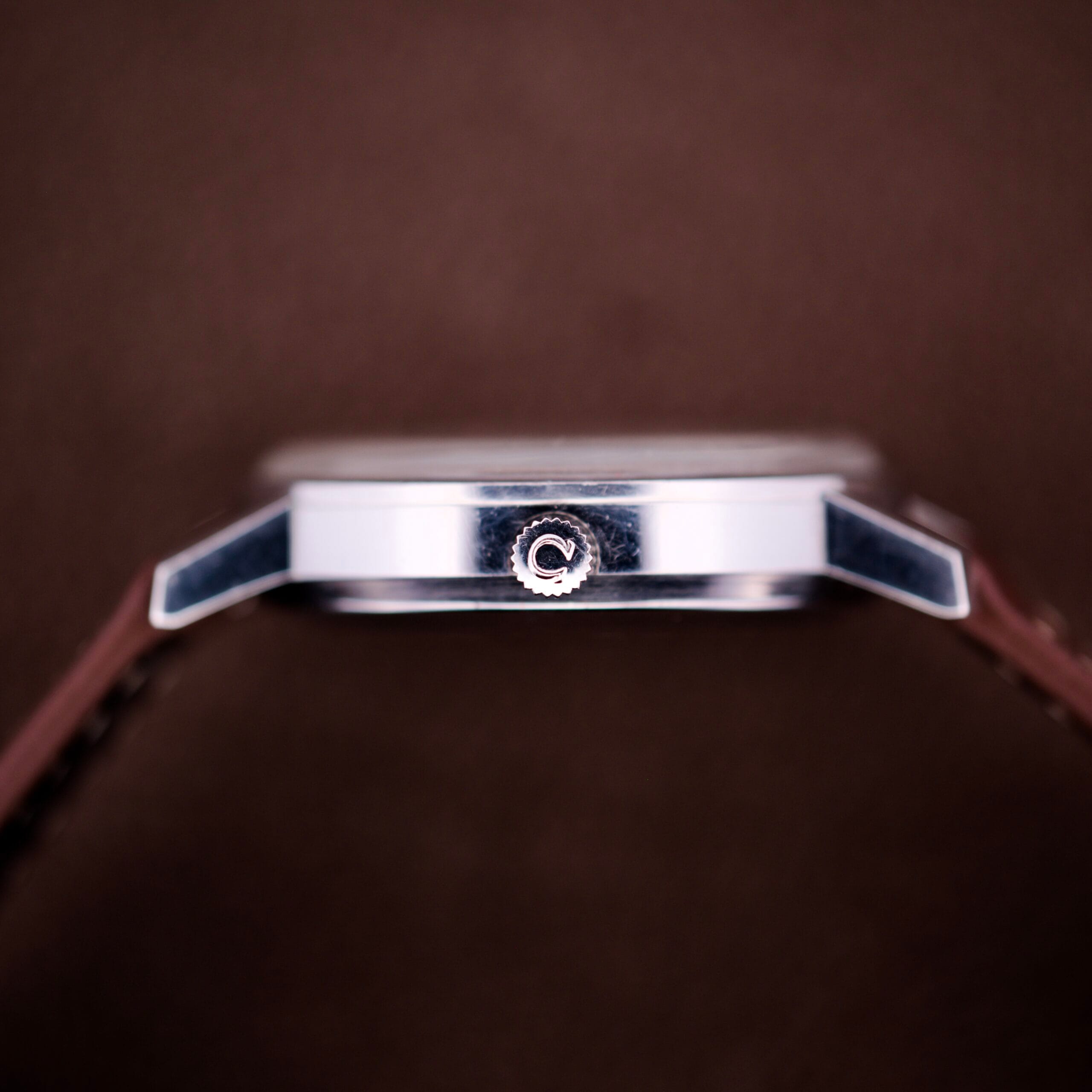
The Reference 166.020 is a staple of the Seamaster line, often admired for its “Unishell” or monocoque case design, which opens from the dial side to improve water resistance and structural integrity. While typically associated with the 500-series movements of the 1960s, the presence of the Caliber 1010 in this example places its production in the 1970s, representing a transitional era for Omega. The Caliber 1010 was a thinner, higher-beat (28,800 vph) movement that introduced modern conveniences like a hacking seconds feature (allowing for precise time-setting) and a quick-set date, making it significantly more user-friendly for daily wear than its predecessors.
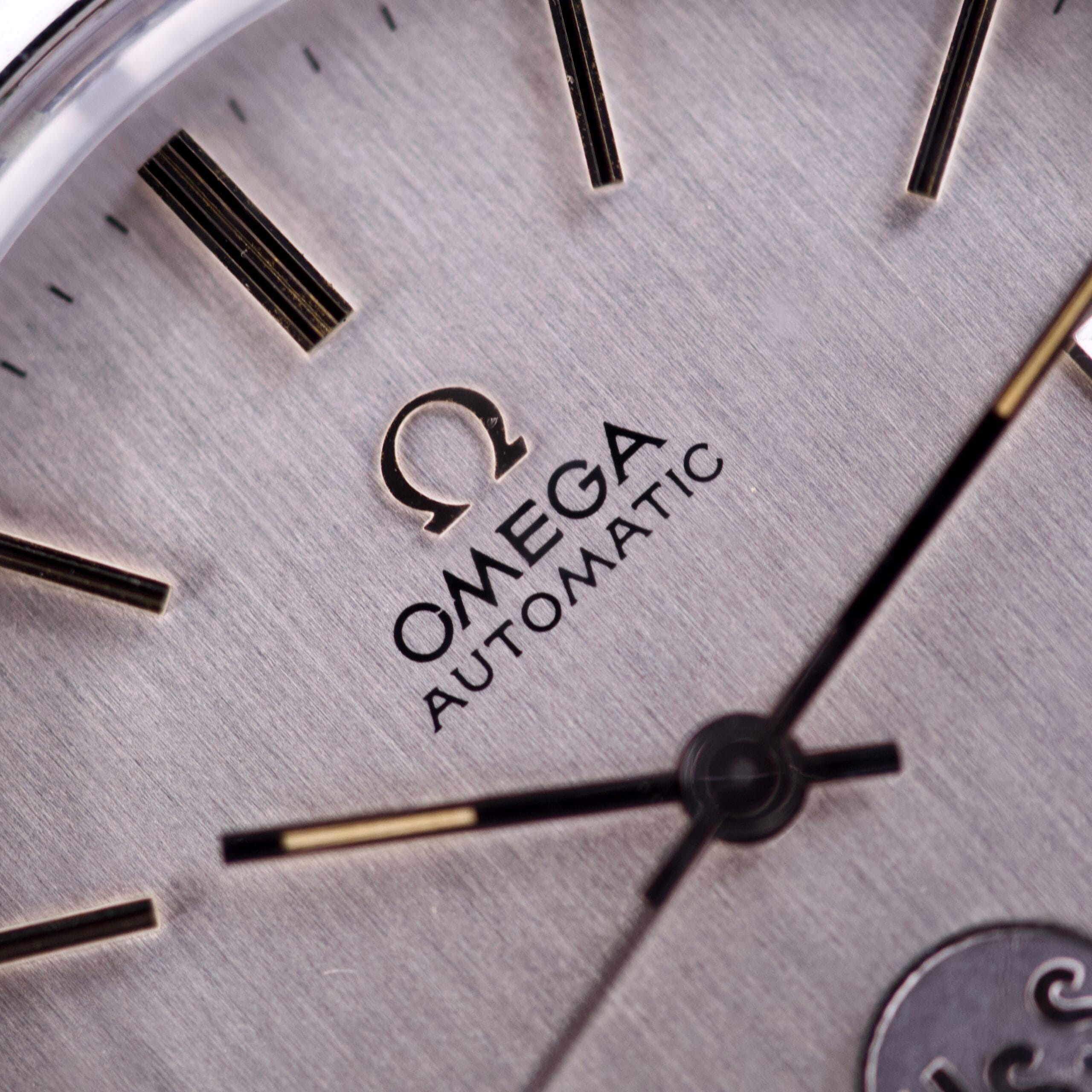
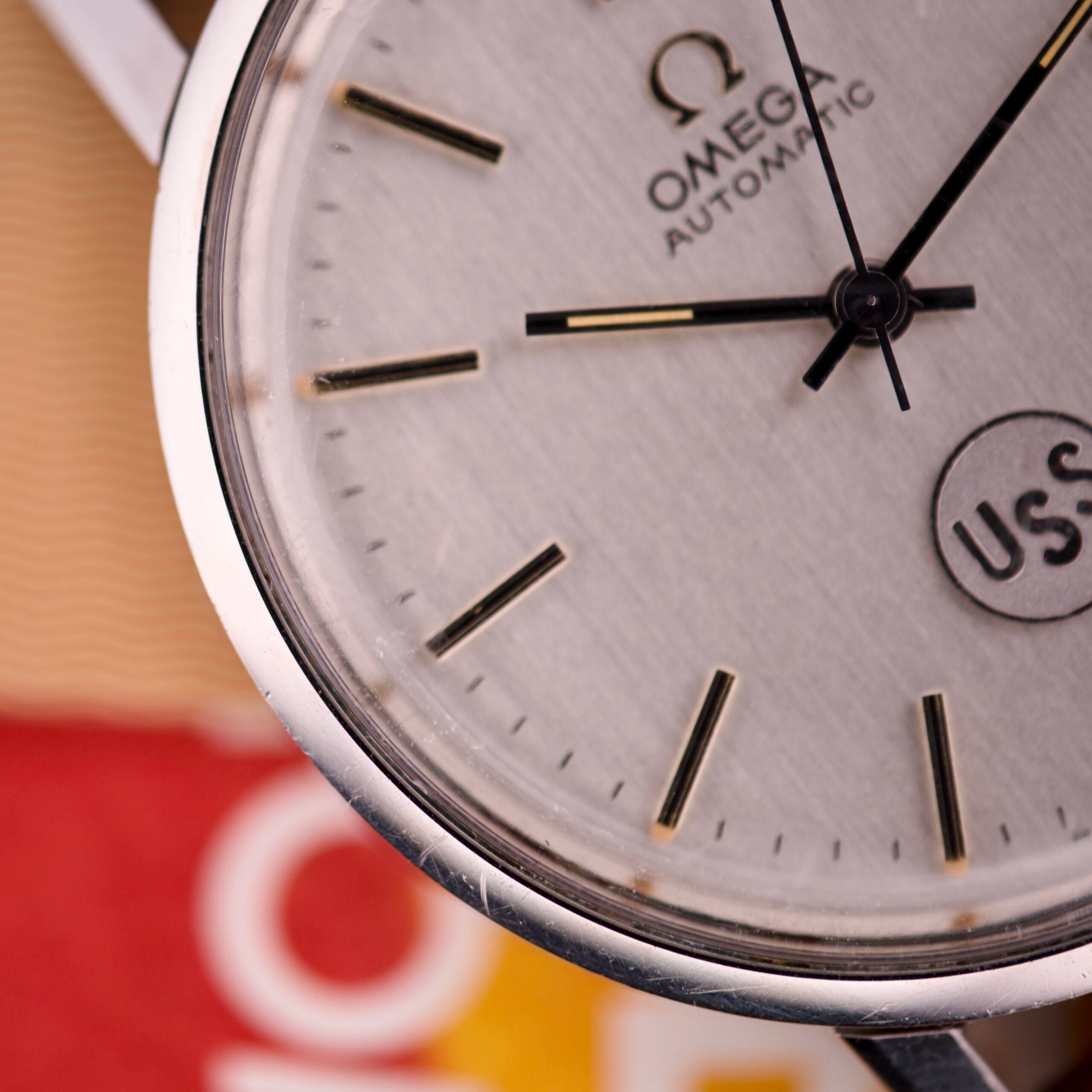
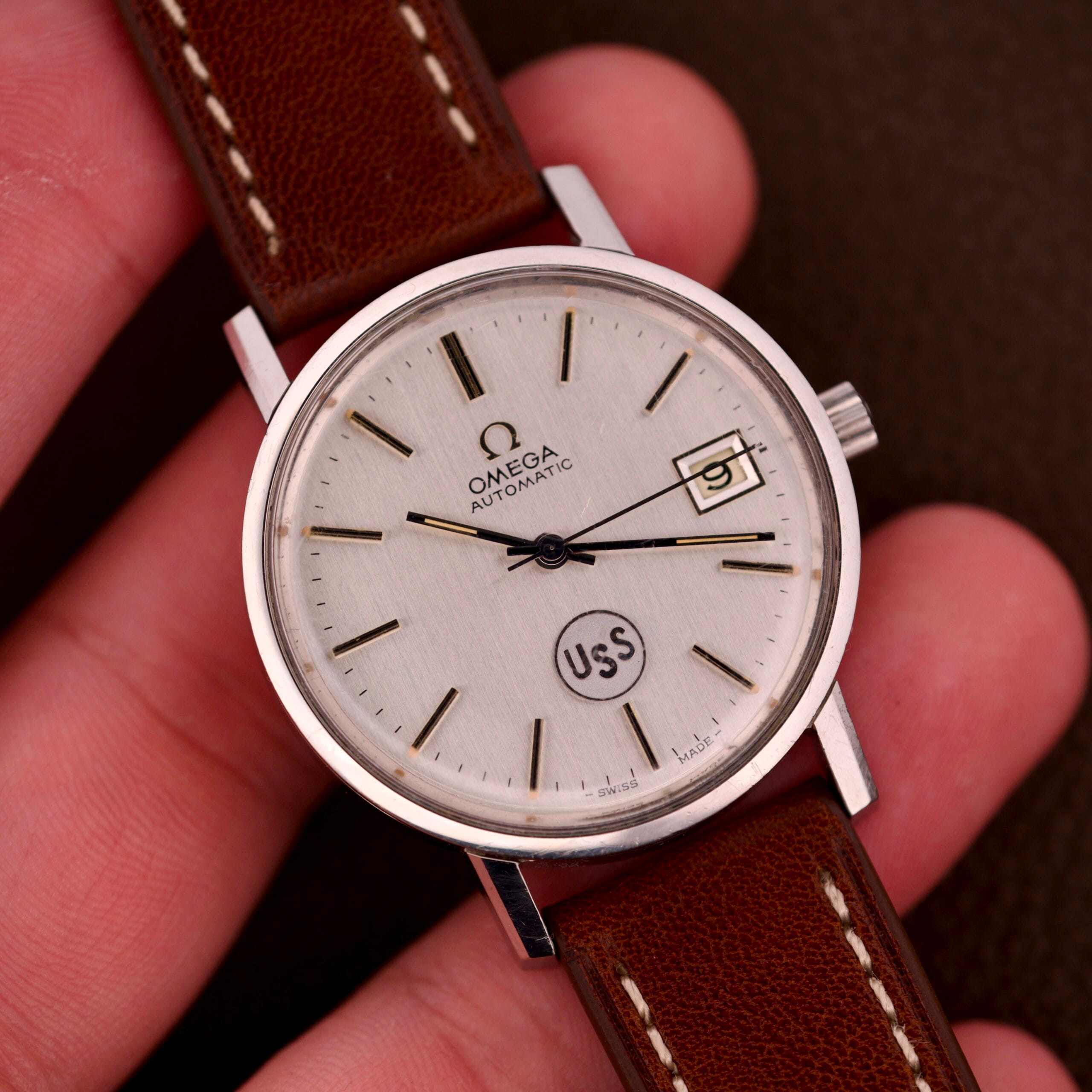
This specific example bears the mark of the United States Steel Corporation, a titan of American industry. Whether this connection is displayed through a discreet dial logo or a commemorative caseback engraving, it adds a layer of narrative weight to the watch. It speaks of blast furnaces, suspension bridges, and the skyscrapers that defined the 20th-century skyline. The dial is likely a classic silver sunburst, a hallmark of the Seamaster line, designed to be legible and elegant in a boardroom setting. The inclusion of the original paperwork and box transforms this from a mere object into a complete story, offering a glimpse into the exact moment this watch was gifted and first worn.
Condition is paramount when assessing presentation watches, as they were often kept as prized possessions rather than daily beaters. This example likely benefits from that “special occasion” status, showing honest signs of age rather than abuse. The case lines should be preserved, and the dial likely retains its original factory finish. The presence of the full kit (the original box and papers) adds significant value, providing the kind of provenance that collectors hunt for. It confirms the watch’s identity and history in a way that speculation never can.
The appeal of this Omega Seamaster lies in its duality. On one hand, it is a robust, attractive vintage Swiss watch with a reliable high-beat movement, perfect for everyday wear. On the other, it is a piece of industrial history, a token of a bygone era of American employment. For the collector who values a complete story as much as a clean dial, this U.S. Steel Seamaster is a compelling proposition.