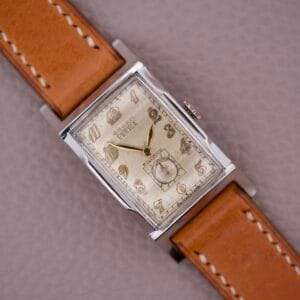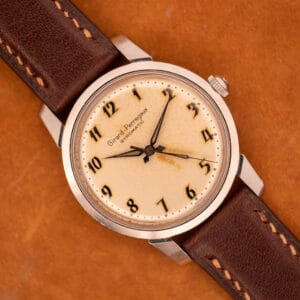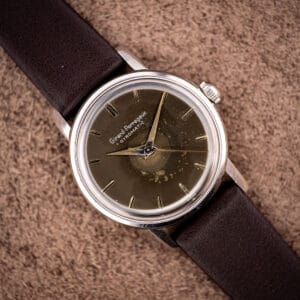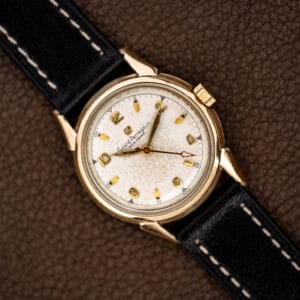
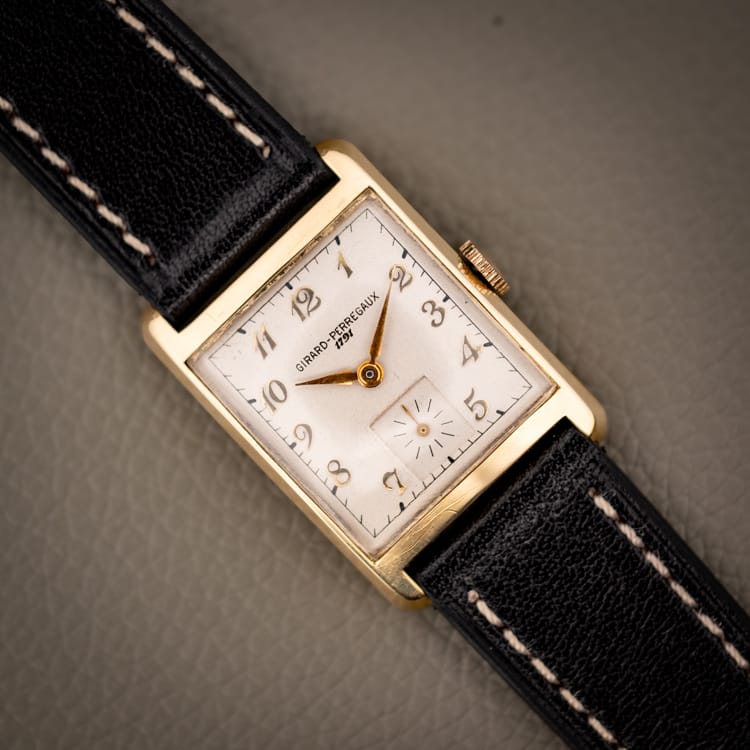
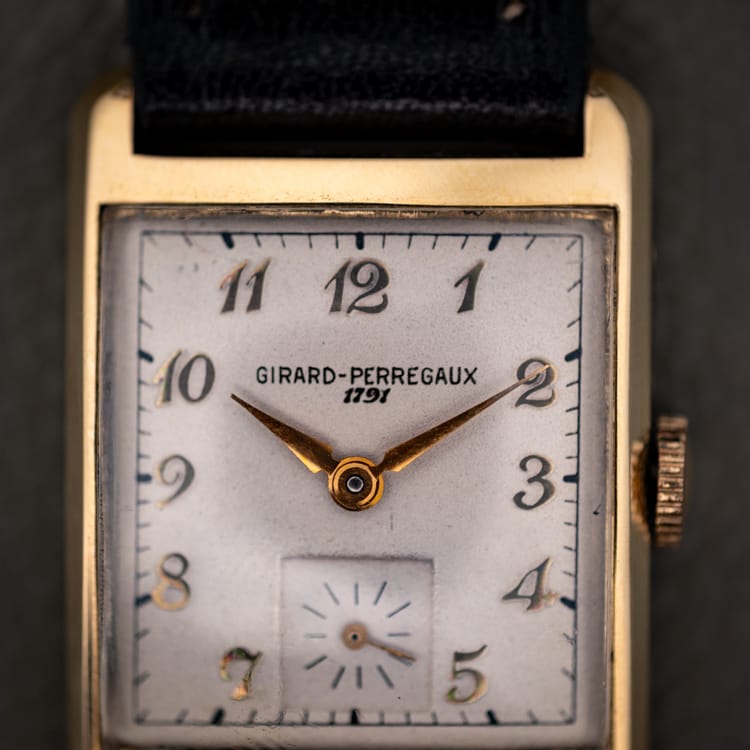
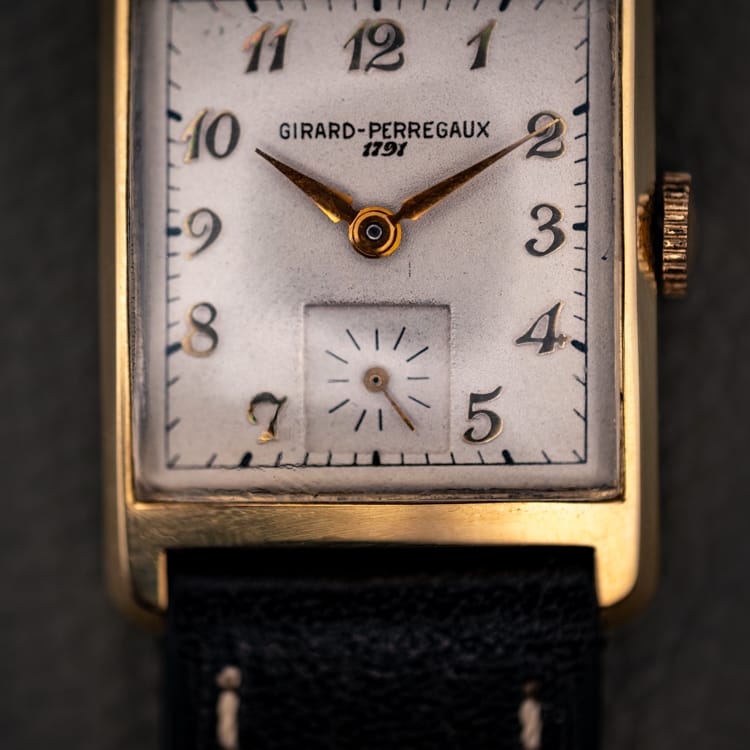
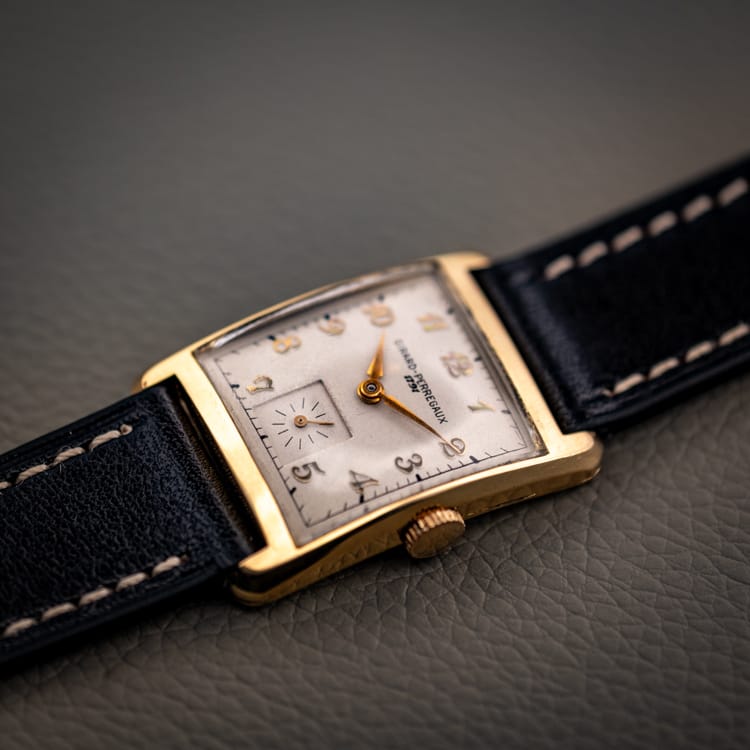
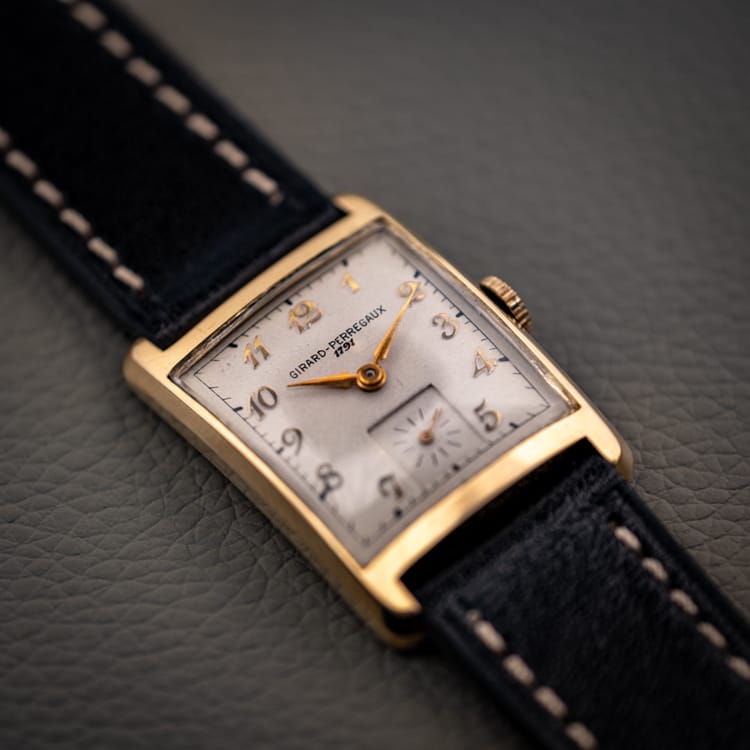
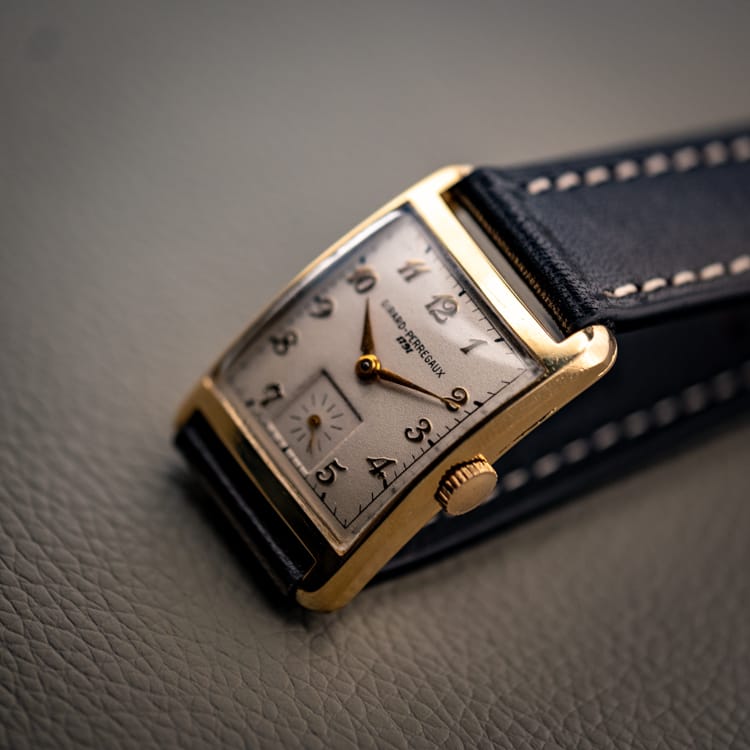
Look at the dial of this Girard-Perregaux 1791 and the eye wants to read that number as a reference or a model code. It is neither. The 1791 is the year Girard-Perregaux counts as its beginning, printed in small serif beneath the maison signature, and in our opinion that quiet piece of self-assurance is the whole point of the watch. This is not a loud piece. It is a small gold filled tank that states its pedigree in four digits and then lets the dial do the rest.
Girard-Perregaux traces that 1791 to Jean-Francois Bautte, a Geneva watchmaker and goldsmith who gathered every trade of the craft under one roof when the industry was still scattered across independent workshops. The Girard-Perregaux name itself came later, in 1856, when Constant Girard married Marie Perregaux, but in 1906 the house acquired the Bautte firm and folded its founding year into its own history. So the number on this dial is doing real work. It is the maison reaching back past its own name to the oldest date it can honestly claim, and choosing to put that claim on the dial of even a modest dress watch like this one.
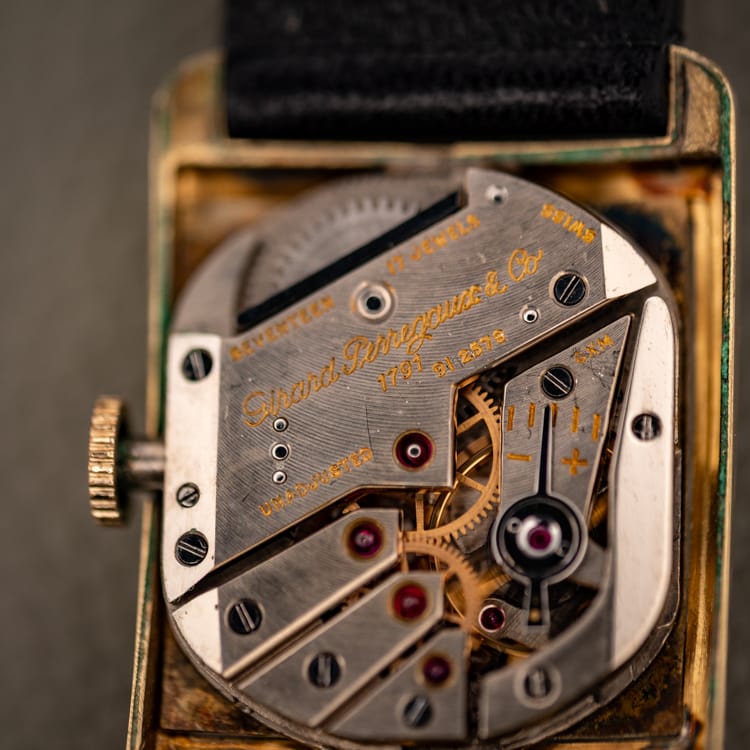
Turn the watch over and the movement carries the signature through. It is a 17-jewel manual-wind caliber, the bridge engraved SEVENTEEN 17 JEWELS and SWISS across the top and signed Girard-Perregaux and Co in flowing script, with 1791 stamped once more beneath the name. We read the markings that are there and leave it at that; we do not assign this movement a catalog caliber number we cannot verify from the bridge. What we can tell you is what the photograph shows, a cleanly laid-out form movement fitted to the rectangular case, a blued balance spring breathing at the lower right, and the even nickel finishing of a genuine Swiss manufacture still running honestly after the better part of a century. Girard-Perregaux built its name on movements, from the gold three-bridge tourbillons of the 1860s onward, and even at this entry point to the catalog the bridge wears that name without apology.
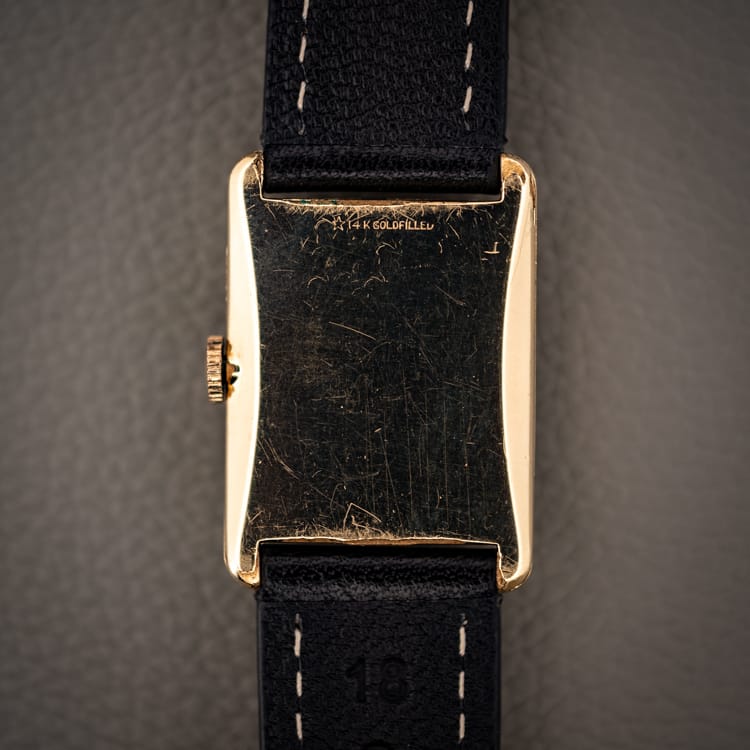
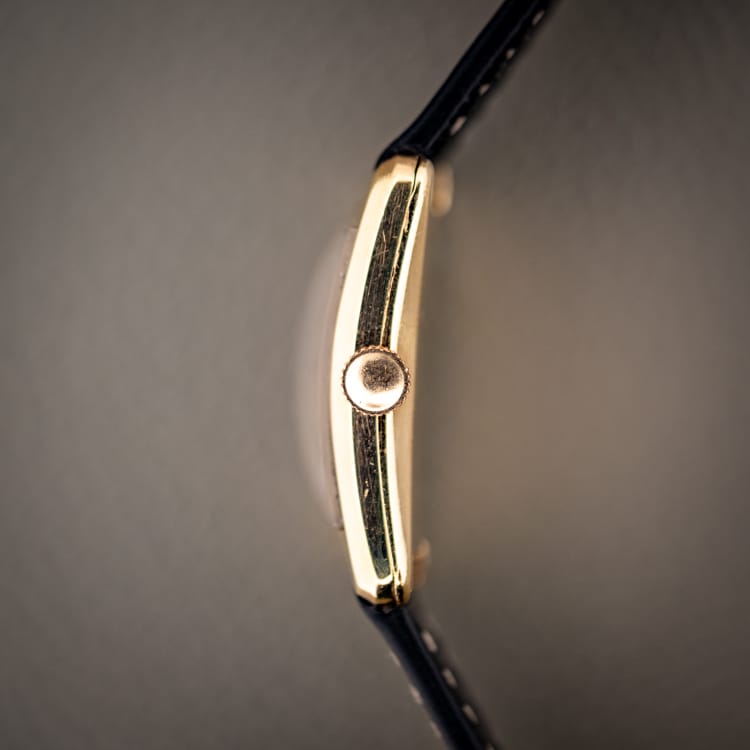
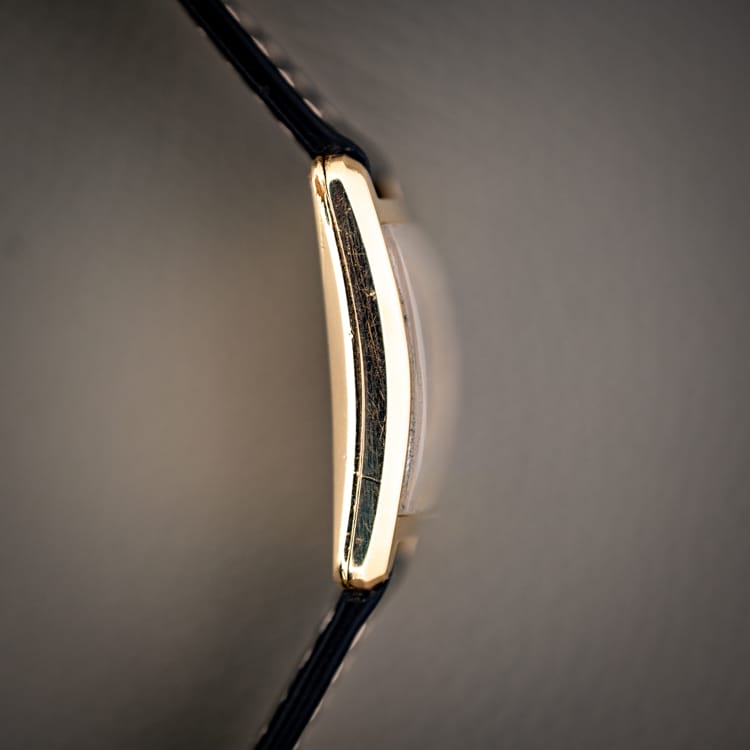
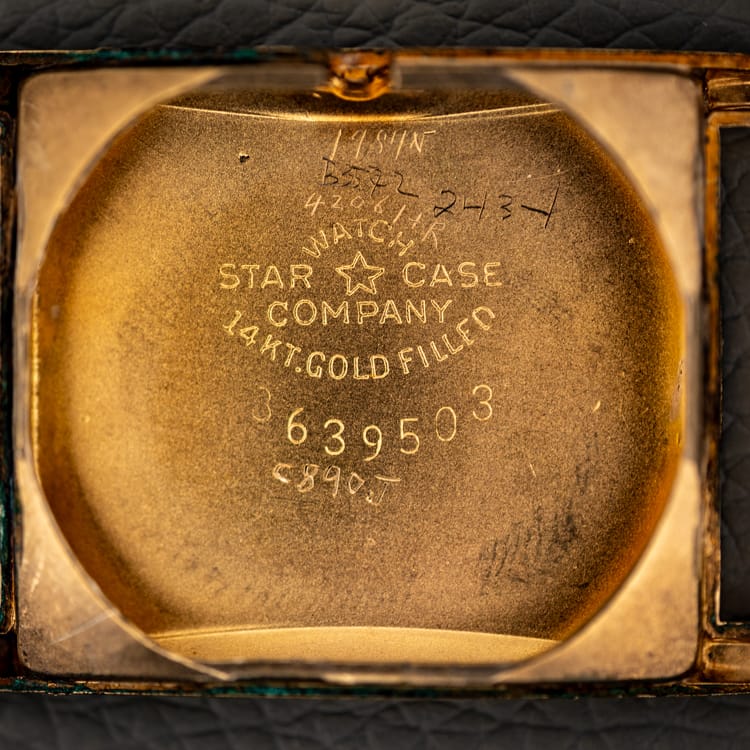
The case is where this Girard-Perregaux tells an American story. Lift the caseback and the inside is stamped STAR WATCH CASE COMPANY around a five-pointed star, with 14 KT. GOLD FILLED and the serial 639503 below. Star was a Ludington, Michigan case maker that supplied the American arms of half the Swiss industry through the middle of the century, Hamilton, Longines, Gruen and Omega among them, and the same firm would later be trusted to case the Omega Speedmaster Professional. A Swiss Girard-Perregaux movement in a Michigan gold filled case was simply how these watches reached American buyers, the movement imported and the case fitted stateside, a genuine part of the watch rather than a compromise. The tank case measures 23mm by 33mm with an 18mm lug width, small and rectangular in the honest mid-century dress idiom, and tank here names the shape, nothing more, not a nod to anyone elses trademark. The outer back is plain and gently domed, wearing the hairline marks of a watch that spent its life on a wrist, which is exactly what we like to see.
The dial has aged into the warm cream that a good silvered dial earns over decades, even across the surface with a little gentle foxing near the lower numerals that reads as character rather than fault. The hour markers are applied gold Arabic numerals, full figures at every hour rather than batons, catching light with a dimensionality that a printed dial never has. GIRARD-PERREGAUX arcs across the upper third with 1791 beneath it, a small seconds register sits at six inside its own printed track, and slim gold leaf hands reach across the center. There is no lume anywhere on the dial or hands, which is correct for a gold filled dress watch of this era and class. Nothing here has been refinished or reprinted, and this is the dial the watch has always worn, softened by time and the better for it.
It comes to you on a black leather strap with light contrast stitching, fastened on an OTTUHR signed buckle, an understated and correct pairing that lets the small gold case carry the wrist without competition.
Serviced in-house at OTTUHR and backed by our 2-year mechanical warranty, this Girard-Perregaux 1791 is an easy watch to underestimate and a hard one to set down once you understand what the dial is saying. For the collector who would rather own a quiet piece of more than two centuries of watchmaking than a loud piece of nothing, this is a great deal of history for the money. There are watches that shout their pedigree, and there are watches that simply print it and move on. This is the second kind.