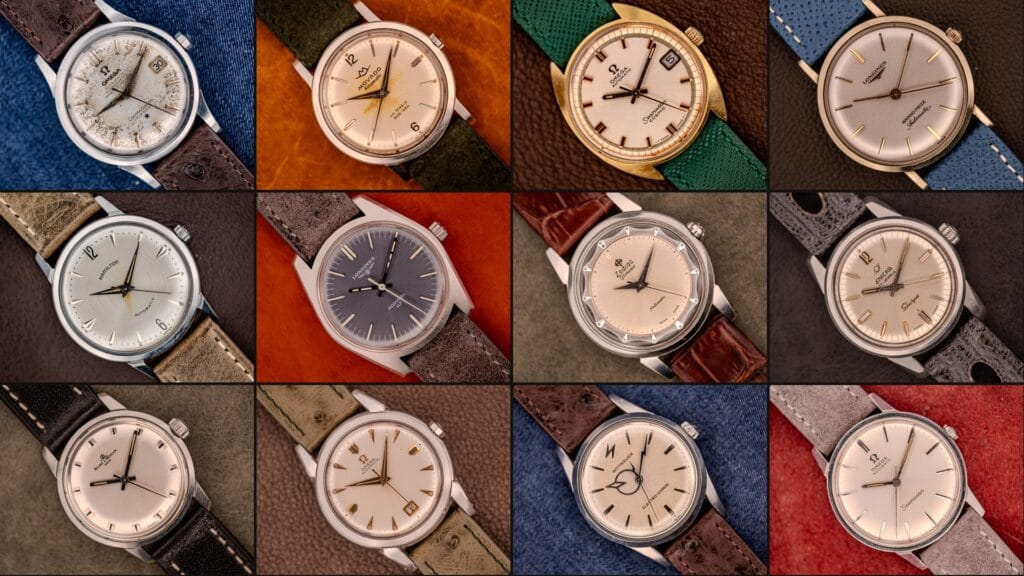
In-depth guides for collectors and enthusiasts who want to understand what they’re buying, and why it matters. From movement identification and case materials to brand histories and market dynamics, each guide is written from hands-on experience with the watches themselves. No fluff, no listicles. Just the information you’d want before spending your money.
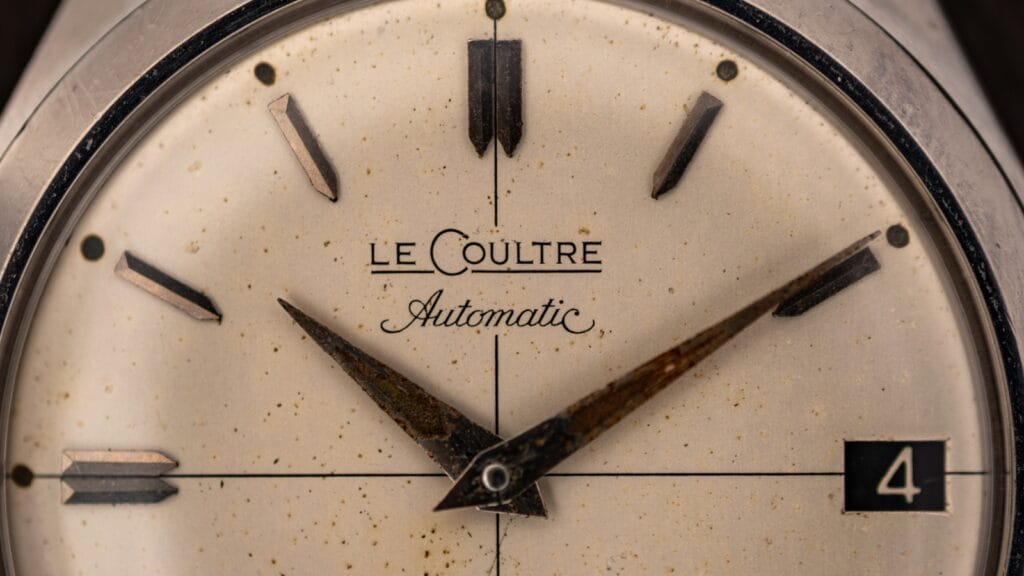
Three names, one Swiss firm, and one watch that isn't what it looks like. What LeCoultre, Jaeger-LeCoultre, and plain Jaeger on a vintage dial really tell you.
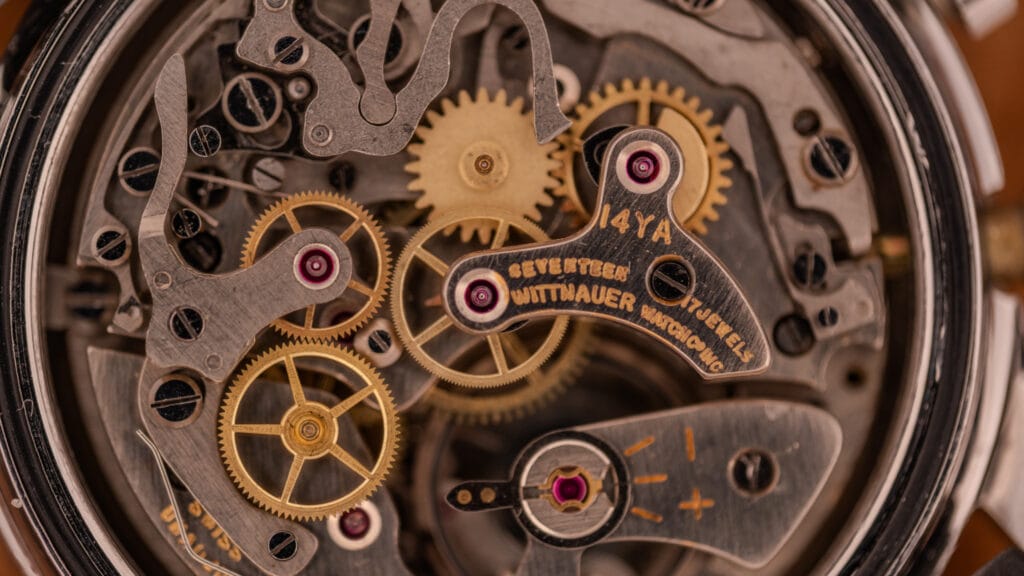
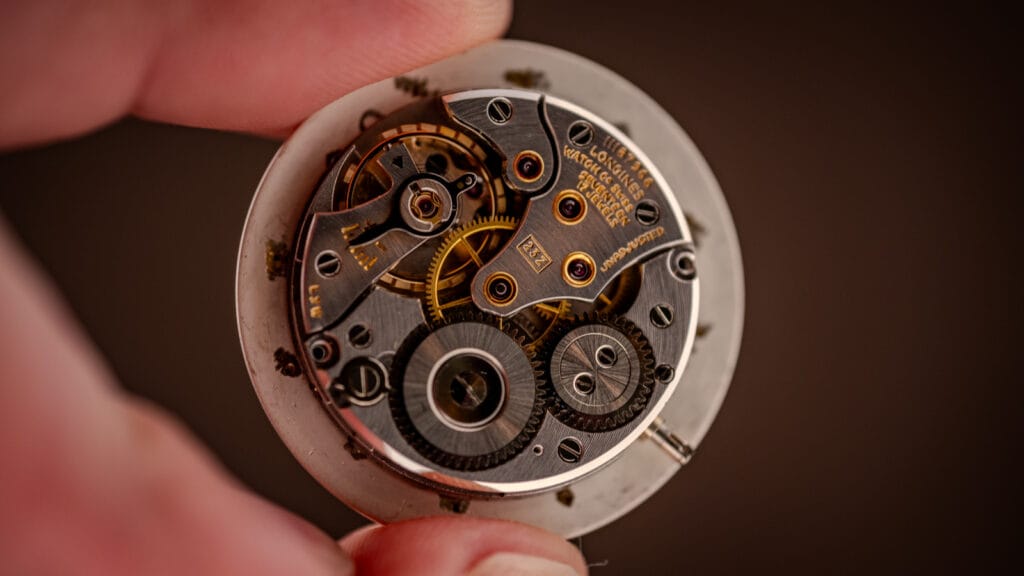
How to identify the movement inside any vintage Wittnauer chronograph: Venus 188, Valjoux 7733 and 7734, Landeron 248, and the house numbering system Wittnauer used to mark them.
Every dealer says never get a vintage watch wet. That advice is half-engineering and half-liability theater. Here is what is actually true about vintage water resistance, where water actually gets in, and when a 1965 diver is safer than a 2-year-old modern.
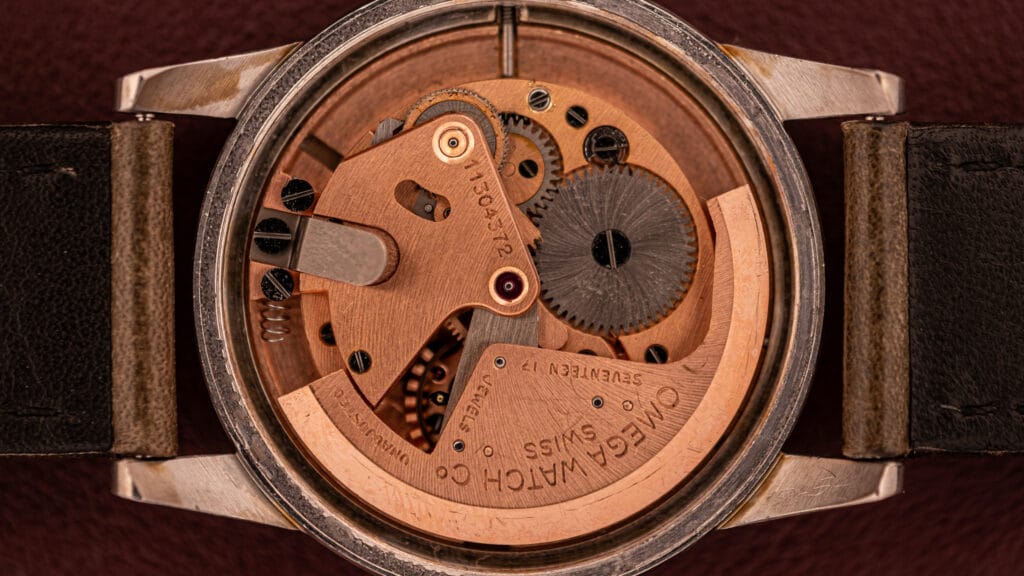
Bumper movements were the world's first commercial self-winding watches. Here is what they are, why collectors care, and which vintage bumpers are still worth buying.
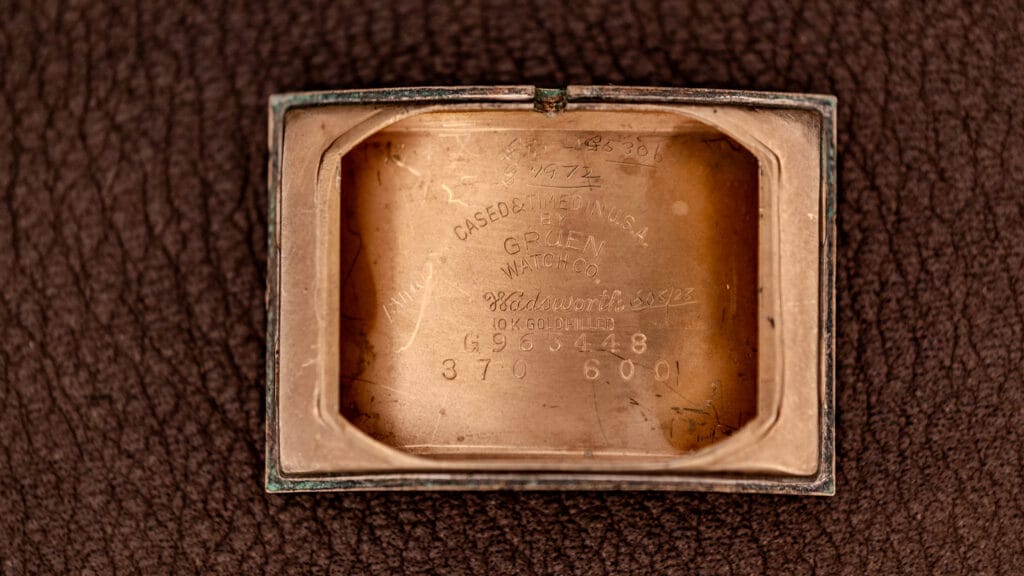
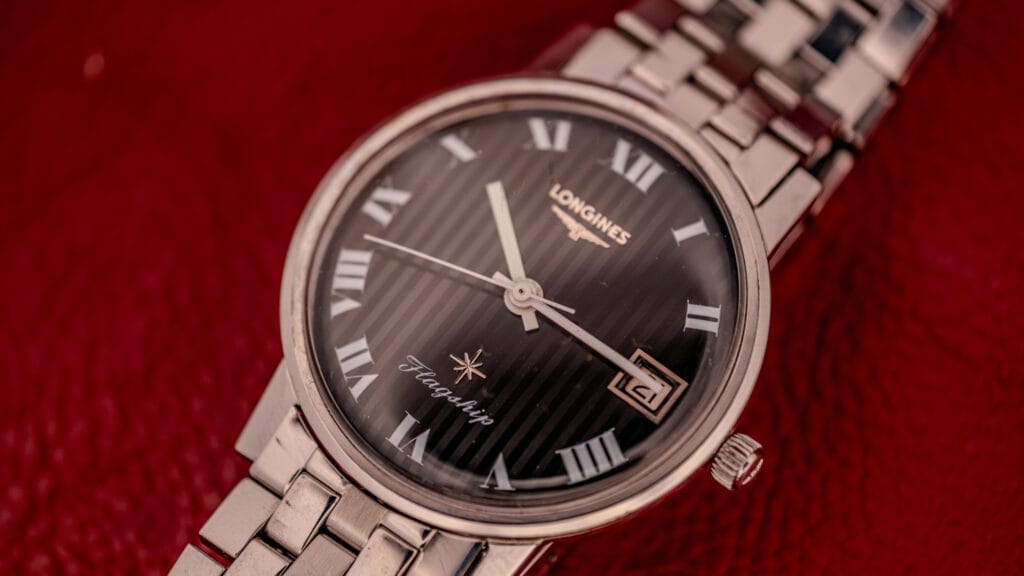
Learn to identify any vintage watch by its case markings, movement, dial, and serial number, then determine its real market value. Brand-specific tips included.