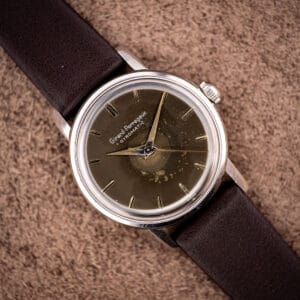
“When war clouds clear, the Sea Hawk will again be available at your jeweler’s …”
That was the promise in a wartime advertisement for the Girard-Perregaux Sea Hawk, beneath a seaplane flying over the water. The Sea Hawk name was already in use during the 1940s, well before the substantial dive watches that would later carry it. Another period advertisement called it the watch for “active service” while describing it as “coin-thin.” Toughness and slimness shared the same sales pitch. It is a useful bit of context for a watch that, to a modern eye, might look ready for a dinner reservation rather than an adventure.
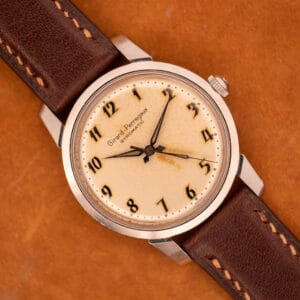
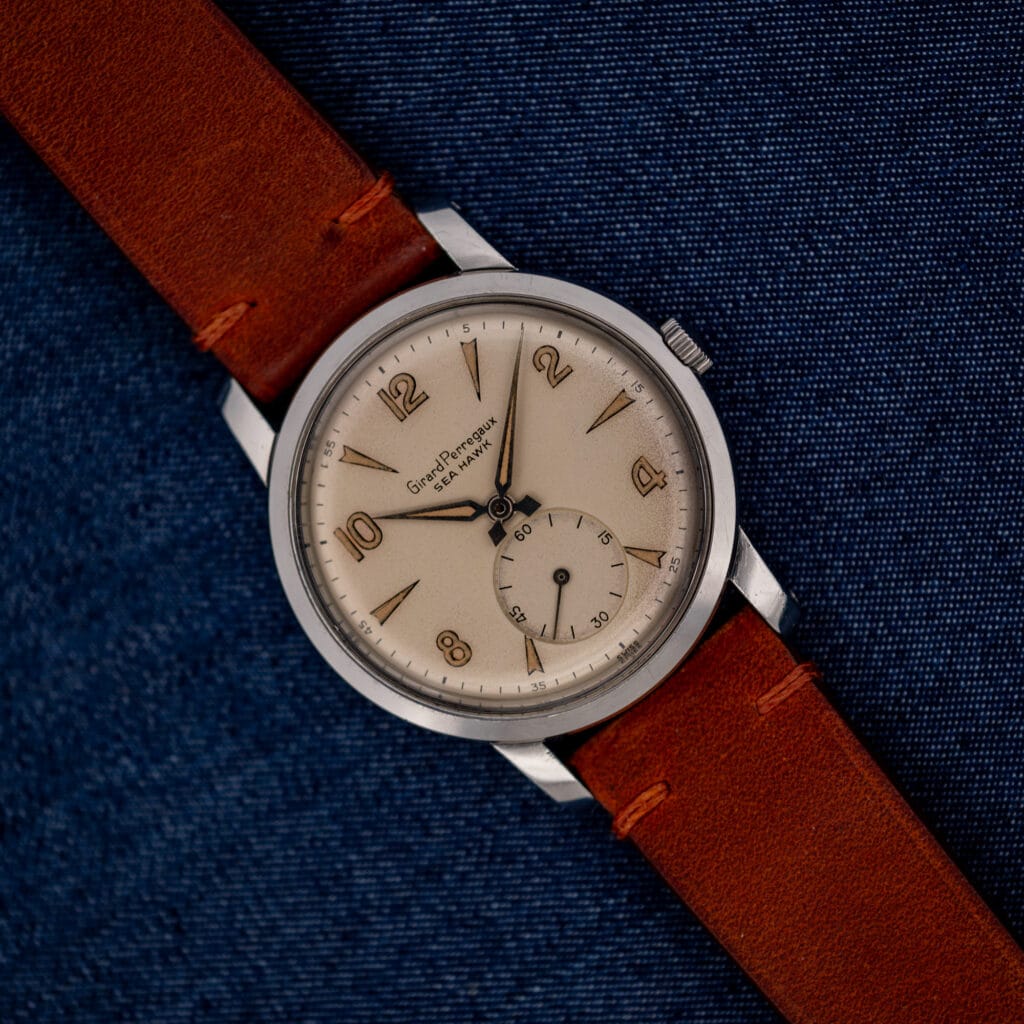
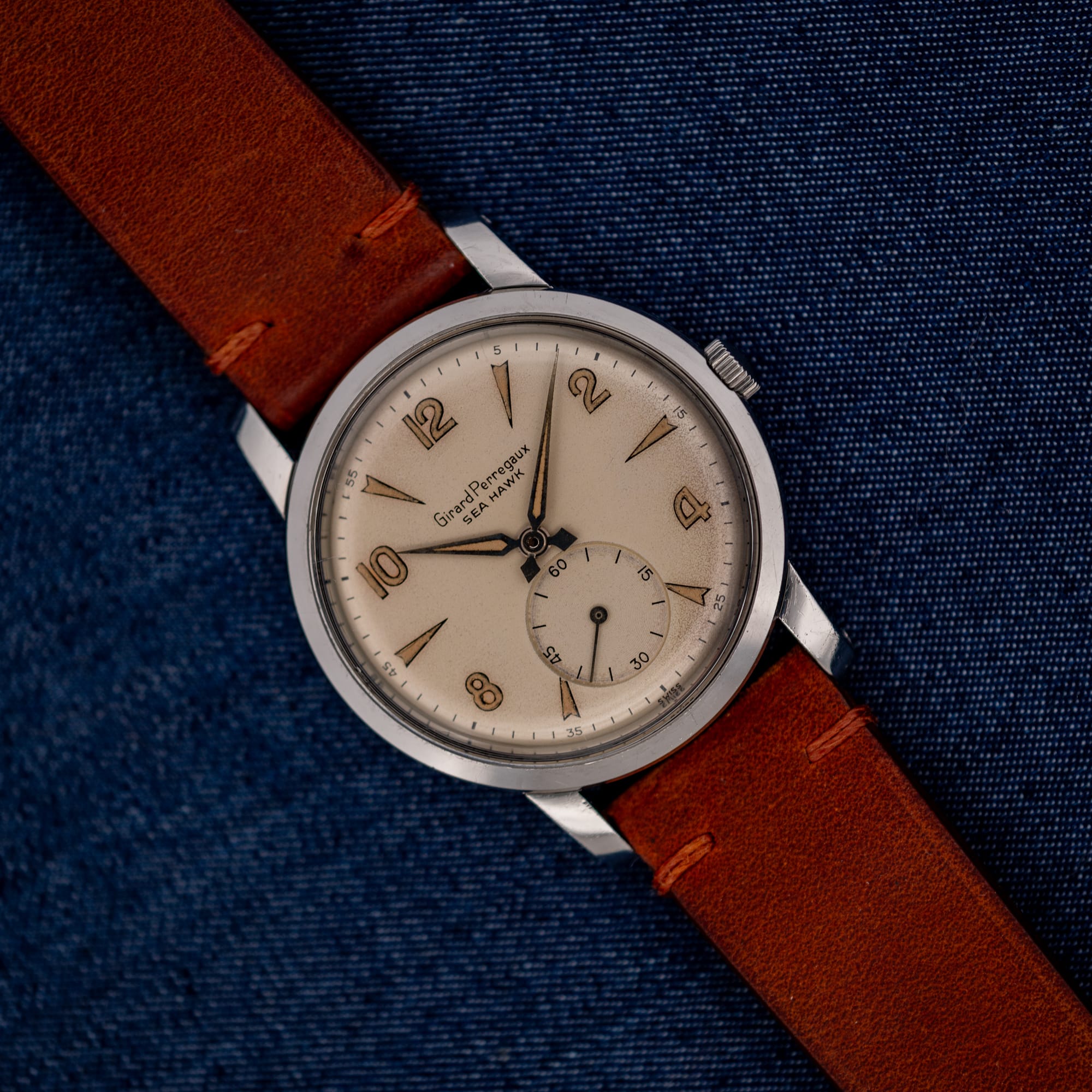
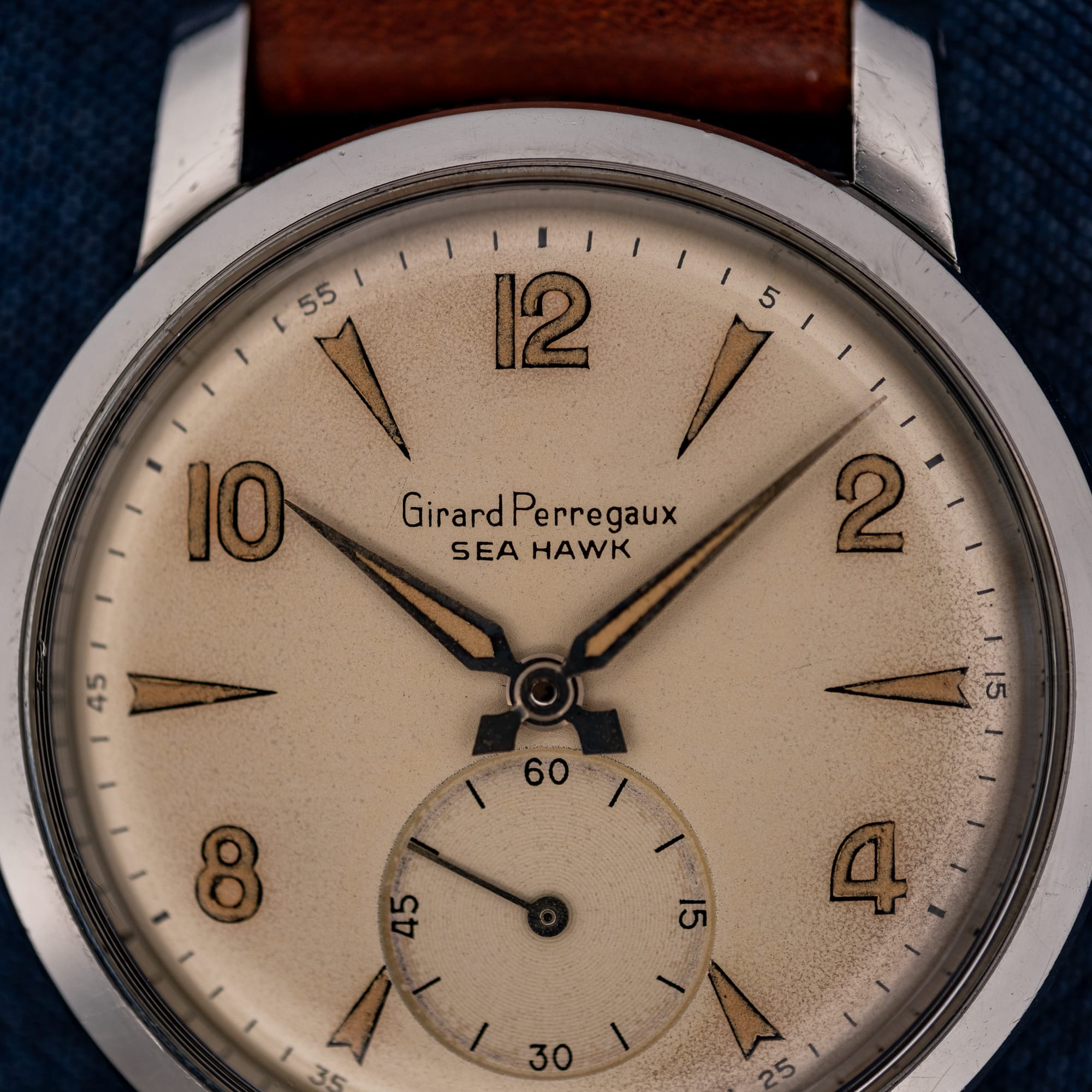
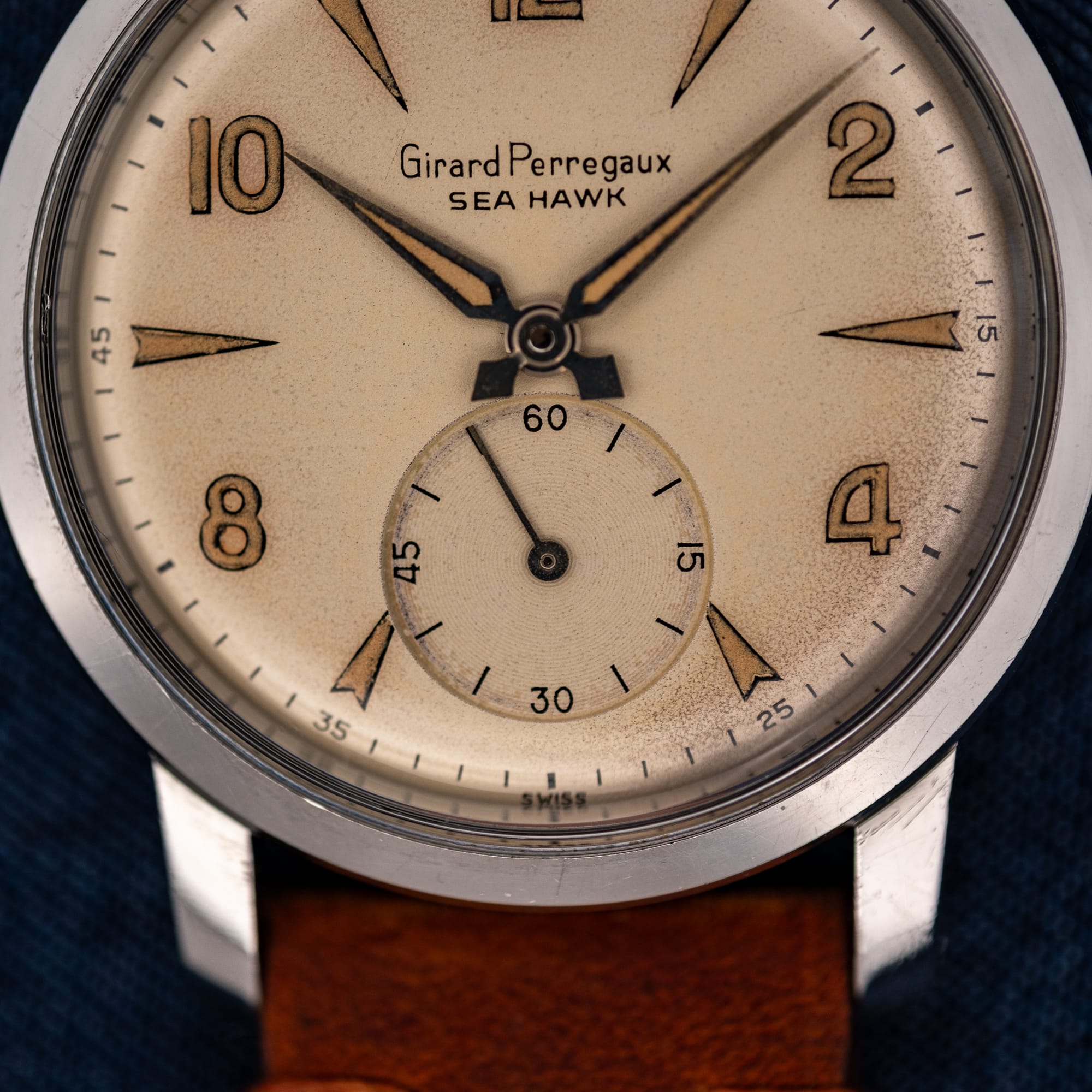
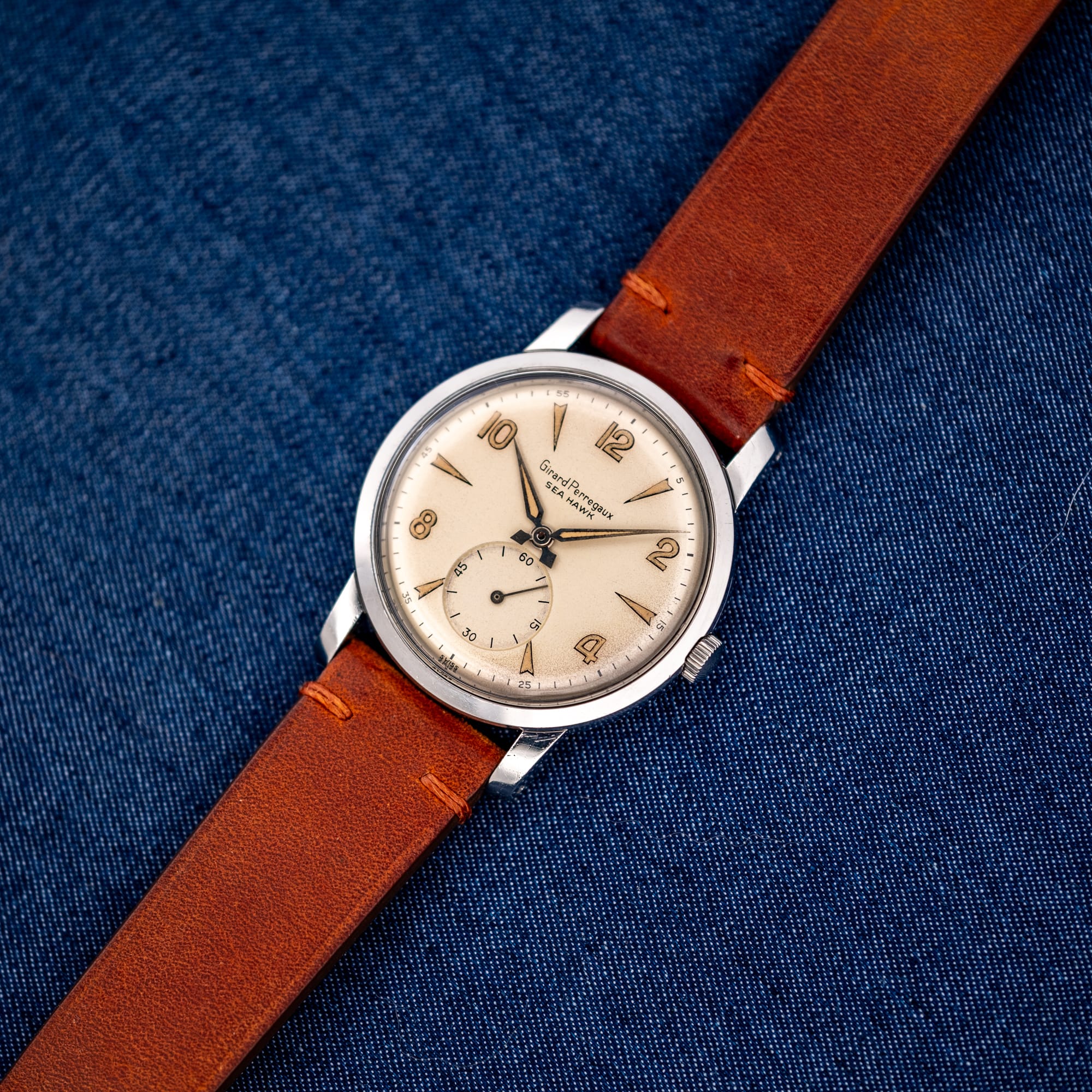
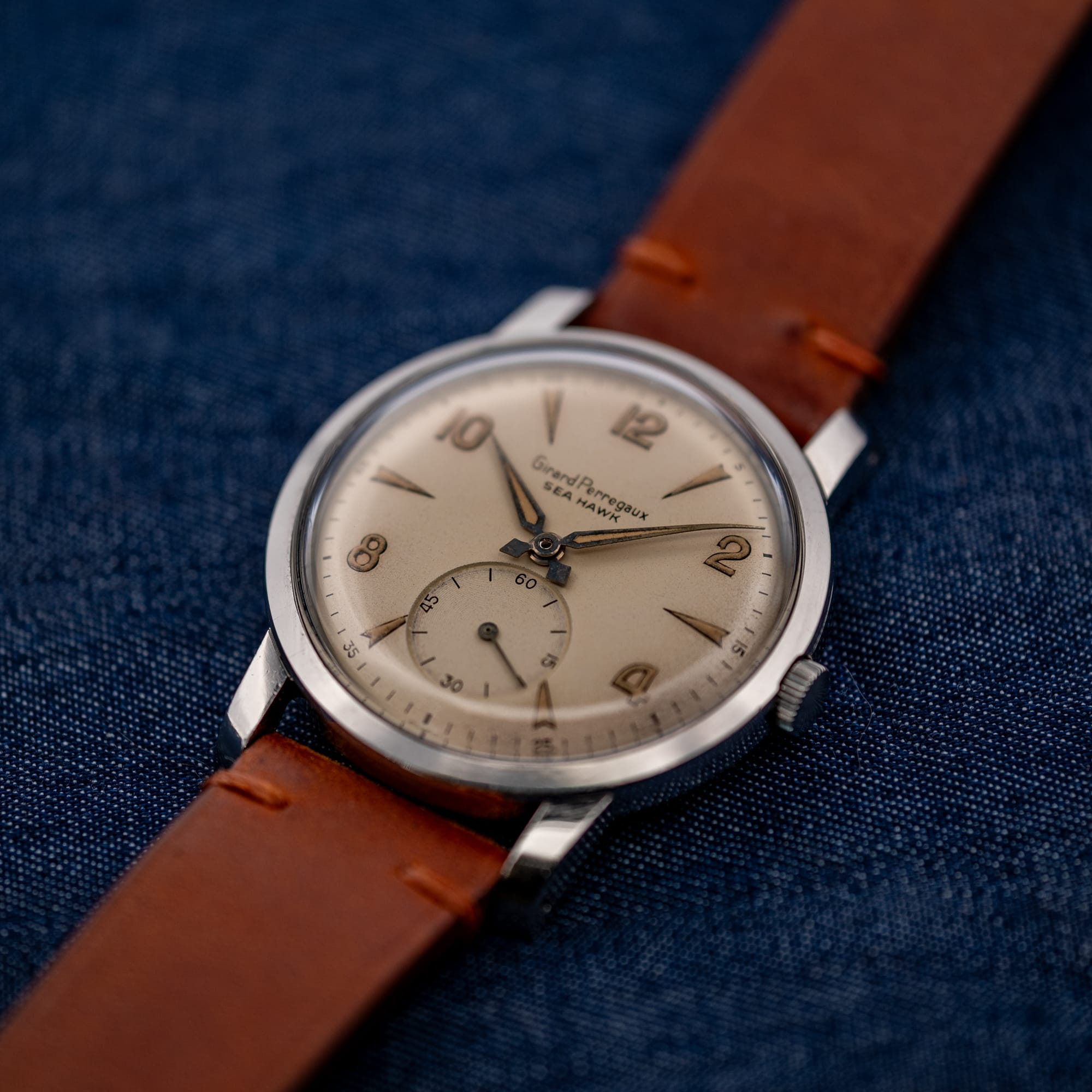
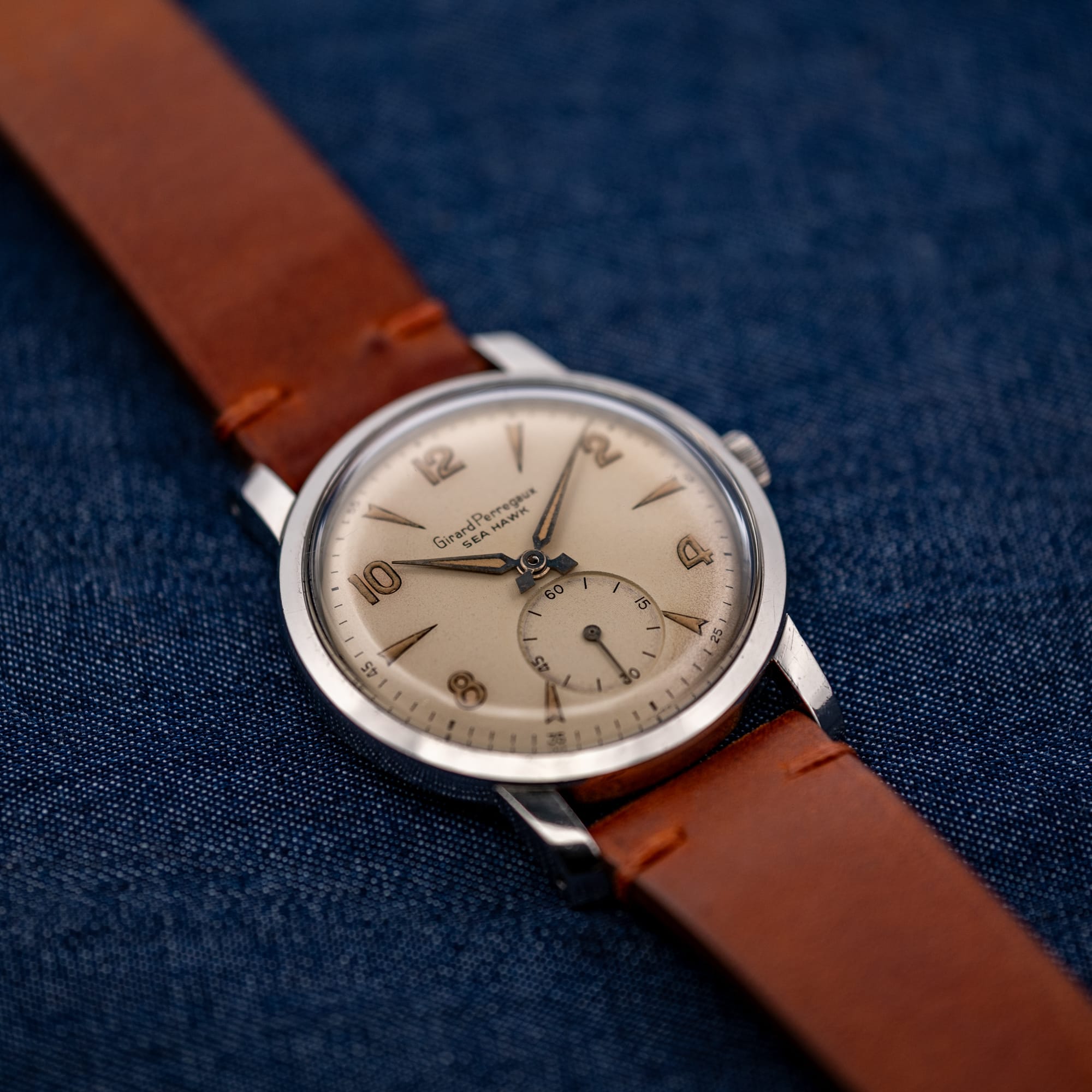
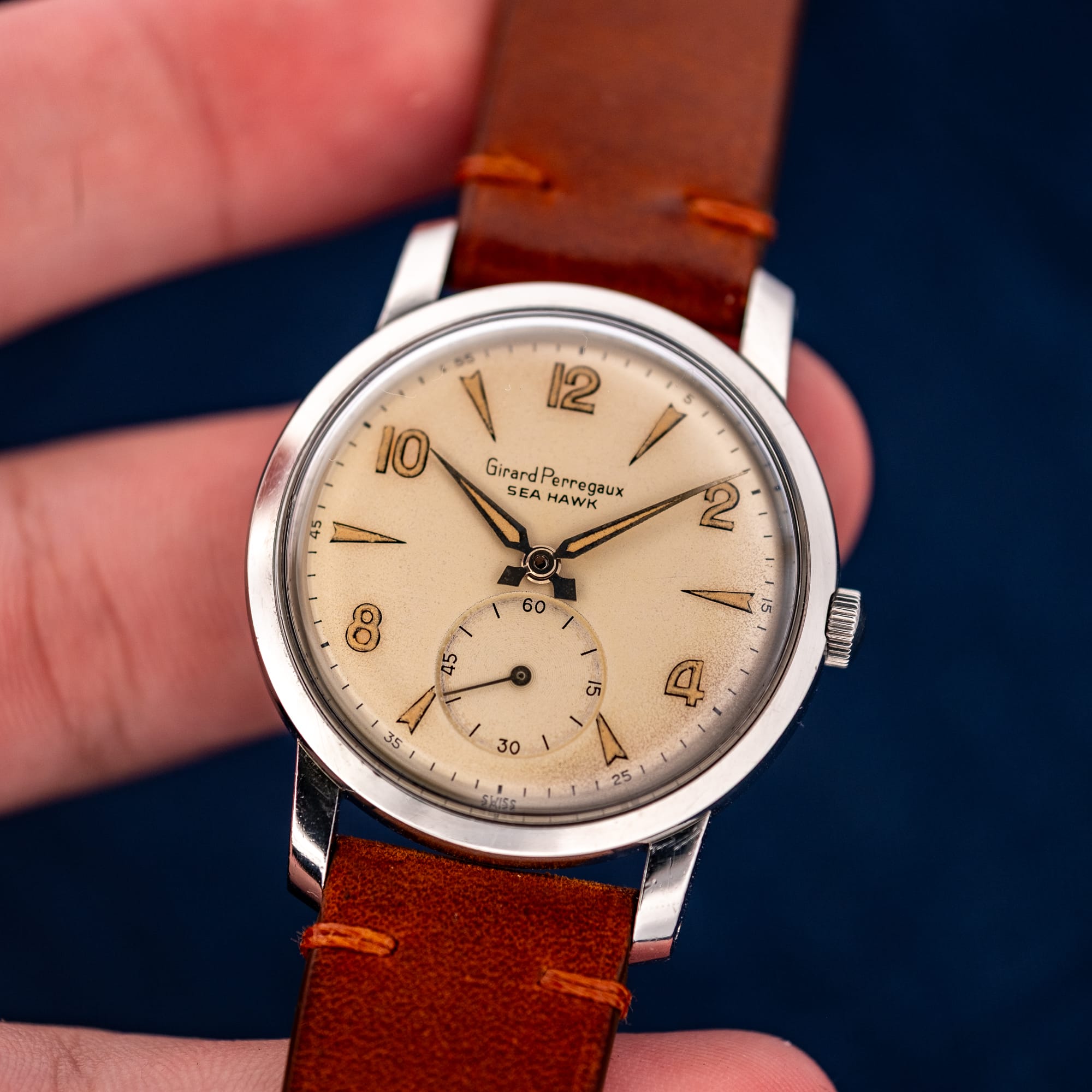
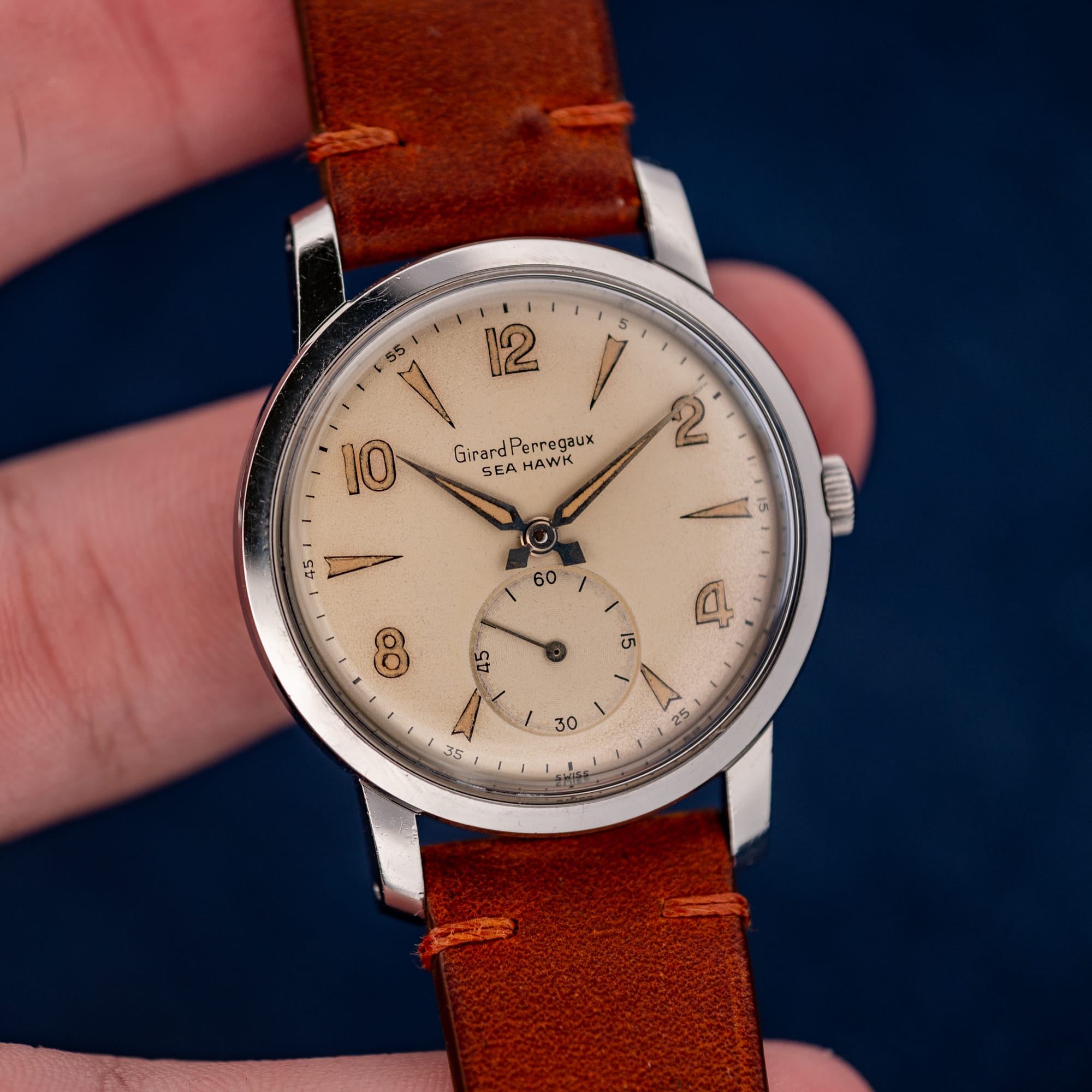
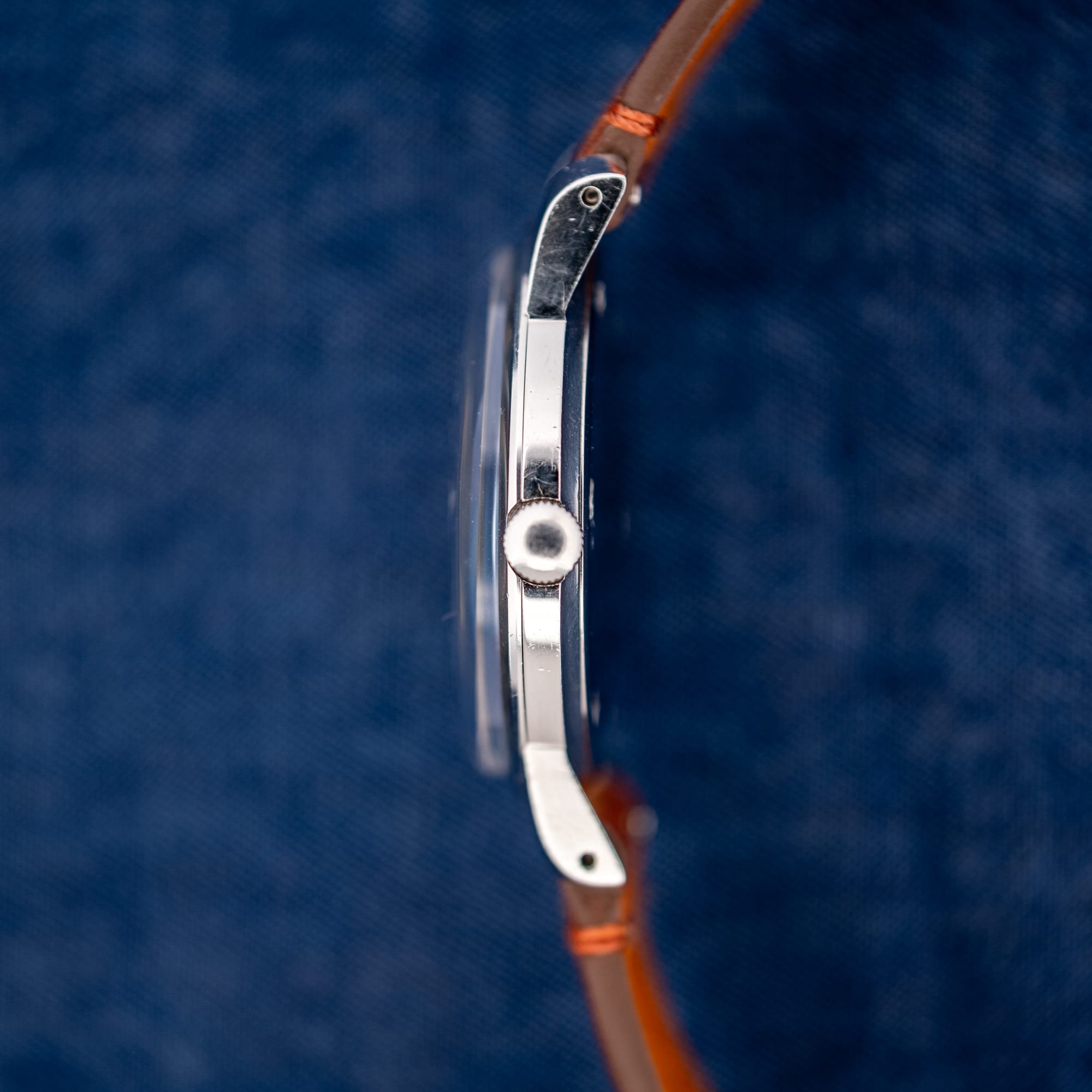
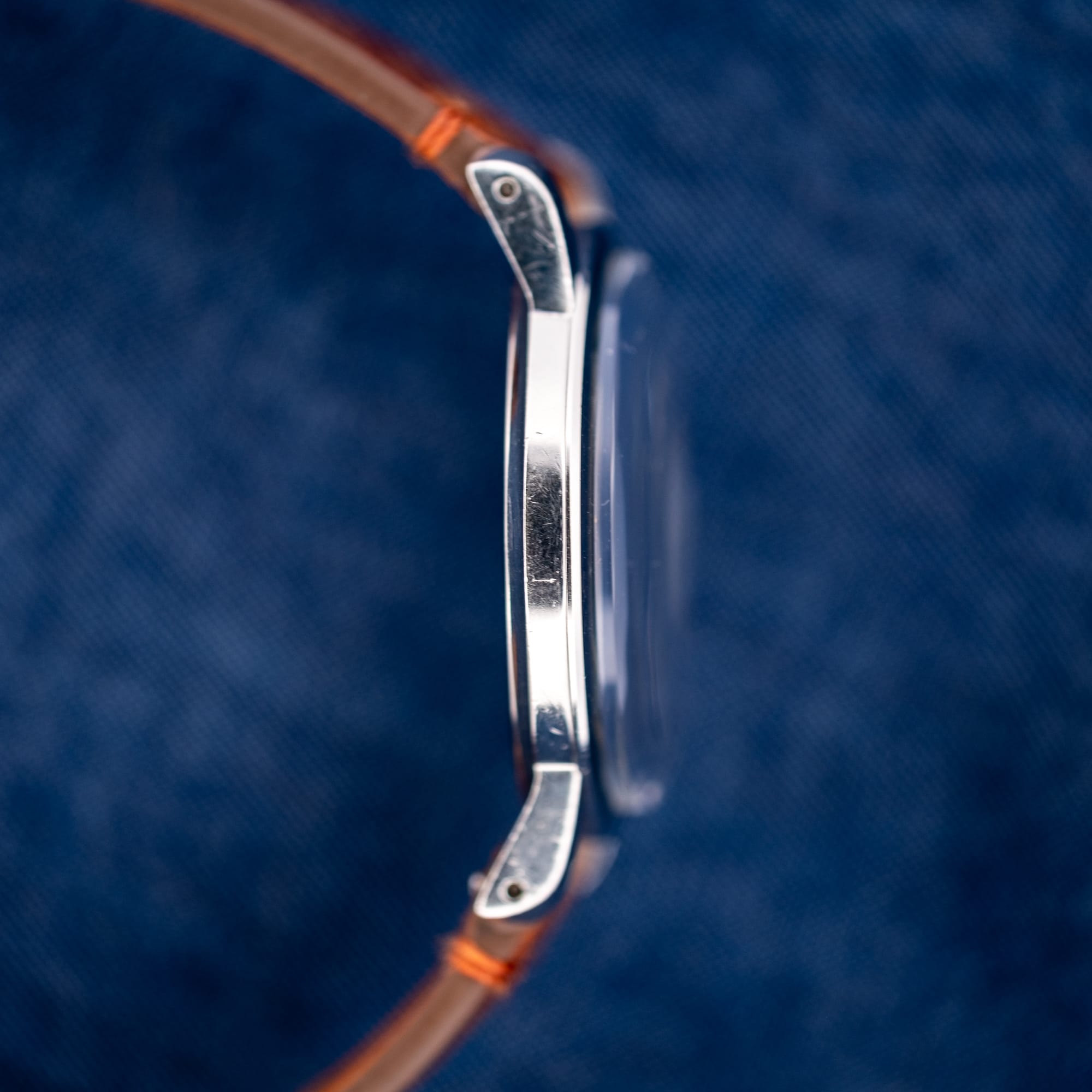
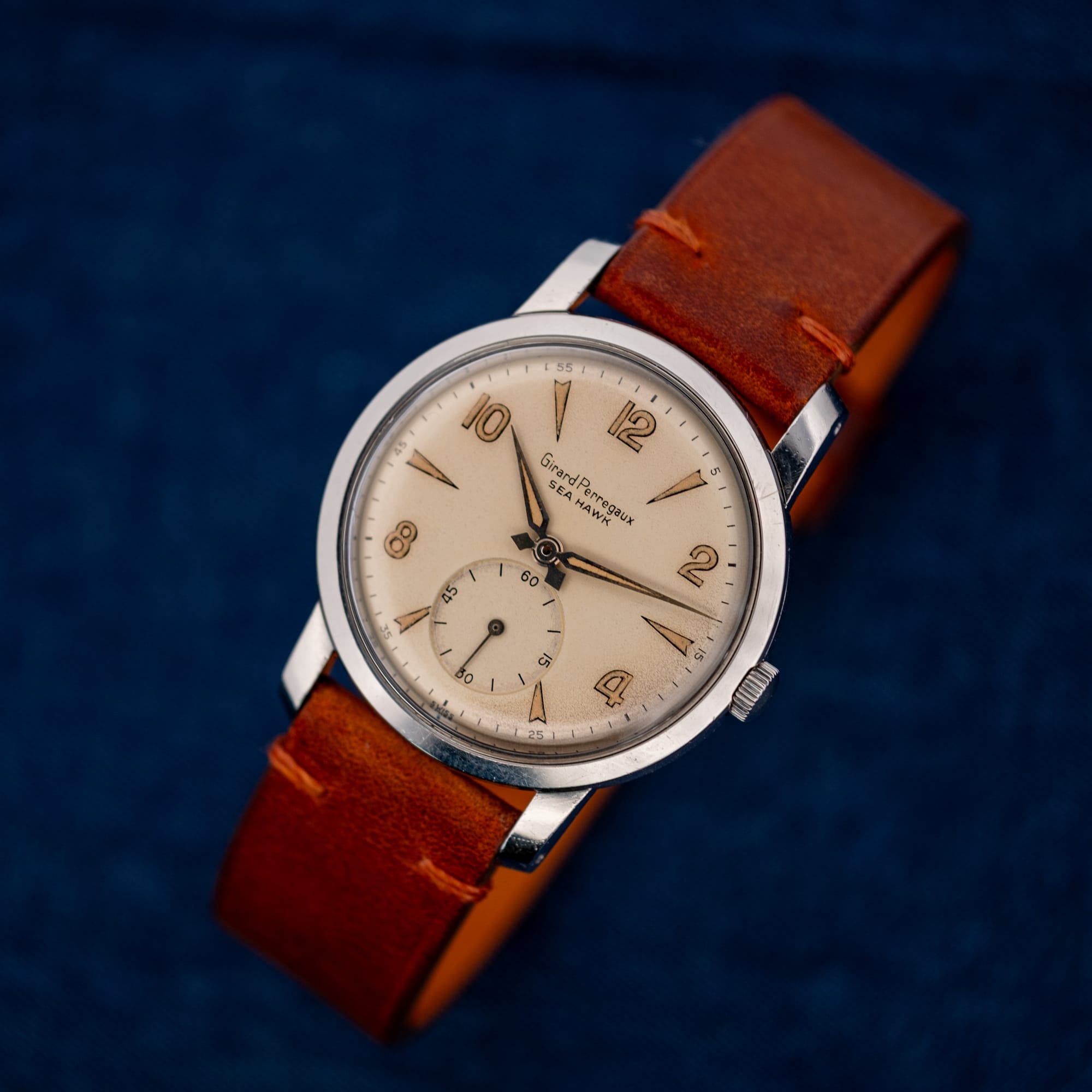
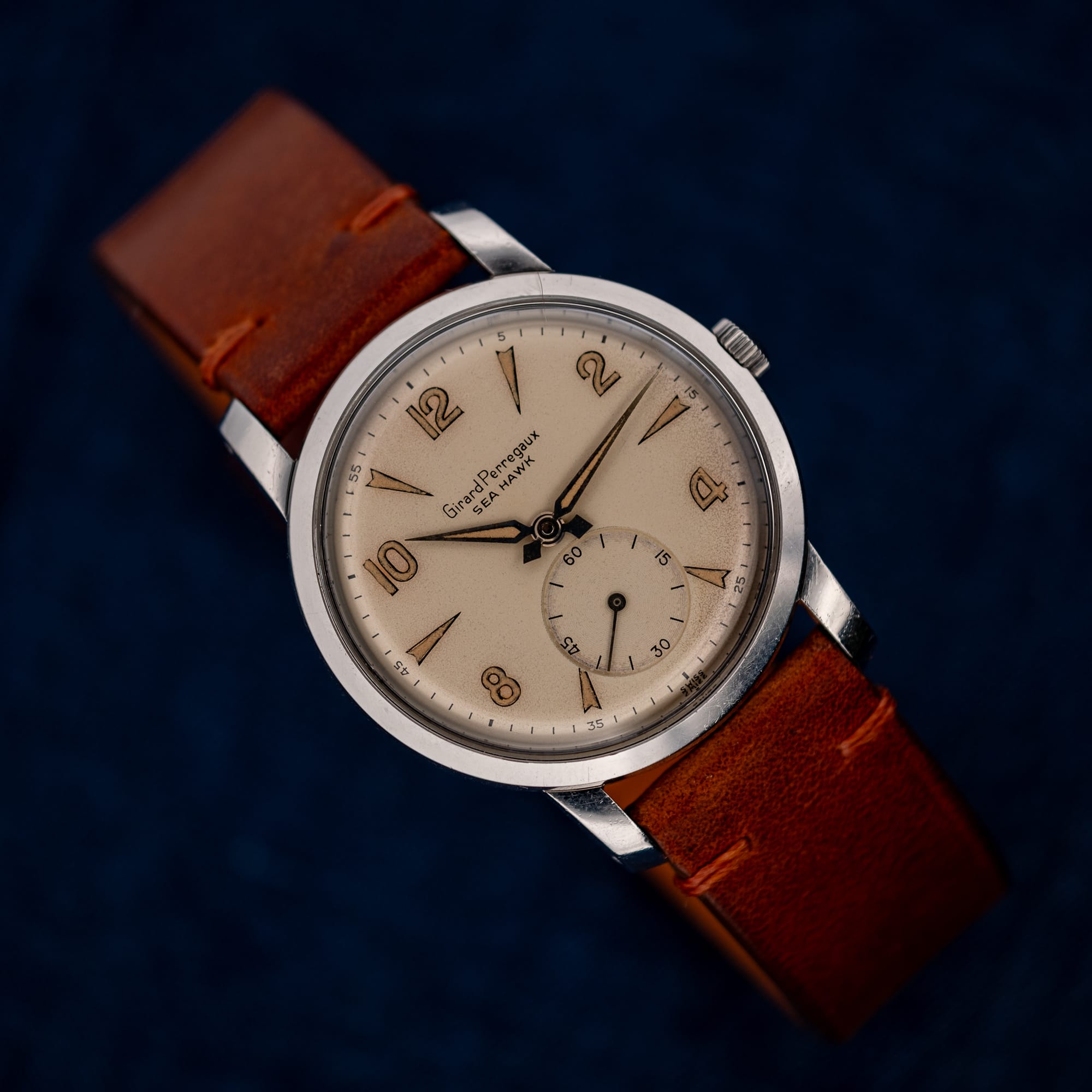
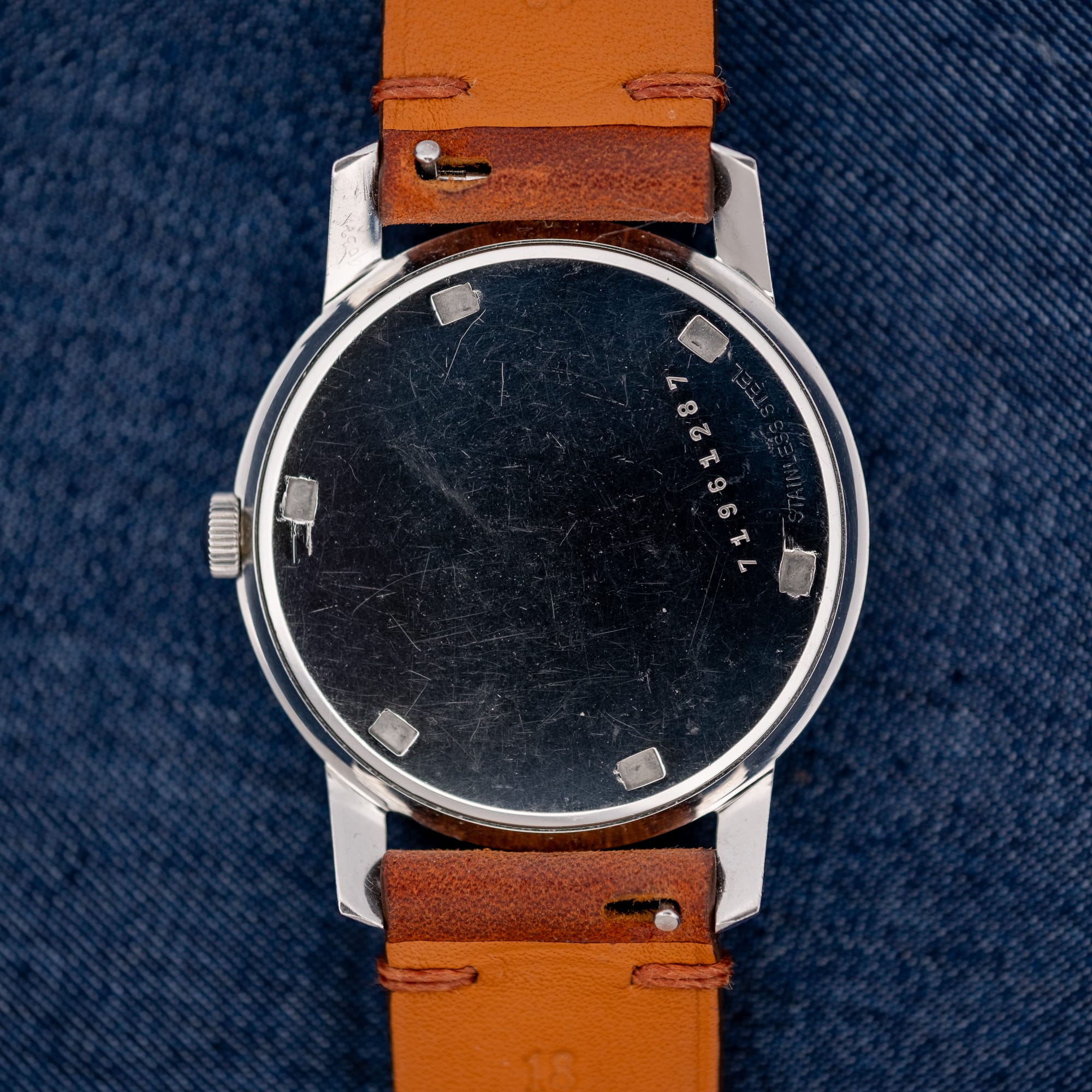
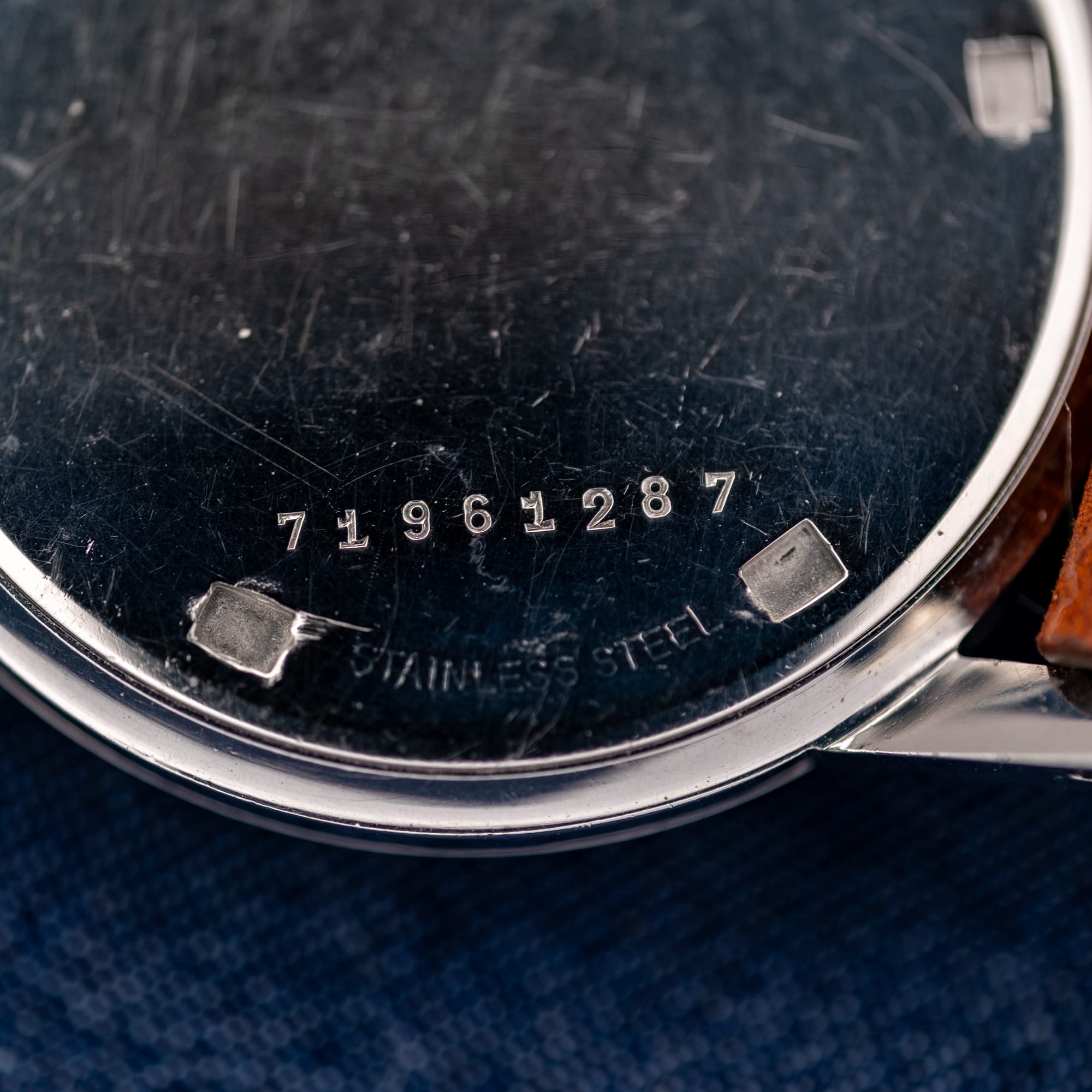
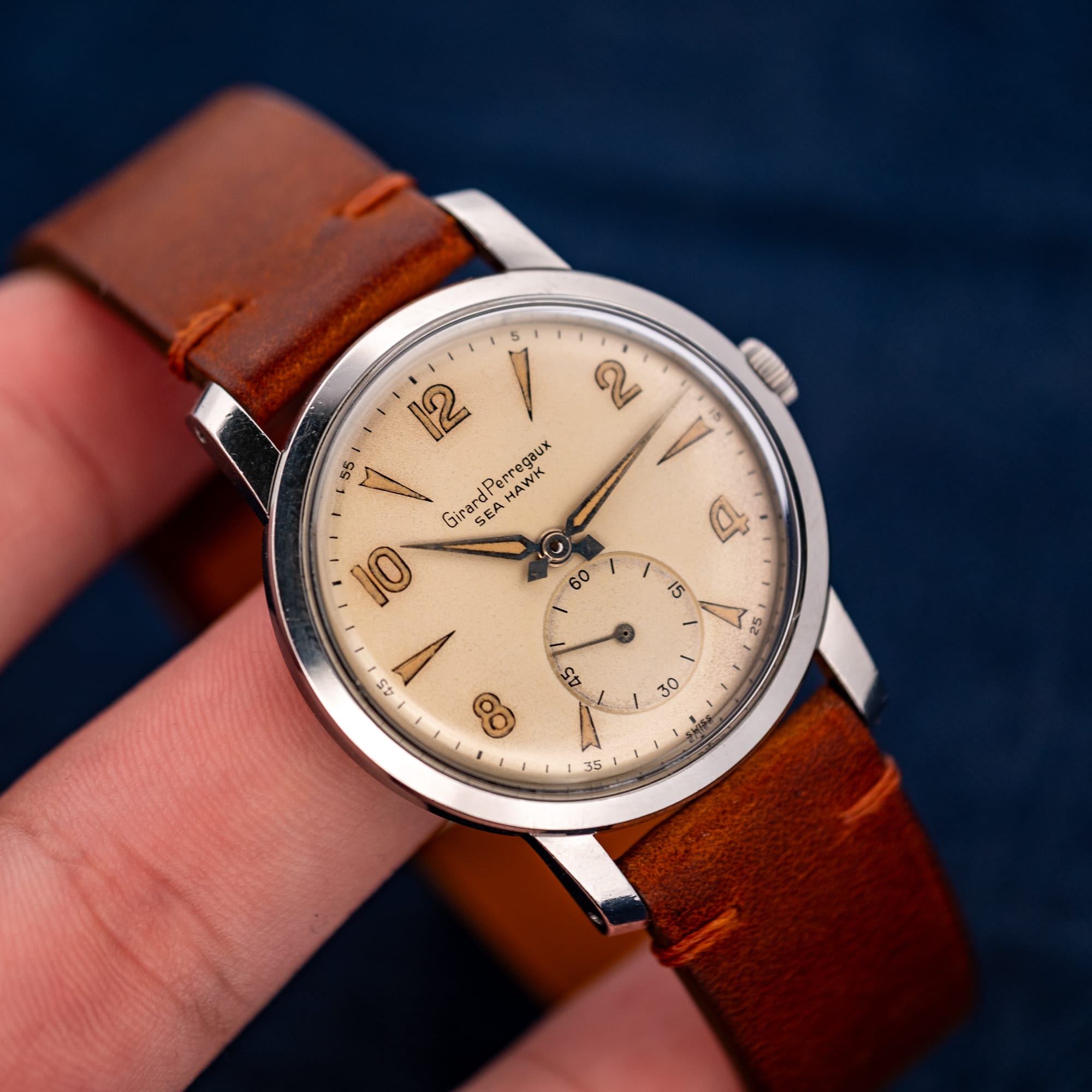
This example is a compact, hand-wound Sea Hawk. Its stainless steel case measures 34mm across and 41mm from lug to lug. There is no rotating timing bezel or date window, just the hours, minutes and a separate seconds dial at six.
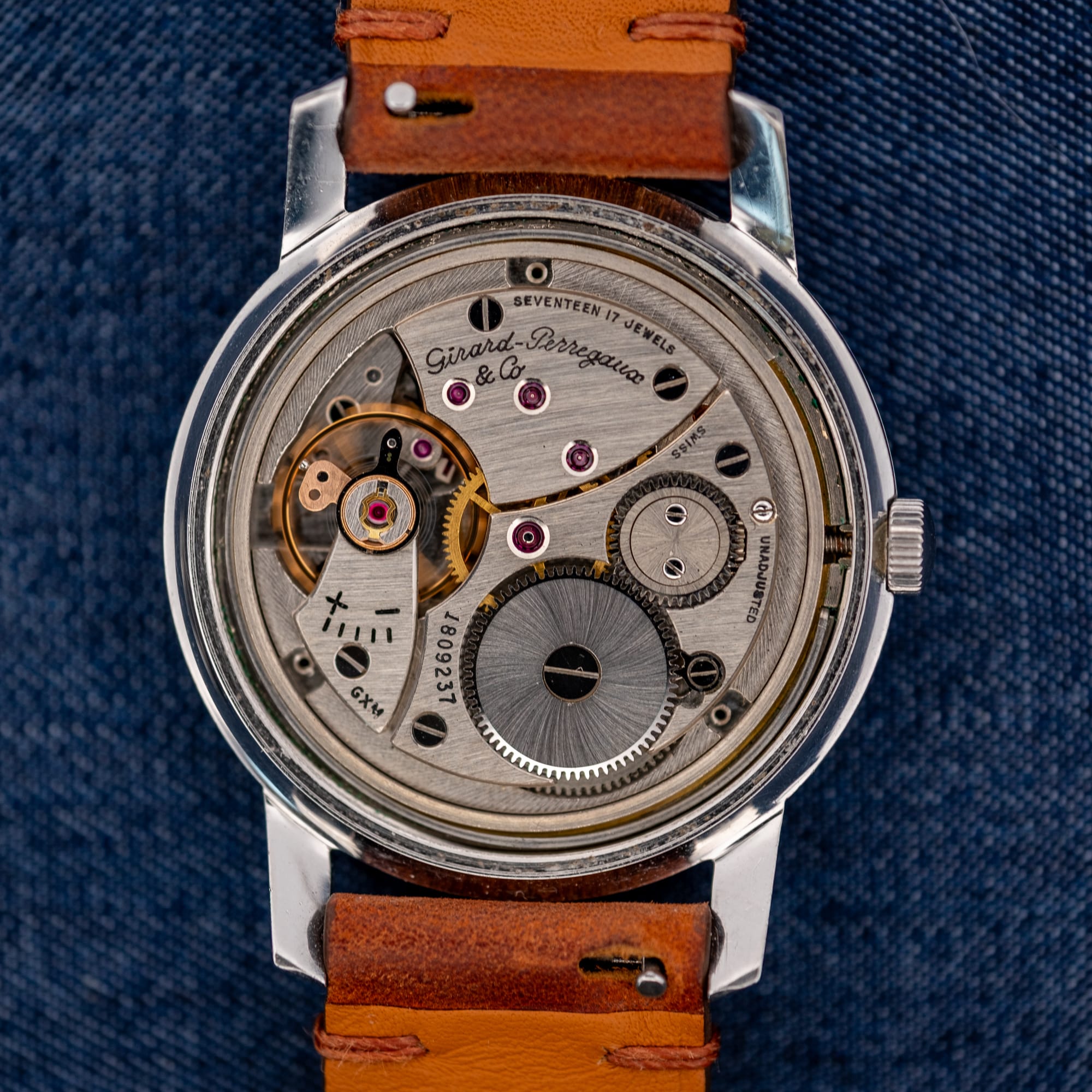
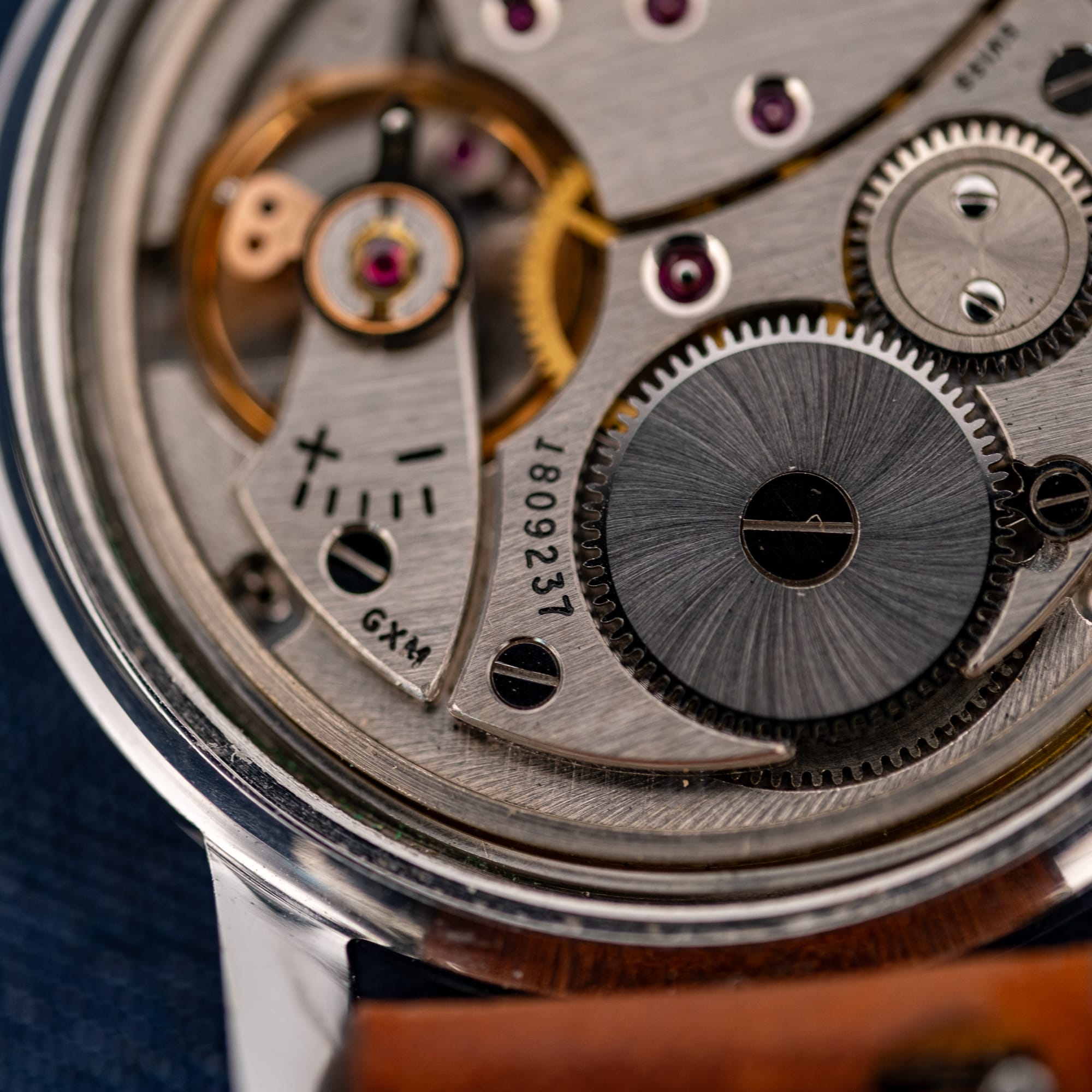
Inside is the manually wound, 17-jewel caliber 18-993. Turning the crown winds the mainspring directly; there is no automatic winding rotor. That brief winding routine is part of the appeal of a hand-wound watch. The absence of a date also keeps setting straightforward: when returning to it after a few days, there is only the time to set.
We would wear this one with an Oxford shirt and a well-used jacket, without saving it for an occasion. The eggshell dial and brown leather strap suit that less formal approach. Knowing how Girard-Perregaux once advertised the Sea Hawk makes that feel particularly fitting: “active service” and “coin-thin,” in the same watch.