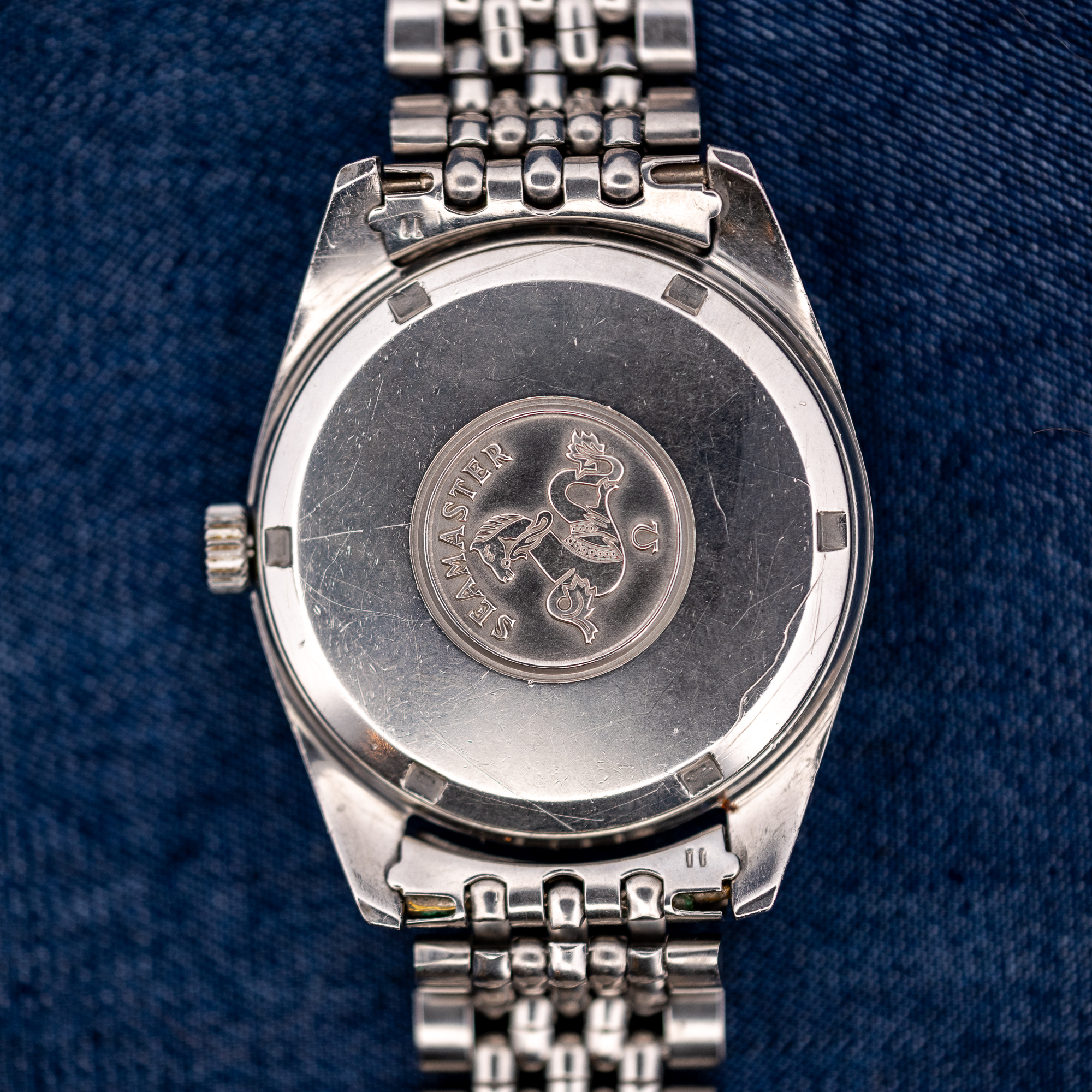
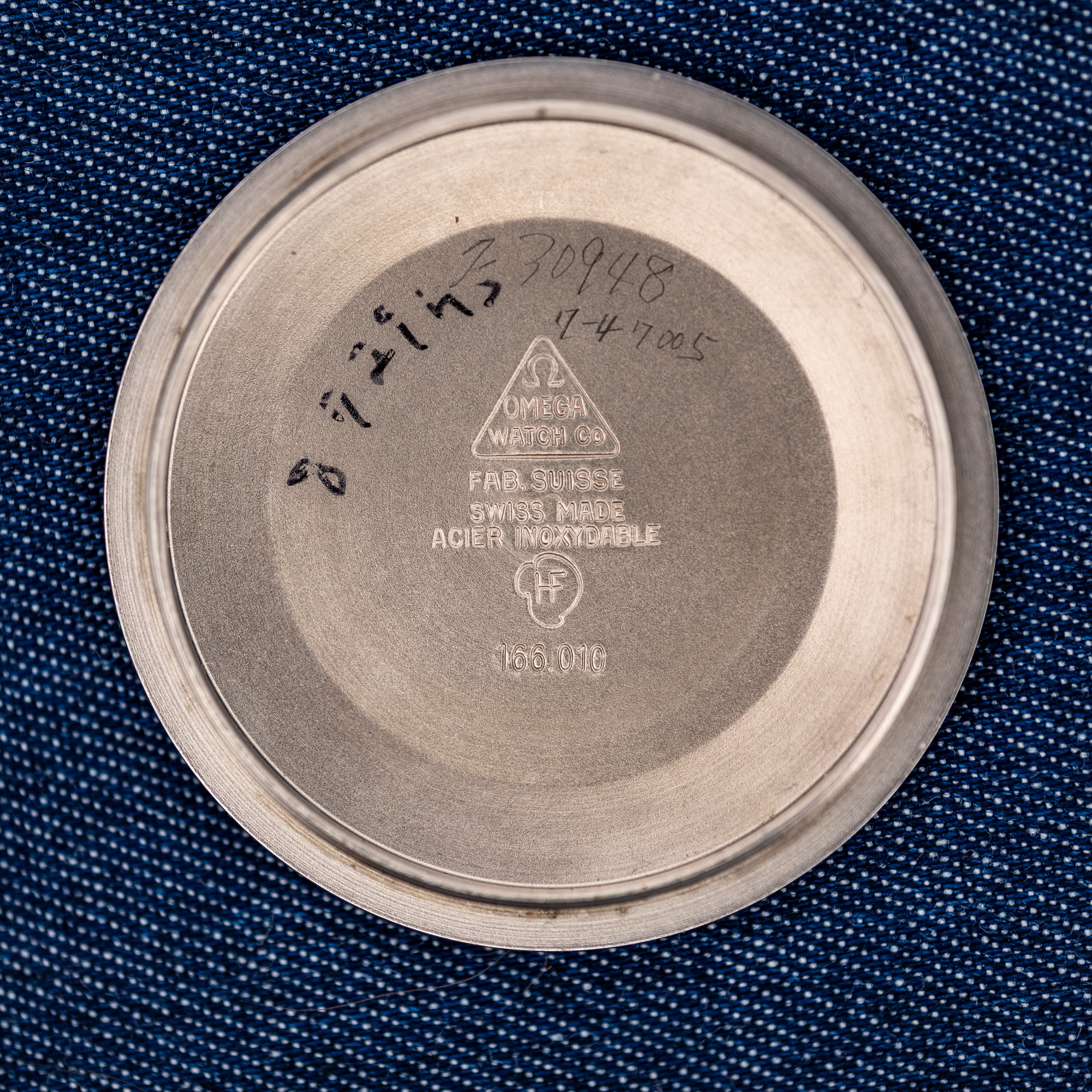

Turn an Omega Seamaster 166.010 over and the caseback shows a creature a good deal older than the watch. The hippocampus of Greek myth has the forequarters of a horse and the tail of a fish, and Omega draws it with bridles, as the mythological depictions do. The figure came to the company through an engraver named Jean-Pierre Borle, who worked for Omega in the 1950s and found his inspiration for it in Venice, a city whose own imagery is full of the creature. The accounts differ on exactly which Venetian image set him off, but they agree on the city, the engraver and the creature. In the late 1950s Omega adopted his hippocampus as the mark of the Seamaster line, a creature of the sea for a line named after it, and the line has worn it ever since.
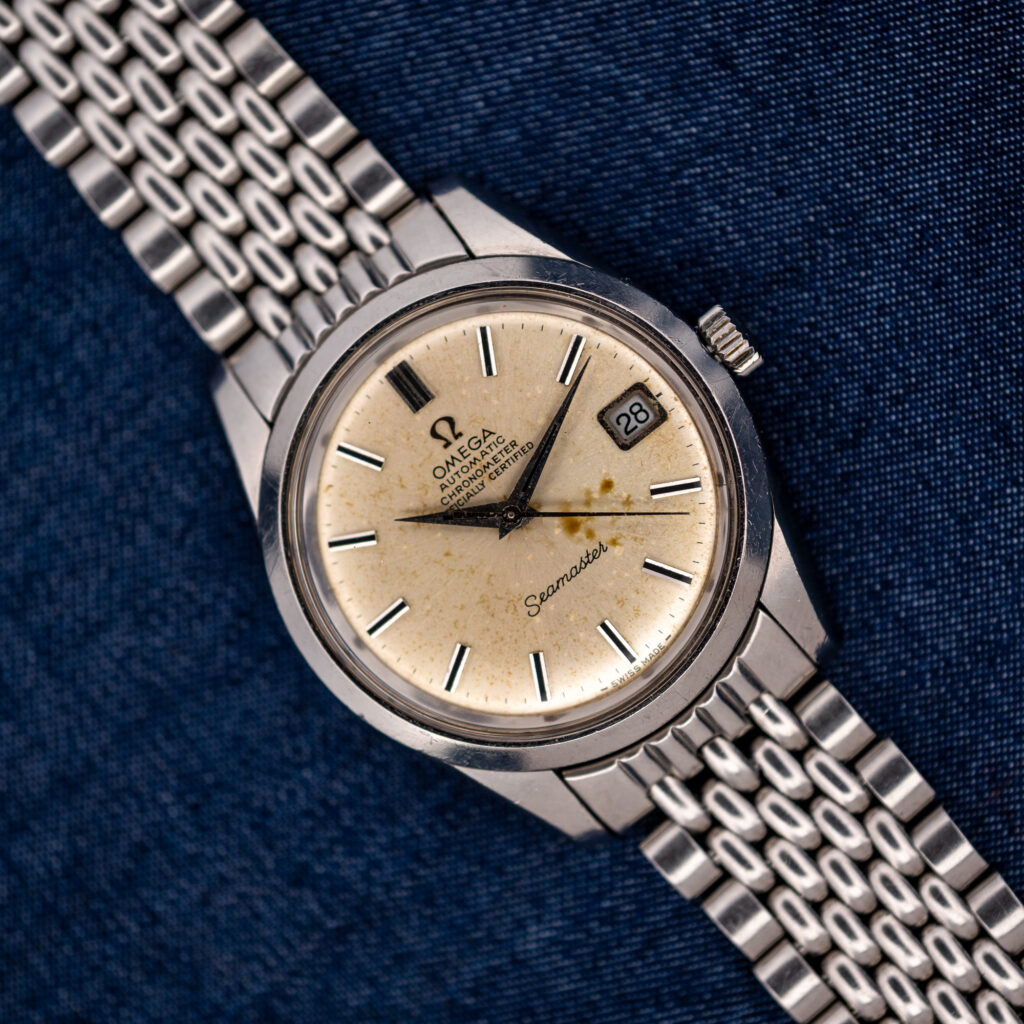
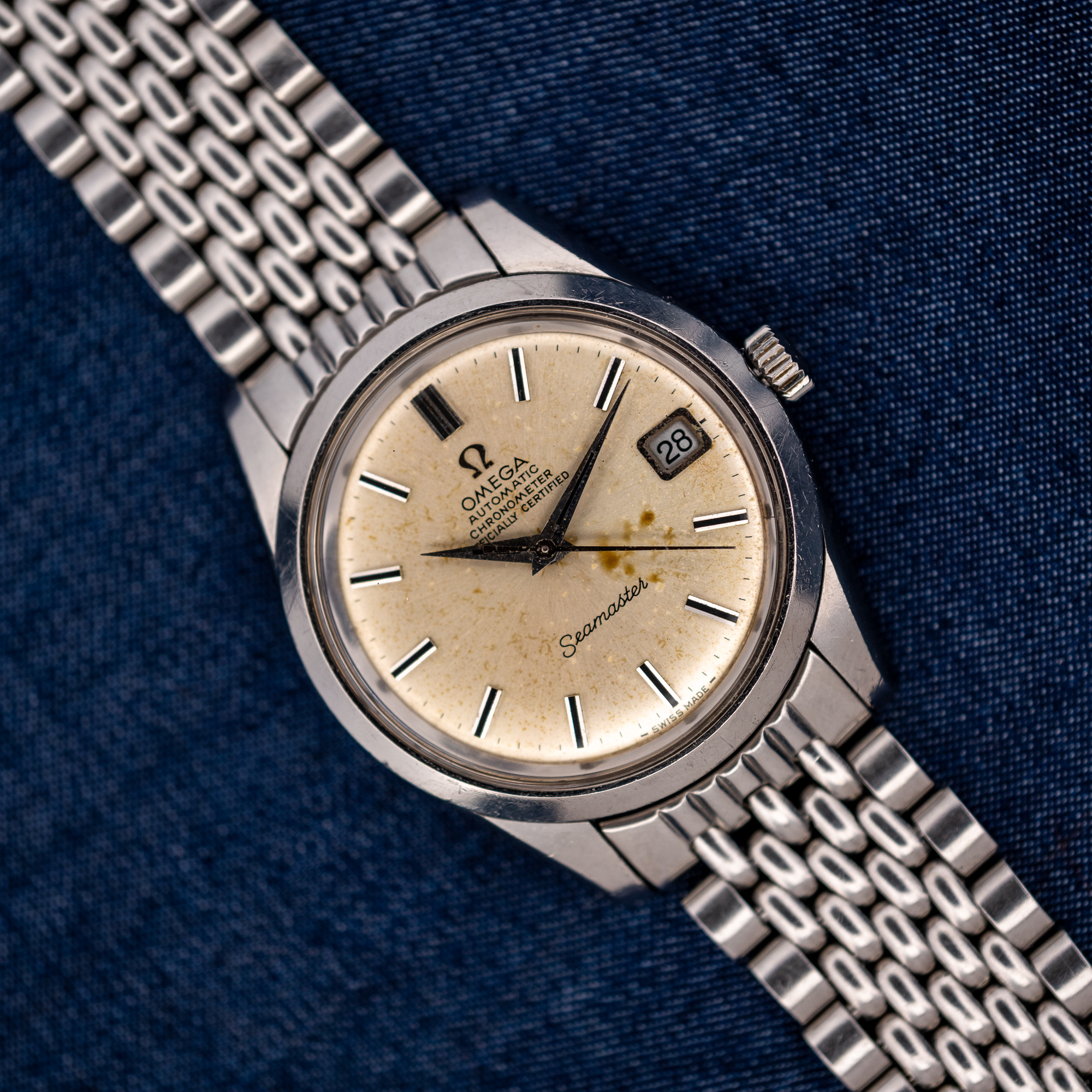
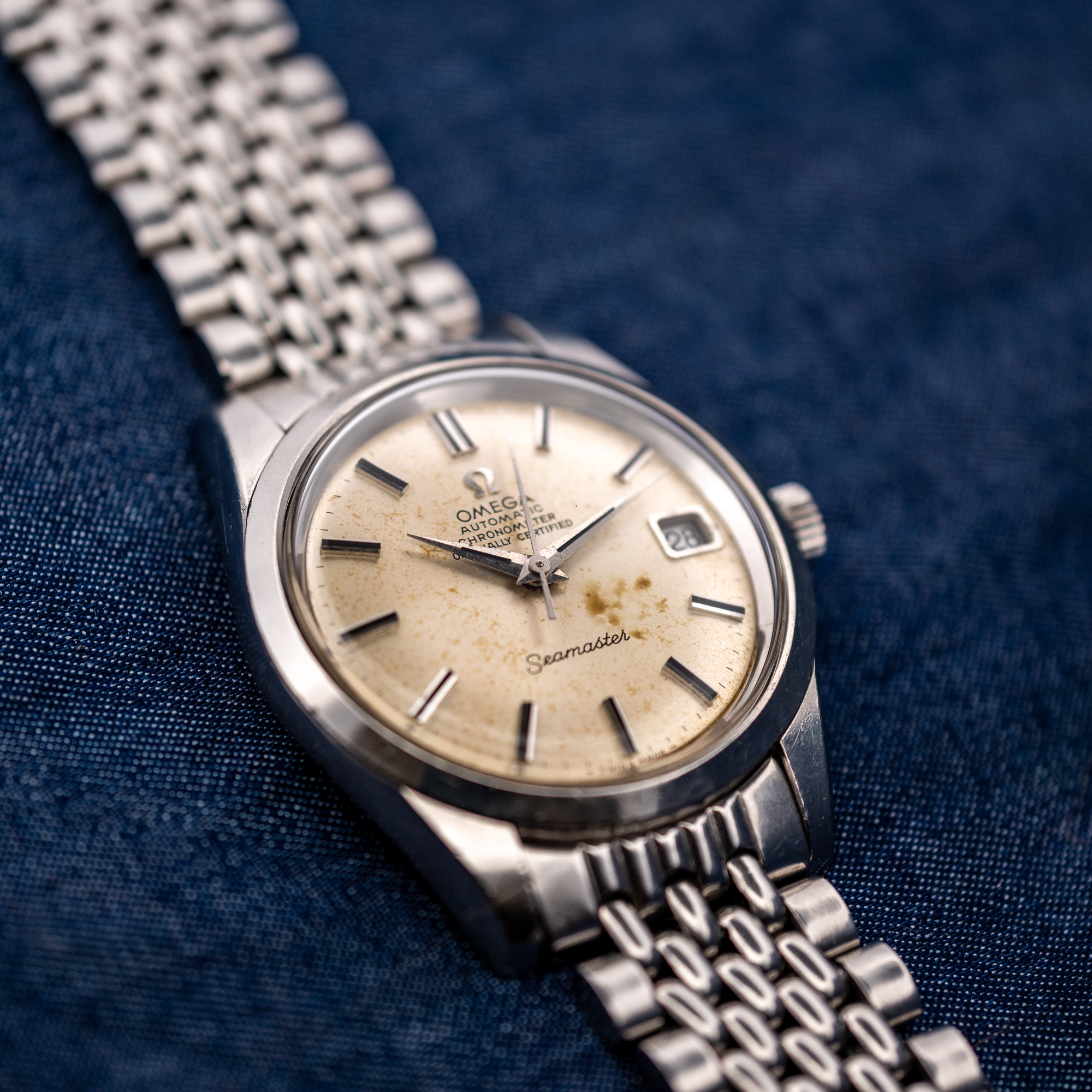
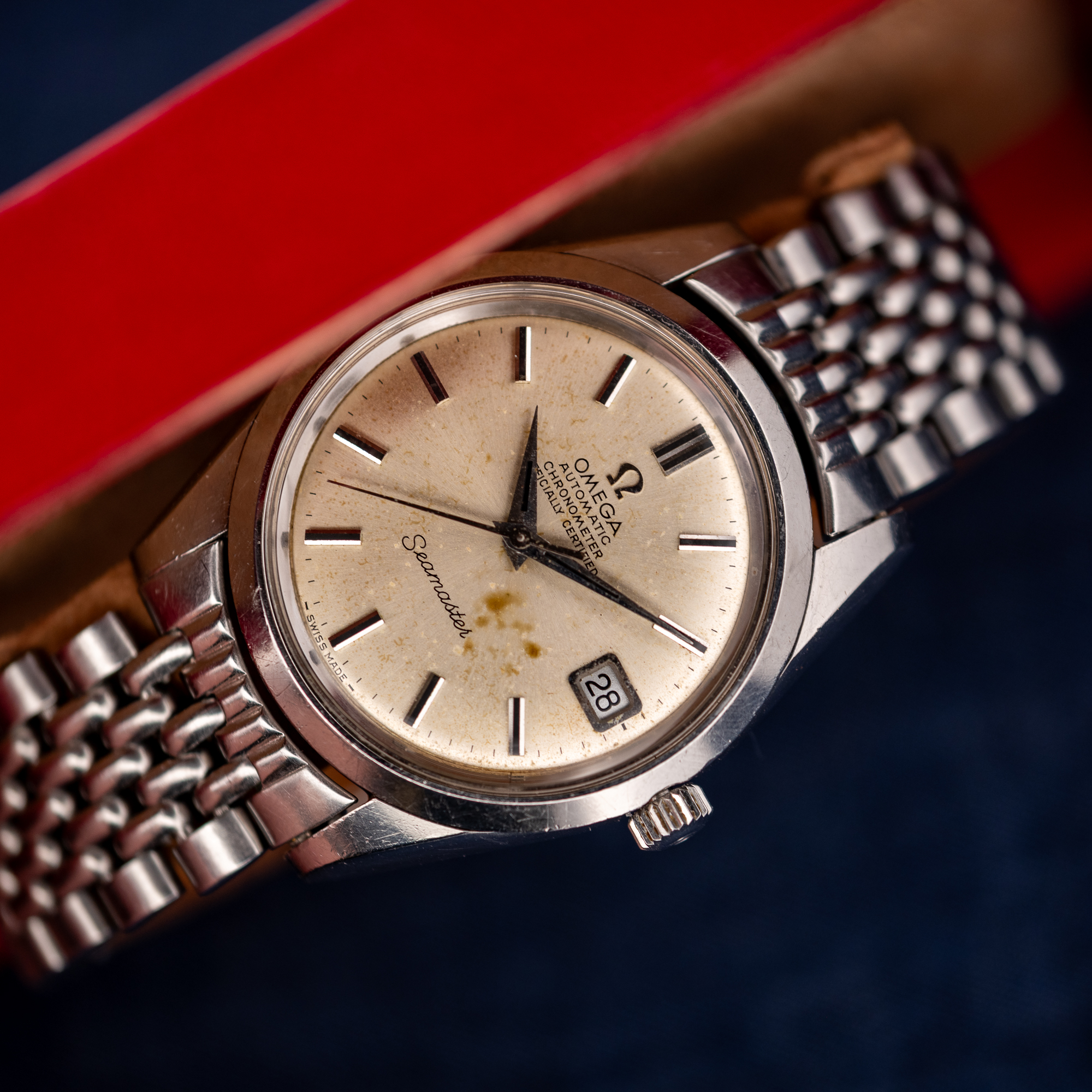
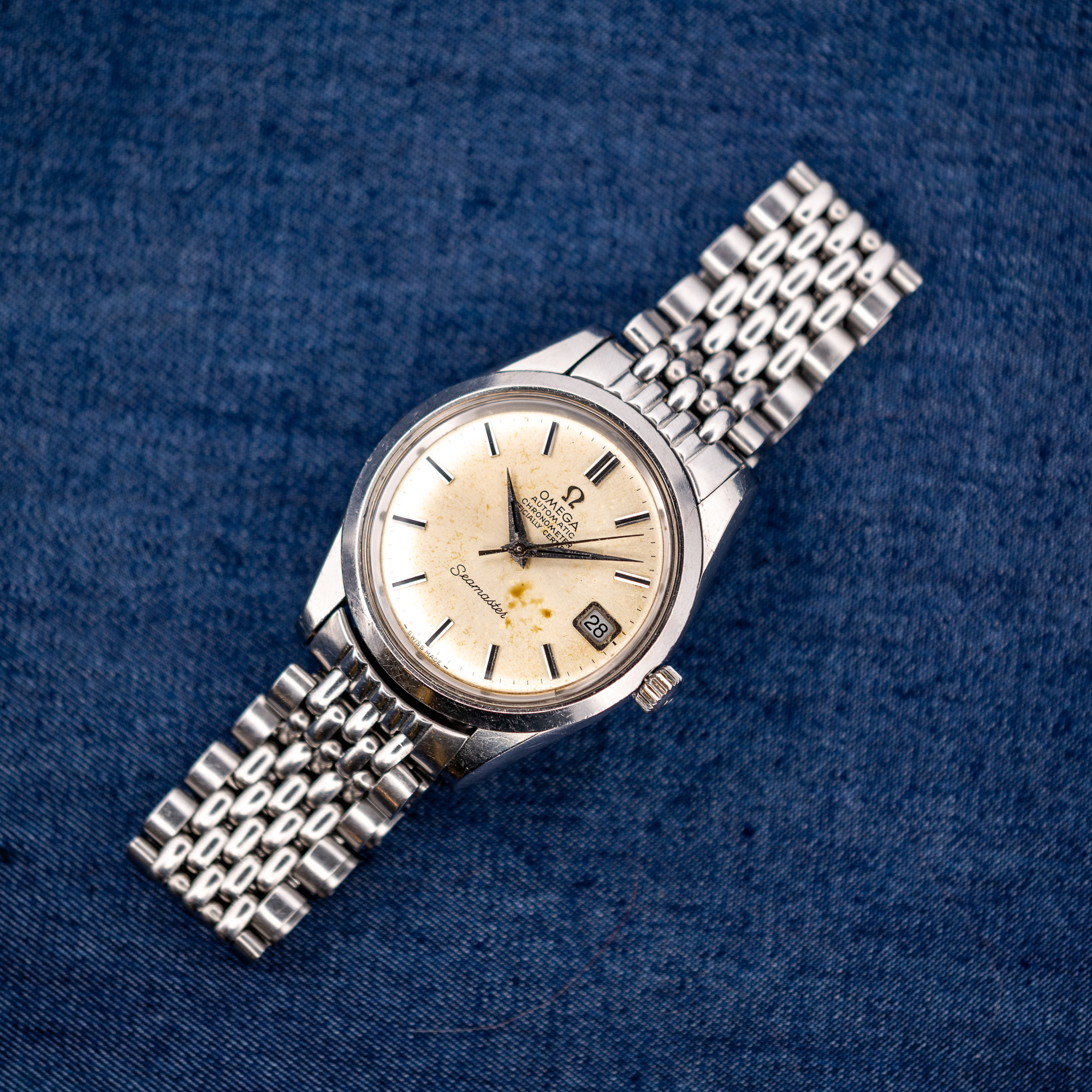
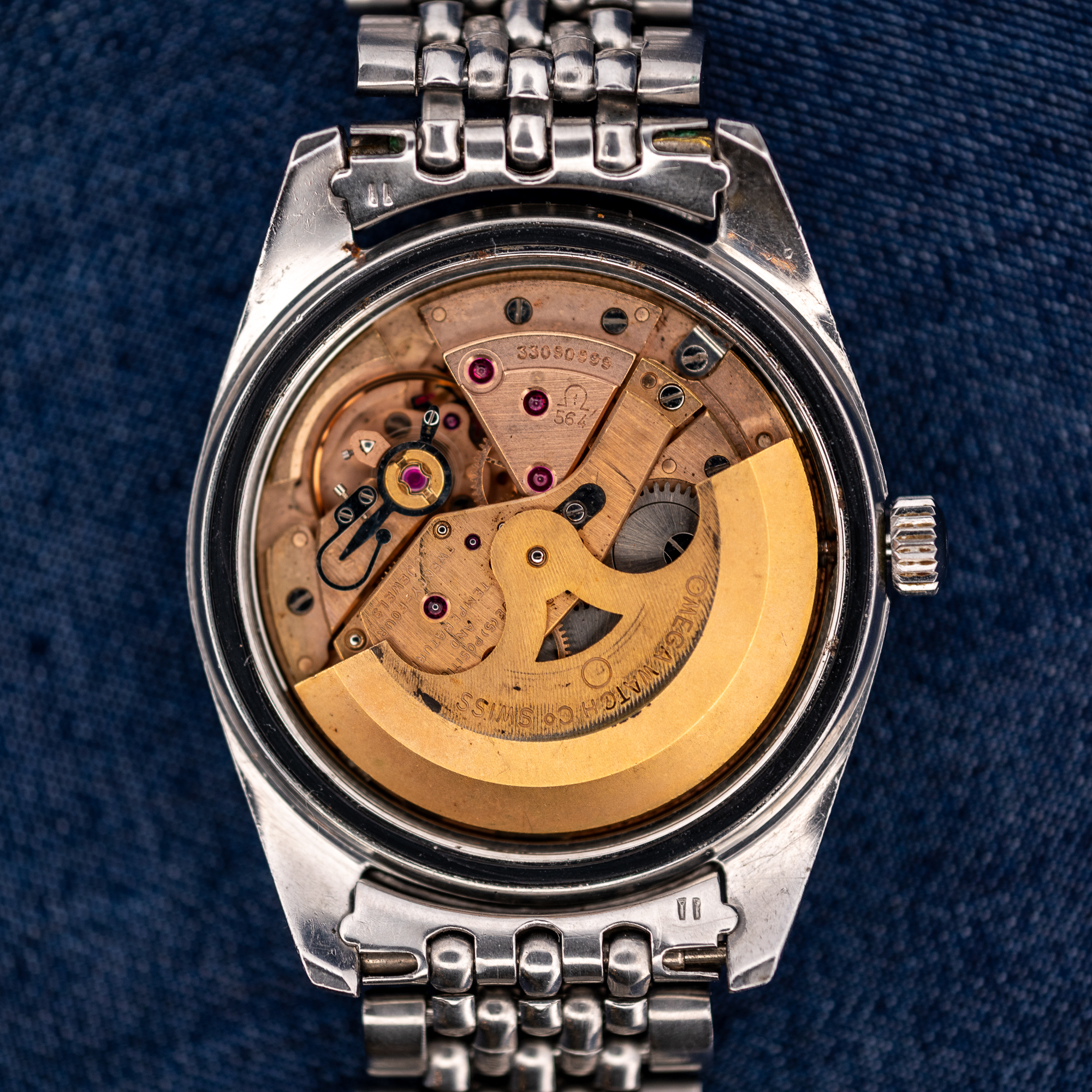
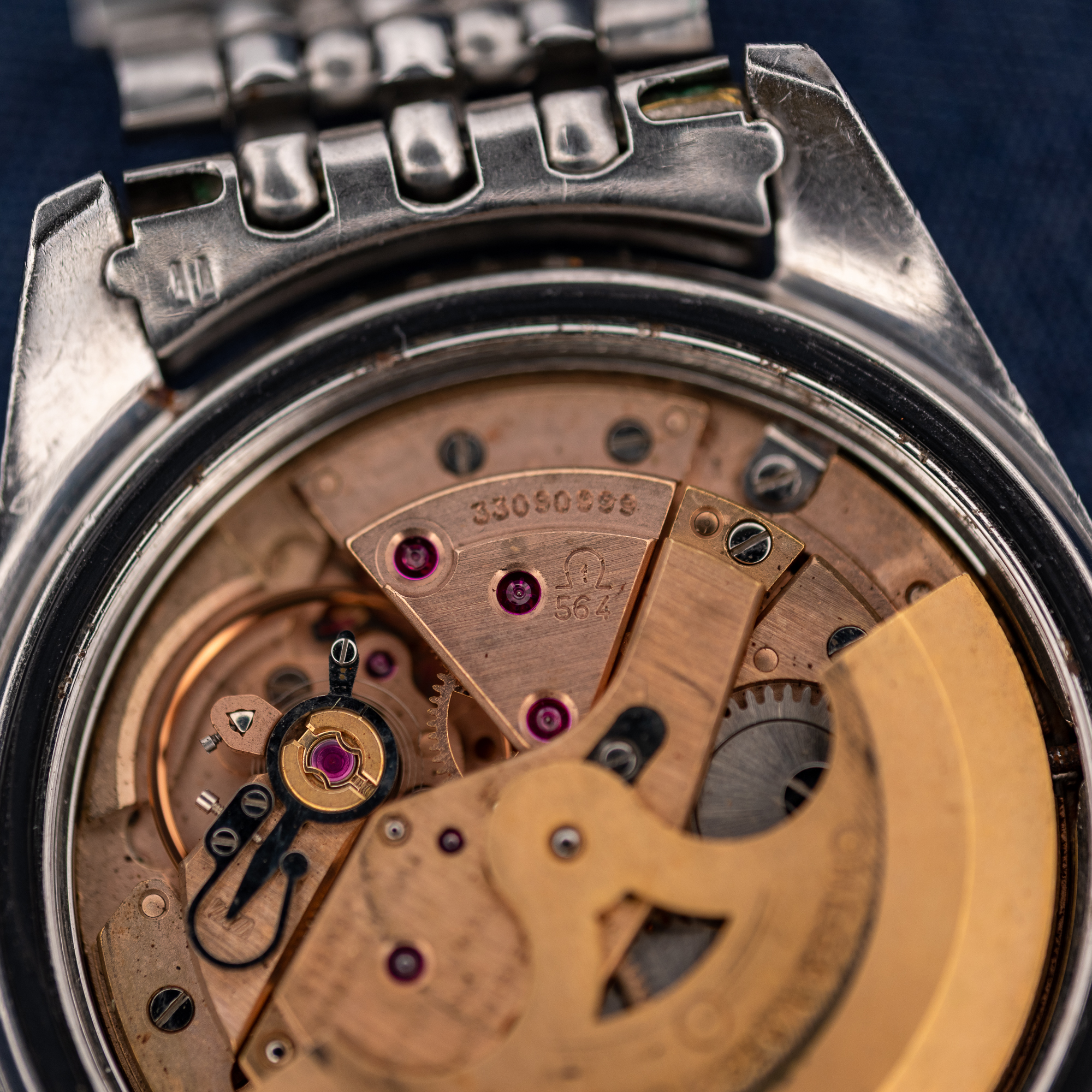
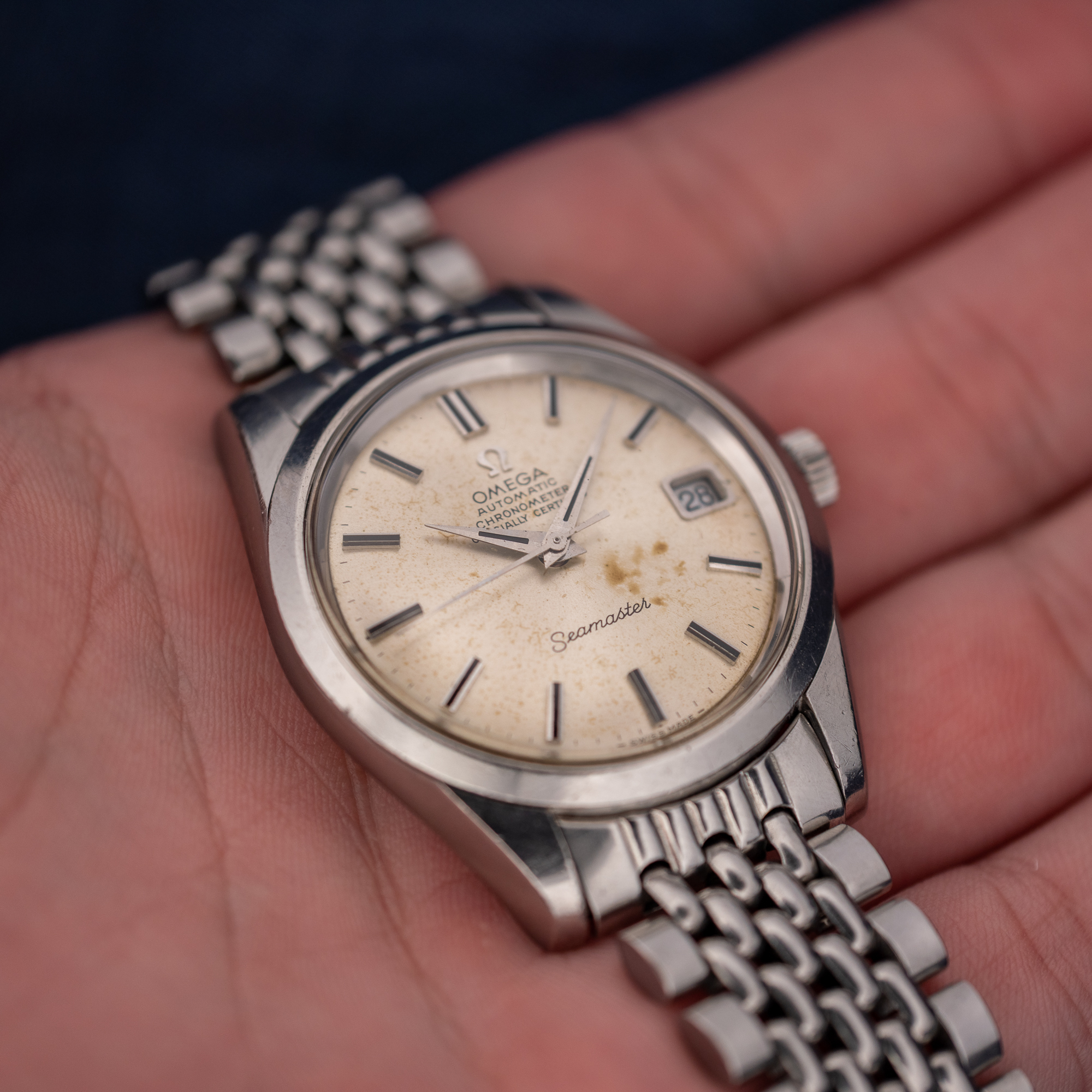
Omega calls the figure a seahorse to this day, and the name has stuck even though the bridles give away its mythological identity. The emblem did not stay on Seamasters alone and later appeared on other Omega casebacks, the Speedmaster among them, but the Seamaster is where it began, and this watch carries it as a medallion on a steel back that also carries the word Seamaster. The dial reads Automatic, Chronometer, Officially Certified, and the movement behind it matches those words: the caliber 564, a 24 jewel automatic with a quickset date, a chronometer grade within Omega’s 550 series of automatic movements. The inside of the caseback is stamped with a single reference, 166.010, beside the French marking for stainless steel. Dial, movement and case agree with one another, and that agreement is worth more to us than any single stamp.
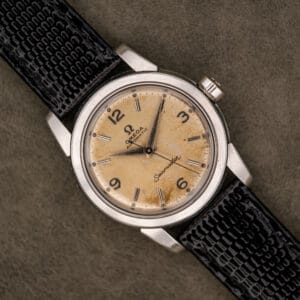
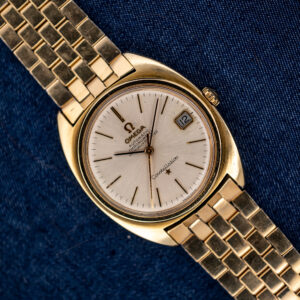
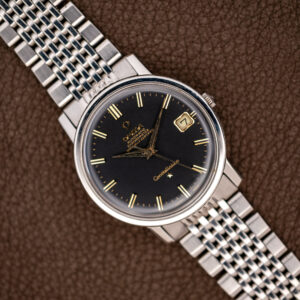
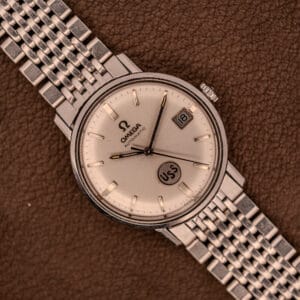
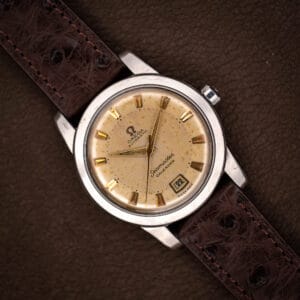
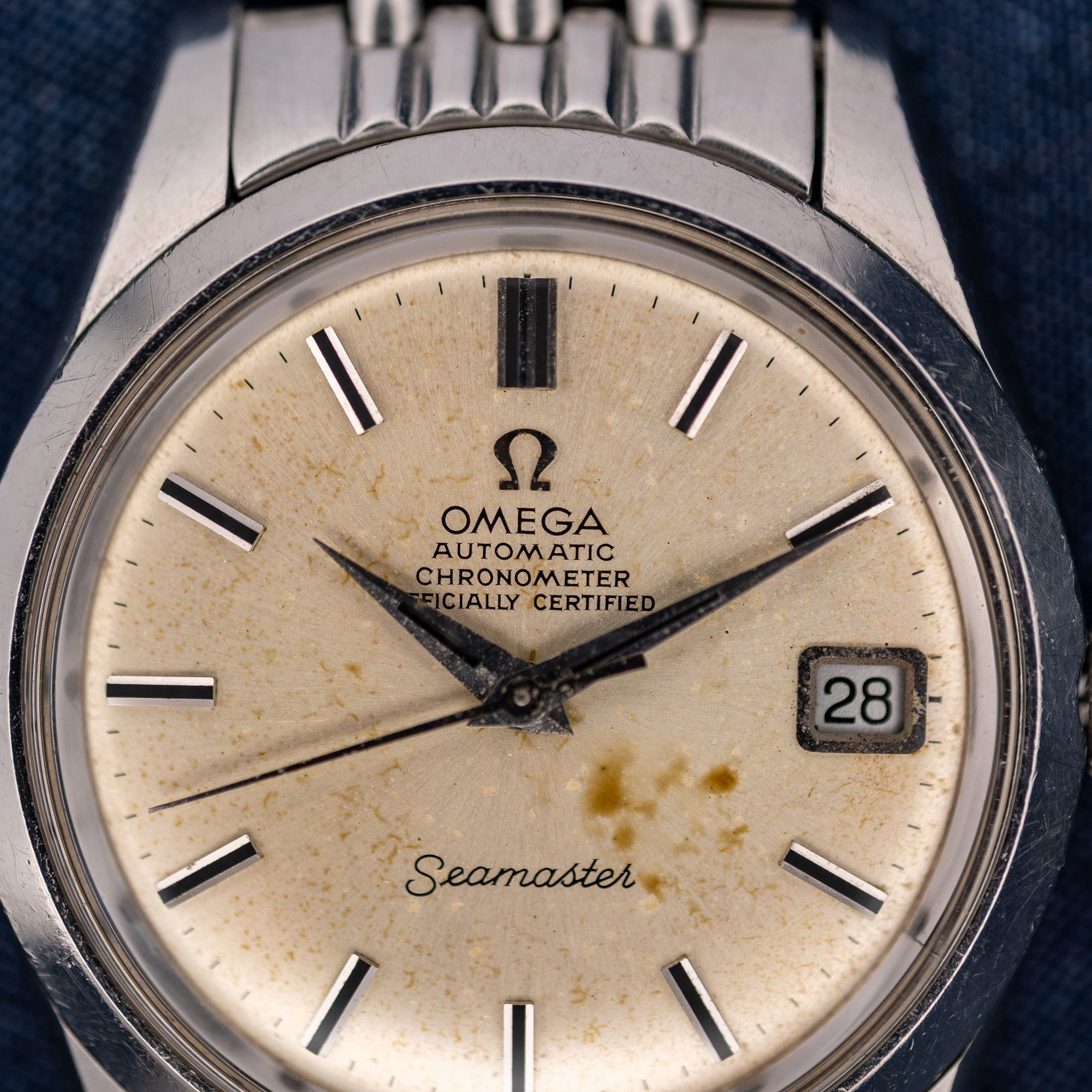
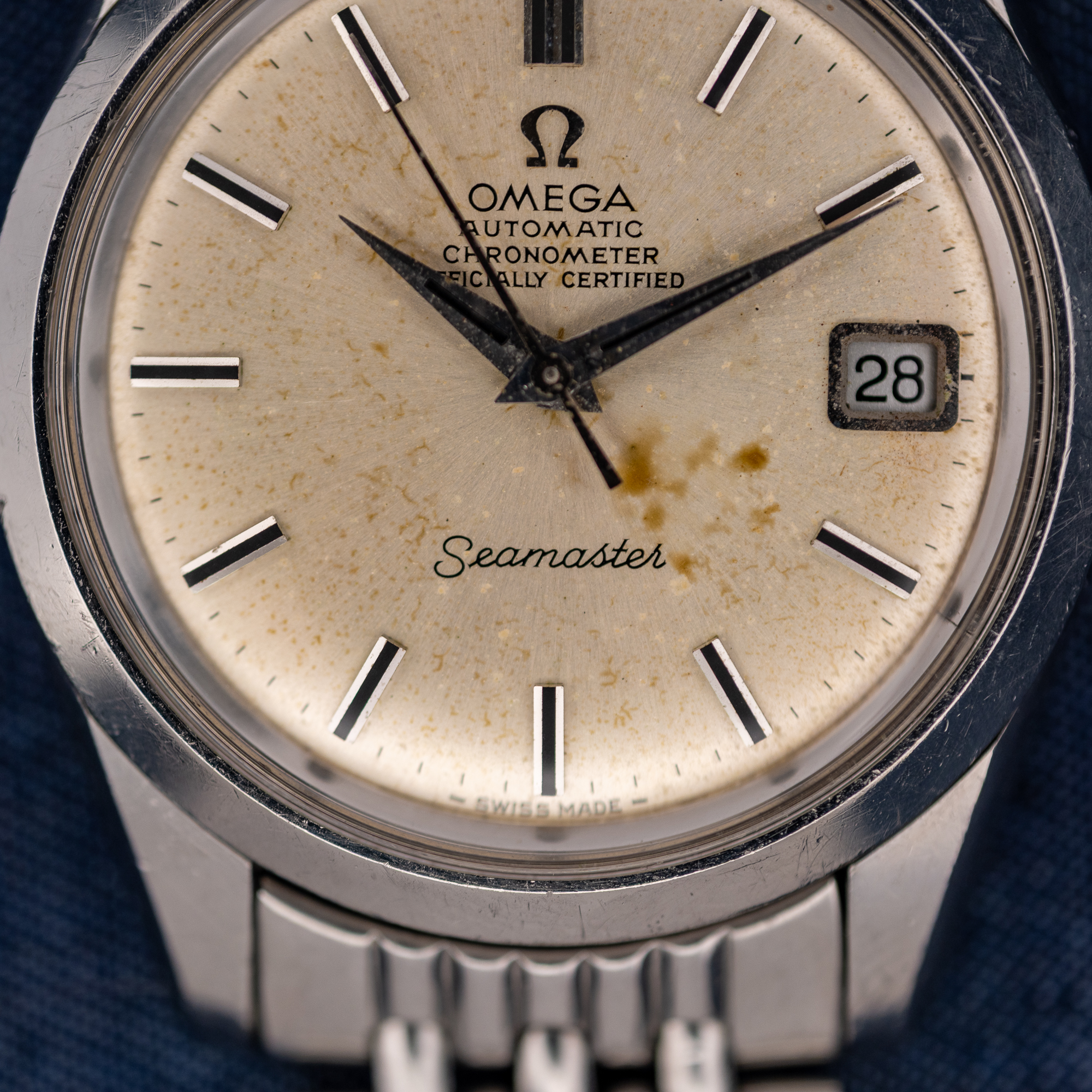
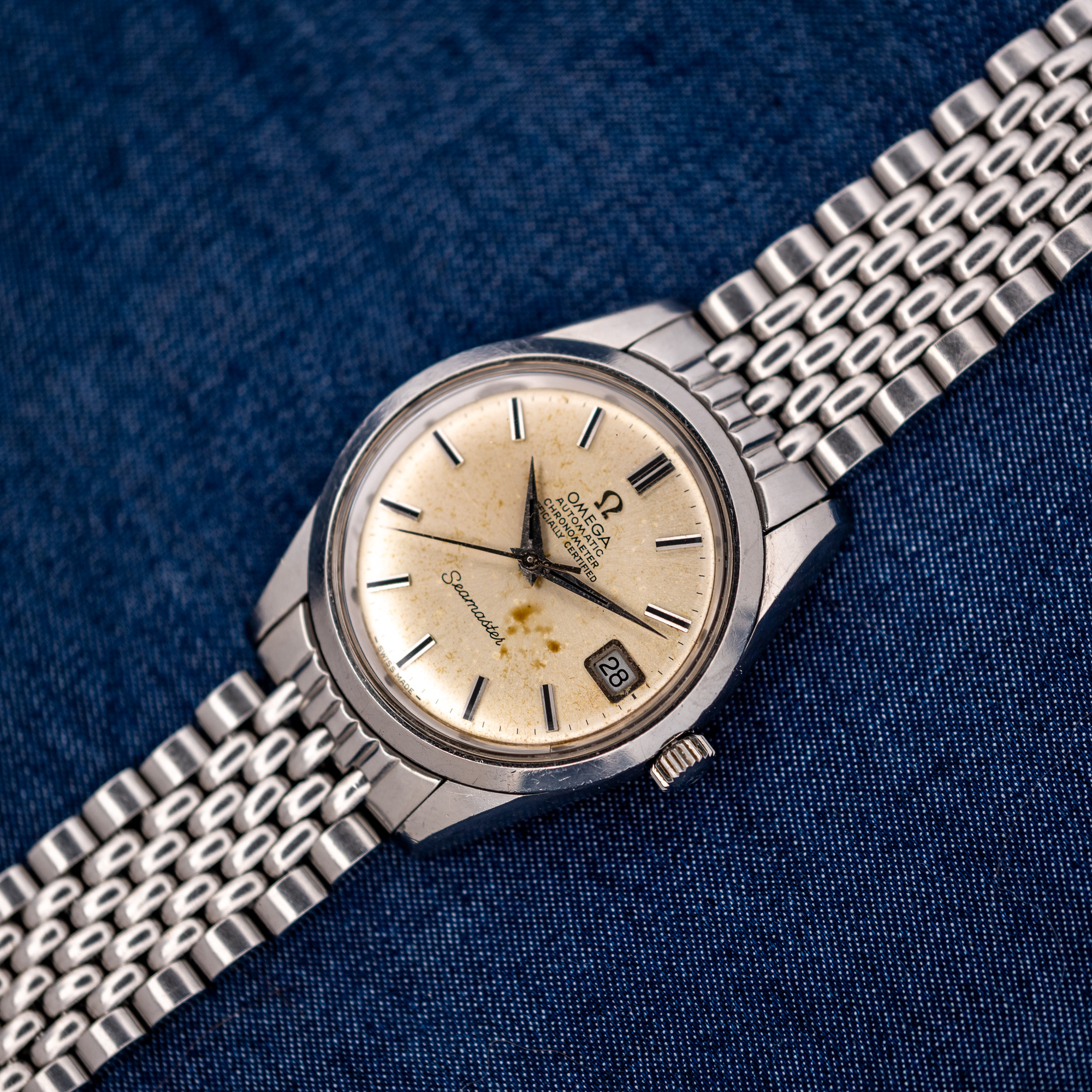
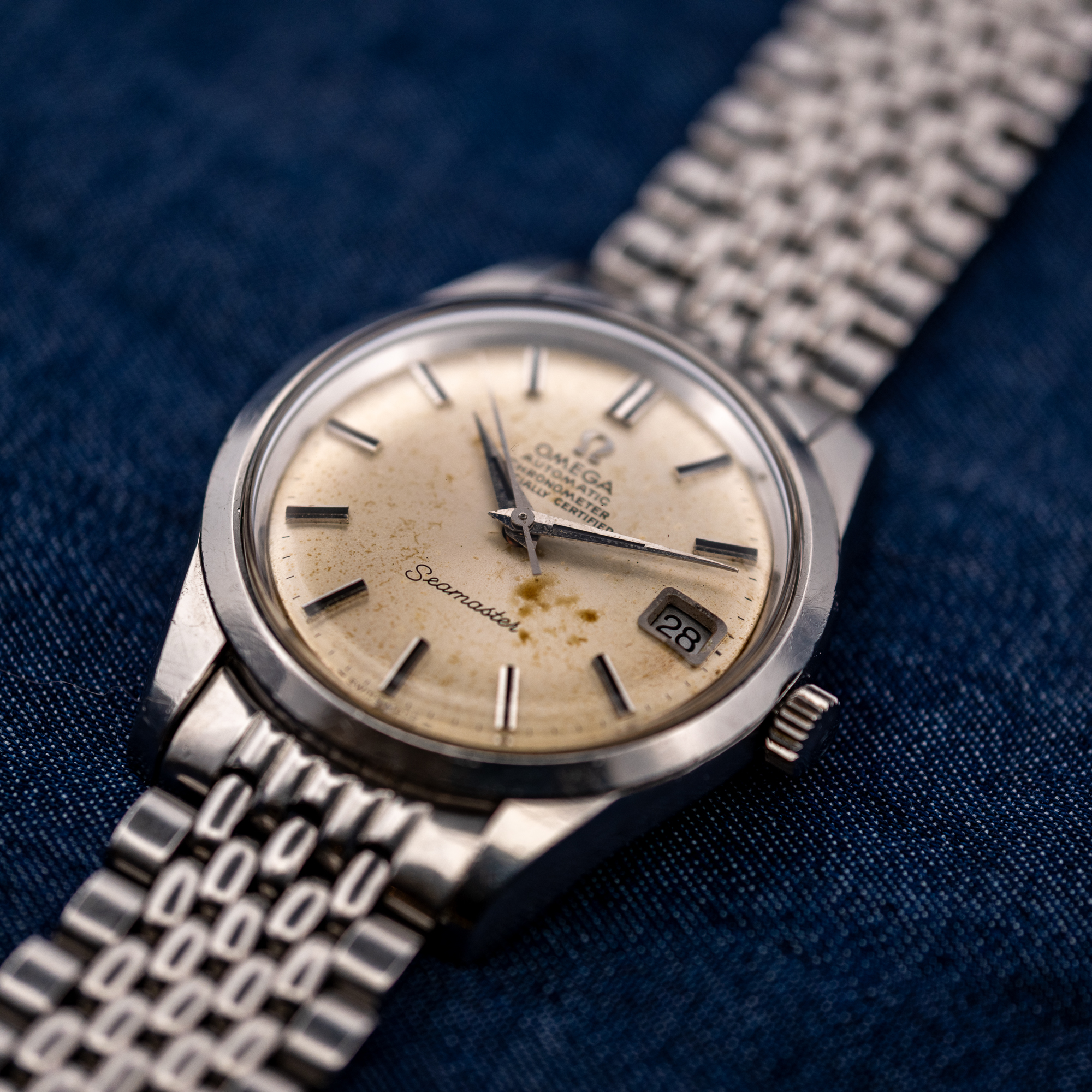
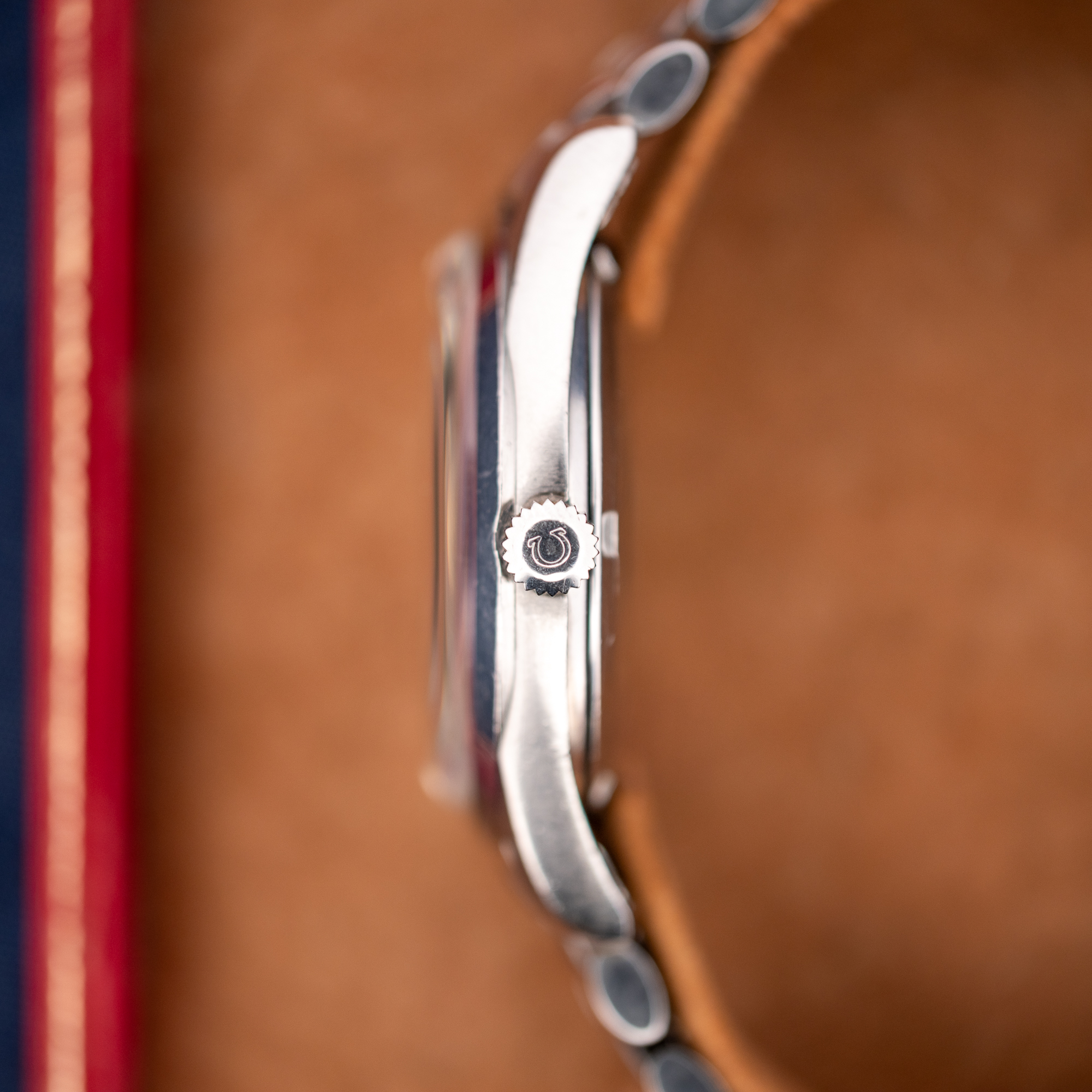
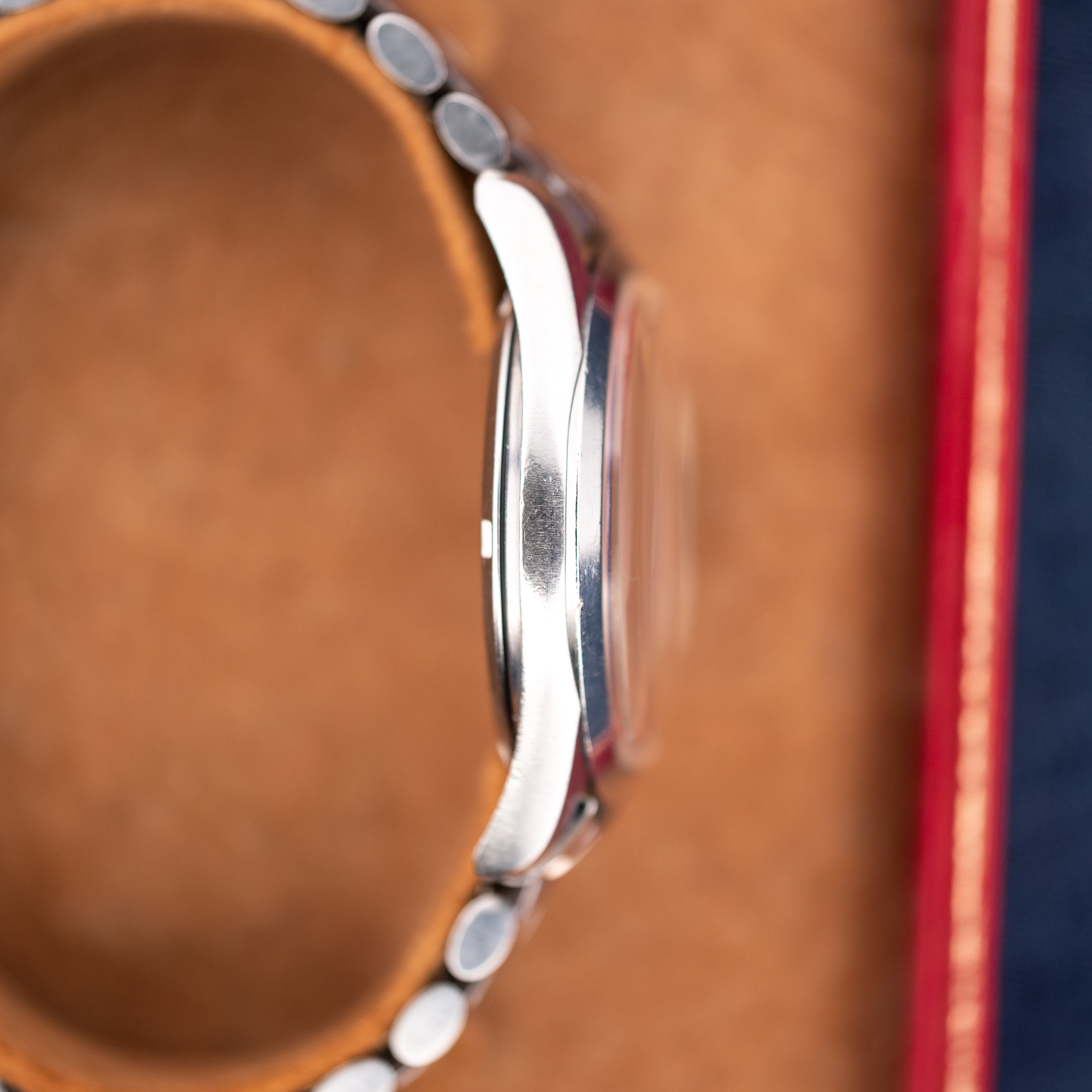
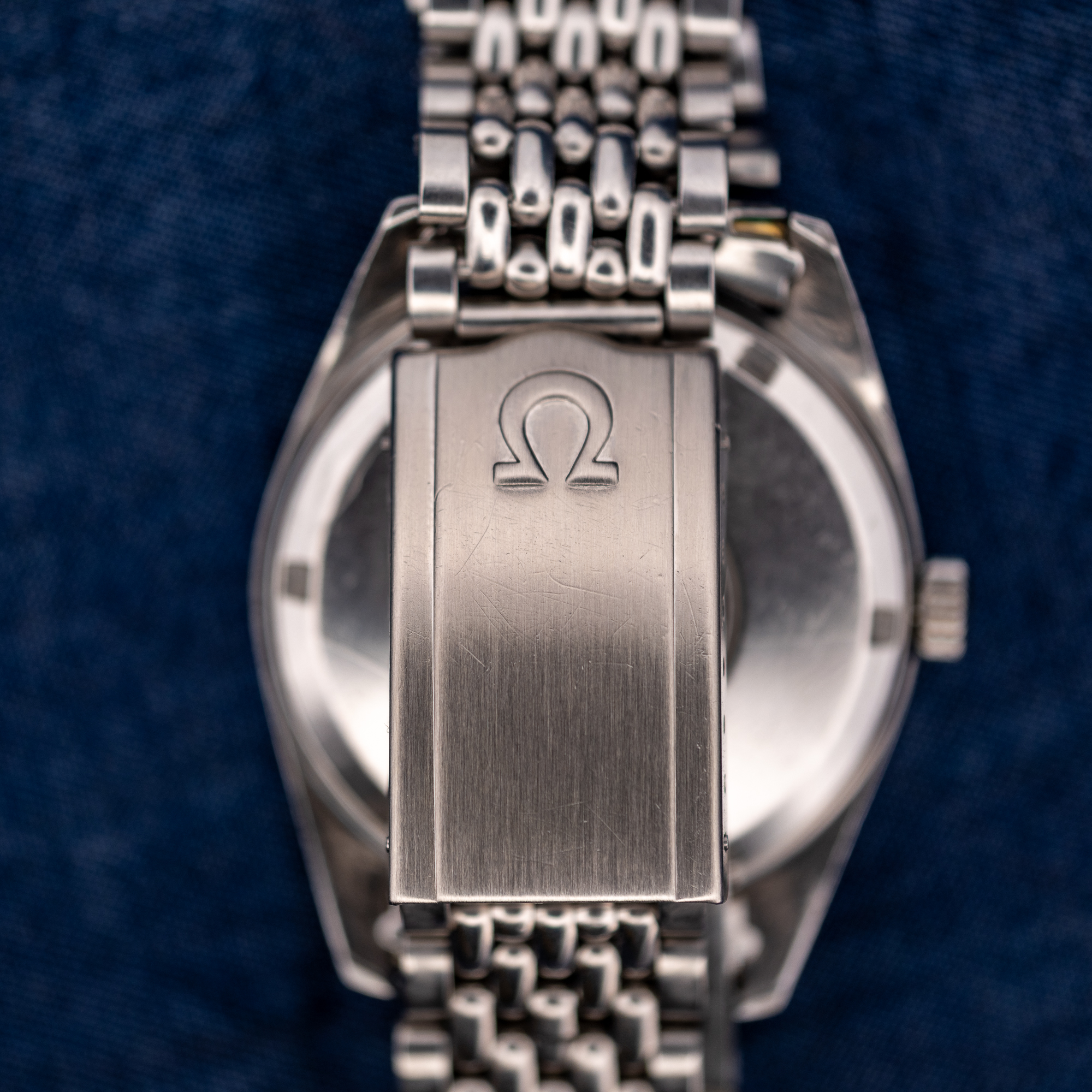
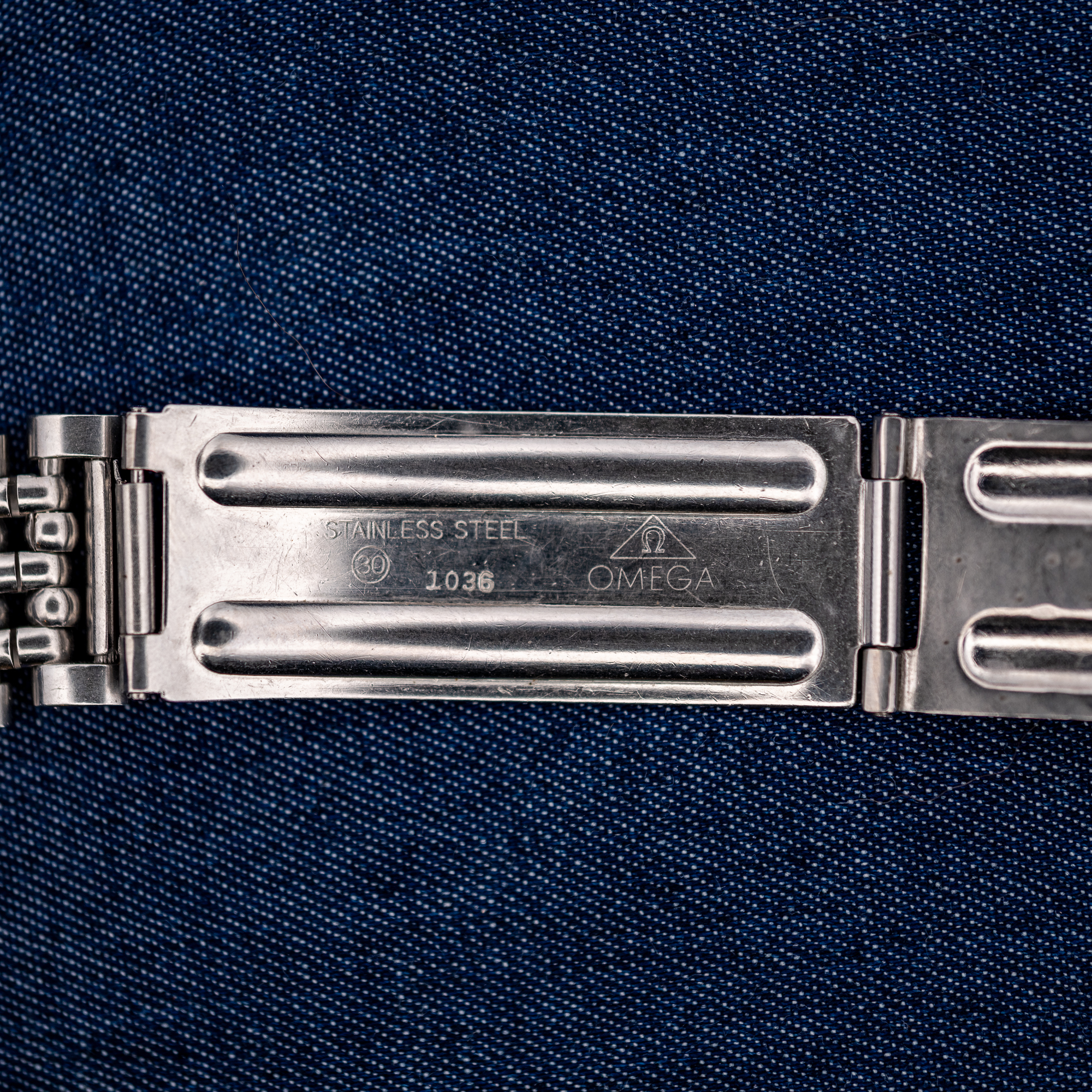
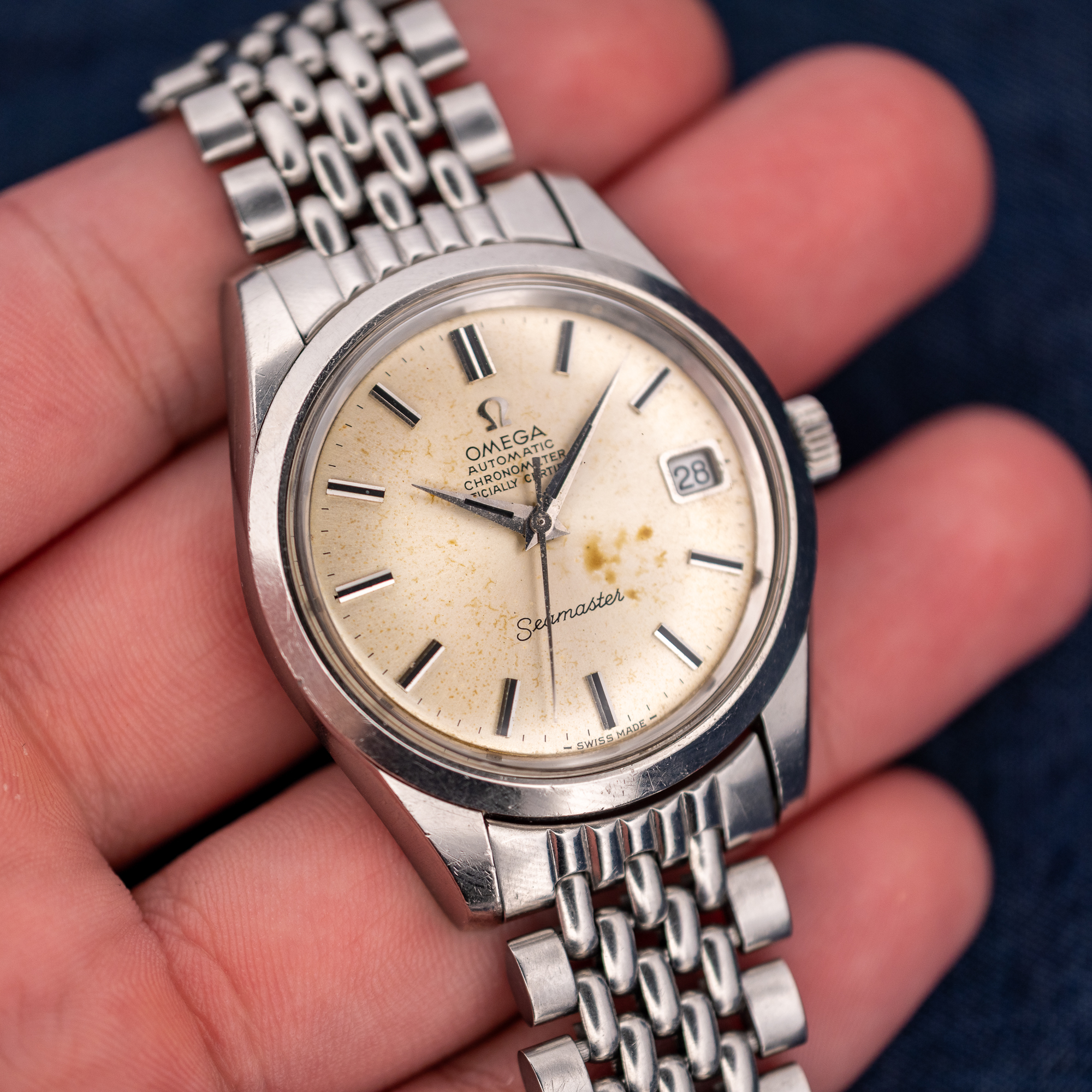
The case is stainless steel, 35mm across and 43mm lug to lug, with a smooth bezel, a raised crystal and a fluted Omega signed crown. The silver dial has taken on uneven warm toning, with a darker patch below the center, while the applied baton markers, pointed hands and framed date at three remain clear. The watch comes on a stainless steel multirow bracelet with an Omega signed folding clasp with a raised Omega emblem on its exterior, 18mm at the lugs, and fits wrists up to 7.75 inches. Borle’s hippocampus is a small thing on the back of this Omega Seamaster 166.010, but it ties the watch to a named engraver and a real city, and that is the part we keep returning to.