
Success is a strange origin for a watch collection, but that is how the line behind this Omega Constellation 168.010 began. In 1948 Omega marked its hundredth year with a commemorative automatic chronometer called the Centenary, made in limited numbers rather than as a standing line.
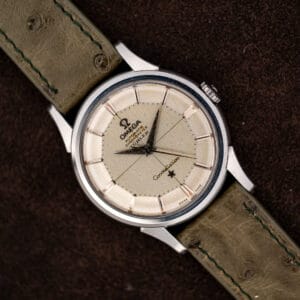
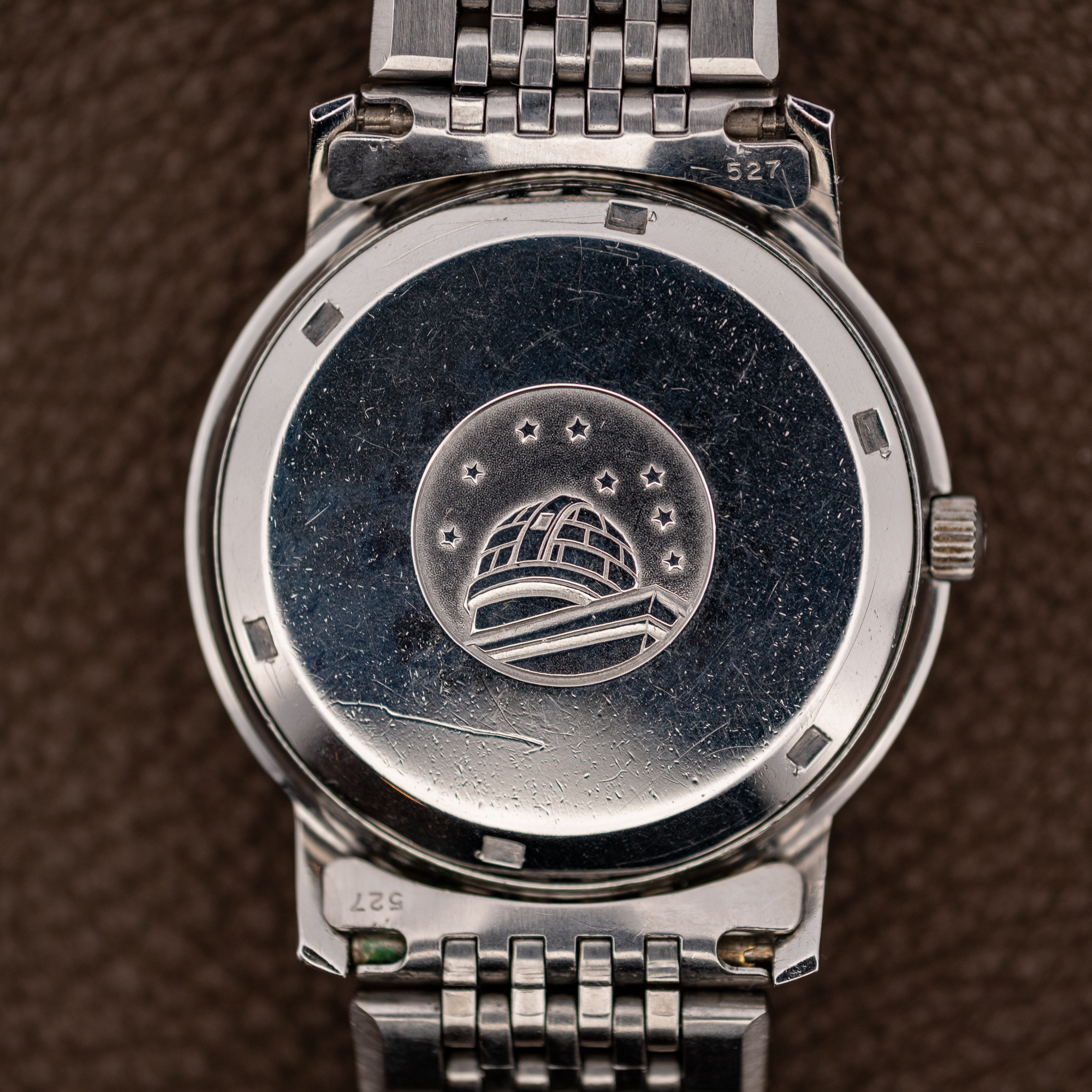
The reception was strong enough that Omega decided a series produced automatic chronometer deserved a permanent place in its catalogue. In 1952 the company introduced the Constellation, with a star and the model name above the six o’clock marker and a caseback medallion showing the Geneva observatory under eight stars, an image chosen to recall the precision records Omega had set at Kew Teddington in 1933 and 1936. A commemorative run had become a recurring collection, and the pairing of automatic winding with chronometer certification became the line’s defining idea.
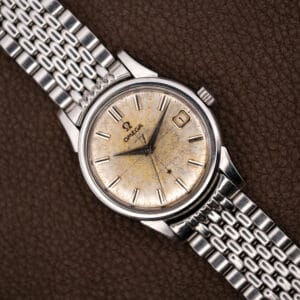
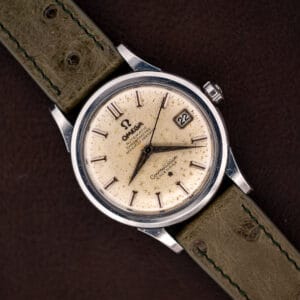
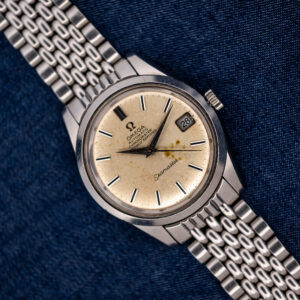
By 1962 the 168.010 had entered Omega’s international collection, and the brand’s own archive lists it with a date window, a screwed case back and the automatic chronometer calibers 561 and 564. The same entry allows either a pie pan type dial or a plain one, with riveted gold hour markers and dauphine hands, so this reference was never defined by a single dial form. Through the middle of the decade the wider Constellation range was moving toward flat dials and new case shapes, while the 168.010 kept the round profile of the earlier watches. We read it as the conventional Constellation of its moment: the star, the medallion and the chronometer certification, carried in a round case like the ones before it.
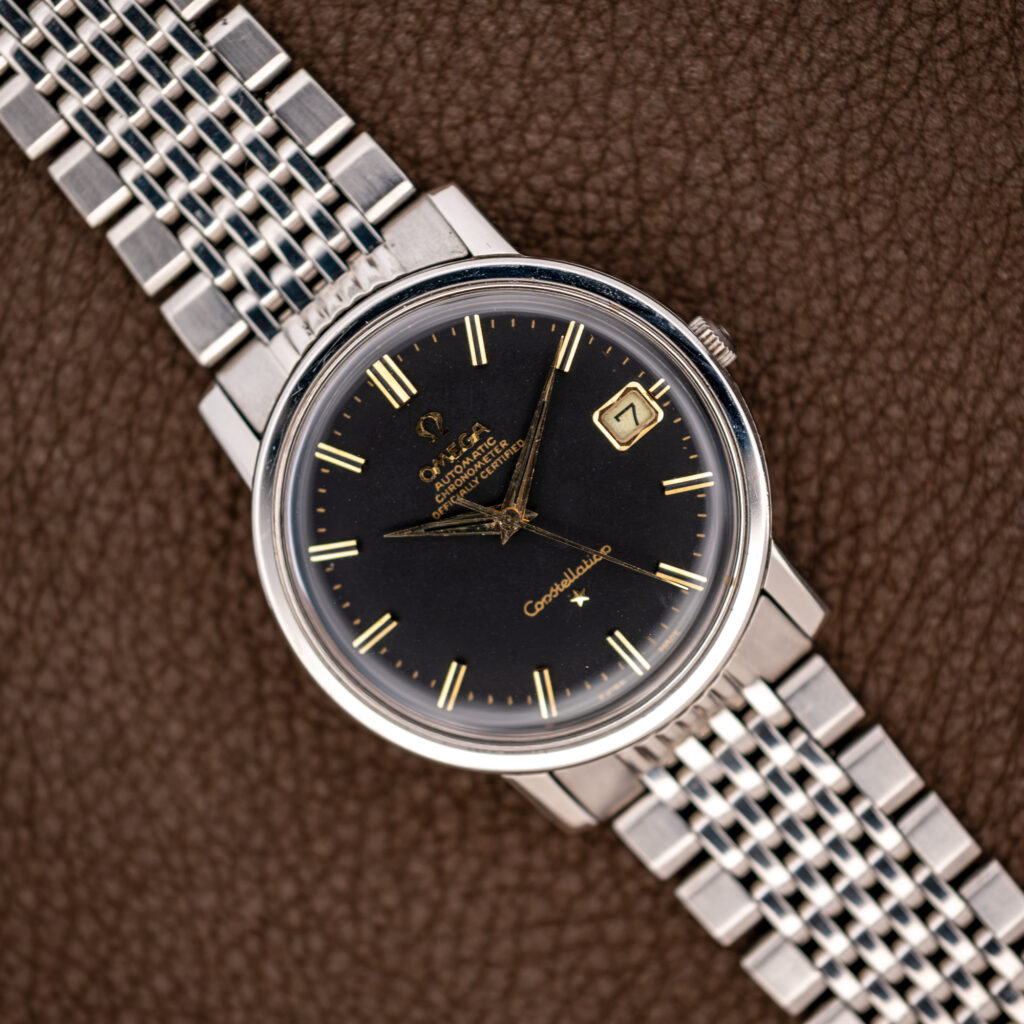
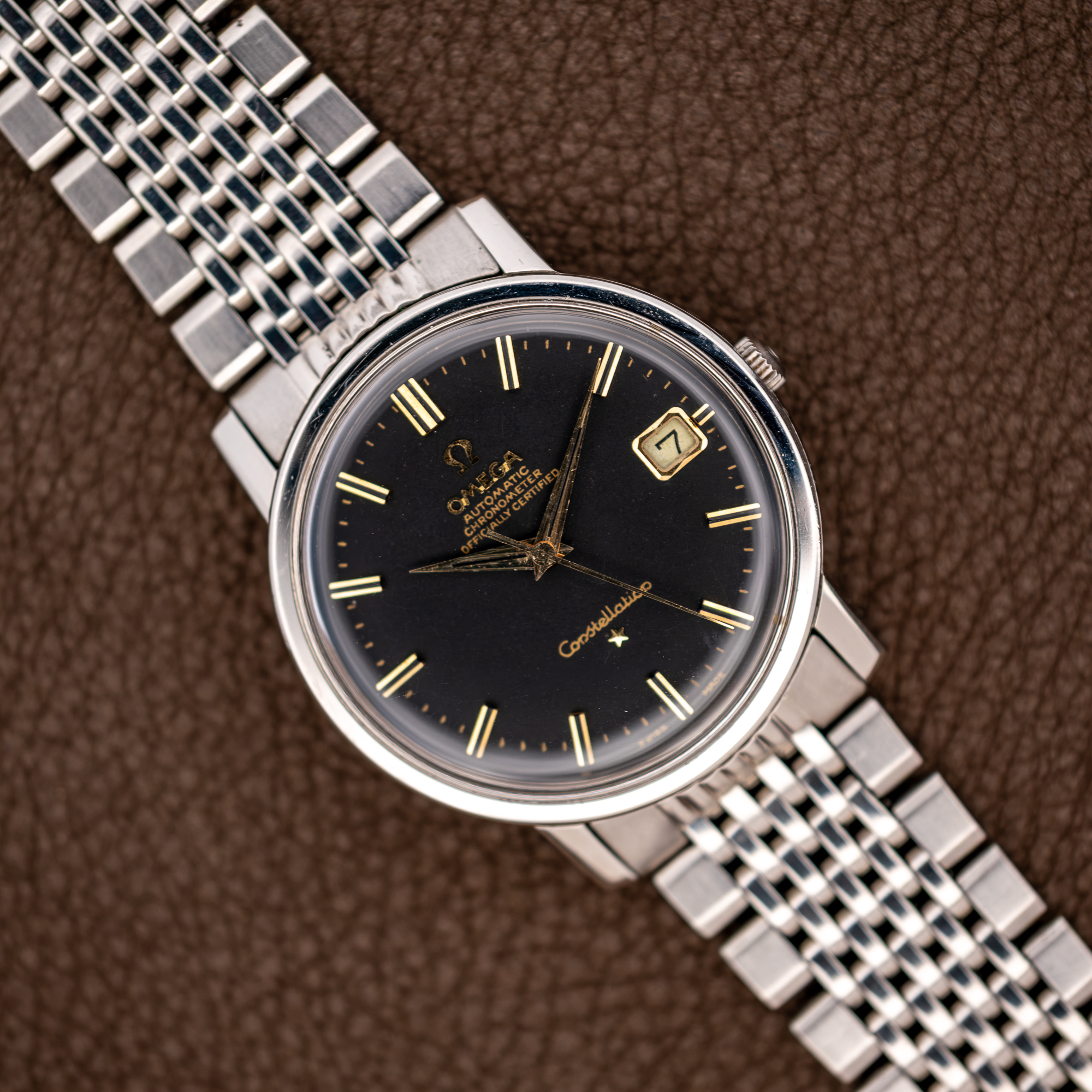
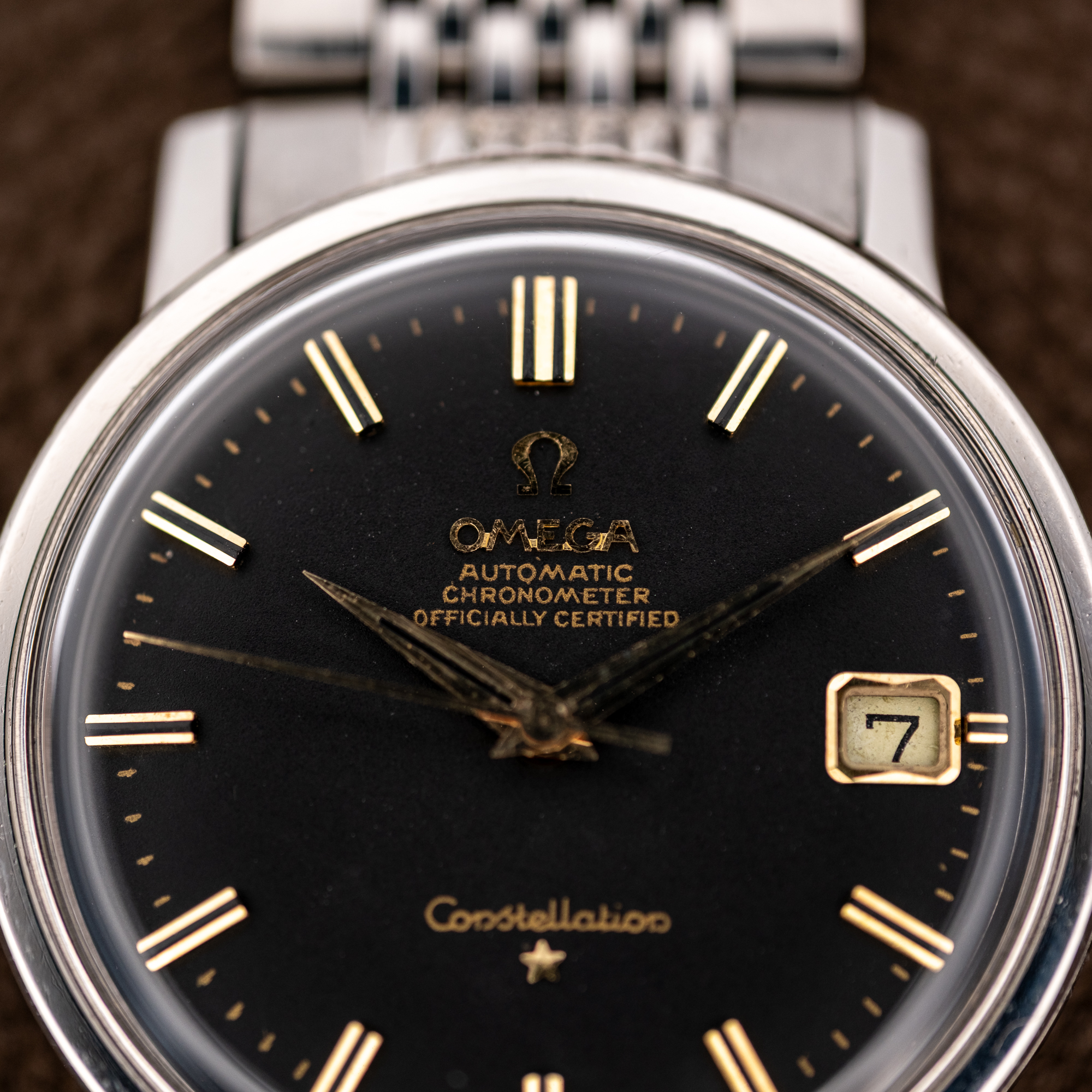
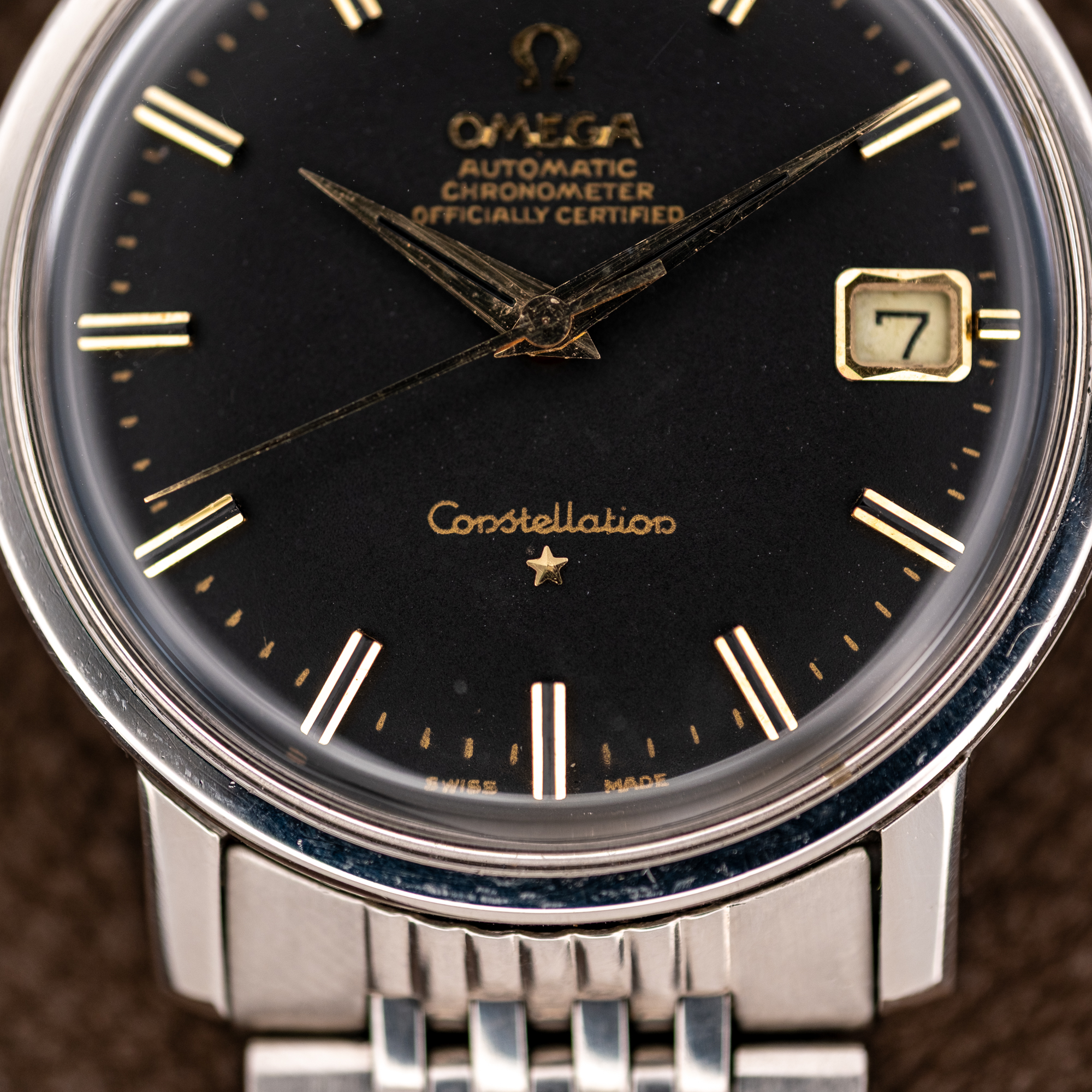
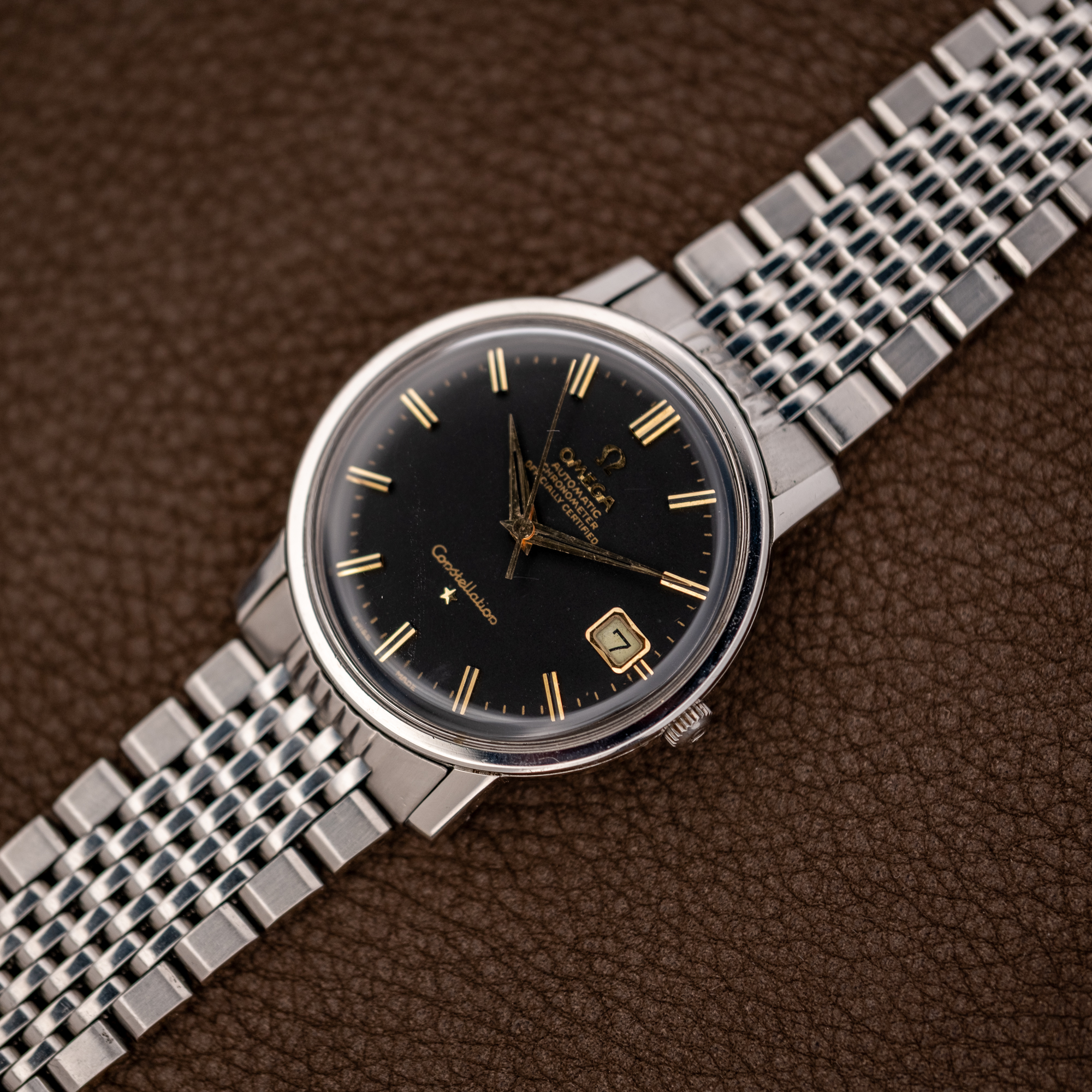
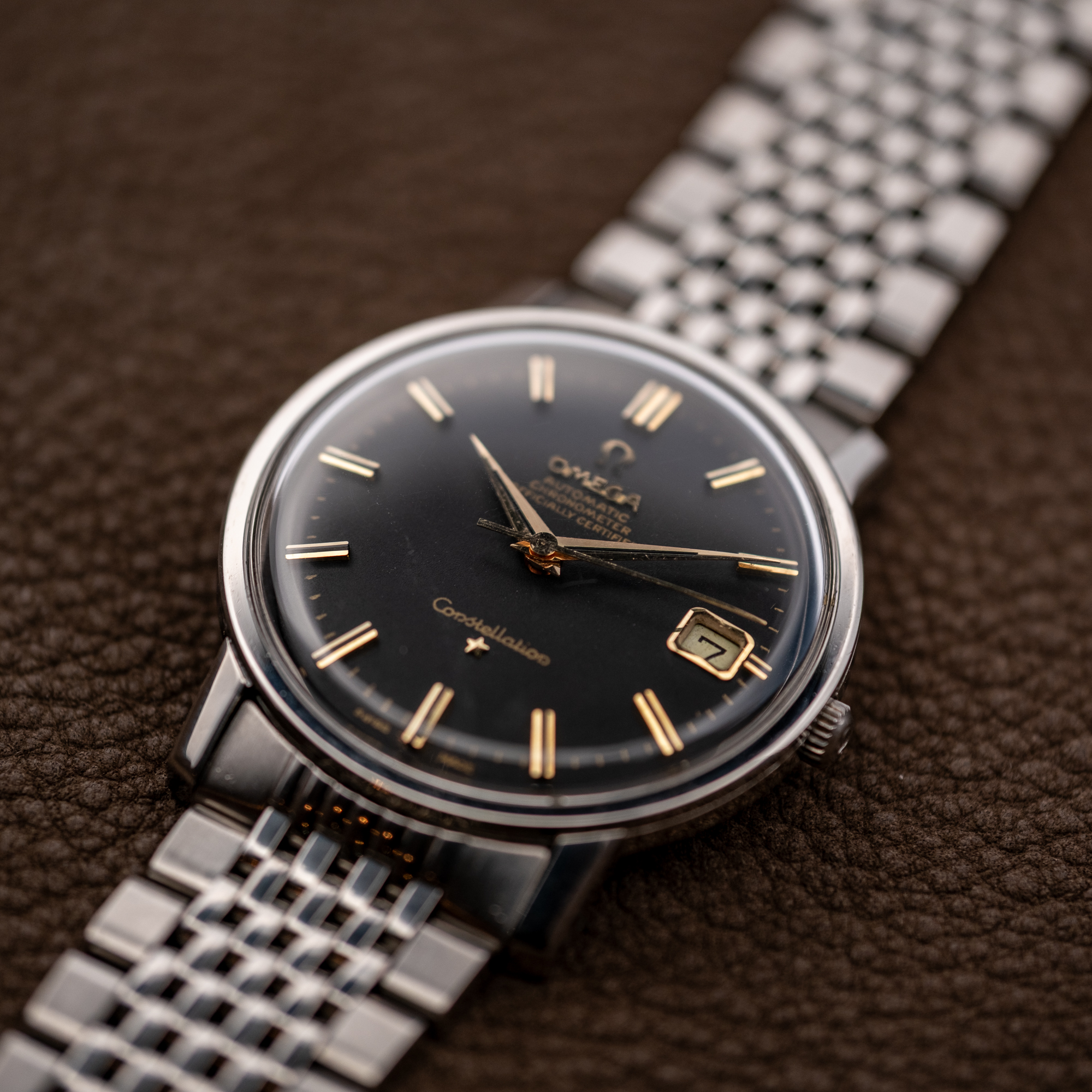
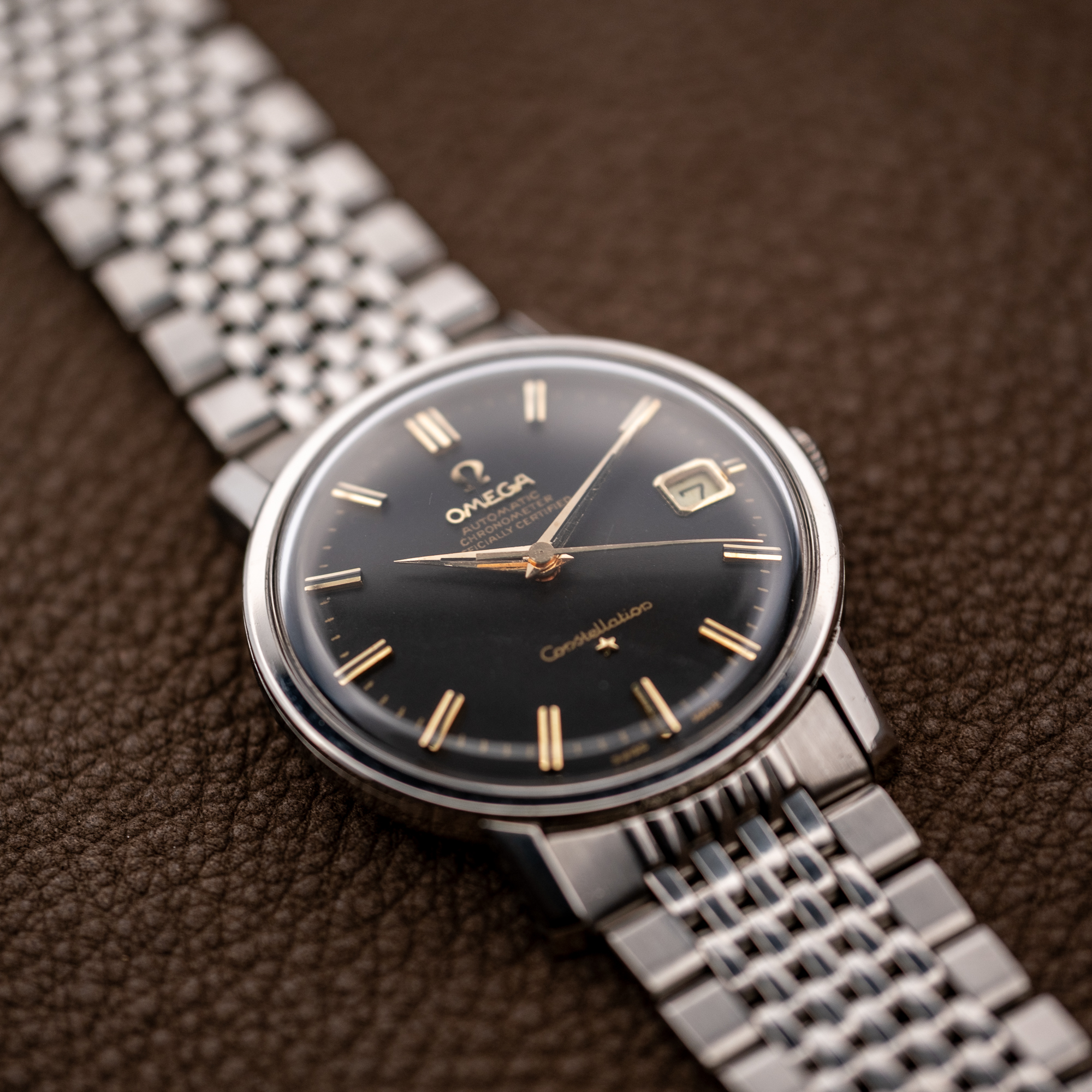
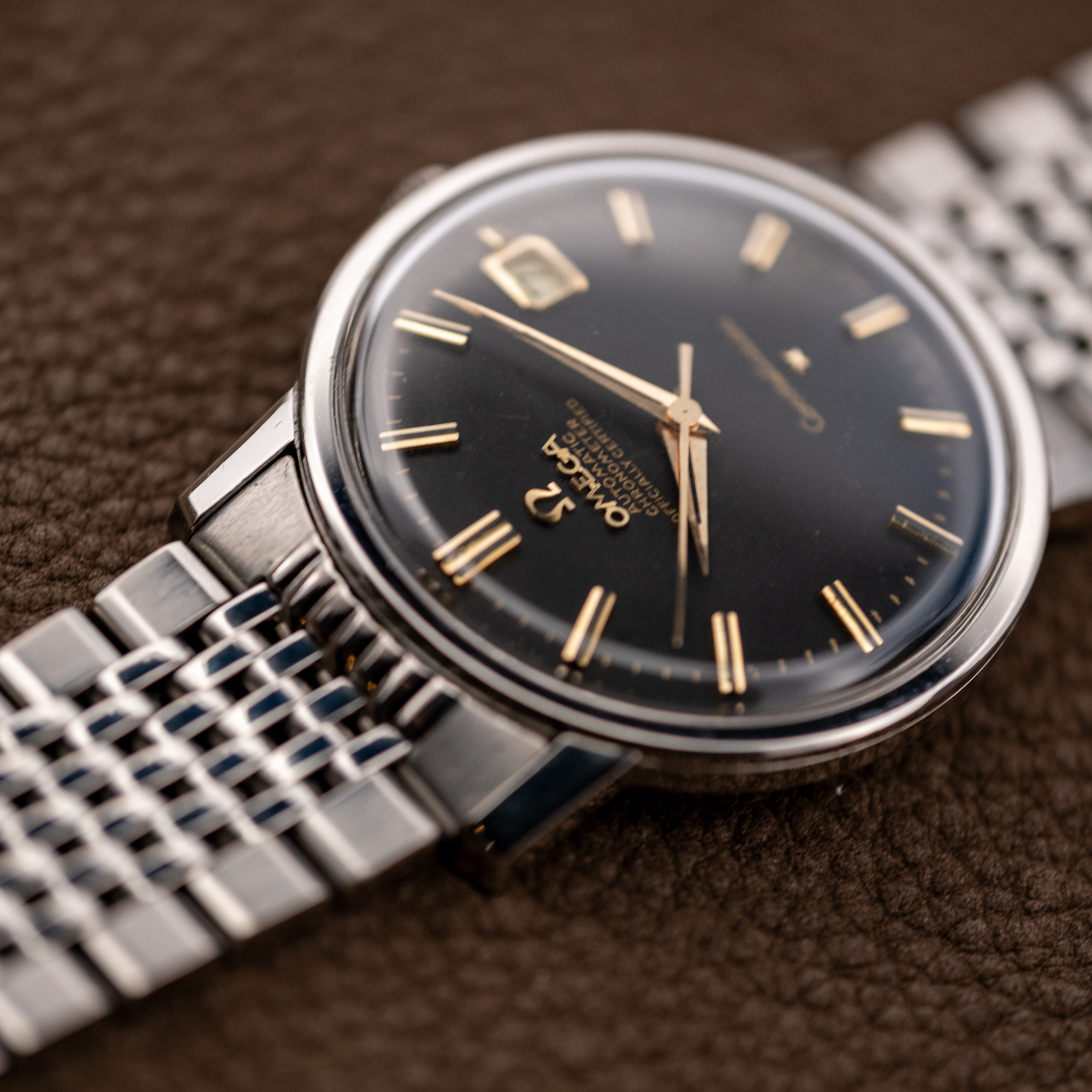
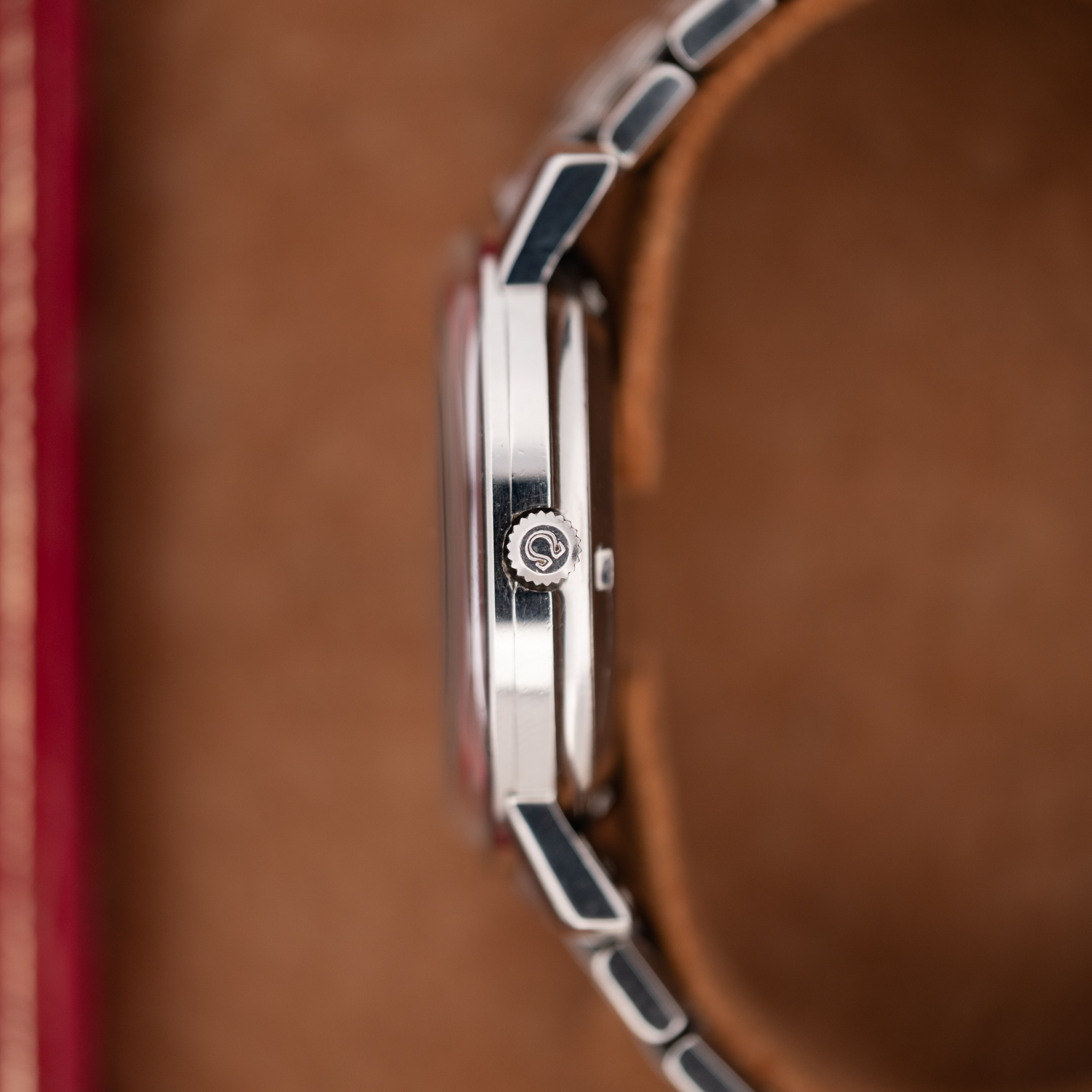
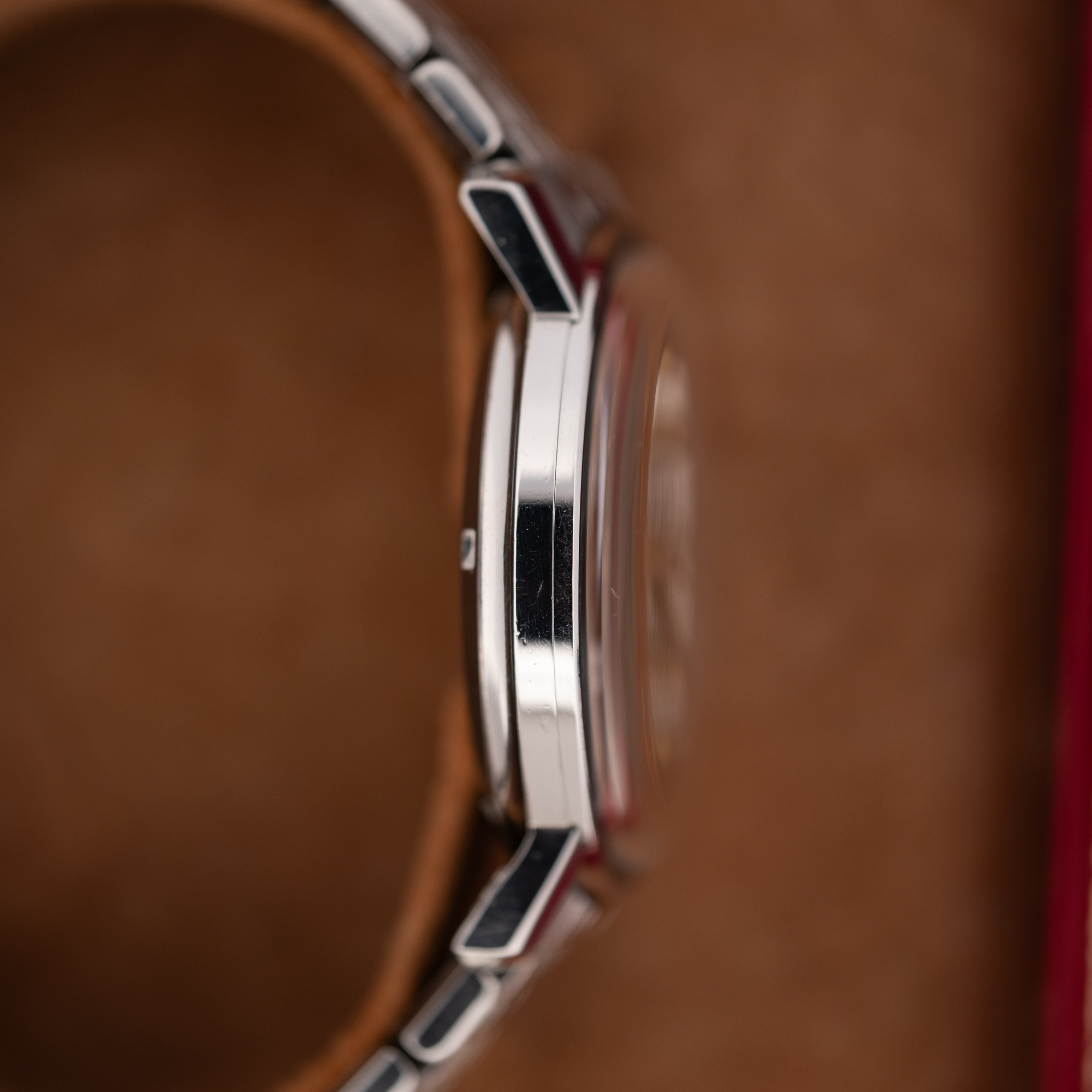
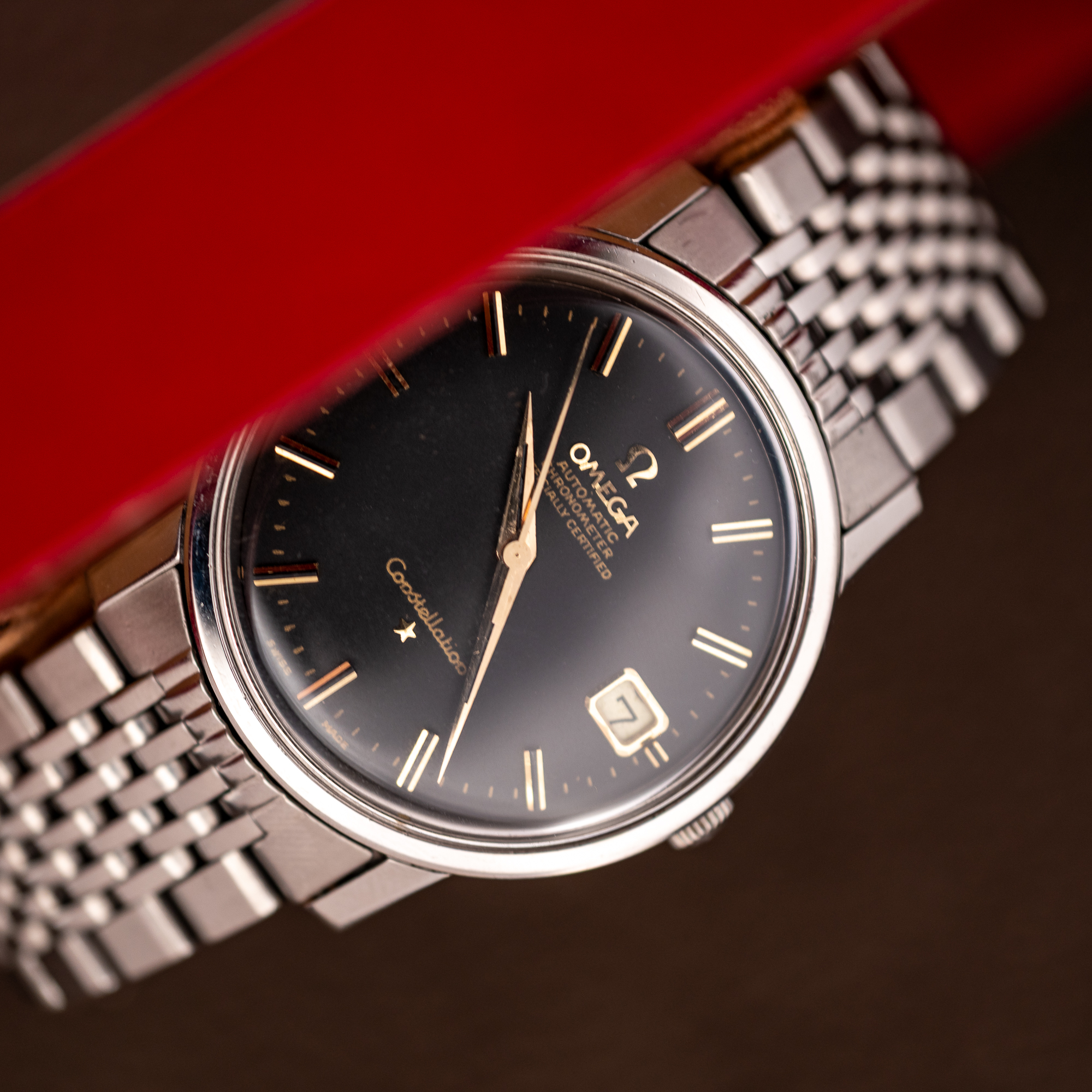
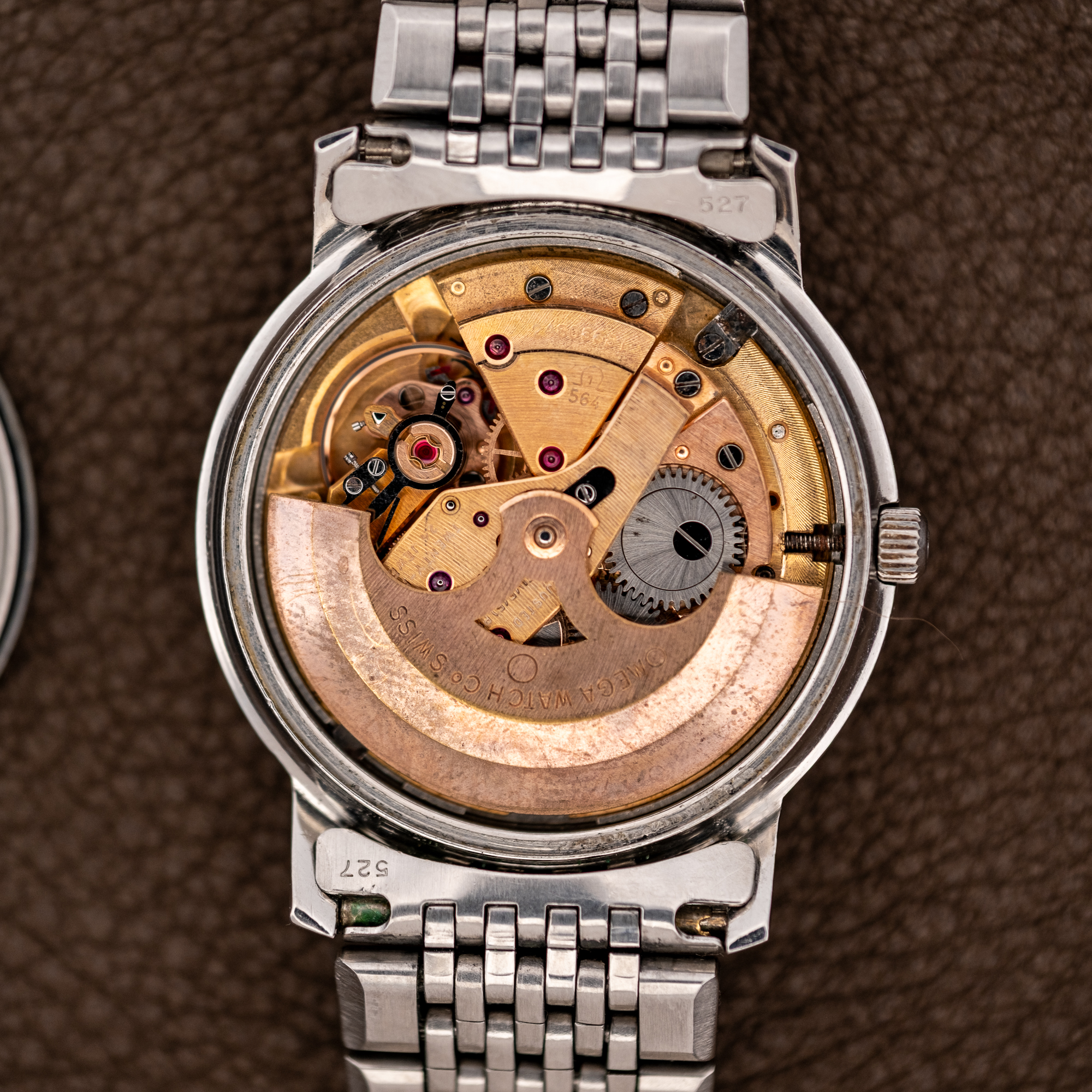
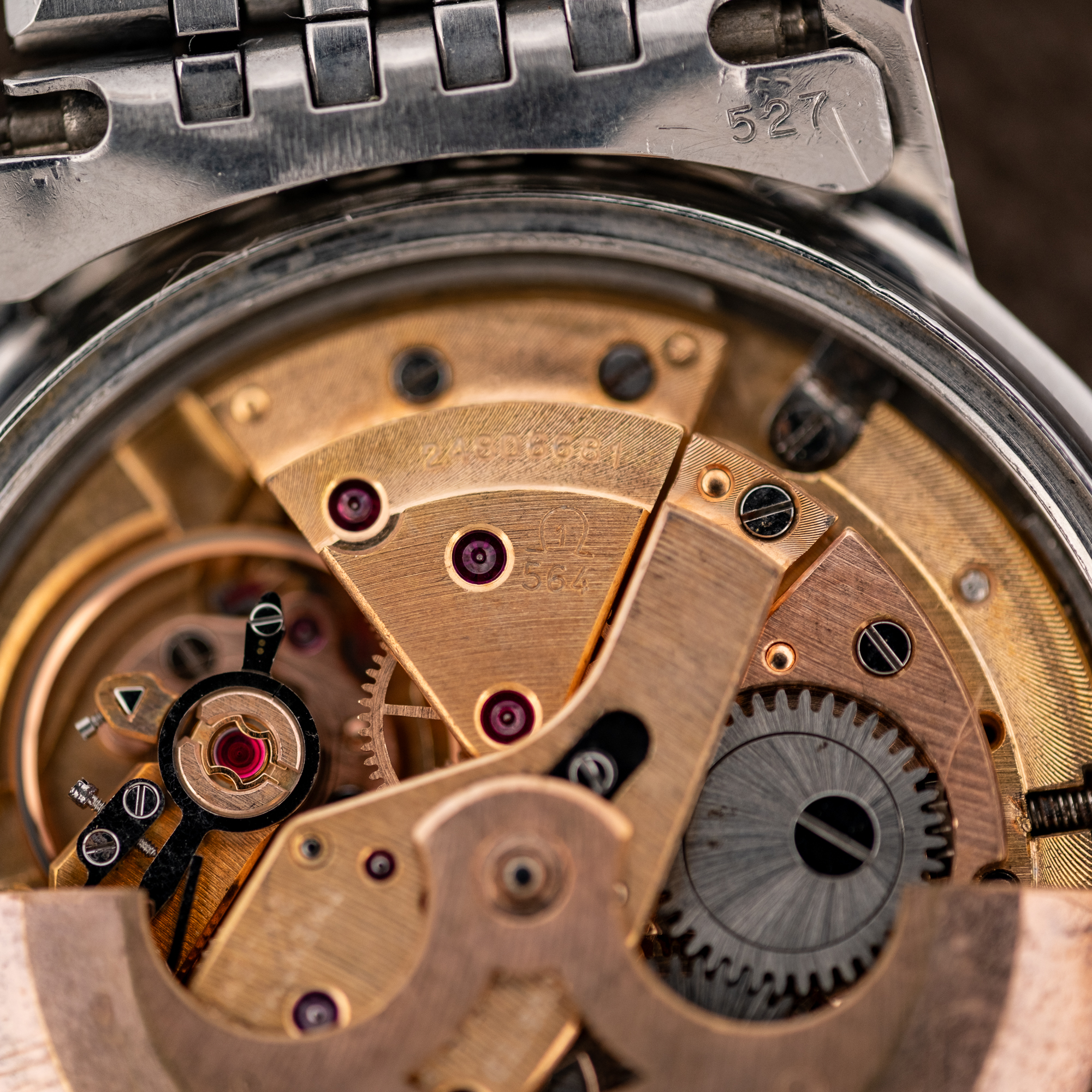
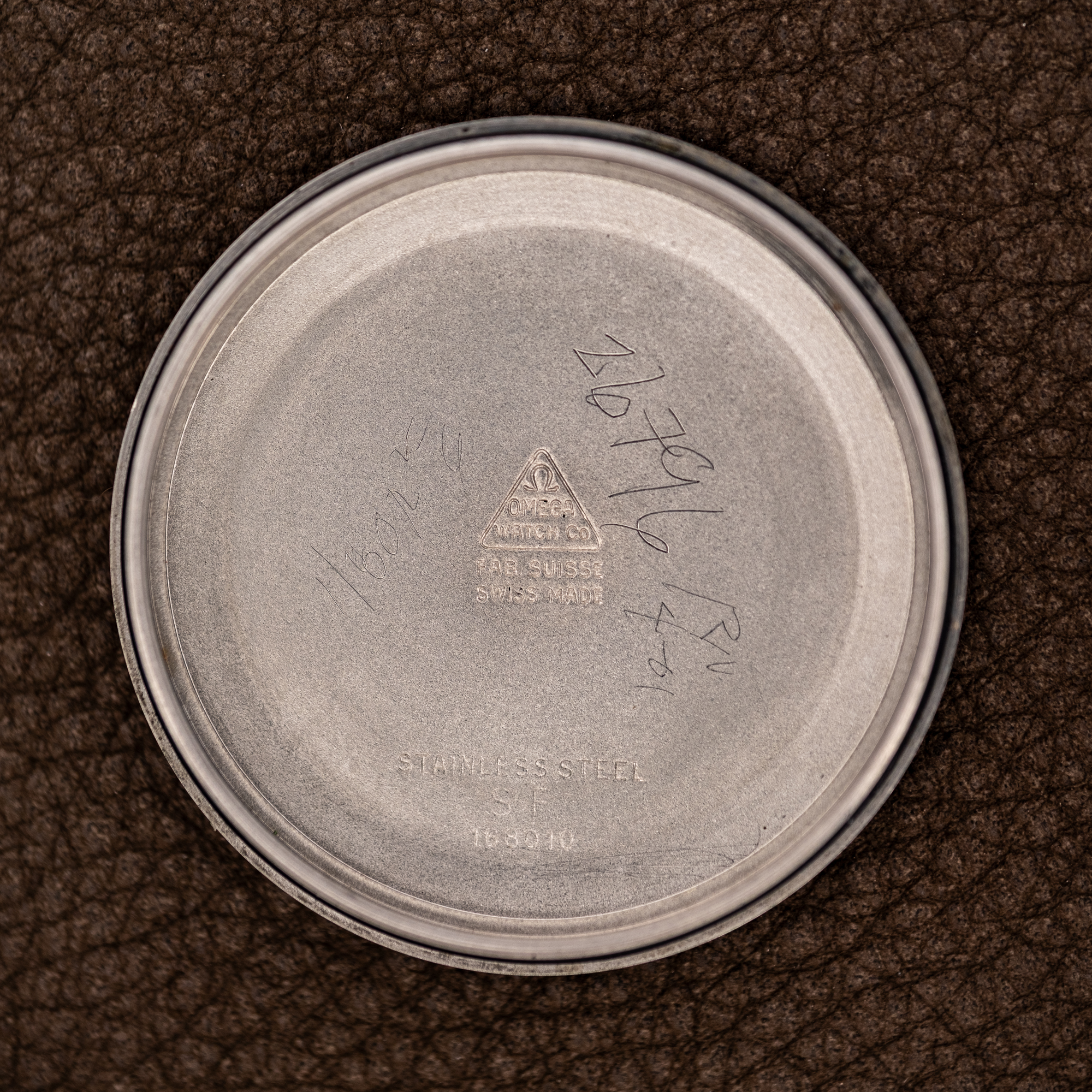
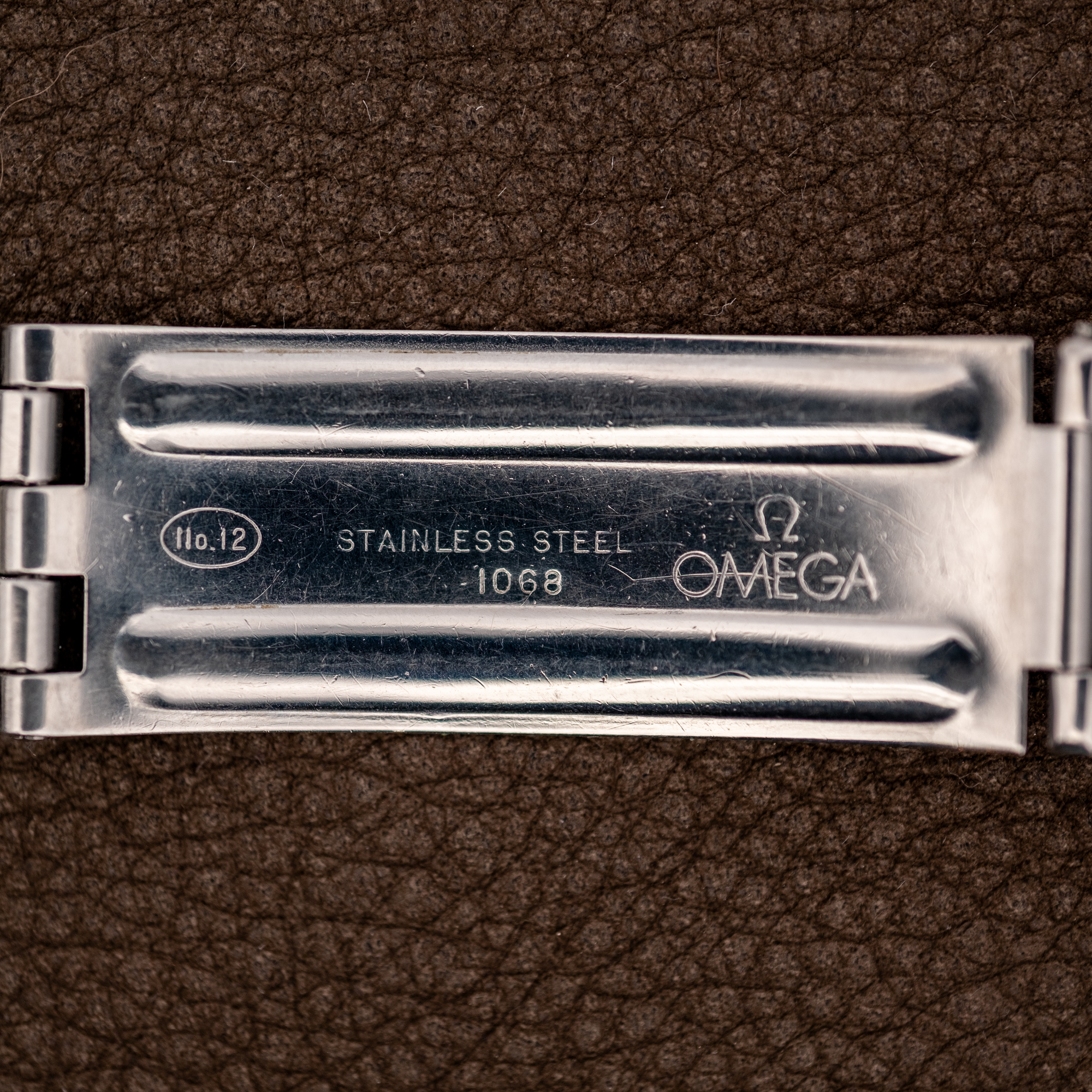
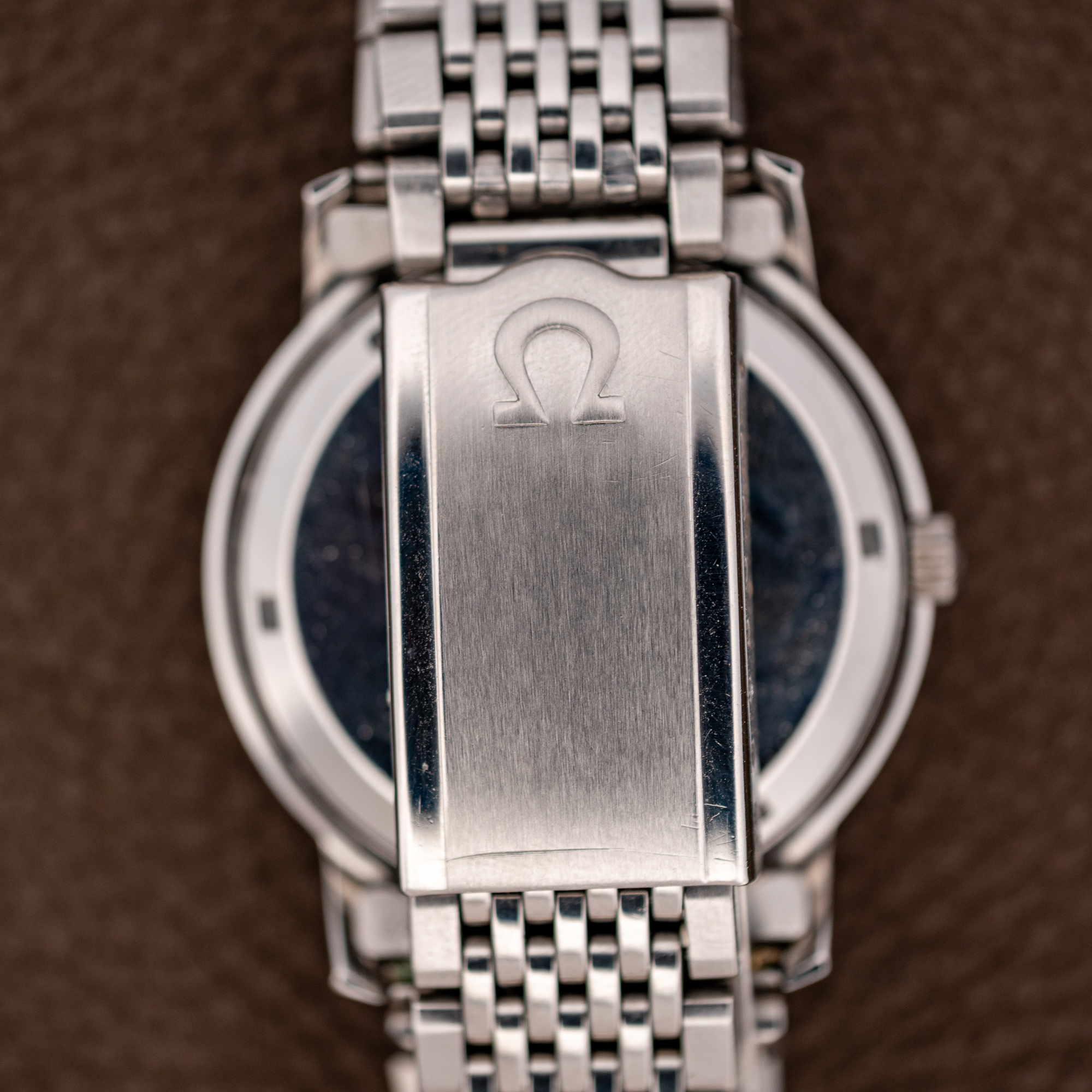
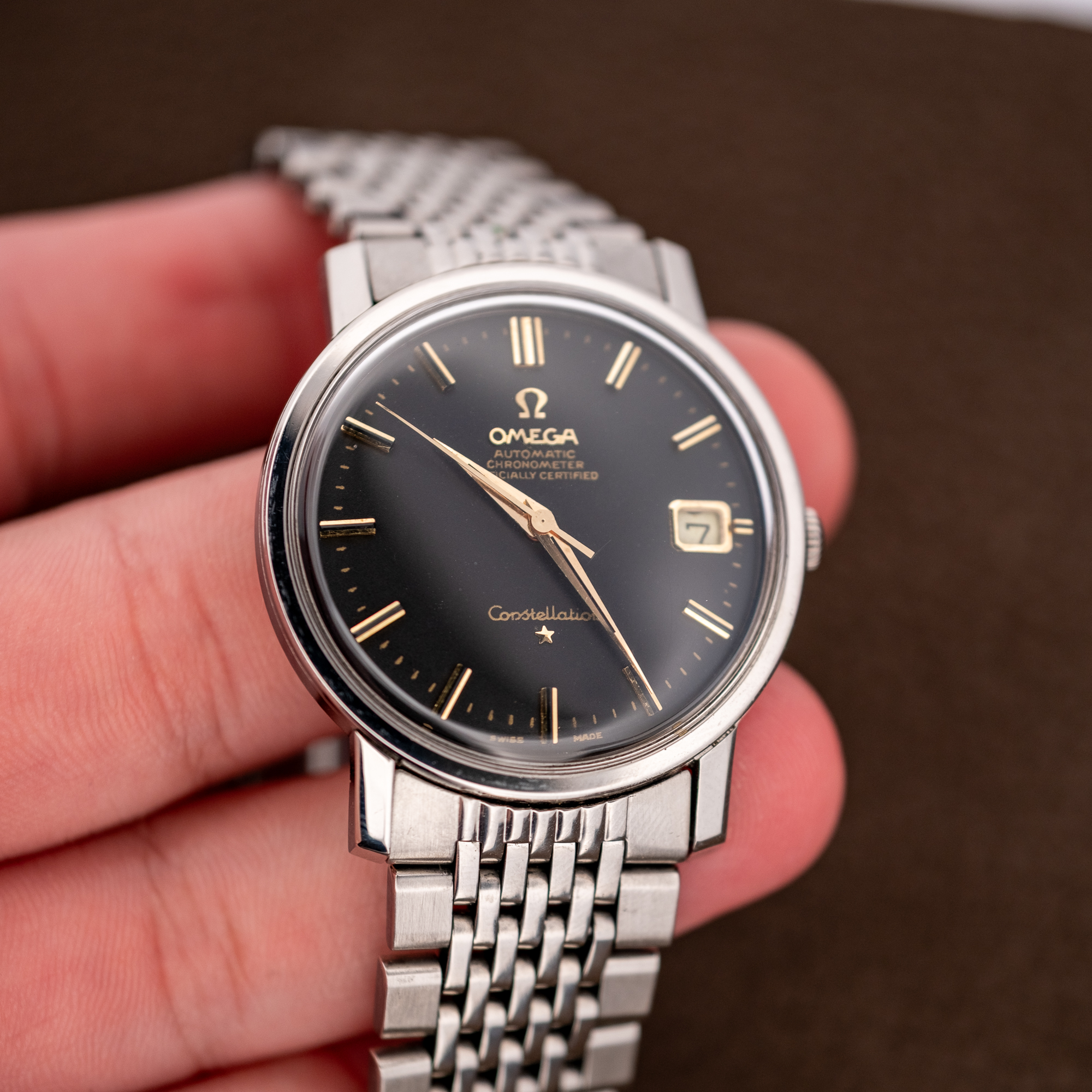
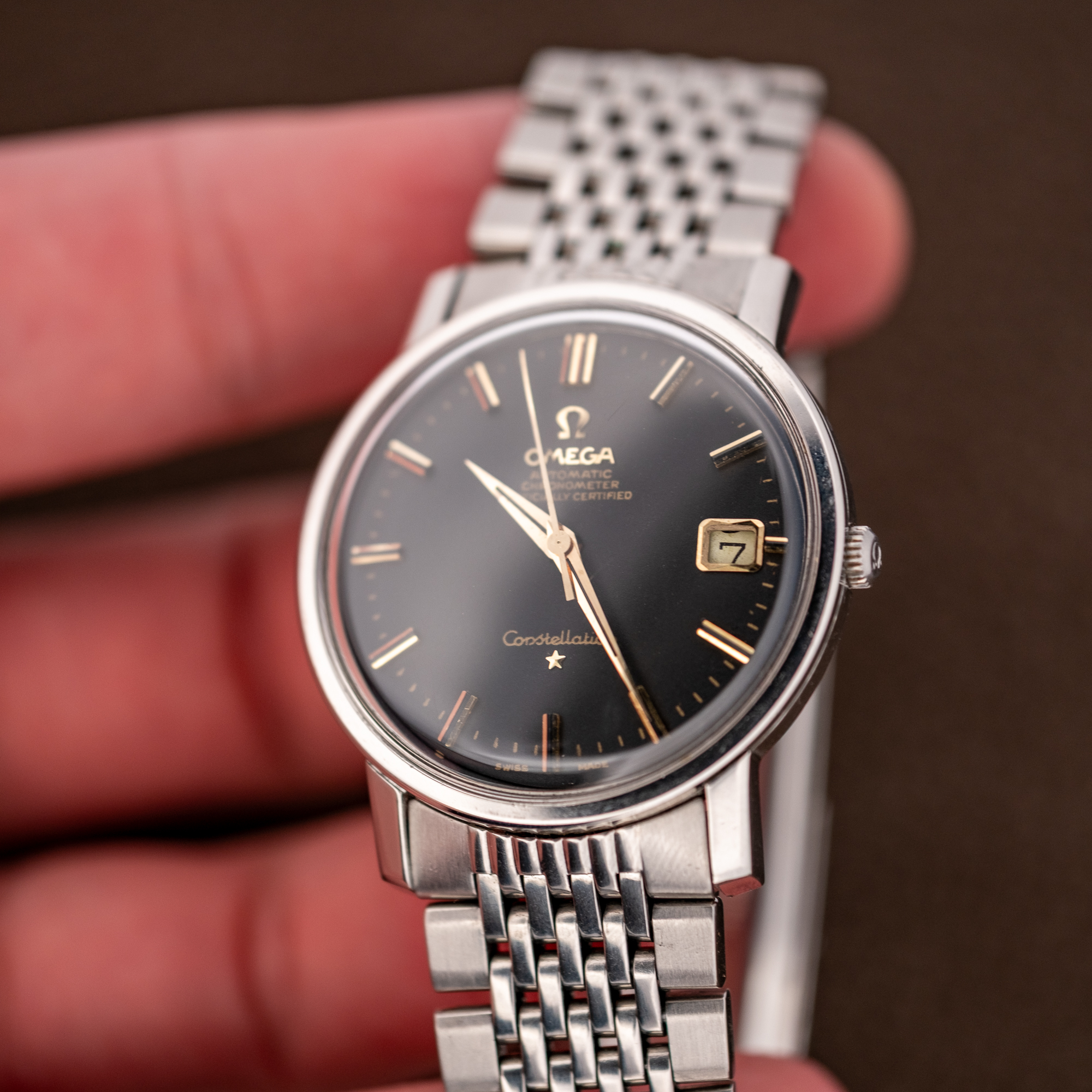
This example is a stainless steel Omega Constellation 168.010 with a black dial that reads Omega, Automatic, Chronometer and Officially Certified beneath twelve, with the applied star and Constellation script above six, paired gold colored hour markers, a matching minute track, pointed hands and a framed date window. The movement is stamped with the 564 caliber number and the inner caseback carries the 168.010 reference beside a stainless steel marking, while the outer back shows the observatory medallion with its eight stars. The round case measures 35mm across and 40mm lug to lug on 18mm lugs, with a smooth bezel, a raised crystal and a signed crown. It is fitted with an Omega stainless steel bracelet and signed folding clasp, sized for wrists up to 7.75 inches.
What we value here is continuity. The star and the observatory that announced the collection in 1952 are both still on this watch, now paired with a black dial and a steel bracelet.