

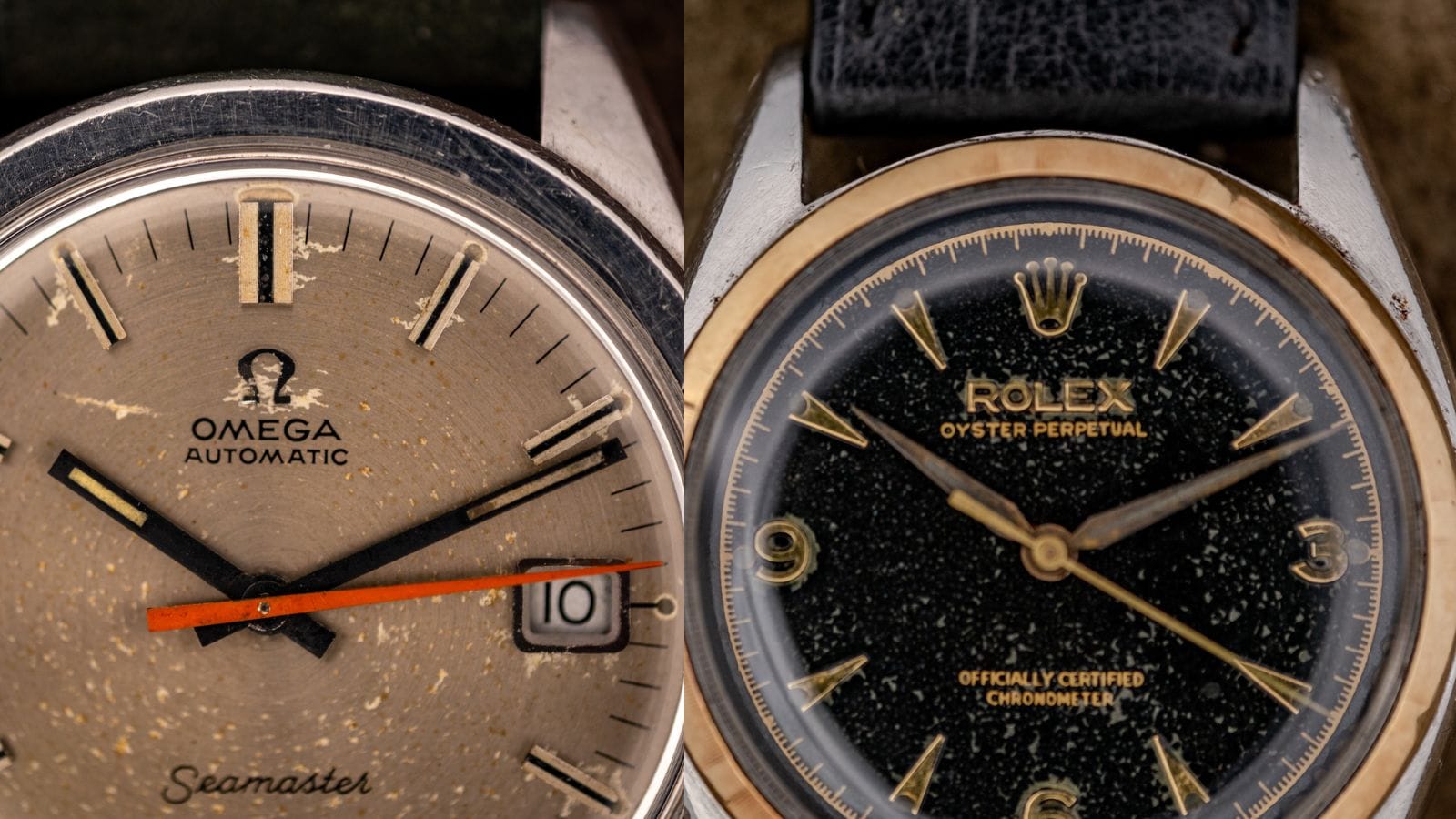
Omega vs Rolex. Ask which brand is better and you’ll get a religious war. Ask which brand is the better vintage buy and the question gets answerable, because now there’s a price tag attached to every opinion. That’s the version worth having.
Here’s our read after handling a lot of both: for most buyers shopping the 1950s through 1970s, vintage Omega gives you more watch for the money, and vintage Rolex gives you more watch for the resale. Which one wins depends entirely on why you’re buying. Below is where the Rolex premium is worth paying, where it isn’t, and the trap that catches first-time buyers of either.
the short answer
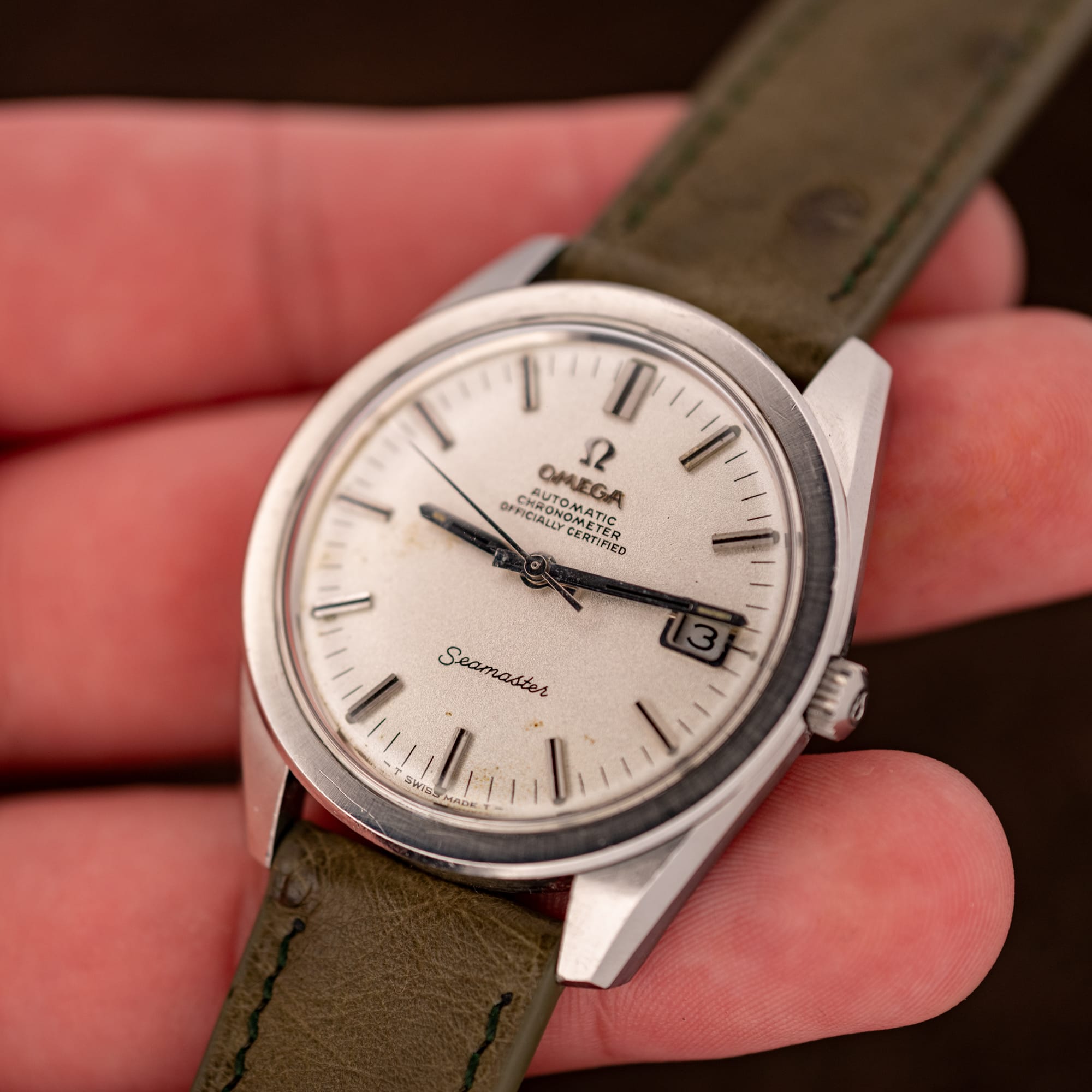
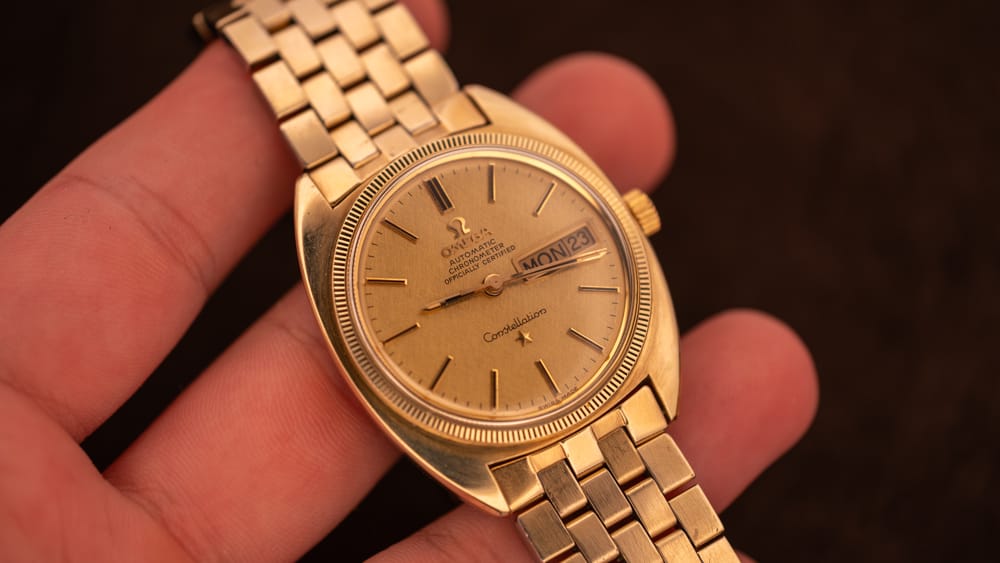
If you want a mechanically excellent, chronometer-grade watch from the golden era and you care how it wears more than what it’s worth in ten years, buy the Omega. A clean vintage Constellation or Seamaster costs a fraction of the comparable Rolex and the movement inside is every bit as good.
If you’re treating the watch as a store of value, or you want the one piece a stranger recognizes across a room, buy the Rolex. You’ll pay a premium that has very little to do with the engineering and almost everything to do with the name on the dial. That premium is real, it’s durable, and it’s been climbing for two decades.
Everything past this point is the detail behind those two sentences.
the modern debate doesn’t survive contact with the vintage market
The new-watch argument runs on co-axial escapements, Master Chronometer certifications, and waitlists at the Rolex AD. None of that applies once you’re shopping references from 1965. A vintage Datejust and a vintage Constellation were both built to the same basic brief: a chronometer-rated automatic dress watch that would run for decades. They competed directly, on the same shelves, for the same buyer. Most of the things that separate the brands today didn’t exist yet.
So the vintage question isn’t “which company makes a better watch in 2026.” It’s “which 50-year-old watch should you put your money in.” Different question, different answer, and the people writing the general brand comparisons mostly aren’t answering it.
the icons, head to head
Strip it to the watches that actually drive each brand’s vintage reputation.
Omega’s case rests on the Speedmaster. The pre-1969 Speedmaster Professional, references 105.012 and 145.012 running the caliber 321, is the watch NASA flight-qualified and the one worn on the lunar surface. That’s not marketing varnish, it’s documented history, and it’s the one corner of the vintage market where Omega commands Rolex money. Behind it sit the Seamaster 300 dive watch and the pie-pan Constellation, both excellent, both still undervalued.
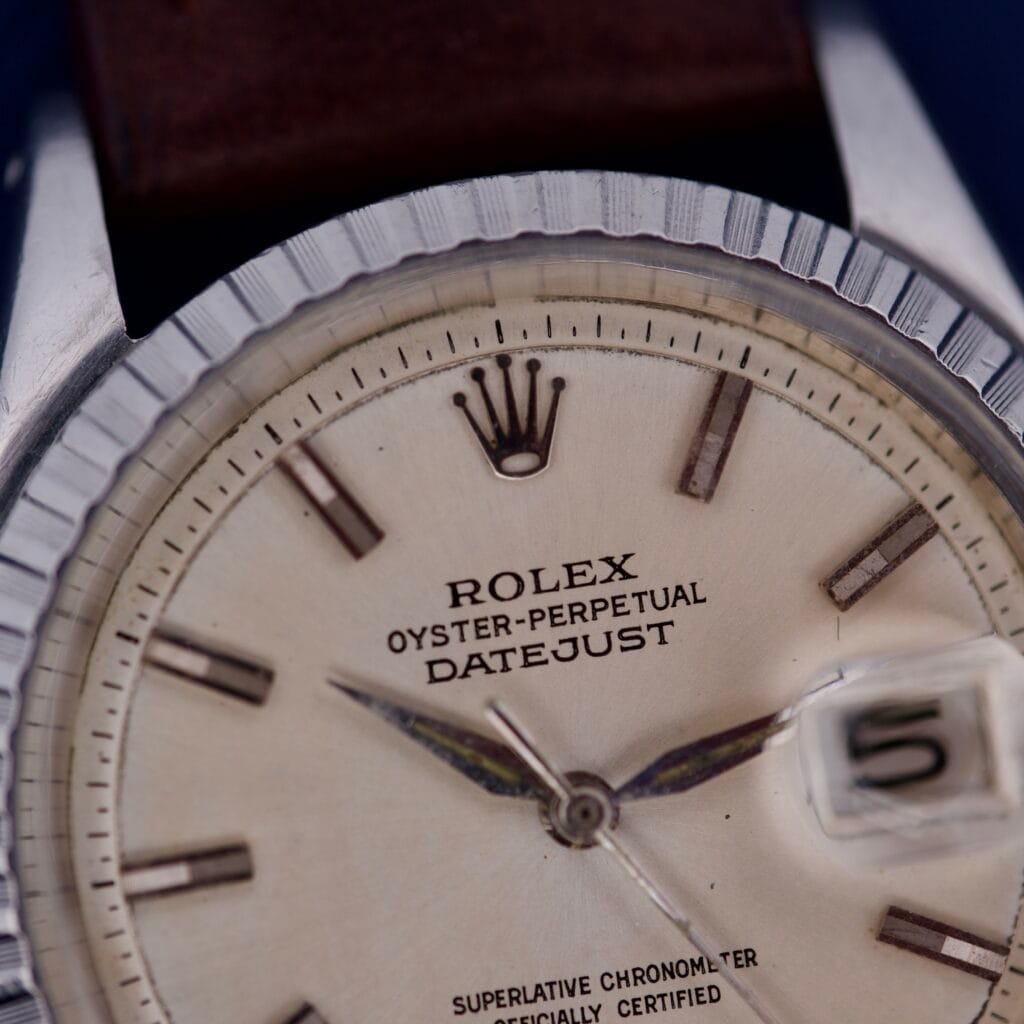
Rolex’s case rests on the Submariner and the Datejust. The 5512 and 5513 Submariners and the 1675 GMT-Master are the references that built the modern vintage-Rolex economy. The Datejust 1601 is the most quietly competent dress watch of its era and the entry point most collectors take into the brand. None of them did anything Omega’s equivalents didn’t also do well. They just did it with a crown on the dial, and the market has spent 20 years deciding that crown is worth a multiple.
The honest summary: Omega has the single most important watch of the 20th century (the Moonwatch) and Rolex has the deepest bench of watches people are willing to overpay for. Both statements are true.
value: where the crown earns its premium, and where it doesn’t
This is the part that decides the purchase.
Vintage Rolex holds and grows value better than vintage Omega. That’s not opinion, it’s two decades of auction results. A steel sports Rolex from the 1960s has outrun inflation by a wide margin; the same era’s Omega has appreciated, but nowhere near as steeply. If your buying thesis is “this should be worth more later,” Rolex is the safer bet and it isn’t close.
But “holds value better” and “smarter buy” aren’t the same sentence. The Rolex premium means you’re paying up front for resale you only capture if you sell. For a buyer who wants to own and wear the watch, that premium is dead money. This is where Omega quietly wins. You can buy two or three excellent vintage Omegas for the price of one entry-level vintage Rolex, and on the wrist nobody can tell you’re “saving money,” because you aren’t. You’re getting equal watch and skipping the brand tax.
The one place this logic breaks is the Speedmaster. A pre-Moon caliber 321 Speedmaster behaves like a vintage Rolex on the value curve, so don’t expect Omega bargain pricing there.
movements: the vintage-era quality question
People assume Rolex out-engineered everyone. In the vintage era, the gap was narrow to nonexistent.
Omega’s caliber 561 family (and the 551, 564, 565 around it) were chronometer-grade automatics with a reputation for accuracy that matched anything Rolex built. The manual-wind caliber 321 in the early Speedmaster is a column-wheel chronograph that collectors prize specifically for how it’s made. Rolex’s caliber 1570, the workhorse automatic behind the 1960s-70s Datejusts and Submariners, is genuinely excellent: robust, serviceable, and built to run. The earlier 1530 was solid if less refined.
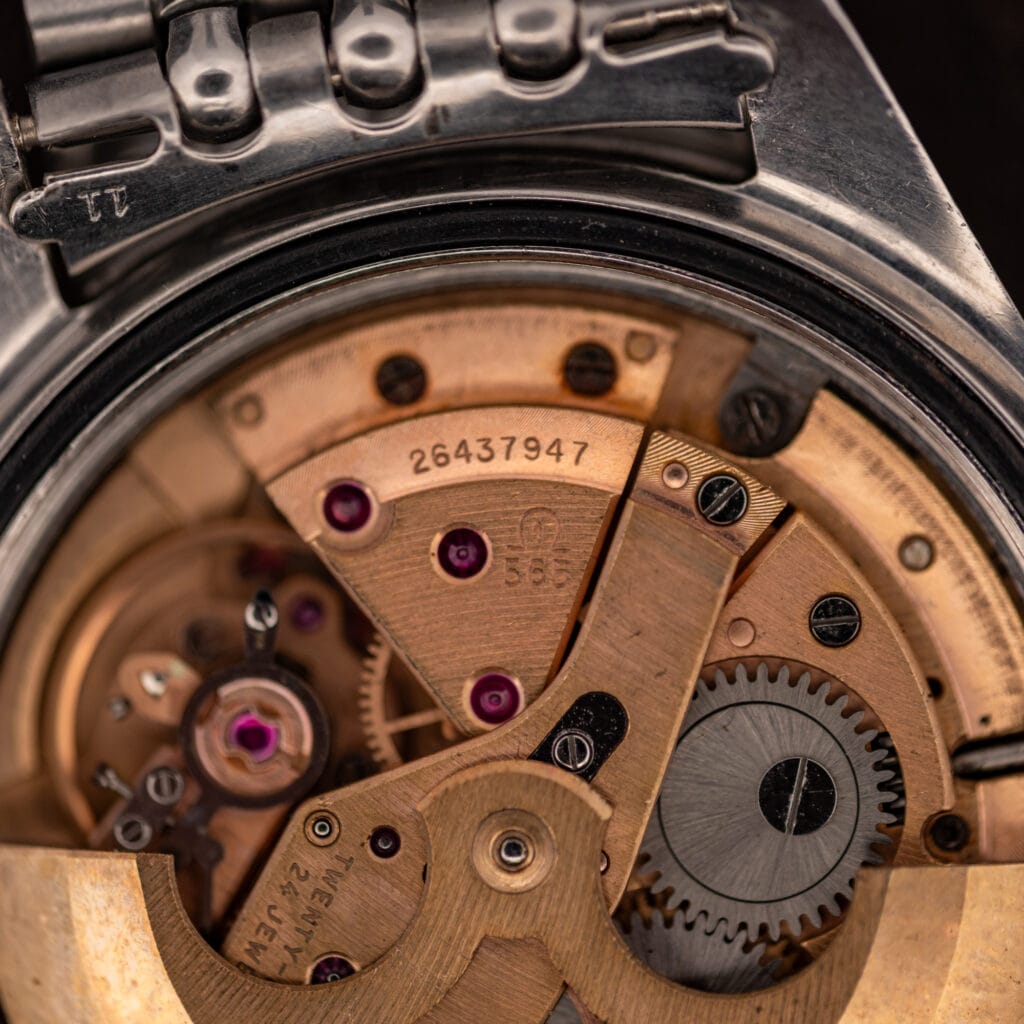
If you put a well-serviced caliber 561 next to a well-serviced 1570, you’re splitting hairs on performance. The difference you’re paying for is the name, not the mechanics. Anyone telling you the vintage Rolex movement is in a different class than the vintage Omega is selling something.
the redial problem, and it’s worse on one of them
Here’s the detail that costs beginners real money, and the general comparisons skip it entirely.
Both brands have a redial problem, where an old or damaged dial gets repainted and sold as original. A redial can cut a watch’s value by half or more, and on a vintage piece the dial is often where most of the value lives. Refinished dials are common on vintage Omega Seamasters and Constellations precisely because they were produced in huge numbers and many got “freshened up” over the decades. Rolex redials and aftermarket dials exist too, especially on Datejusts.
The tell is in the printing: fonts that are slightly too thick, lume plots that sit on top of the printing instead of under it, minute tracks that don’t line up, and “Swiss Made” text that’s spaced wrong. We go into the specifics in our piece on spotting an original versus redialed Omega Constellation, and the same discipline applies to both brands. The rule for a first-time buyer is simple: an honest original dial with age beats a too-perfect one every time, and if the dial looks newer than the case, walk.
what to actually pay, and what to walk away from
Rough ranges for honest, original examples in good order. Use them as a sanity check, not a price guarantee.
- Vintage Omega Constellation or Seamaster (dress, cal 56x): the value play. Clean originals land well under what people expect, and a chronometer-grade automatic at this price is the best deal in vintage. Start with the Seamasters.
- Vintage Omega Speedmaster: later caliber 861 examples are attainable; pre-Moon caliber 321 references are five-figure collector pieces. Know which one you’re looking at before you talk price.
- Vintage Rolex Datejust 1601/1600: the sensible entry into vintage Rolex. You pay the brand premium, you get a watch that holds it. Background in our Datejust 1601 guide and the evolution of the Datejust.
- Vintage Rolex Submariner/GMT: five figures and climbing, and the most faked corner of the whole market. Buy the seller before you buy the watch.
On both brands, the things that kill value are the same: a redialed dial, a swapped or wrong-period movement, a polished-to-death case with soft lugs, and a service that replaced original parts with generic ones. Confirm the reference and serial match the era before anything else. Our Rolex serial number guide and Omega reference number guide walk through how to date each one.
the verdict
Buy the vintage Omega if you want the most watch your money can buy and you intend to wear it. Buy the vintage Rolex if you want the strongest resale and the name everyone knows, and you’ve accepted you’re paying for both. The Moonwatch is the one place those paths cross, where Omega earns Rolex pricing on merit.
What you should not do is buy either one on the dial alone. The brand on the face is worth far less than an honest, original, correctly-dated example of whatever you choose.
faq
Is Omega the same quality as Rolex?
In the vintage era, effectively yes. Omega’s chronometer-grade calibers from the 1950s-70s match Rolex’s on accuracy and build. The price gap reflects brand demand, not a mechanical gap.
Does Rolex hold its value better than Omega?
Yes. Vintage Rolex has appreciated more steeply and more reliably than vintage Omega over the last 20 years. If resale is your priority, Rolex is the safer store of value. If wearing it is the priority, Omega gets you equal watch for less.
Why did NASA choose Omega over Rolex?
NASA tested several off-the-shelf chronographs in the mid-1960s, including Omega, Rolex, and a Longines-Wittnauer, under thermal, vacuum, and shock conditions. Only the Omega Speedmaster survived every test, so NASA qualified it for spaceflight in 1965.
What’s a “poor man’s Rolex”?
The phrase usually points at Tudor, Rolex’s sister brand, which used Rolex cases with outsourced movements. Some buyers apply it to vintage Omega too, which undersells it: a vintage Omega isn’t a budget substitute for a Rolex, it’s a direct period rival that simply costs less today.
Should a first-time buyer start with Omega or Rolex?
Omega, for most people. Lower entry price, equal vintage quality, and a smaller mistake if you buy the wrong thing while you’re learning. Move into vintage Rolex once you can spot a redial and read a reference number cold.
Related posts
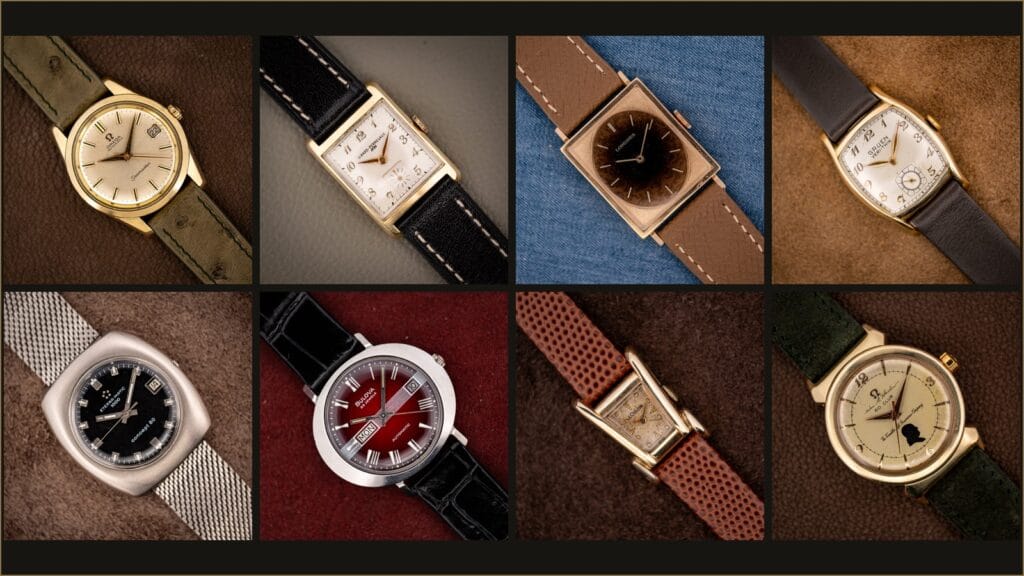
Watch Shapes: Which Vintage Case Shape Fits Your Style?
Case shape changes how a vintage watch wears more than diameter alone. Compare eight silhouettes and learn which one fits your wrist and style.
Vintage Dress Watches: How to Choose One You’ll Actually Wear
The best vintage dress watch is the one you will wear beyond weddings. Here is how to choose the right size, metal, dial, shape, and strap.
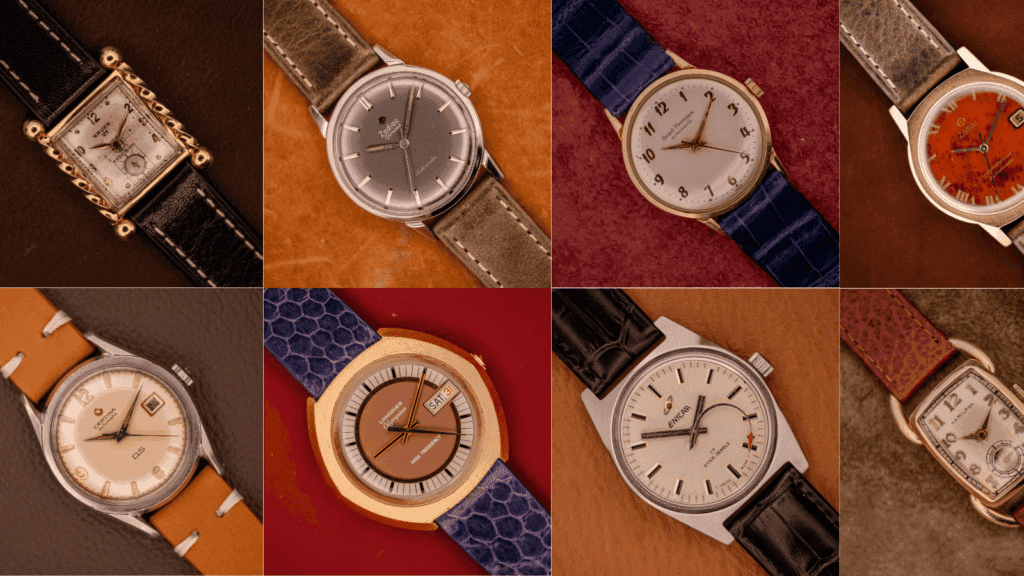
Vintage Watch Styles: A Visual Guide to Finding Yours
Most buyers pick a brand and stall. Here are nine vintage watch styles, shown with real watches from our archive, and the catch that comes with each one.
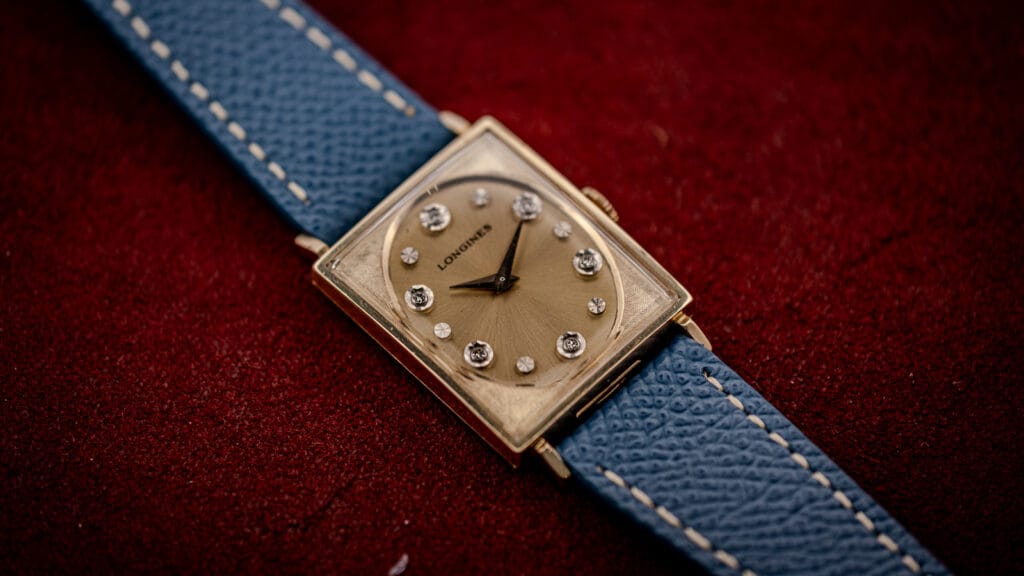
Vintage Tank Watches: A Buyer’s Guide to Rectangular Watches Beyond Cartier
Every Cartier Tank alternatives list is new watches imitating old ones. The originals still exist and cost less. A buyer's guide to vintage tank and rectangular watches: the brands, the prices, and what to check.
Service History Is the Wrong Question. Here’s the Right One.
Everyone says to ask for a vintage watch's service history. Most of it can't be verified, and a receipt proves a transaction, not a result. Here's what actually tells you a watch has been serviced, and the better question to ask.
LeCoultre vs. Jaeger-LeCoultre vs. Jaeger: What the Name on the Dial Means
Three names, one Swiss firm, and one watch that isn't what it looks like. What LeCoultre, Jaeger-LeCoultre, and plain Jaeger on a vintage dial really tell you.
Omega Seamaster 166.010 Buyer’s Guide: Prices, Variants, and What to Look For (2026)
Everything you need to buy an Omega Seamaster 166.010 in 2026: real market prices by condition tier, five dial variants explained, caliber 562 vs 565, original part numbers, and what to inspect before you commit.
Omega vs Rolex: The Vintage Buyer’s Verdict
Vintage Omega vs vintage Rolex: where the Rolex premium is worth paying, where Omega is the smarter buy, and how to dodge redials on both. A collector's verdict.
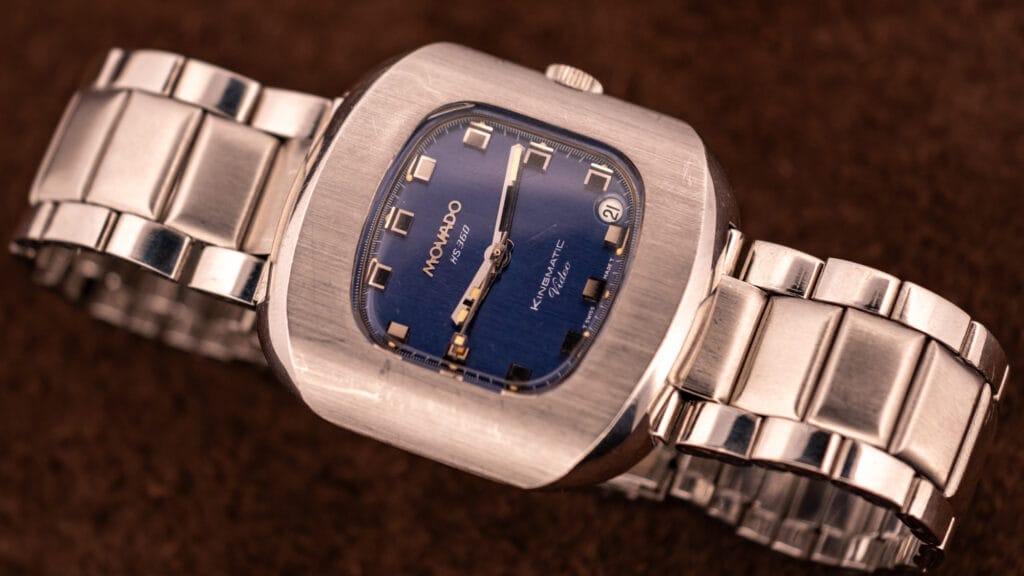
Movado Kingmatic: A Vintage Buyer’s Guide to References, Calibers, and Value
The Movado Kingmatic is one of the best values in vintage automatics. A buyer's guide to its references, in-house calibers, the Sub-Sea line, what to check, and what they actually sell for.
13 Vintage Watch Collecting Tips for Beginners (From 1,000+ Watches Sold)
Thirteen vintage watch collecting tips drawn from selling over 1,000 watches. What separates a smart first buy from an expensive lesson, with no sugar.
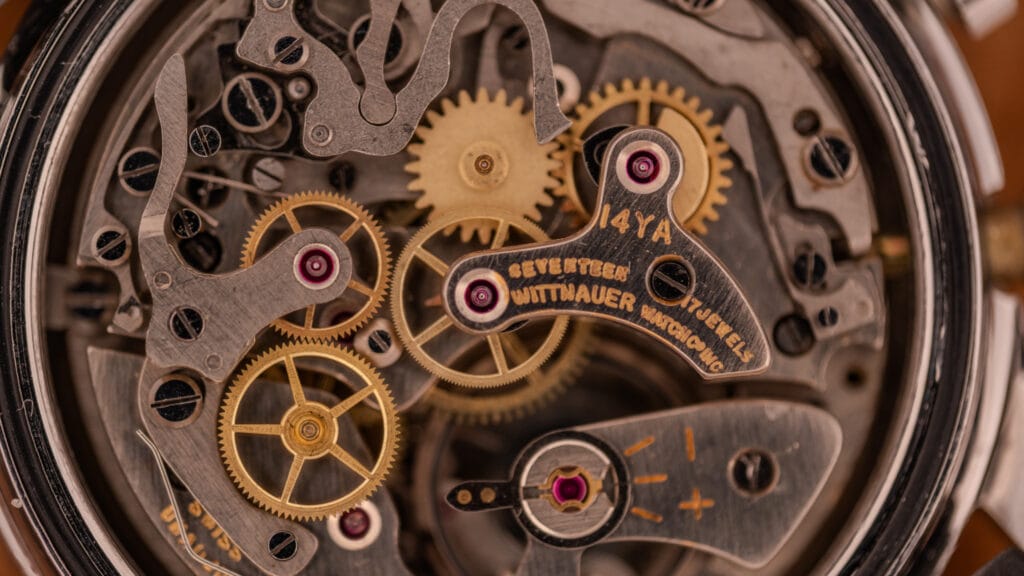
Vintage Wittnauer Chronograph Caliber Identification: Venus 188, Valjoux 7733/7734, Landeron 248
How to identify the movement inside any vintage Wittnauer chronograph: Venus 188, Valjoux 7733 and 7734, Landeron 248, and the house numbering system Wittnauer used to mark them.
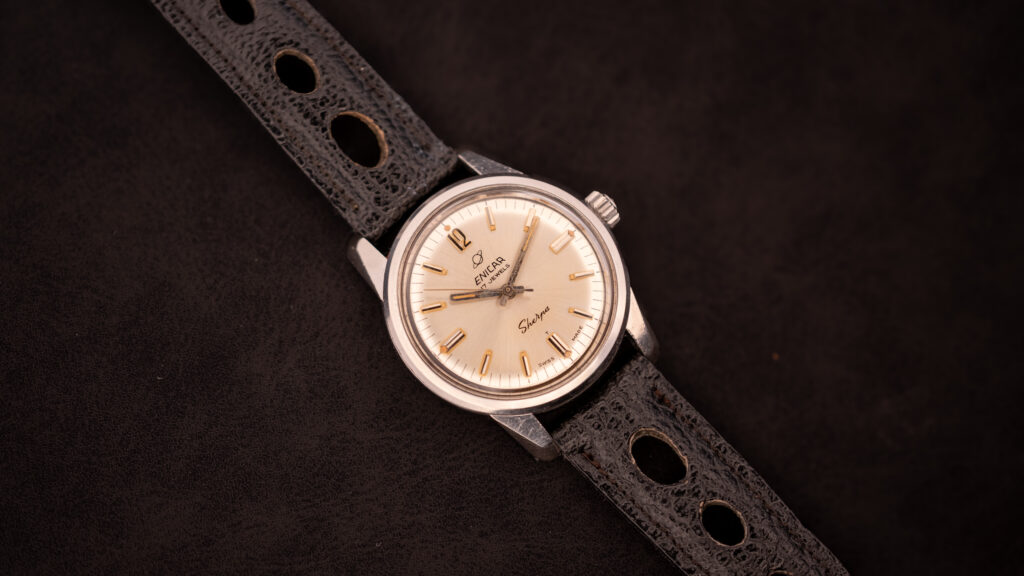
How Water-Resistant Is a Vintage Watch, Actually? The Honest Answer.
Every dealer says never get a vintage watch wet. That advice is half-engineering and half-liability theater. Here is what is actually true about vintage water resistance, where water actually gets in, and when a 1965 diver is safer than a 2-year-old modern.