

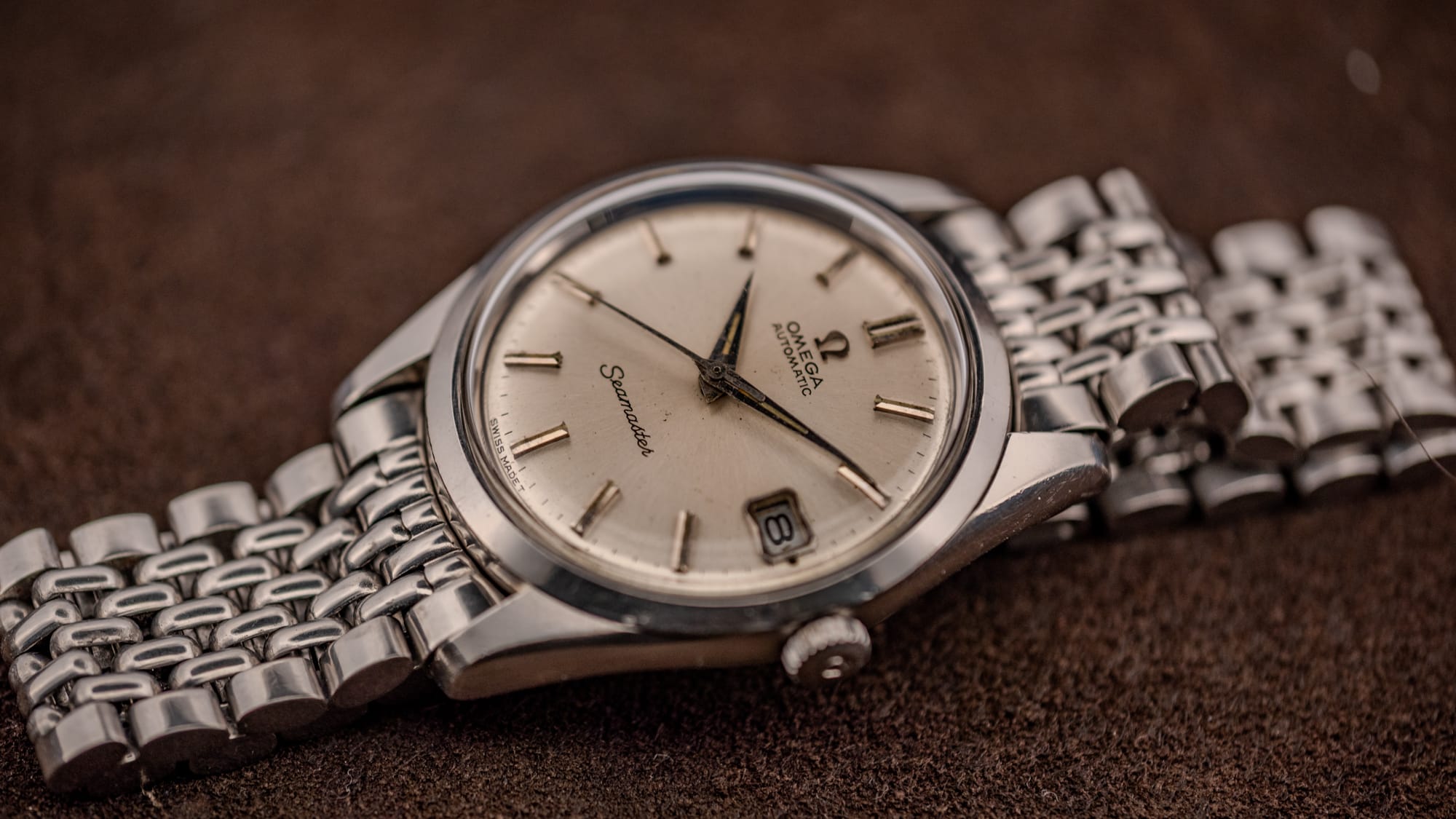
The Omega Seamaster 166.010 is a 24-jewel Swiss automatic in a 35mm steel case with a screw-down back, powered by a movement from the same caliber family Omega used in its chronometer-rated Constellations of the period. It sells for $900 to $1,500 in clean, honest condition. That is roughly what a new mid-range automatic from a second-tier Swiss brand costs today, before that watch loses 30% of its value the moment it leaves the retailer. Something is mispriced here, and it is not the Omega.
The reference has appreciated 55% over five years. Median sell time on WatchCharts is 33 days when listed correctly. Those two numbers together mean the market has noticed the 166.010 without fully correcting its valuation. The entry point is still reasonable. It will not stay that way indefinitely.
This guide covers the buying decision: what to pay, which variant to hold out for, what kills the deal on inspection, and where the 166.010 sits against its closest alternatives. For production specifications, caliber data, and caseback markings in full, the Omega Seamaster 166.010 reference report covers the technical record.
What You Are Actually Getting
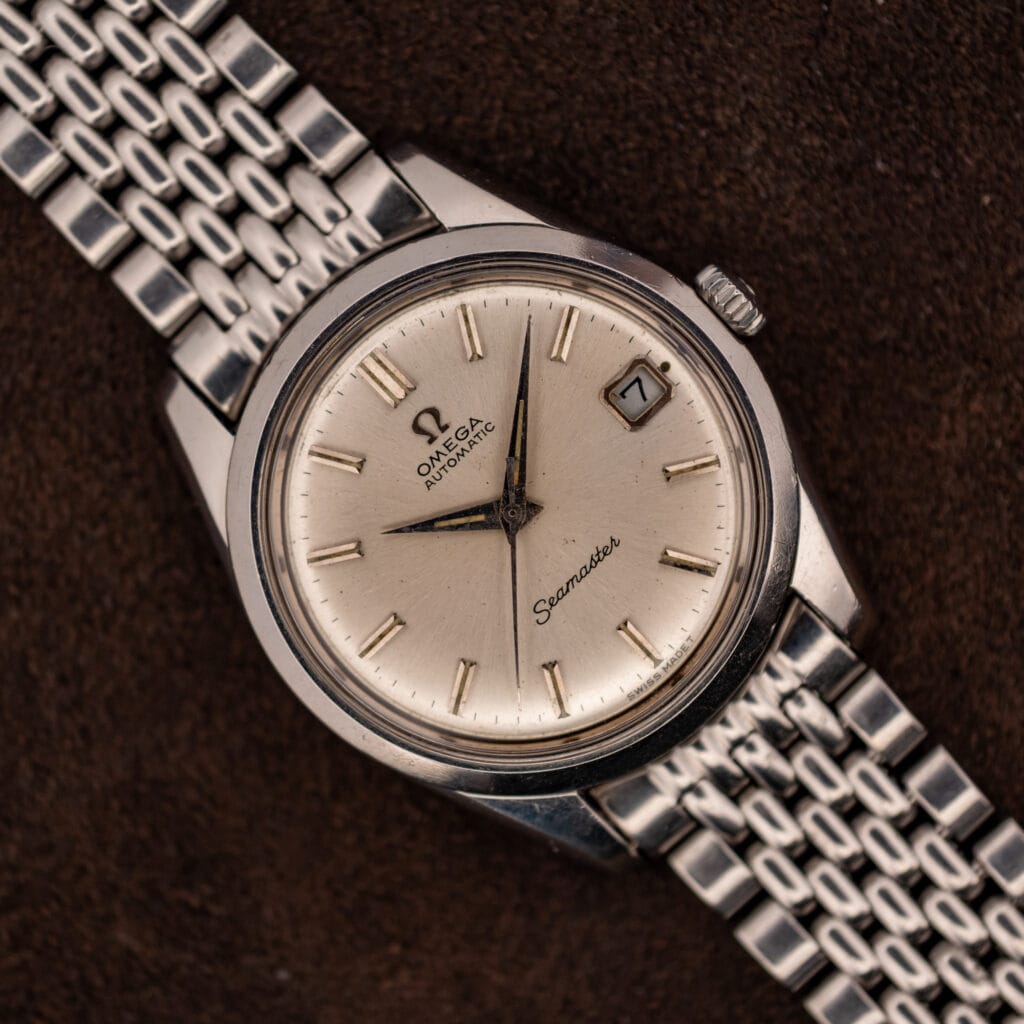
The 166.010 is a 35mm automatic date watch produced from 1962 to 1970. The case is stainless steel with a wide polished bezel, vertically brushed flanks, and broad downturned lugs with sharp beveled edges. Lug-to-lug runs 42 to 43mm. Case thickness sits at 11mm. Lug width is 18mm.
The caseback is screw-down with Omega’s deeply embossed Seamonster medallion, used for the Seamaster line since 1948. Inside the caseback: the reference number “166.010,” a two-digit year code in the form “-63” or “-68” marking the year the case was manufactured, the case maker’s stamp (HF for Huguenin Freres, CB for Centrale Boites, occasionally TR), and “Omega Watch Co. Swiss Made.” Cases were produced predominantly in stainless steel. A less common gold-capped variant carries the prefix “CD” (CD 166.010), with 14k yellow gold plating over a steel body.
The movement is one of two calibers, both in Omega’s 550 family. Both run 24 jewels, 19,800 vibrations per hour, Incabloc shock protection, bi-directional rotor winding, and beryllium copper movement train components. These are the same architectural fundamentals that powered Omega’s chronometer-certified Constellations. The 166.010 simply did not receive the additional timing passes required for the chronometer designation. The movement underneath is the same.
This is not a dive watch despite sharing the Seamaster name. It is a sports-dress automatic with genuine water resistance from the screw-down back, designed during the era when “Seamaster” meant suitable for water rather than purpose-built for diving. Omega built it as their answer to the Rolex Datejust. The collector market has come to appreciate it on its own terms.
The Market in 2026
Real prices, not aspirational dealer asks. Chrono24 currently shows 166.010 listings ranging from approximately $1,050 to $2,165, reflecting dealer premiums and condition spread. EveryWatch auction realizations through early 2026 confirm the realistic midrange sits $900 to $1,400 for clean standard-dial examples. Here is what examples are actually selling for by condition tier:
| Condition | Price Range | Where You Find Them |
|---|---|---|
| Project / rough (unserviced, heavy wear, head only or generic strap) | $500 to $750 | eBay, forum classifieds, private sales |
| Good original (honest wear, running, cal. 562 or 565, no bracelet) | $800 to $1,100 | eBay, Chrono24, Reddit |
| Excellent / serviced (recent service, original crystal, clean dial, correct crown) | $1,100 to $1,500 | Chrono24 partner dealers, specialist shops |
| Top tier (original beads-of-rice bracelet, unpolished case, crosshair or black dial) | $1,500 to $2,200+ | Specialist dealers, auction |
| Gold-capped CD 166.010 (intact gold layer) | $1,200 to $1,800 | Chrono24, EU dealers |
| Chronometer variant with caliber 564 (rare market sub-variant) | $1,400 to $2,000 | Specialist dealers |
| Solid 18k gold BA 166.010 (extremely rare) | $3,500 to $6,000+ | Specialist auctions, Chrono24 top listings |
The sweet spot is $1,000 to $1,300 for a steel example with an original silver sunburst dial, a running movement, a correct signed crown, and no major cosmetic issues. Budget another $250 to $400 for a service from an independent watchmaker if the watch has not been recently serviced. All-in cost: $1,250 to $1,700 for a properly sorted, daily-wearable 1960s Swiss automatic from a tier-one manufacturer in its strongest production era.
For comparison: the Seamaster DeVille 166.020 sits one tier below at $700 to $1,000, the Seamaster 300 starts at $5,000, and a comparable-era Constellation pie-pan begins around $1,500 and reaches $3,500 to $8,000 for gold examples. The 166.010 sits between them: more capable than the 166.020 because of the screw-down back, less expensive than the Constellation because it lacks the chronometer designation, and at a proportion that wears closer to 37mm than its nominal 35mm suggests.
Dial Variants Drive the Price Spread
Dial variant accounts for more of the price spread within this reference than any other single factor. Know what you are looking at before negotiating.
The silver sunburst is the baseline. Radial brushed silver finish, applied faceted baton markers with black or onyx inlays, a faceted polished frame around the date window, and a double marker at 12 o’clock. Most examples on the market carry this dial. Price accordingly.
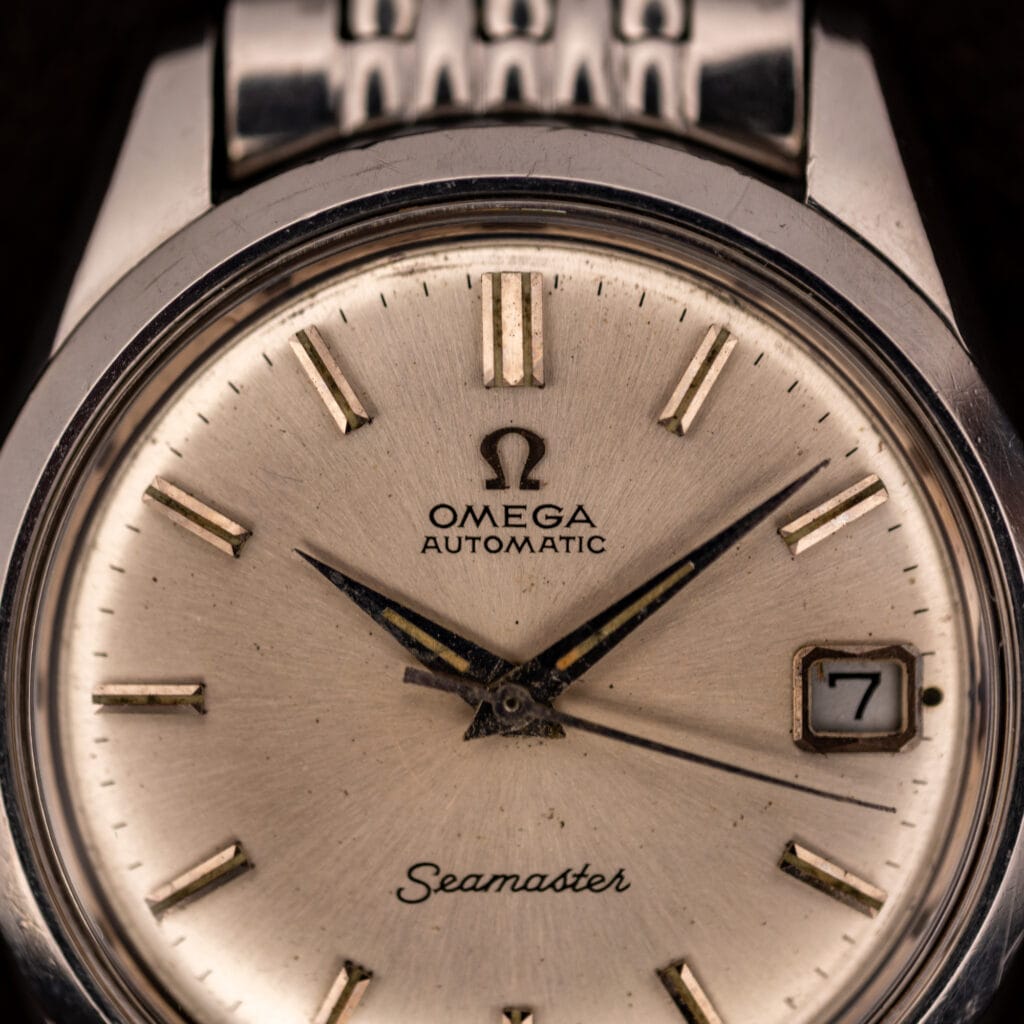
The champagne sunburst uses the same architecture in a warmer, slightly golden tone. These have a documented vulnerability: the lacquer layer that seals the paint can separate over decades, producing spotted or bubbled surfaces that read as pebbly in raking light. Always request a raking-light photograph before buying a champagne dial example. Flat-on photography will not reveal the issue. Heavily bubbled examples should be priced like project watches regardless of what else is correct about them.
The black dial is genuinely rare. Most factory-original black-dial 166.010s entered the market through Asian-region distribution and feature gilt printing with single-T (not double-T) “Swiss Made T” markings. The vast majority of black dials currently offered are repaints, and sellers do not always disclose this. Verification: the applied Omega logo should be three-dimensional and slightly raised. A flat printed logo means the dial has been redone. A correct factory original commands a meaningful premium. A redial is worth less than a worn silver-dial example.
The crosshair dial is the rarest standard production configuration. A thin cross of two perpendicular lines bisects the dial face horizontally and vertically, intersecting at the center pinion. Crosshair dials have a dedicated collector following and command a clear premium over standard sunburst examples. If a crosshair is listed at standard prices, either the seller does not know what they have or there is a problem with the example.
The ribbon dial (also called curtain or tapestry dial) features fine vertical ridging across the dial surface in place of the sunburst finish. Common enough among experienced 166.010 collectors to be well-known, uncommon enough in clean condition to take patience to find. These are genuine factory variants, not later alterations. They command a meaningful premium over standard sunburst examples.
The gold-capped variant (CD 166.010) trades at a modest premium over steel when the gold layer is intact and even. Worn-through plating is a cosmetic liability priced accordingly. A beat gold-cap can sell for less than a clean steel example.
Movement: Caliber 562 vs Caliber 565
Both movements are excellent. The distinction matters at the margin.
Caliber 562 (1962 to roughly 1965): semi-quickset date. Advance the date by rocking the hands back and forth across midnight, one day per cycle. Twenty-four jewels, 19,800 vph, Incabloc, standard 550-family architecture. Service parts remain reasonably available.
Caliber 565 (roughly 1966 to 1970): Omega’s first true push-pull quickset in the non-chronometer automatic lineup. Pull the crown to the second detent and the date advances one day per click. Rolex did not bring quickset to the Datejust until 1977. The 565 is otherwise mechanically near-identical to the 562 and shares much of its architecture with the chronometer-rated 564. Service parts remain reasonably available.
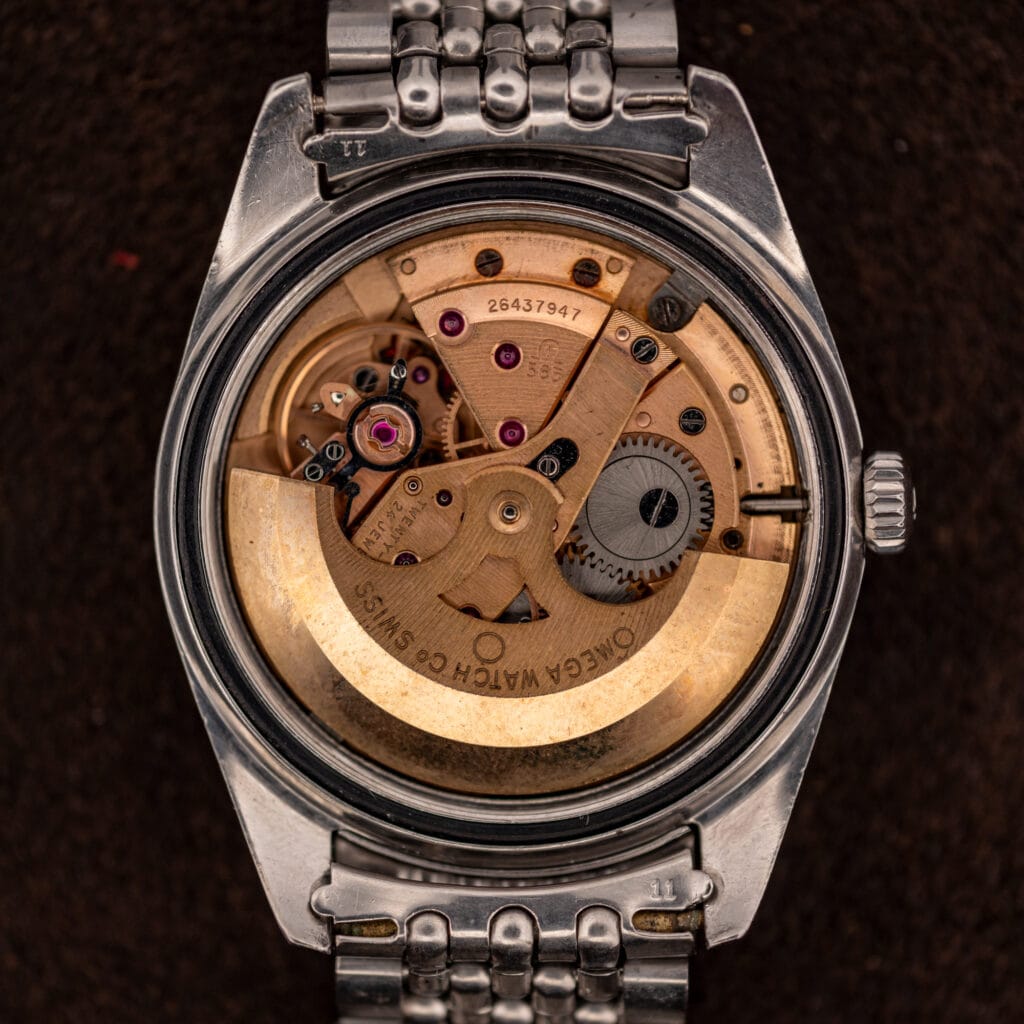
Given two otherwise comparable examples, take the 565. The quickset is worth the small premium. If the 562 example is meaningfully cleaner or substantially better priced, the movement designation is not a reason to choose a worse watch. Both calibers service for $250 to $400 at a competent independent watchmaker. Do not send a 166.010 to an Omega service center: their vintage service starts around $1,200, which does not make economic sense on a watch bought for $1,200.
A small subset of 166.010 examples shipped with the chronometer-rated caliber 564, dial-marked “Chronometer Officially Certified.” These trade at a premium of roughly 20 to 30% over standard cal. 565 examples in comparable condition. The chronometer-marked 168.024 is the more commonly sought chronometer sibling at this case size and represents a separate purchasing decision.
Original Parts: The Reference Numbers That Matter
Crystal: Omega part number 063PZ5031 (no cyclops) or 063PZ5031L (with magnifying lens for the date). Original is acrylic, lightly domed, signed on the underside with a small raised Omega logo. A signed crystal is a positive originality marker. An unsigned acrylic replacement is common and inexpensive to correct during service, but a signed original is confirmation the watch has been treated carefully.
Crown: The original is a thin scalloped Omega-signed crown specific to the 166.010’s case dimensions. Most examples on the market wear a service-replacement crown. A correct thin-scalloped crown is uncommon enough that collectors pay to source them specifically. A simple knurled service-replacement with the Omega logo is period-acceptable but is not the original.
Bracelet: The correct original is Omega reference 1036, with end-link 11 or 511. The number 12 stamped on some clasps identifies the clasp, not the bracelet. The 1503 bracelet appears on some 166.010 examples and looks period-correct, but its end-links (typically 70/570) do not sit flush against the case. An original 1036 with correct end-links commands a $200 to $400 premium over the same watch on leather or an aftermarket bracelet. The bracelet is almost always the first thing lost over six decades.
Caseback: Original screw-down back with deeply embossed Seamonster medallion. Internal markings should include “166.010,” a two-digit year code, case maker stamp (HF, CB, or TR), and “Omega Watch Co. Swiss Made.” A polished-out caseback interior is a sign of refinishing, which raises questions about what else has been done.
Five Things That Kill the Deal
1. Dial originality. Repainted dials are the single most common misrepresentation in this price tier, especially on black-dial examples. A genuine dial has crisp, lightly recessed printing with consistent font weight throughout. The applied Omega logo is three-dimensional and slightly raised. Suspect examples show printing that sits on top of the surface, inconsistent text weight, or color mismatches between printed text and applied markers. On black dials, compare font weight and serif details against documented originals.
2. Lug bevel integrity. Ask for photographs of the lugs from directly above at a sharp angle. Intact bevels catch light cleanly and create a defined shadow line where the polished top surface meets the brushed flank. Polished-out lugs show a rounded, continuous curve with no defined transition. This is not reversible without significant case work. A polished case is not disqualifying, but the price should reflect it.
3. Crown profile. The correct crown is thin, scalloped, and Omega-signed. An undersized crown, an unsigned crown, or a knurled crown that is too tall is a service replacement. Service replacements are extremely common and not a deal-breaker, but they should be priced as what they are.
4. Caseback date code vs movement serial mismatch. Match the two-digit year code stamped inside the caseback against the movement serial using the Omega serial number dating guide. Quick reference: serials 23,000,000 to 24,999,999 date to 1966; 25,000,000 to 25,999,999 to 1967; 26,000,000 to 27,999,999 to 1968; 28,000,000 to 31,999,999 to 1969; 32,000,000 to 32,999,999 to 1970. A date code that falls more than two years outside the movement serial’s implied range warrants explanation before negotiation.
5. Movement condition: rotor and bearing. Request a movement photograph. The inside of an original rotor is plain. A small stamped circle indicates a service-replaced rotor. A worn rotor bearing manifests as audible rubbing during winding. Budget $50 to $150 for a bearing replacement on top of standard service if this is present. Also check that bridge plating tone is consistent: mixed copper-plating colors on different components means the movement has been serviced with non-original parts.
Common Traps
The “just cleaned” movement that runs terribly. A recently serviced watch should run within reasonable accuracy. If a seller cannot provide service documentation and the watch shows rate deviation beyond +/- 30 seconds per day, “just cleaned” may mean “someone opened the caseback.” Request timing machine results before committing.
Japanese market examples with brightened photographs. The 166.010 turns up frequently in Japanese secondary market listings. The best Japanese sellers offer excellent condition at fair prices. The caution: some sellers adjust photo brightness in ways that conceal dial fading or champagne dial bubbling. Request raking-light and natural-light photos at multiple angles. Factor international shipping, customs, and potential service costs into the all-in price.
Sigma dials misrepresented as a premium feature. The Sigma symbol (Sigma Sigma) near “Swiss Made” on some Omega dials designates that applied markers and hands used gold. A Sigma-marked dial is a minor positive. It is not a premium feature worth paying up for on the 166.010.
Bracelet swaps presented as original. “Period-correct” means roughly contemporaneous, not original to the watch. If the bracelet matters, ask specifically: “Is this the original 1036 with 11 or 511 end-links, or a period replacement?” Reproduction end-links are sold for the beads-of-rice bracelet. An original bracelet shows consistent age and wear across all links, clasp, and end-links.
Movement and dial mismatch. Caliber 561, 562, and 565 components are interchangeable in some respects. A non-chronometer dial on a chronometer-certified movement is less serious than the reverse, but any mismatch tells you the watch has been opened and reconfigured. Verify quickset date functionality works as expected (565 and 564 only) and cross-check the movement serial against the dating guide.
Against the Alternatives
Omega Seamaster 165.024. The no-date sibling. Same case proportions, same era, cleaner dial. Trades somewhat below the 166.010. Less commonly encountered, which cuts both ways.
Omega Seamaster 168.024. The chronometer sibling. Same case, same dial language, powered by caliber 564. Trades at a 20 to 30% premium in comparable condition. Produced primarily in champagne dials, where the 166.010 offers significantly more dial variety. Movement provenance: 168.024. Dial choice: 166.010.
Omega Seamaster DeVille 166.020. Similar caliber family, 34mm unishell case, no screw-down back. Trades at $700 to $1,000, a $300 to $500 discount to the 166.010. The missing screw-down back is the substantive difference. The Seamaster DeVille 166.020 buying guide covers it in full.
Omega Seamaster 166.002. Closely related, also runs cal. 562 or 565. Lower production numbers, slightly different case proportions. Trades at similar money. Cross-shop both if good examples surface.
Omega Seamaster 2846 / 2577 (1950s and early 1960s). Earlier Seamasters with smaller cases, snap-on casebacks, older movement families. Trade lower. Worth considering if a more decisively vintage aesthetic is the goal.
Rolex Datejust 1601. The reference the 166.010 was designed to compete against. A clean Datejust 1601 in steel currently requires $4,000 to $7,000 for the equivalent of a $1,300 166.010. The Rolex secondary market also carries more counterfeiting risk at lower price tiers. If the choice is between a compromised 1601 at $3,000 and a clean 166.010 at $1,300, the Omega is the better purchase. If a Datejust is the goal, save longer and buy a real one.
Who Should Buy This Watch
A buyer who wants a wearable 1960s Swiss automatic with documented production history, a respected movement, a recognizable Omega case, and budget remaining for a service. Approachable enough for a first-vintage buyer. Interesting enough that an experienced collector will not feel they are settling.
The wrong purchase for two specific buyers. First: if 35mm is definitively too small. The case wears closer to 37mm because of the wide polished bezel, but it is still a 35mm watch. Second: if the expectation is momentum-play appreciation. The 166.010 has moved upward steadily, not aggressively. Buy it to wear it.
Buy the best case condition available. Accept dial wear before case wear. Prioritize movement originality and a correct crown. Get the caseback open and matched against the movement serial before committing. Add the original 1036 bracelet separately if one does not come with the watch.
The Bottom Line
The 166.010 is mispriced relative to its specifications, its production era, and the trajectory of the vintage Omega market. The structural reasons the reference stays cheap (35mm diameter, no chronometer designation, no Speedmaster celebrity) are weaker arguments in 2026 than they were five years ago. The 55% five-year appreciation and 33-day median sell time confirm the market is moving. The entry price has not fully closed the gap yet.
Buy the best example available. The market will catch up.
For complete production specifications, caseback markings, and caliber detail, see the Omega Seamaster 166.010 reference report. For dating an example by serial number, see the Omega serial number dating guide. For the lower-budget sibling, see the Seamaster DeVille 166.020 buying guide.
Browse Omega watches at OTTUHR
Related guides
More on vintage Omega: the expert’s guide to Omega reference numbers, and the ultimate guide to vintage Omega Seamasters.
Related posts
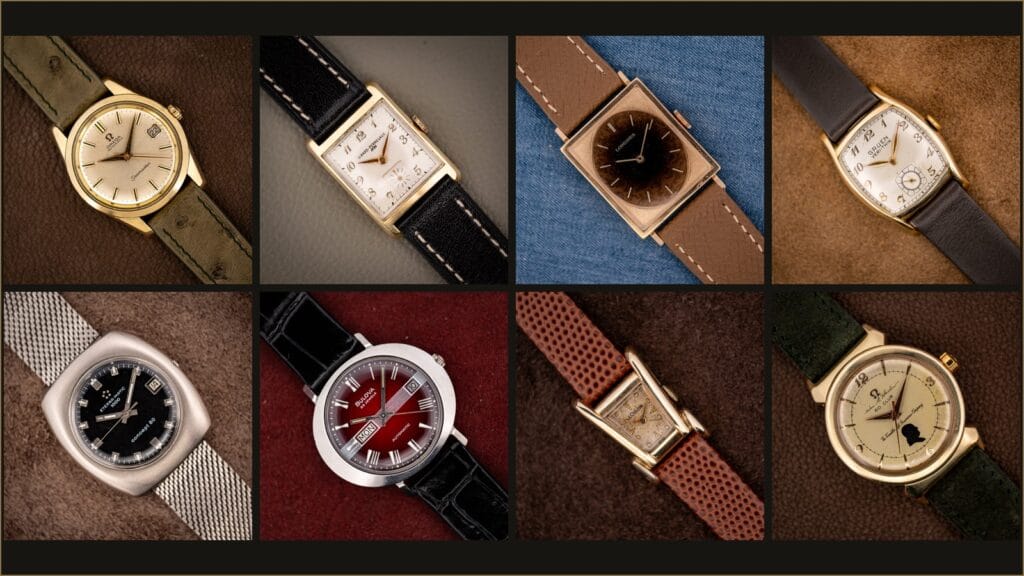
Watch Shapes: Which Vintage Case Shape Fits Your Style?
Case shape changes how a vintage watch wears more than diameter alone. Compare eight silhouettes and learn which one fits your wrist and style.
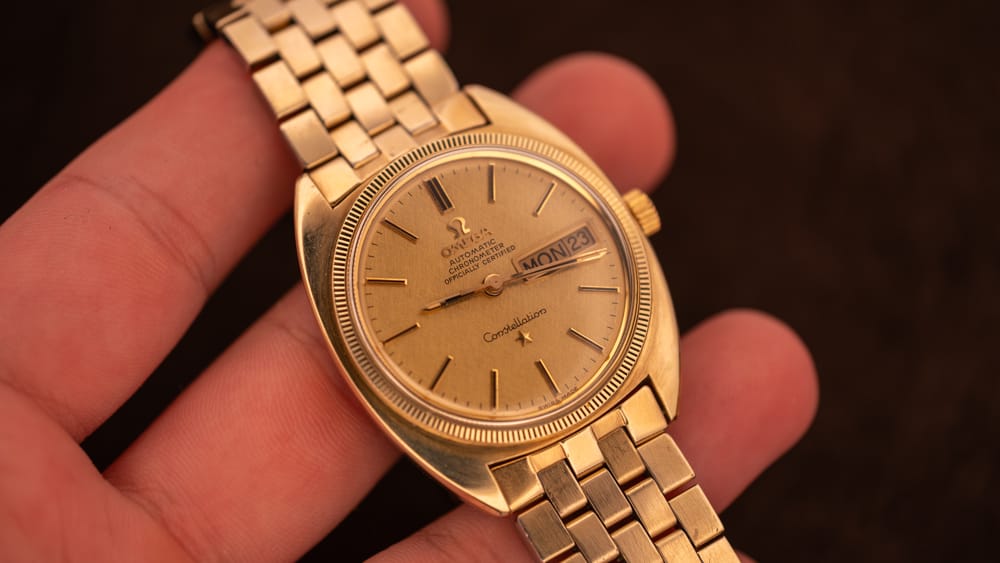
Vintage Dress Watches: How to Choose One You’ll Actually Wear
The best vintage dress watch is the one you will wear beyond weddings. Here is how to choose the right size, metal, dial, shape, and strap.
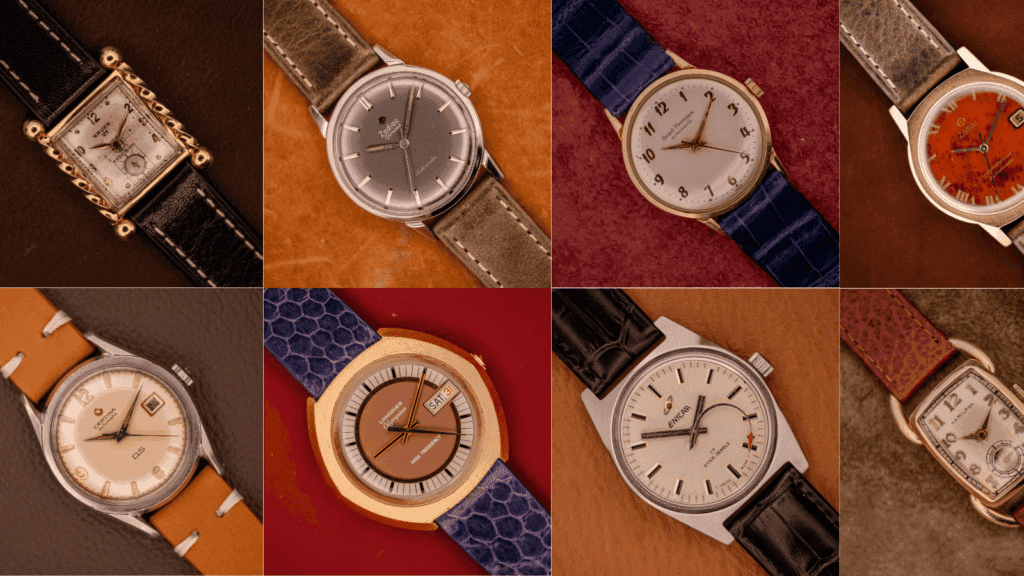
Vintage Watch Styles: A Visual Guide to Finding Yours
Most buyers pick a brand and stall. Here are nine vintage watch styles, shown with real watches from our archive, and the catch that comes with each one.
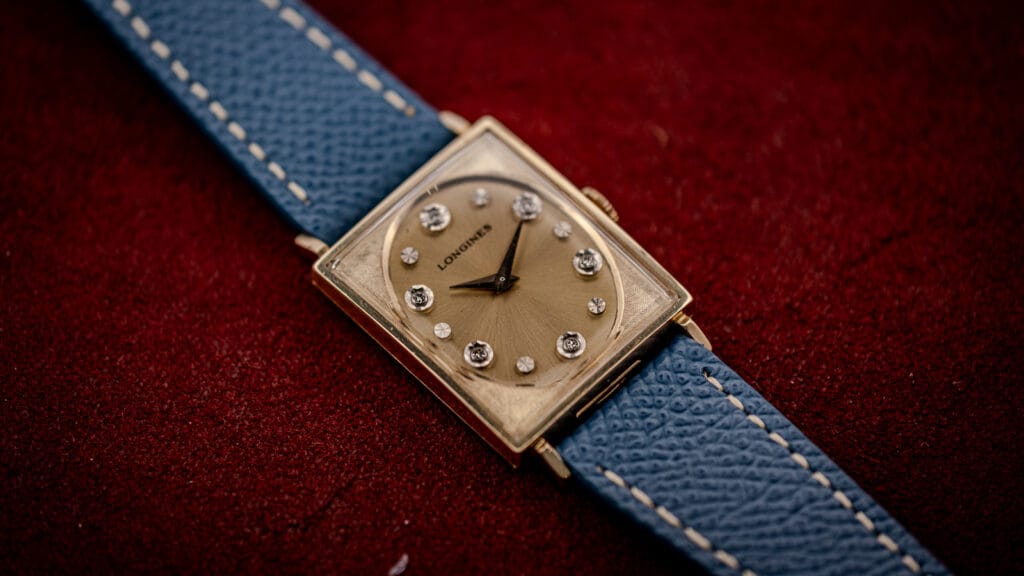
Vintage Tank Watches: A Buyer’s Guide to Rectangular Watches Beyond Cartier
Every Cartier Tank alternatives list is new watches imitating old ones. The originals still exist and cost less. A buyer's guide to vintage tank and rectangular watches: the brands, the prices, and what to check.
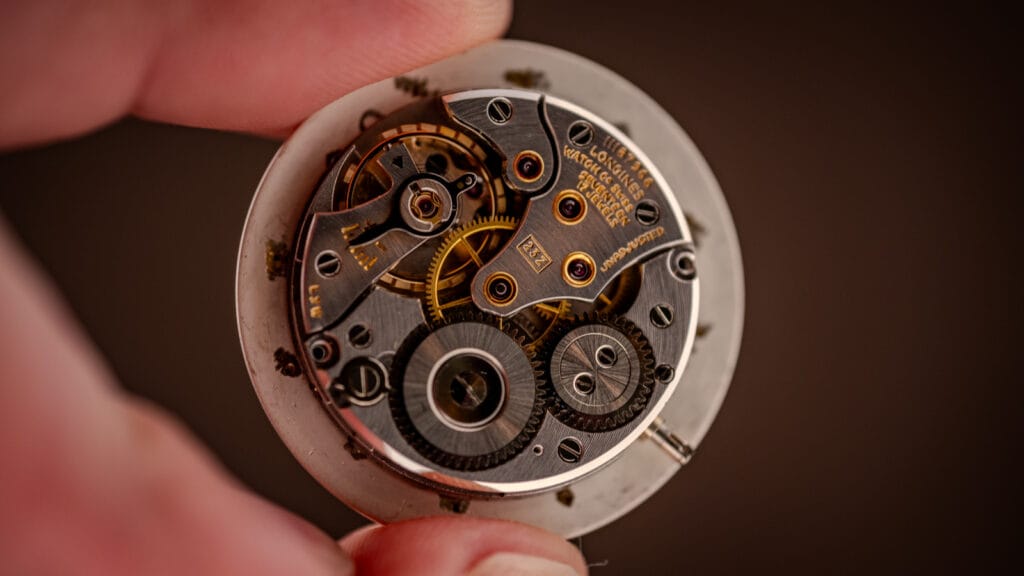
Service History Is the Wrong Question. Here’s the Right One.
Everyone says to ask for a vintage watch's service history. Most of it can't be verified, and a receipt proves a transaction, not a result. Here's what actually tells you a watch has been serviced, and the better question to ask.
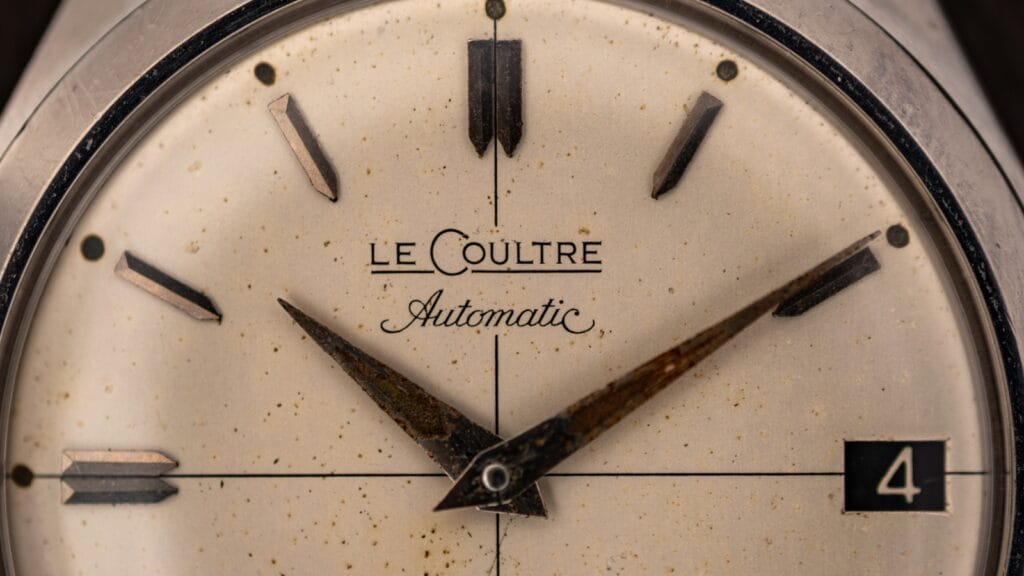
LeCoultre vs. Jaeger-LeCoultre vs. Jaeger: What the Name on the Dial Means
Three names, one Swiss firm, and one watch that isn't what it looks like. What LeCoultre, Jaeger-LeCoultre, and plain Jaeger on a vintage dial really tell you.
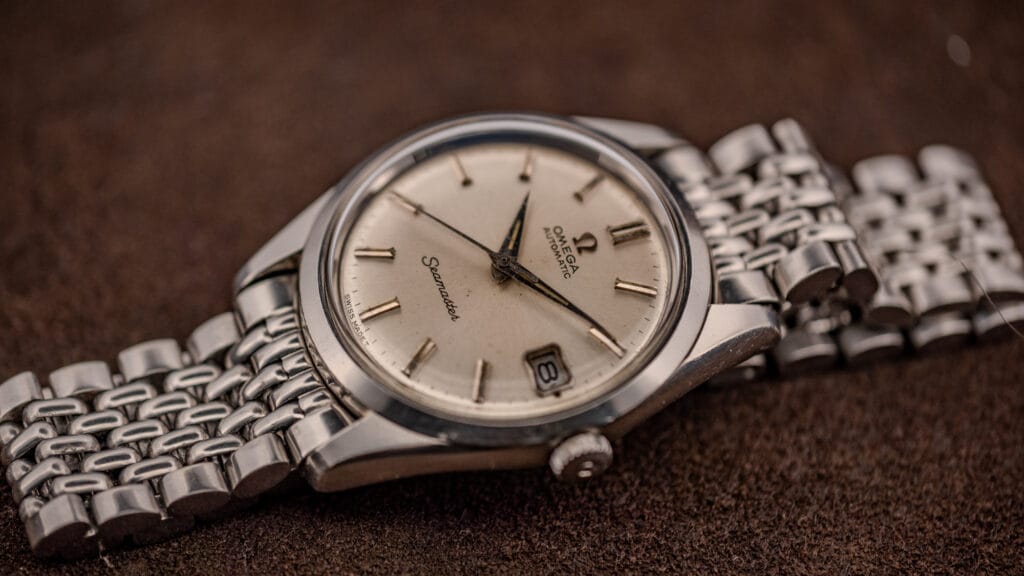
Omega Seamaster 166.010 Buyer’s Guide: Prices, Variants, and What to Look For (2026)
Everything you need to buy an Omega Seamaster 166.010 in 2026: real market prices by condition tier, five dial variants explained, caliber 562 vs 565, original part numbers, and what to inspect before you commit.
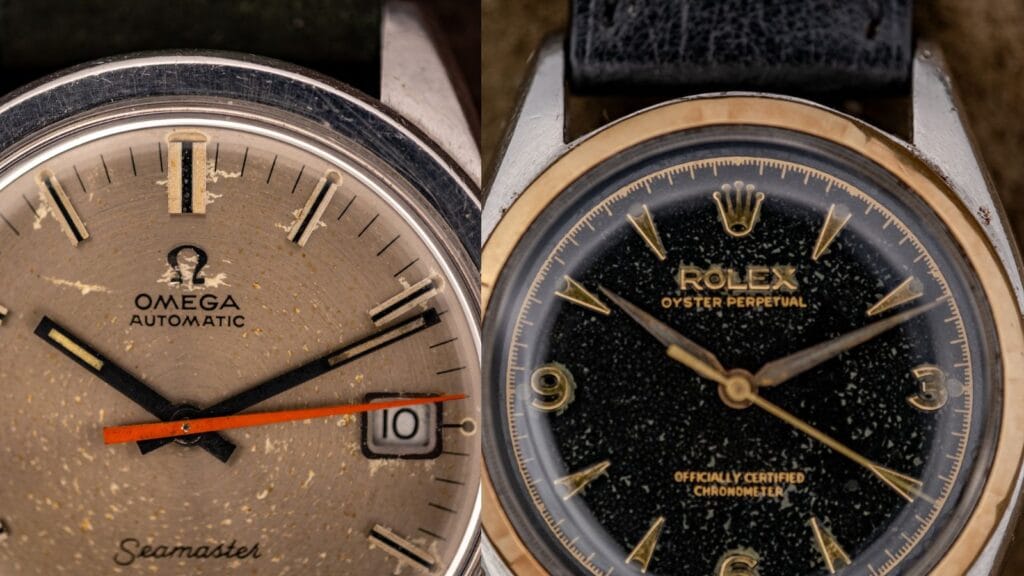
Omega vs Rolex: The Vintage Buyer’s Verdict
Vintage Omega vs vintage Rolex: where the Rolex premium is worth paying, where Omega is the smarter buy, and how to dodge redials on both. A collector's verdict.
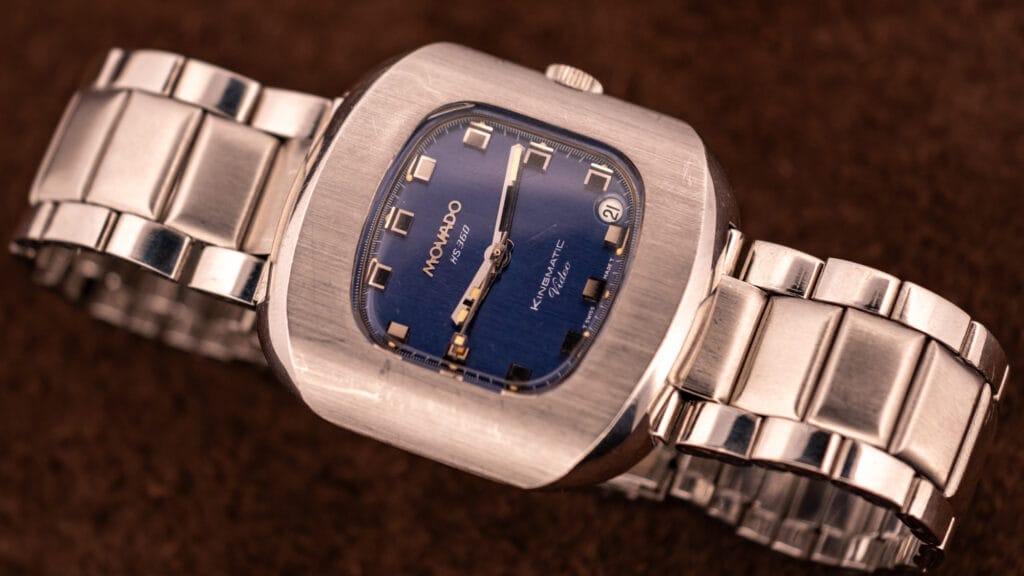
Movado Kingmatic: A Vintage Buyer’s Guide to References, Calibers, and Value
The Movado Kingmatic is one of the best values in vintage automatics. A buyer's guide to its references, in-house calibers, the Sub-Sea line, what to check, and what they actually sell for.
13 Vintage Watch Collecting Tips for Beginners (From 1,000+ Watches Sold)
Thirteen vintage watch collecting tips drawn from selling over 1,000 watches. What separates a smart first buy from an expensive lesson, with no sugar.
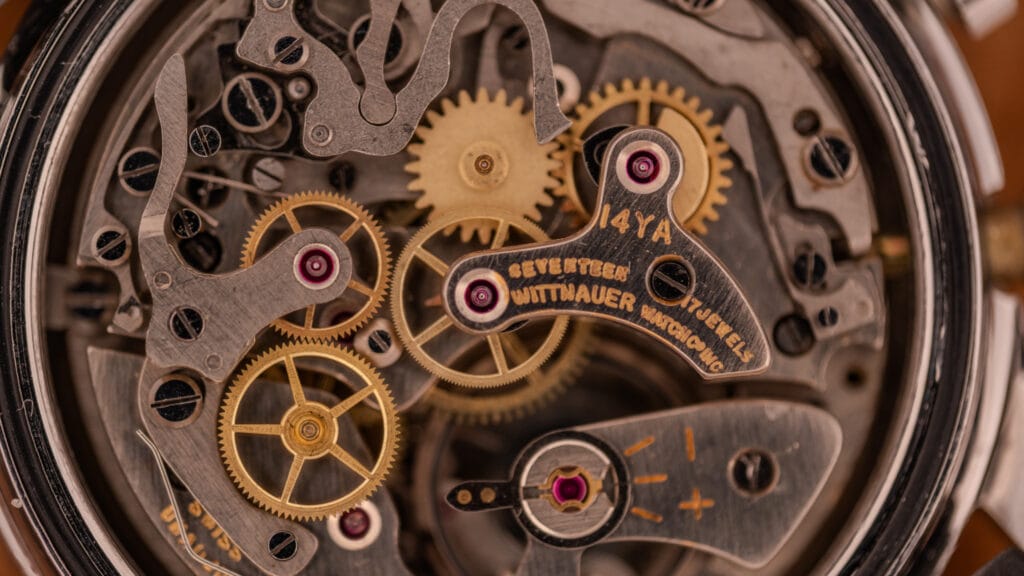
Vintage Wittnauer Chronograph Caliber Identification: Venus 188, Valjoux 7733/7734, Landeron 248
How to identify the movement inside any vintage Wittnauer chronograph: Venus 188, Valjoux 7733 and 7734, Landeron 248, and the house numbering system Wittnauer used to mark them.
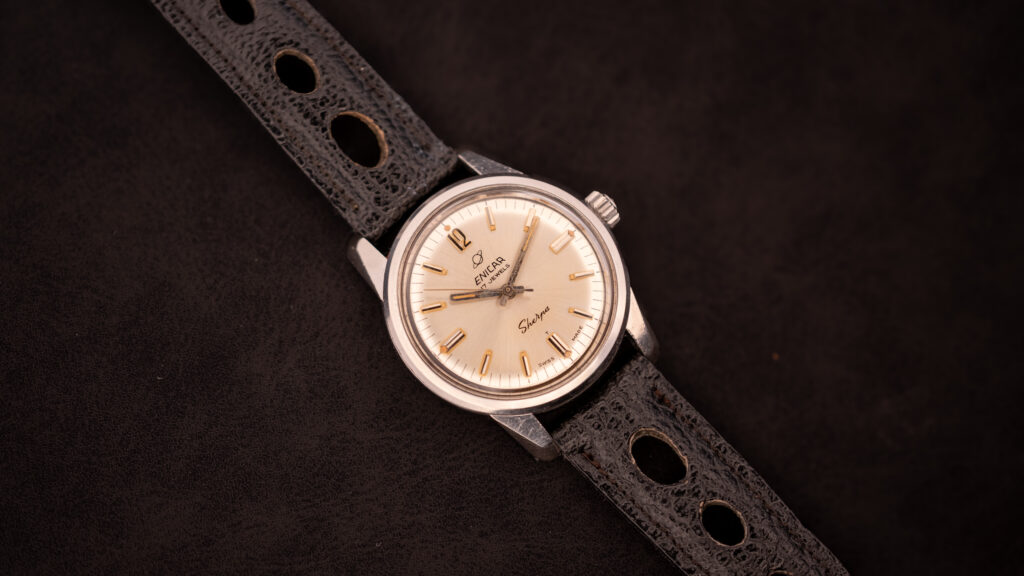
How Water-Resistant Is a Vintage Watch, Actually? The Honest Answer.
Every dealer says never get a vintage watch wet. That advice is half-engineering and half-liability theater. Here is what is actually true about vintage water resistance, where water actually gets in, and when a 1965 diver is safer than a 2-year-old modern.