

Most people have never heard the word “bumper” used to describe a watch movement, and even most watch collectors couldn’t tell you exactly what it means. But for nearly three decades, the bumper was the way to build a self-winding watch. It powered the world’s first commercial automatic, the world’s first automatic alarm watch, and a generation of mid-century pieces from Movado, Eterna, Jaeger-LeCoultre, Omega, Universal Genève, Felsa, and others. Then, almost overnight, it went extinct.
This is the story of the movement that built automatic watchmaking, why it disappeared, and the reason most of those watches are still hiding in plain sight on the vintage market.
What a bumper movement actually is
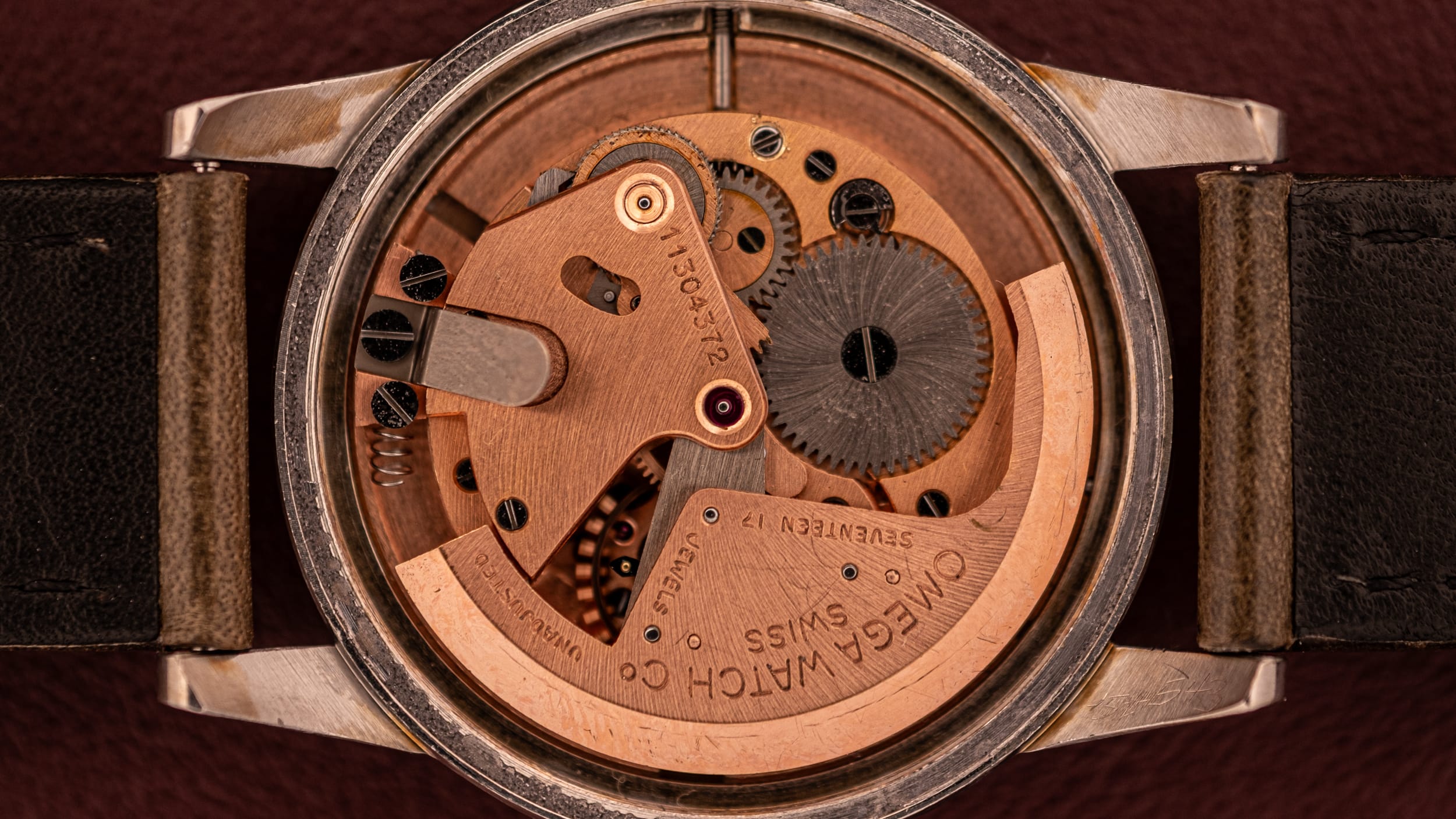
A bumper movement (also called a bumper automatic, hammer automatic, or pendulum automatic) is an early form of self-winding watch. Instead of using a freely-rotating rotor that swings 360 degrees around a central pivot, a bumper uses a weighted arm that swings back and forth across a limited arc. The arc varies by caliber. Most Movado and Omega bumpers swing through about 200 to 230 degrees. Felsa’s Bidynator works through a similar arc. The Jaeger-LeCoultre Memovox bumper rotors are the tightest of the major calibers at about 110 degrees, because the alarm wheel takes up the rest of the movement plate.
The arm “bumps” into spring-loaded buffers at each end of its travel, transferring kinetic energy from your wrist into the mainspring barrel through a ratchet system. This is also where the name comes from. With a bumper movement on the wrist, you can occasionally feel a subtle thud as the arm strikes the buffer springs. Not a vibration, not a click, more like a small heartbeat. It is the most distinctive tactile signature in vintage horology, and the easiest way to identify a bumper without taking the caseback off.
The Harwood patent and the birth of self-winding watches
The bumper movement isn’t just an early automatic. It is the original commercial automatic.
In 1924, an English watchmaker named John Harwood patented a self-winding wristwatch on the Isle of Man. Harwood was bothered by a specific problem: the manual winding crown was the largest source of dirt and water ingress in a wristwatch, and he wanted to eliminate it. His solution was a pivoted weight that swung freely inside the case, winding the mainspring through a ratchet system. The weight bumped against shock-absorbing pistons at each end of its arc.
Harwood’s first commercial watches reached the market in 1928. They had no winding crown at all. The time was set by rotating the bezel.
The Harwood design defined how a self-winding wristwatch could work for the next two decades. Almost every automatic produced before the late 1940s used some variation of his bumper concept. The exception, as we’ll see, was Rolex.
The Rolex 360-degree rotor (and the patent that froze everyone else)
The mechanical case for using a bumper-style rotor over a full 360-degree rotor isn’t strong. A full rotor is more efficient, winds more energy per arm motion, and isn’t physically limited by buffer springs. So why did everyone use bumpers for so long?
Because Rolex held the patent.
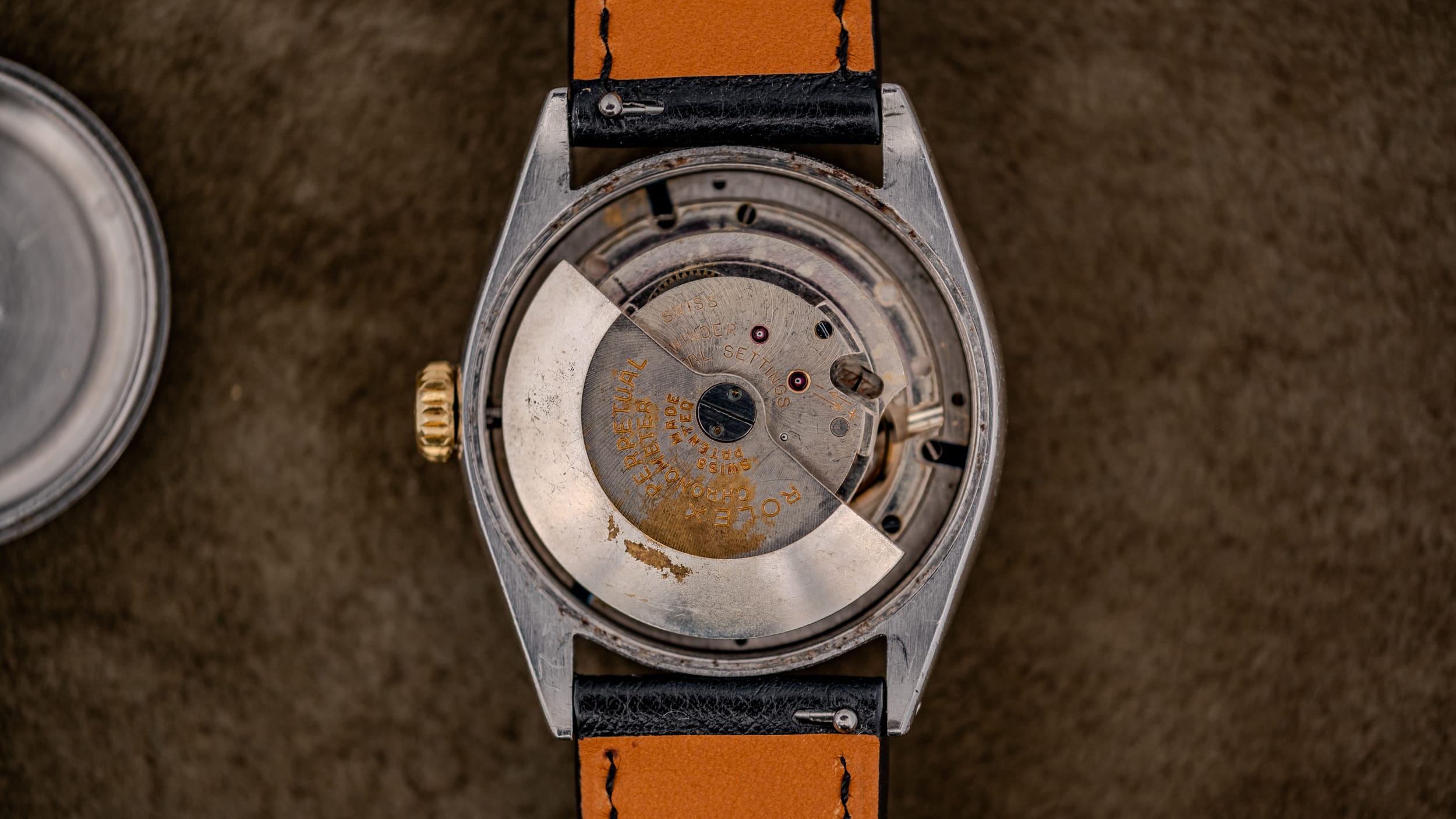
Rolex patented their Oyster Perpetual movement in 1931. Theirs was the first watch with a freely-rotating rotor that could swing all the way around its central pivot. The patent ran for 17 years, during which no other Swiss manufacturer was legally allowed to use a 360-degree rotor in their automatic watches.
The result: while Rolex pulled ahead with the Oyster Perpetual line, the rest of the Swiss industry refined the bumper to its mechanical limit. Brands like Eterna, Movado, Jaeger-LeCoultre, Felsa, Universal Genève, and Omega spent the 1930s and 1940s producing bumper calibers that were genuinely sophisticated and beautifully built. Many are still considered some of the best-engineered movements of the pre-war and immediate post-war period.
A note on the Rolex “Bubbleback”
Collectors new to the era sometimes assume the early Rolex Oyster Perpetual “Bubbleback” is a bumper because it’s an early automatic. It is not. The Bubbleback uses a freely-rotating semi-circular rotor that swings through a full 360 degrees in one direction (Rolex called it a Perpetual). It belongs to the full-rotor lineage, not the bumper one. The thick caseback is what gives the Bubbleback its name, accommodating the height of the rotor mechanism, and that thickness is sometimes confused with the rotor architecture inside.
Felsa Bidynator: the bumper’s last great innovation
In 1942, Felsa released the Bidynator, the first automatic movement in any form factor that wound bidirectionally. Most prior automatics, both bumpers and the Rolex Oyster, only wound efficiently in one direction of rotor motion. The Bidynator captured energy whether the rotor moved forward or backward, through a system of internal reversers.
It was a bumper movement, but it was also the most advanced automatic of its era. The Bidynator was so successful that the Swiss movement consortium Ebauches SA designated Felsa, alongside ETA and A. Schild, as a specialist supplier of automatic movements to the rest of the industry. Many vintage watches branded Wittnauer, Mido, Jaquet-Girard, Movado-cased private label pieces, and dozens of others used a Felsa Bidynator under the dial.
If you ever come across a vintage watch with “Bidynator” printed on the dial, that is what you are looking at. Wittnauer in particular branded several of its mid-1940s automatic dress watches with the Bidynator name as a selling point.
Eterna-Matic and the end of the bumper era
When the Rolex 360-degree rotor patent expired in 1948, the bumper era ended fast.
Eterna released the Eterna-Matic the same year. It was the first non-Rolex movement to use a freely-rotating rotor in a wristwatch, and the first ever to support that rotor on five tiny ball bearings. Five small balls became Eterna’s logo, and the bearing technology was so successful it became the standard for nearly every automatic watch made since. Grail Watch Reference’s Eterna-Matic family page is the best single technical reference if you want to go deeper on the post-bumper era.
By the mid-1950s, full-rotor automatics had taken over. Bumpers continued to be produced for a few more years, but as a category, the bumper movement was a relic by 1955. The major exception was the Jaeger-LeCoultre Memovox, which kept its bumper alarm caliber alive in production until 1969 because nobody else built an automatic alarm that worked as well.
How to identify a bumper movement
If you’re shopping vintage and want to know quickly whether you’re looking at a bumper, four signals are reliable:
- The wrist test. Wear it for an hour. The characteristic thunk-and-rebound is unmistakable. If you ever feel something like a tap or a small mechanical heartbeat as you move your arm, that’s the bumper striking its buffer springs.
- The caseback view. Open the back (or look at a dealer photo). A bumper rotor occupies less than half the movement diameter and is typically shaped like a semicircle or hammer head. A full rotor swings around a central pivot and looks like a complete or near-complete disc.
- The caliber number. The major bumper calibers are well-documented. If the rotor or movement plate is engraved with Felsa 410, 692, or 693; Movado 115, 221, 472, 473, or 471; Omega 28.10RA, 332, 351, 352, 353, 354; JLC K815 or K825; or any Eterna caliber from the 1340 family or earlier, you’re looking at a bumper.
- The era. Most automatics produced before 1950 are bumpers. Most produced after 1955 are not. Watches sold between 1948 and 1955 require checking the caliber.
The bumper movements still worth seeking out
Most vintage bumper watches are surprisingly accessible today. Partly because the segment has been overlooked, partly because the feel-on-wrist is unfamiliar to younger collectors. Here is what to know about the standouts.
Movado bumper calibers (115, 221, and others)
Movado registered an automatic patent in 1943 and shipped its first commercial automatic, the Tempomatic, in 1946. The Movado caliber 221 had a 56-hour power reserve, an enormous figure for an early automatic, achieved through an enlarged barrel design. The 115 was a half-rotor bumper used in many Movado dress watches of the era. Other Movado bumper calibers worth knowing include the 471, 472, and 473 series.
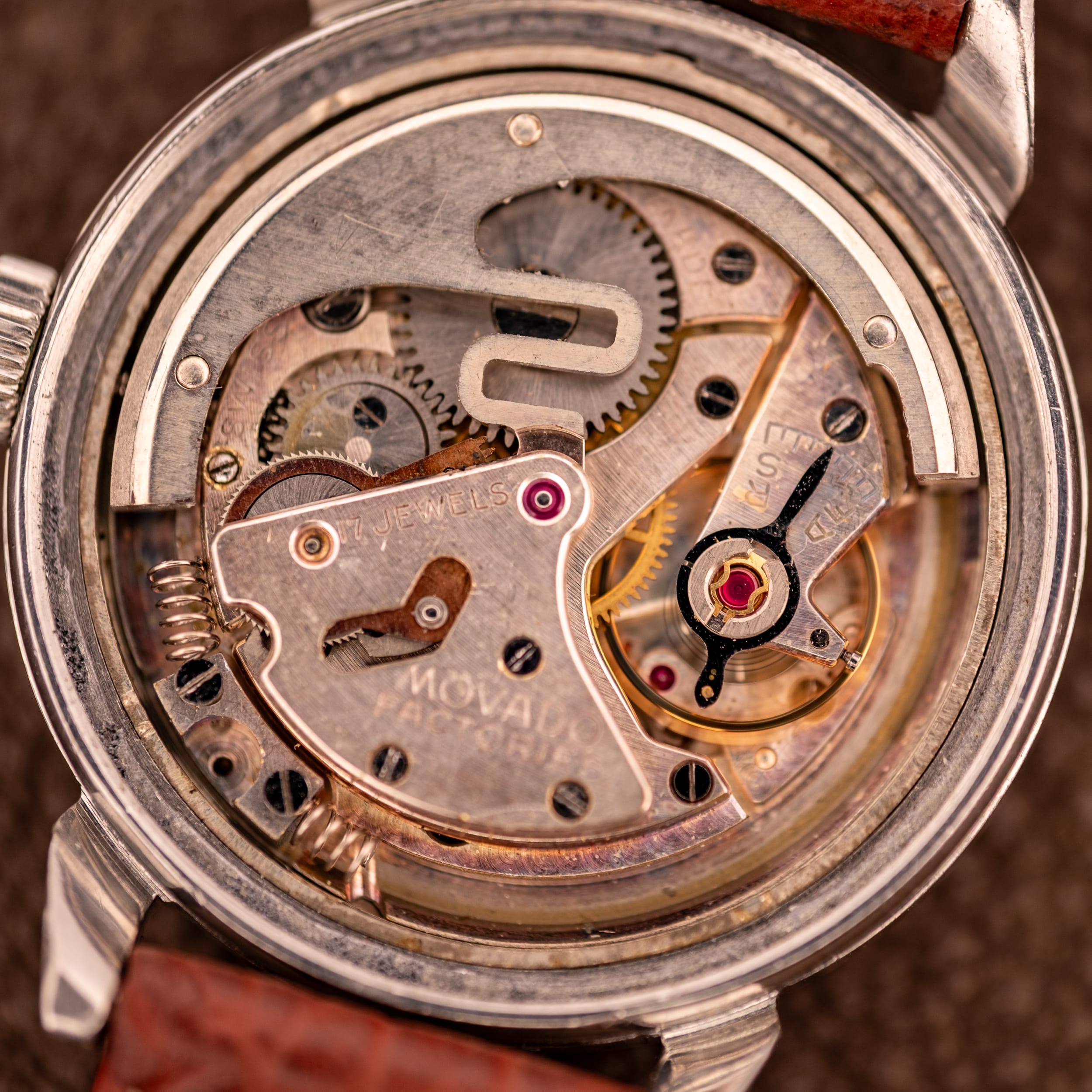
What makes Movado bumpers worth a closer look: they were built entirely in-house at a time when most competitors were sourcing ebauches from Ebauches SA. Quality control on these movements was exceptional, and many still run within tolerance today after a single proper service. Several also appear in Borgel-cased examples, which adds case-construction interest on top of the movement itself.
Jaeger-LeCoultre Memovox K815 and K825
In 1956, Jaeger-LeCoultre launched the K815 caliber, the world’s first automatic alarm wristwatch. The bumper rotor swung through about 110 degrees, simultaneously winding both the time mainspring and a separate alarm barrel. Three years later, the K825 added a date display and became the engine of the reference E855, the definitive bumper-era Memovox in steel. Wikipedia’s entry on the Memovox covers the broader reference and caliber history if you want the full lineage.
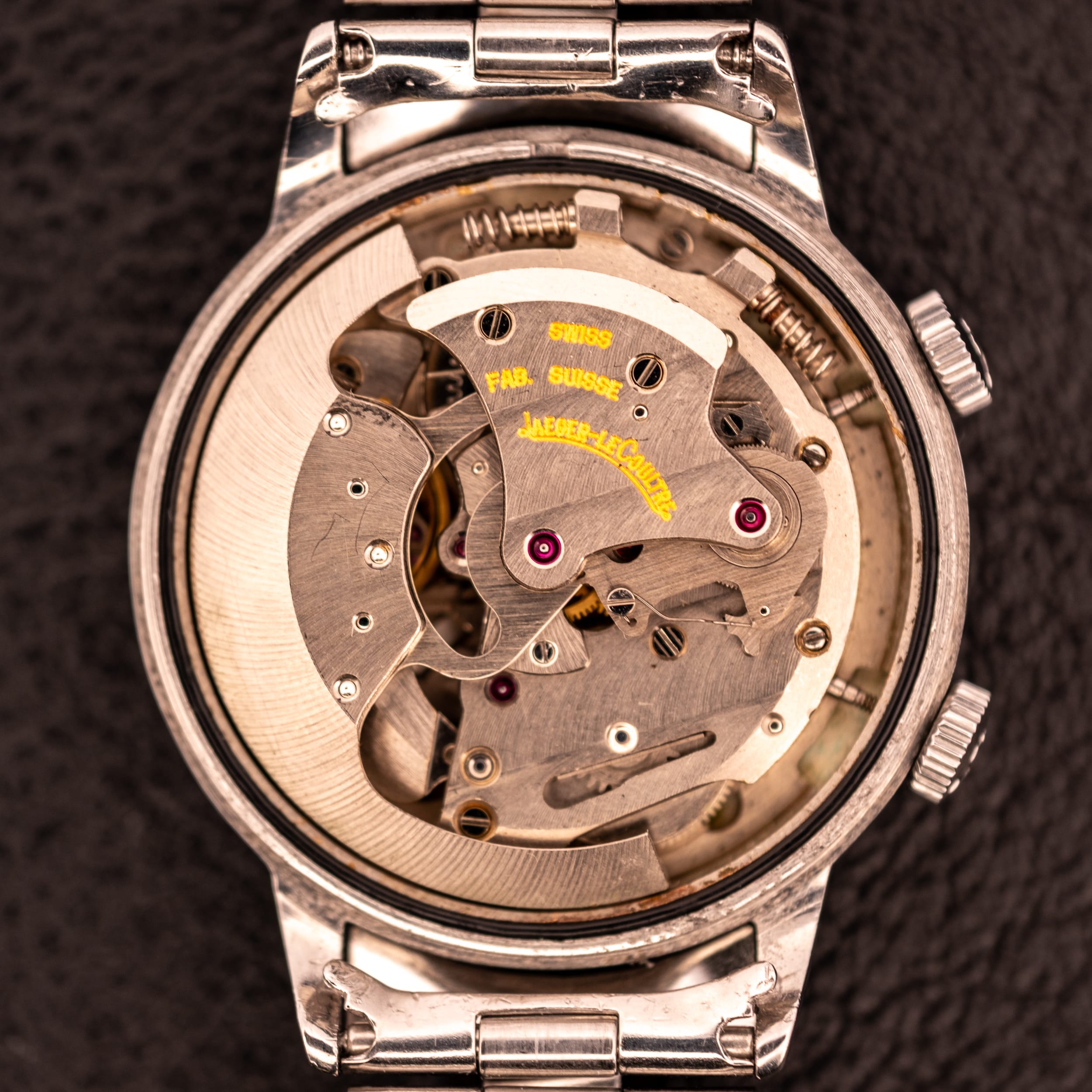
The K815 also powered the 1959 JLC Deep Sea Alarm, the world’s first dive watch with an alarm function. Both calibers are still considered some of the most sophisticated bumper movements ever made. They were produced through 1969, longer than any other bumper caliber, because nobody else built an automatic alarm that worked as well.
The Memovox is the headline piece of the bumper era and the watch most modern collectors first encounter as their gateway to the category. Prices have been climbing steadily for the last five years, and the steel E855 in honest condition is now firmly in the four-figure mid-range.
Omega bumper Seamasters (1948 to 1956)
Omega’s bumper era is its own deep topic, with reference numbers running from the 2374 series through the 2782 series and movement calibers including the 28.10RA PC (introduced in 1943 as Omega’s first mass-produced automatic), 332, 351, 352, 353, and 354. These are some of the most undervalued vintage Omegas in the market right now, with steel and gold-filled examples regularly trading well below comparable full-rotor Seamasters of the same era.
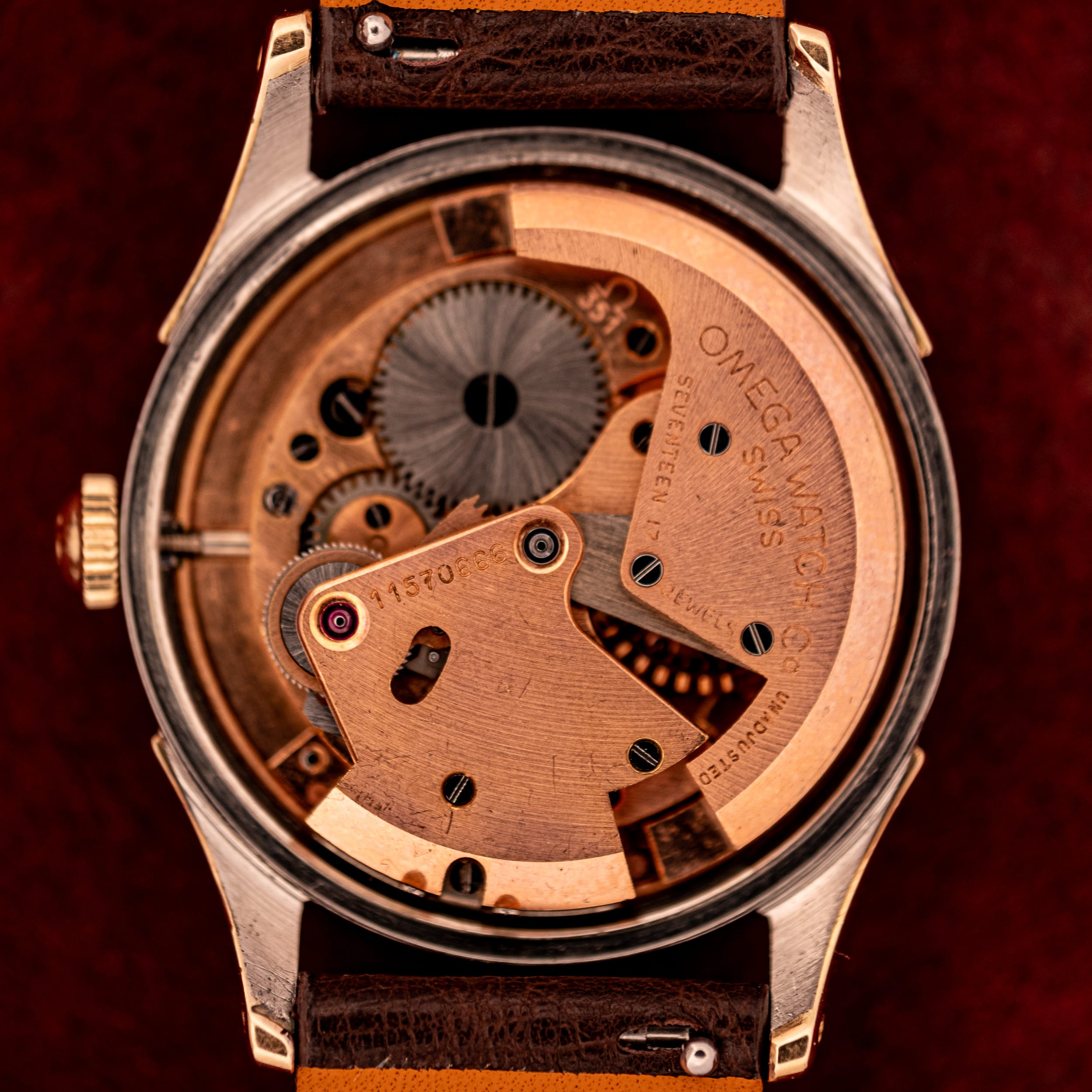
We covered the full Omega bumper reference guide separately for collectors who want to go deep on the Omega side of the category. Read the Omega bumper reference guide.
Universal Genève bumper calibers
Universal Genève was one of the three or four most important bumper innovators of the 1940s, alongside Omega, JLC, and Movado, and gets less collector attention than it deserves. Universal’s caliber 138 was a refined late-1940s bumper used in many of their dress automatics, and the brand’s Polerouter line later transitioned out of bumpers under Gérald Genta’s design. Several earlier Universal bumper Uni-Compax pieces in steel are now serious sleeper grails for collectors who pay attention to mid-century chronograph history.
Eterna and the bumper-to-rotor bridge
Eterna’s bumper movements from the 1940s are arguably the cleanest engineering of the era, and they led directly into the Eterna-Matic ball-bearing rotor that ended the bumper period. Owning a late-1940s Eterna bumper and an early-1950s Eterna-Matic side by side is essentially holding the historical pivot point of automatic watchmaking in your hand.
What it feels like on the wrist
If you have never worn a bumper, the first sensation is different from any modern watch. With a 360-degree rotor, the winding motion is invisible and inaudible to the wearer. With a bumper, you will occasionally feel a soft thunk as the arm reaches the end of its arc and rebounds off the buffer springs. The first time it happens, you will think something is wrong with the watch. The hundredth time, you will forget you noticed.
Watch collectors who own bumpers describe this feel in different ways: a heartbeat, a clock pendulum, a faint tap. None of those are quite right. It is its own thing. Mostra Store’s long-form piece on bumper-wound watches describes it as “a heartbeat,” which is closer than most. And once you have felt it, you will recognize it on any other bumper you wear.
Common service issues with bumper movements
A bumper that runs well today does so in spite of being 60 to 95 years old. The mechanical issues that cluster on this category are well-understood by experienced vintage watchmakers, and worth knowing if you’re considering a purchase.
- Worn buffer springs. The two springs at either end of the rotor’s arc soften over decades of repeated impact. Worn buffers cause the rotor to bottom out hard against the case structure, eventually deforming the rotor itself. Replacement buffers are still available for most major calibers but require a specialist.
- Ratchet wheel wear. The system that converts rotor motion into mainspring winding uses small teeth that wear over time. Severe wear means the rotor swings but doesn’t actually wind the watch. This is a common complaint with bumpers that “feel right but won’t run.”
- Mainspring fatigue. Original mainsprings from the 1940s are often still in place. They lose elasticity gradually and produce reduced power reserve. Replacement is a routine service item.
- Stem and crown deterioration. Less specific to bumpers, but the early Memovox crowns are particularly delicate due to the alarm-set function and benefit from gentle use.
Service cost for a major-brand bumper through a reputable independent watchmaker generally runs $400 to $800 for a full overhaul, with Memovox alarm calibers landing toward the higher end due to the dual-barrel complexity. Craft + Tailored’s journal piece on early self-winding movements is worth reading if you want a dealer’s-eye view of which early automatics actually hold up under regular wear.
Should you buy a bumper movement watch? Buying considerations
Bumper movements were built to last, but they are now between 60 and 95 years old. A few rules of thumb when shopping.
Servicing is essential and not optional. A bumper that has not been touched in 30 years is overdue. Plan to budget for service before or shortly after purchase if the seller cannot show recent paperwork.
Find a watchmaker who knows vintage. Many modern watch service centers are unfamiliar with bumper movements. Look for an independent watchmaker who works on vintage Swiss calibers. Parts can be scarce for specific references, but most major bumper calibers (the Felsa Bidynator, the JLC K815/K825, Movado 115/221, Omega 351 through 354) still have parts availability through specialist channels.
Service intervals are roughly 4 to 6 years for regular wear. Less if the watch sits unworn most of the time, since bumpers stored long-term can develop issues from settled lubricants.
Hand-wind it if you are sedentary. A bumper rotor only winds during a partial arc of motion, so a watch worn at a desk all day may stop running overnight. Most bumpers can be hand-wound through the crown if needed.
Watch the dial and case before the movement. As with most vintage purchases, the most expensive part to fix is the dial, then the case, then the crystal, then the movement. An honest dial and a legitimate case are worth more than a freshly serviced movement on a refinished dial. Our guide to patina versus damage on a watch dial covers this in detail.
What bumper movement watches are worth in 2026
The bumper market is uneven and brand-driven. As of 2026, here is roughly where the major categories sit, assuming honest dial, original case, and recent service:
- Movado bumper, gold-filled or steel: $250 to $700
- Movado bumper, solid 14k or 18k gold: $1,000 to $2,500
- Omega bumper Seamaster, steel: $850 to $2,200
- Omega bumper Seamaster, gold-filled: $400 to $900
- Felsa Bidynator-powered Wittnauer or Mido dress automatic: $250 to $600
- Eterna bumper, steel: $400 to $1,000
- Universal Genève bumper, steel: $700 to $1,800
- Universal Genève Uni-Compax with bumper movement: $4,000 to $10,000+
- Jaeger-LeCoultre Memovox E855 (steel, K825): $4,000 to $6,500
- Jaeger-LeCoultre Memovox in solid gold: $6,500 to $12,000+
The Memovox prices have been the steadiest climbers in the category. The Universal Genève bumpers are arguably the most undervalued for the engineering they represent. The Felsa Bidynator-powered private-label pieces are where you find the most genuine value if you don’t mind a less-recognized dial signature.
Where bumpers fit in a vintage collection
The bumper era sits at a strange and interesting place in horological history. It is the bridge between hand-wound watchmaking and modern automatic watches. Owning a good bumper is owning a piece of that bridge.
Most bumpers can be acquired for under $1,000, often well under, with a few important exceptions noted above. For a first vintage purchase, a Movado bumper, a non-Memovox Jaeger-LeCoultre bumper, or a mid-tier Omega bumper Seamaster gives you a tactile mechanical experience you cannot replicate with anything modern, plus a pre-war or mid-century watch built before plastic and synthetic materials entered watchmaking.
If you are still figuring out where to start, our guide to the 12 best vintage watches under $1,000 covers a few good entry points, and our beginner’s buying guide walks through the broader purchasing framework.
The bumper movement is not an obscure footnote. It is the actual foundation of automatic watchmaking, and it is hiding in some of the most accessible vintage on the market.
Frequently asked questions about bumper movements
Are bumper movements reliable?
When properly serviced, bumper movements can run accurately and reliably for daily wear. They are not as shock-resistant as modern automatics and benefit from gentler treatment, but the underlying engineering is sound. Most major bumper calibers were over-engineered for their time and outlived the brands that made them.
How can I tell if a vintage watch has a bumper movement?
The most reliable way is to wear it for a day. The characteristic thunk-and-rebound feel is unmistakable. Visually, opening the caseback reveals a rotor that occupies only part of the movement diameter rather than swinging fully around a central pivot. The caliber number is usually engraved on the rotor itself.
When were bumper movements made?
Bumper movements were produced commercially from 1928, when Harwood’s first watches reached the market, through the mid-1950s as a mainstream category. The Jaeger-LeCoultre Memovox kept the bumper architecture alive in its alarm calibers until 1969.
Why did bumper movements disappear?
The Rolex patent on the 360-degree rotor expired in 1948. Within a year, Eterna had released the Eterna-Matic with a ball-bearing-supported full rotor, and within five years most Swiss manufacturers had migrated to full-rotor automatic designs. The full rotor is mechanically more efficient, and once the legal barrier was gone, there was no reason to keep building bumpers.
Is a Rolex Bubbleback a bumper movement?
No. The Rolex Bubbleback uses a 360-degree rotor (Rolex’s Perpetual mechanism), not a bumper. The thick caseback that gives the Bubbleback its name accommodates the height of the full rotor, which is sometimes confused with the bumper architecture. Rolex never produced a bumper movement.
How much should a service cost for a bumper movement watch?
A full overhaul of a major-brand bumper through a reputable independent watchmaker generally runs $400 to $800. Memovox alarm calibers and complicated bumpers (Universal Uni-Compax chronographs, for example) land higher because of dual-barrel or chronograph mechanism complexity. Avoid manufacturer service centers for bumpers if possible. They are typically more expensive and less experienced with the era.
Related posts
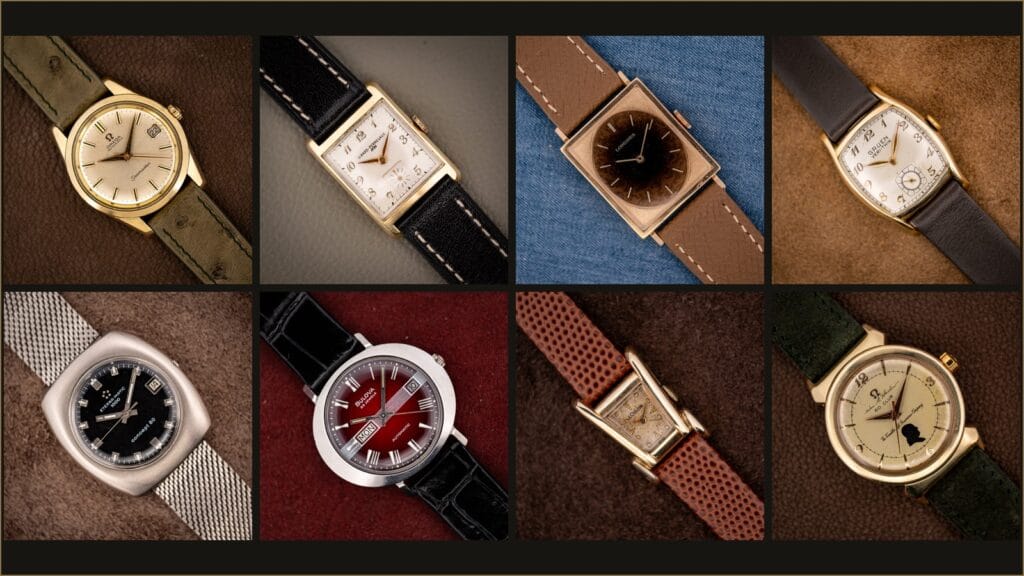
Watch Shapes: Which Vintage Case Shape Fits Your Style?
Case shape changes how a vintage watch wears more than diameter alone. Compare eight silhouettes and learn which one fits your wrist and style.
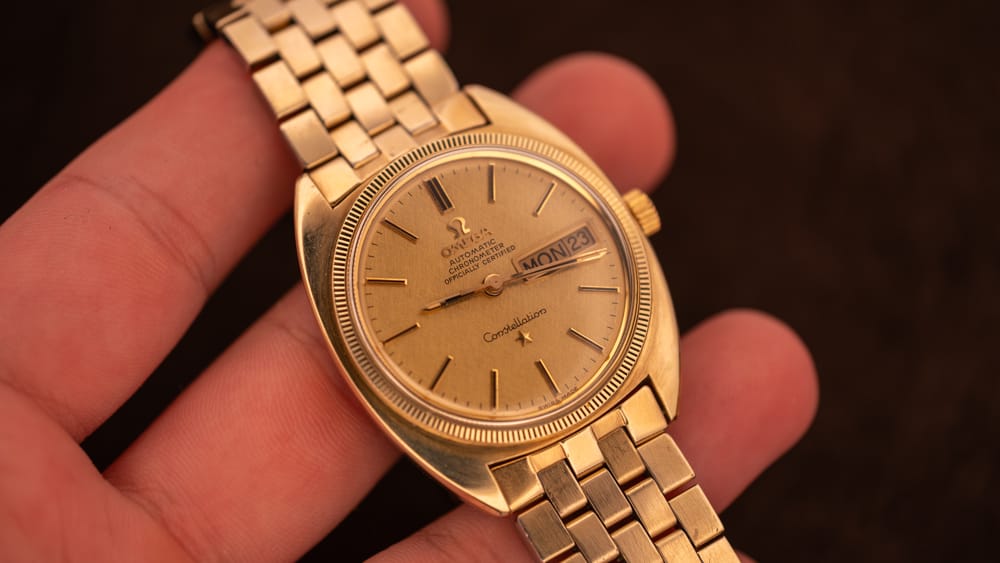
Vintage Dress Watches: How to Choose One You’ll Actually Wear
The best vintage dress watch is the one you will wear beyond weddings. Here is how to choose the right size, metal, dial, shape, and strap.
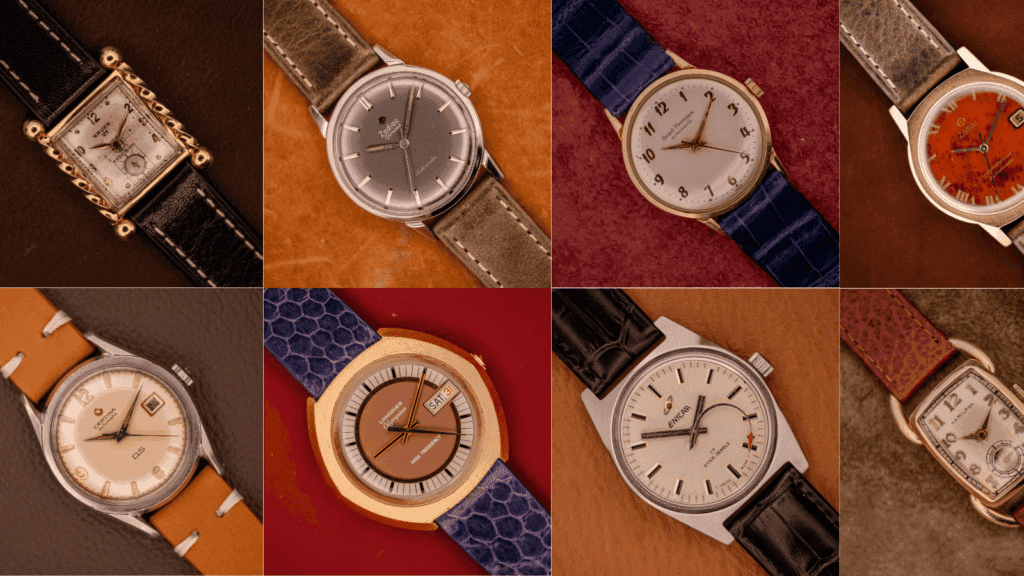
Vintage Watch Styles: A Visual Guide to Finding Yours
Most buyers pick a brand and stall. Here are nine vintage watch styles, shown with real watches from our archive, and the catch that comes with each one.
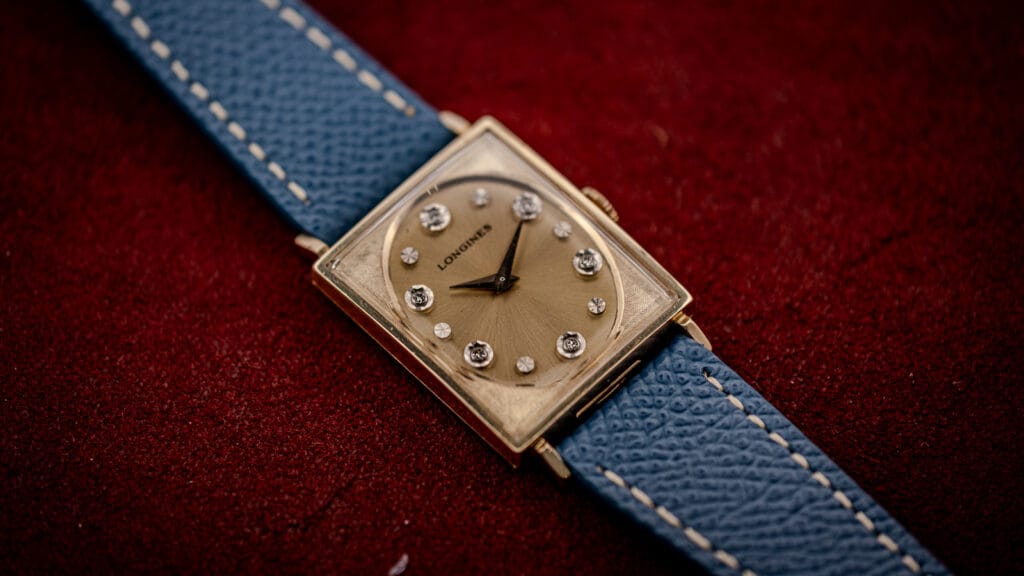
Vintage Tank Watches: A Buyer’s Guide to Rectangular Watches Beyond Cartier
Every Cartier Tank alternatives list is new watches imitating old ones. The originals still exist and cost less. A buyer's guide to vintage tank and rectangular watches: the brands, the prices, and what to check.
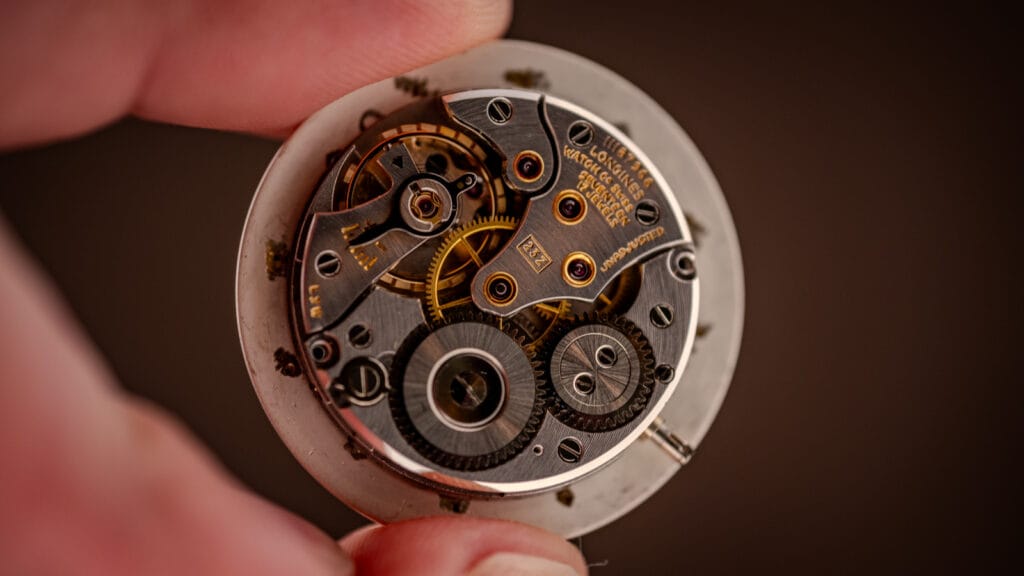
Service History Is the Wrong Question. Here’s the Right One.
Everyone says to ask for a vintage watch's service history. Most of it can't be verified, and a receipt proves a transaction, not a result. Here's what actually tells you a watch has been serviced, and the better question to ask.
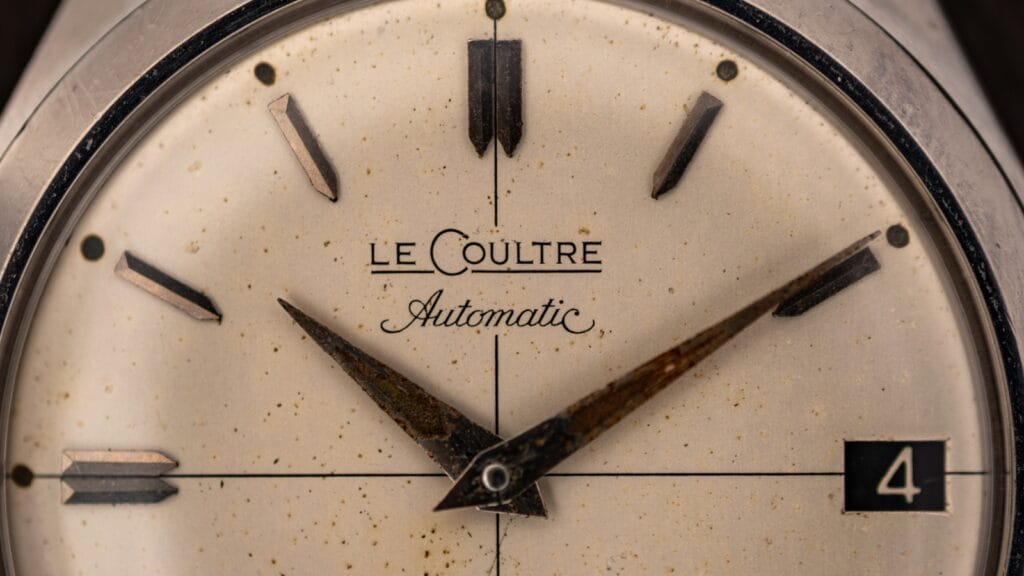
LeCoultre vs. Jaeger-LeCoultre vs. Jaeger: What the Name on the Dial Means
Three names, one Swiss firm, and one watch that isn't what it looks like. What LeCoultre, Jaeger-LeCoultre, and plain Jaeger on a vintage dial really tell you.
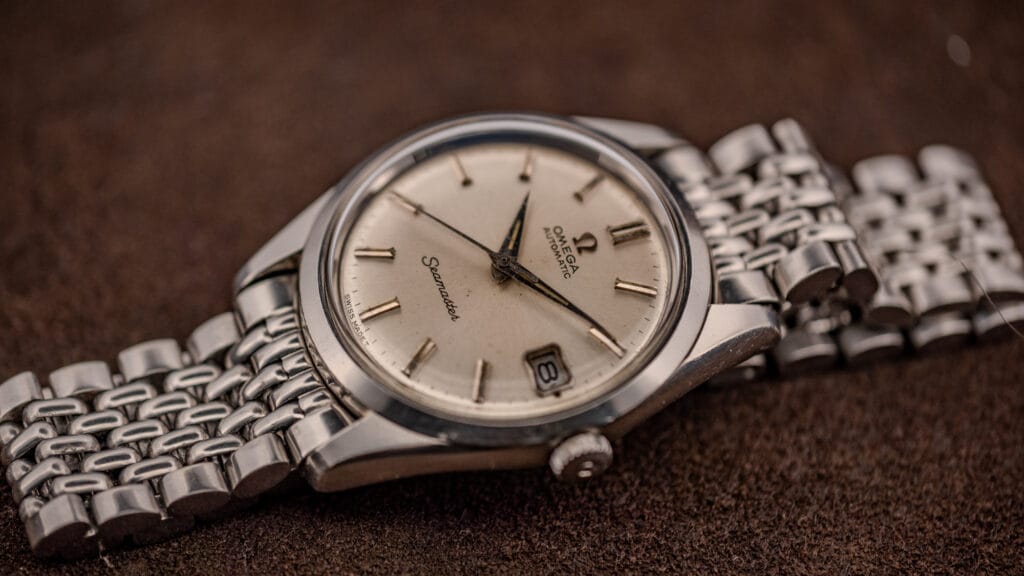
Omega Seamaster 166.010 Buyer’s Guide: Prices, Variants, and What to Look For (2026)
Everything you need to buy an Omega Seamaster 166.010 in 2026: real market prices by condition tier, five dial variants explained, caliber 562 vs 565, original part numbers, and what to inspect before you commit.
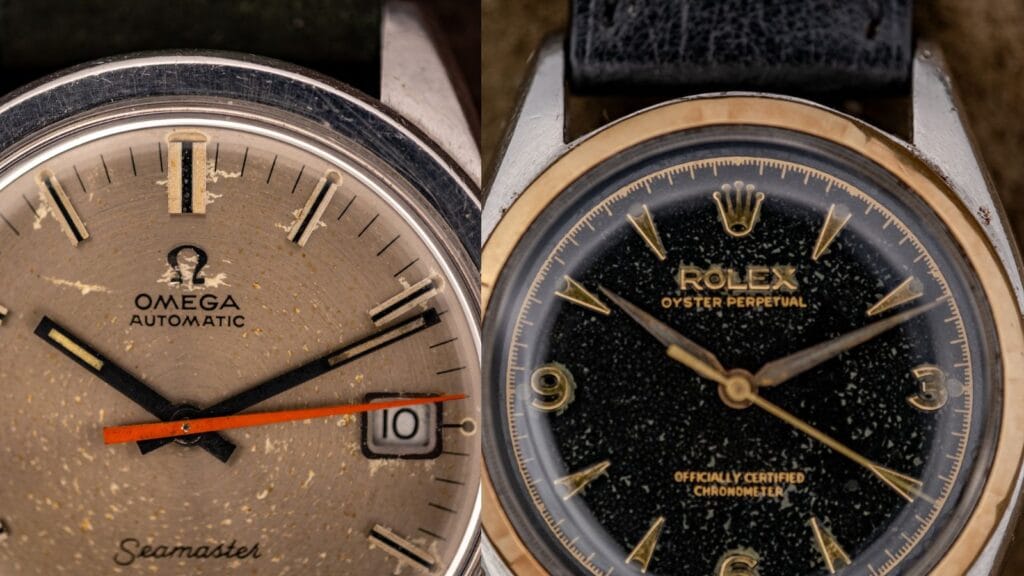
Omega vs Rolex: The Vintage Buyer’s Verdict
Vintage Omega vs vintage Rolex: where the Rolex premium is worth paying, where Omega is the smarter buy, and how to dodge redials on both. A collector's verdict.
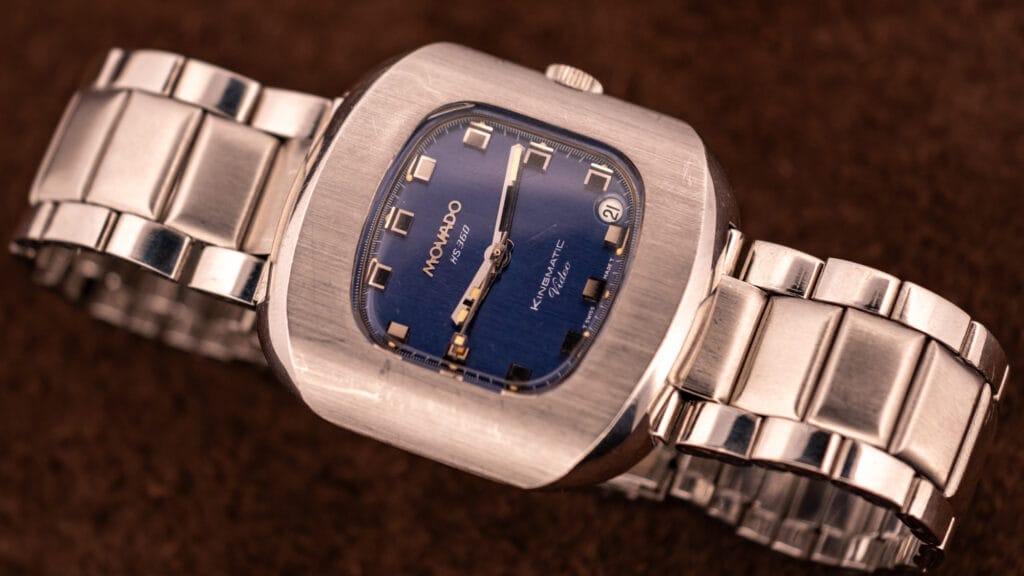
Movado Kingmatic: A Vintage Buyer’s Guide to References, Calibers, and Value
The Movado Kingmatic is one of the best values in vintage automatics. A buyer's guide to its references, in-house calibers, the Sub-Sea line, what to check, and what they actually sell for.
13 Vintage Watch Collecting Tips for Beginners (From 1,000+ Watches Sold)
Thirteen vintage watch collecting tips drawn from selling over 1,000 watches. What separates a smart first buy from an expensive lesson, with no sugar.
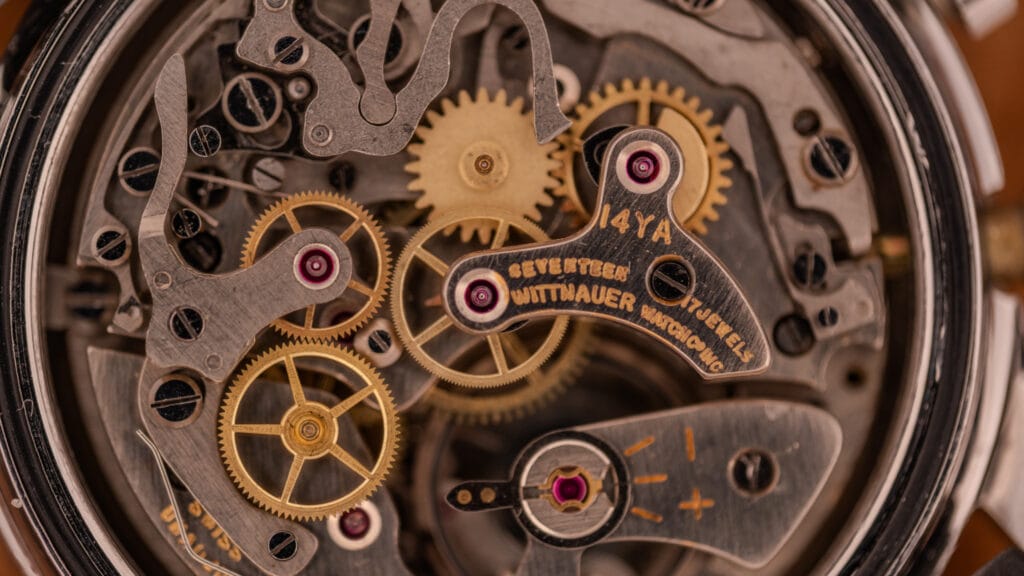
Vintage Wittnauer Chronograph Caliber Identification: Venus 188, Valjoux 7733/7734, Landeron 248
How to identify the movement inside any vintage Wittnauer chronograph: Venus 188, Valjoux 7733 and 7734, Landeron 248, and the house numbering system Wittnauer used to mark them.
How Water-Resistant Is a Vintage Watch, Actually? The Honest Answer.
Every dealer says never get a vintage watch wet. That advice is half-engineering and half-liability theater. Here is what is actually true about vintage water resistance, where water actually gets in, and when a 1965 diver is safer than a 2-year-old modern.