

Among vintage watch enthusiasts and collectors, one of the most debated topics revolves around patina and damage. What sets the two apart? When does a beautifully aged watch dial cross into the territory of wear and tear? And why is patina celebrated while damage is rebuked?
To answer these questions, we’ll break down what patina is, define damage on a watch dial, and explore how to draw a distinction between these two terms. Finally, we’ll land on a simple truth about collecting vintage watches that every enthusiast should keep in mind.
What is Patina?
The term “patina” originates from the world of art and antiques, describing the natural aging process of materials like metal and wood. When it comes to vintage watches, patina refers to the gradual aging of a watch dial, bezel, or other components, resulting in unique characteristics that develop over time.
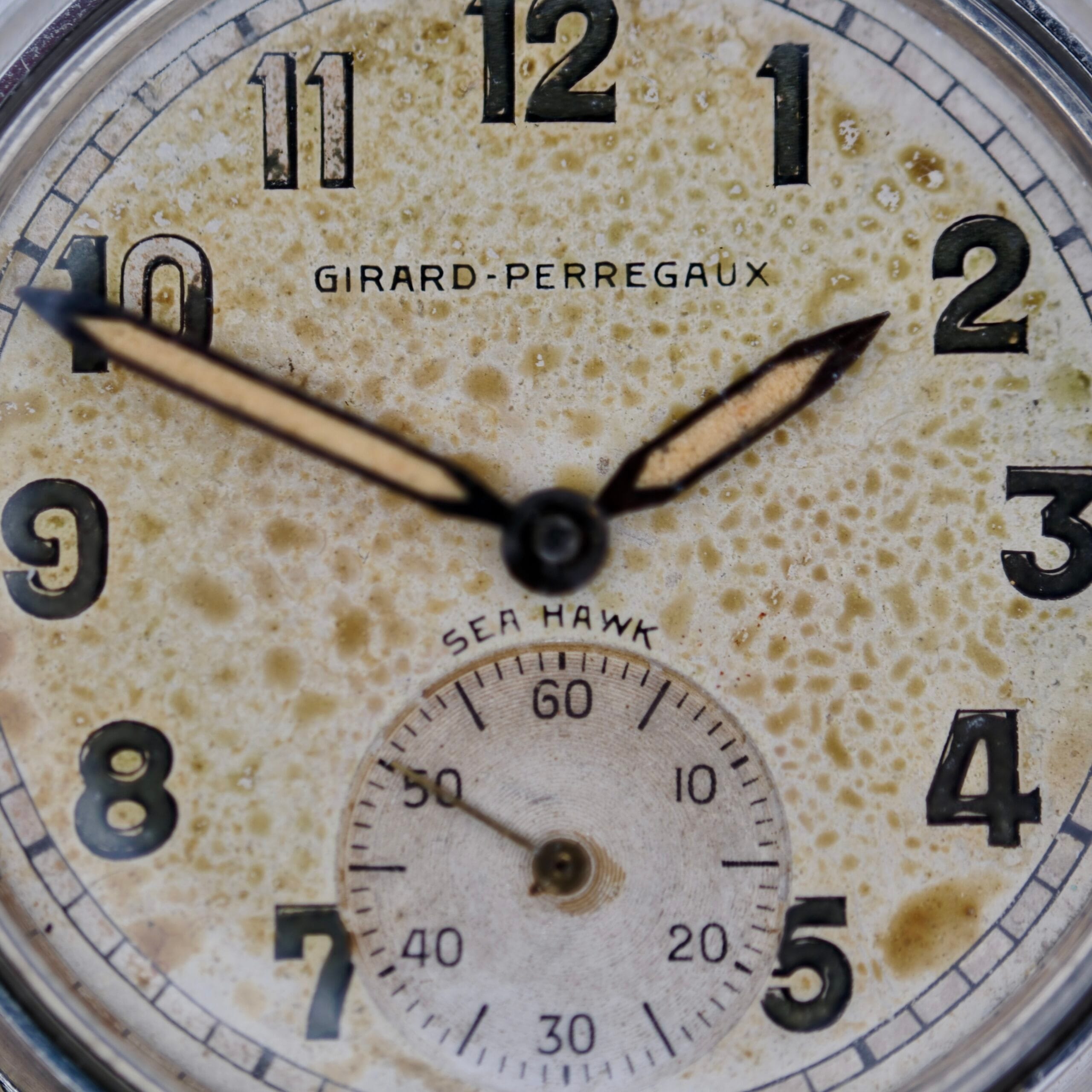
Patina is the result of time, environment, and wear. Exposure to sunlight, moisture, and air gradually transforms materials. On a watch dial, this might look like tropical browning, where the original color of the dial subtly shifts to varying shades of brown. Luminous elements, such as tritium or radium used in vintage watches, often age into soft, creamy tones. Metals may take on a matte finish or develop a subtle tarnish.

Is Patina Desirable?
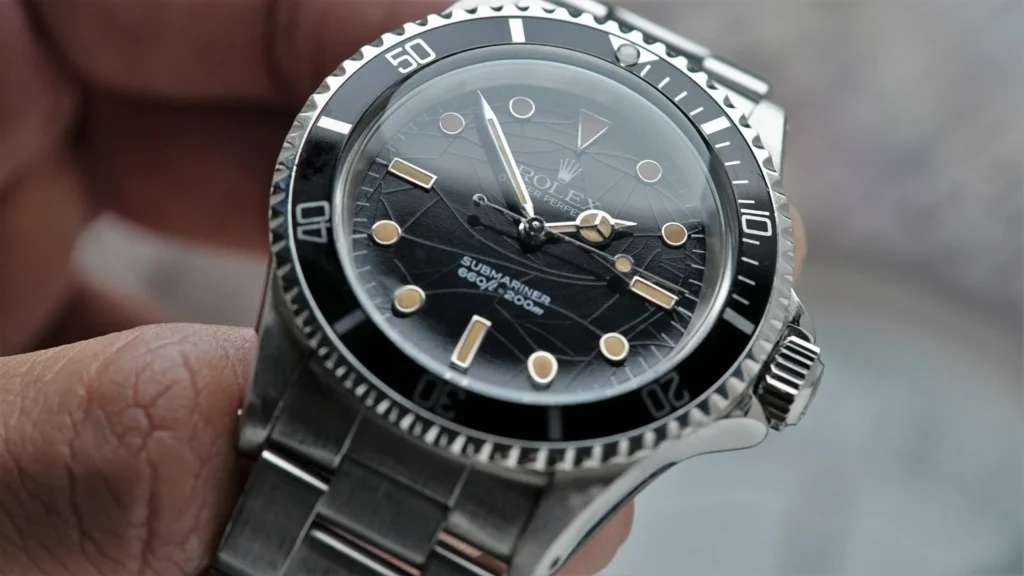
For many collectors, patina tells a story. It represents a watch’s life, personality, and authenticity. A beautifully aged patina doesn’t just signal age; it signals character. Watches with an even, aesthetically pleasing patina can fetch higher prices at auctions and among collectors. For example, a Rolex Submariner with “tropical” dial patina is often more sought-after because of its rarity and visual appeal.
Patina gives vintage watches their soul, reflecting decades of wear that make each piece one of a kind.
What is Damage on a Watch Dial?
While patina is celebrated, damage is unwanted and often diminishes a watch’s value and desirability. But the line between patina and damage can sometimes be blurry.
Water Damage
Water damage often leaves behind unsightly stains or black, mold-like spots on the dial. This occurs when water infiltrates the watch case, harming both the aesthetics and functionality of the piece.
Scratches and Gouges
Physical abrasions to the surface of the dial, whether from poor handling or accidents, can disrupt the original appearance of the watch. Deep scratches are particularly detrimental, as they can be difficult or impossible to repair.
Fading or Wear to Printing
Over time, the text on a dial (such as brand logos, model references, or minute tracks) can fade or wear off, leaving it incomplete. This often happens due to improper cleaning or excessive dial exposure to cleaning agents.
Corrosion or Flaking
Corrosion caused by moisture or poor storage conditions can lead to flaking paint, peeling lacquer, or outright damage to a metal dial.
How to Tell the Difference
Patina often appears even and consistent, such as when a dial’s pigmentation darkens uniformly over time. Damage, on the other hand, is usually uneven. For example, water damage may result in blotchy spots or streaks, while scratches are often localized.
Patina adds beauty. Damage detracts from it. An aged, tropical dial that has transitioned to chocolate brown is visually captivating, but water stains or flaking are major turn-offs.
Patina is purely aesthetic and does not affect the watch’s ability to function. Damage, such as corrosion to internal components, poses a greater threat by impacting the mechanics or usability of the timepiece.
Patina is often tied to rarity, making it desirable. For example, “Spider dials” on Rolexes, where the finish cracks into web-like patterns, were once considered damage. Today, they’re viewed more positively as an indication of the watch’s vintage authenticity. Damage, however, isn’t tied to rarity; it’s merely a sign of poor preservation.
At the End of the Day, It’s Your Call
At its core, patina is simply an aesthetically pleasing type of damage. Both patina and damage stem from age, exposure, and wear—but the difference lies in their appeal. A watch collector’s preference for patina over damage often boils down to one straightforward question: “Is it attractive to you?”
Some collectors revel in the natural beauty of a faded brown Submariner dial or creamy tritium hour markers. Others prefer pristine timepieces that look close to how they did when brand-new. There is no universal standard for beauty in watch collecting; it’s all about what sparks joy for each individual collector.
Ultimately, whether you adore patina or avoid any signs of wear, the beauty of collecting vintage watches lies in celebrating their history, quirks, and imperfections.
Related posts
Service History Is the Wrong Question. Here’s the Right One.
Everyone says to ask for a vintage watch's service history. Most of it can't be verified, and a receipt proves a transaction, not a result. Here's what actually tells you a watch has been serviced, and the better question to ask.
LeCoultre vs. Jaeger-LeCoultre vs. Jaeger: What the Name on the Dial Means
Three names, one Swiss firm, and one watch that isn't what it looks like. What LeCoultre, Jaeger-LeCoultre, and plain Jaeger on a vintage dial really tell you.
Omega Seamaster 166.010 Buyer’s Guide: Prices, Variants, and What to Look For (2026)
Everything you need to buy an Omega Seamaster 166.010 in 2026: real market prices by condition tier, five dial variants explained, caliber 562 vs 565, original part numbers, and what to inspect before you commit.
Omega vs Rolex: The Vintage Buyer’s Verdict
Vintage Omega vs vintage Rolex: where the Rolex premium is worth paying, where Omega is the smarter buy, and how to dodge redials on both. A collector's verdict.
Movado Kingmatic: A Vintage Buyer’s Guide to References, Calibers, and Value
The Movado Kingmatic is one of the best values in vintage automatics. A buyer's guide to its references, in-house calibers, the Sub-Sea line, what to check, and what they actually sell for.
13 Vintage Watch Collecting Tips for Beginners (From 1,000+ Watches Sold)
Thirteen vintage watch collecting tips drawn from selling over 1,000 watches. What separates a smart first buy from an expensive lesson, with no sugar.
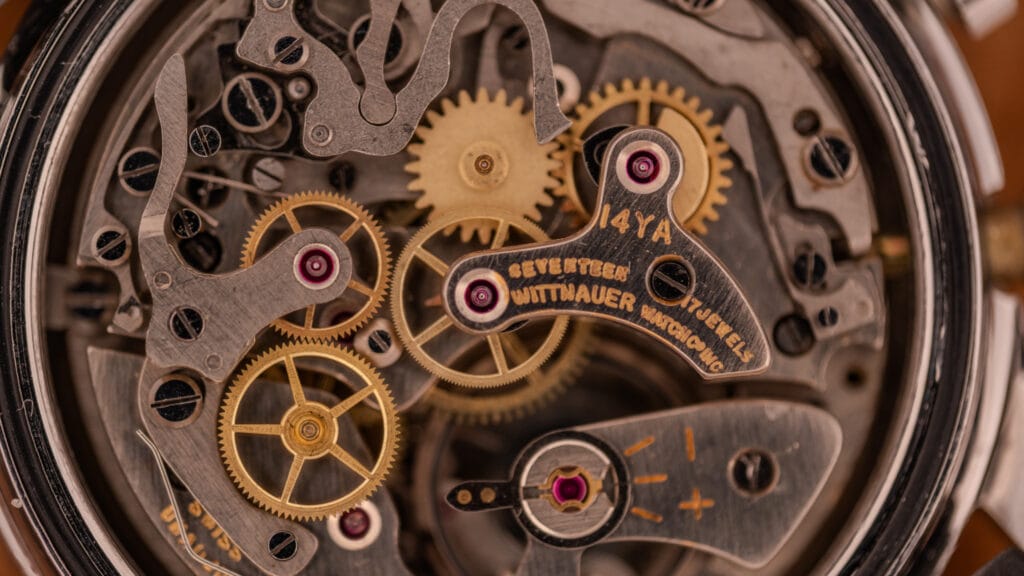
Vintage Wittnauer Chronograph Caliber Identification: Venus 188, Valjoux 7733/7734, Landeron 248
How to identify the movement inside any vintage Wittnauer chronograph: Venus 188, Valjoux 7733 and 7734, Landeron 248, and the house numbering system Wittnauer used to mark them.
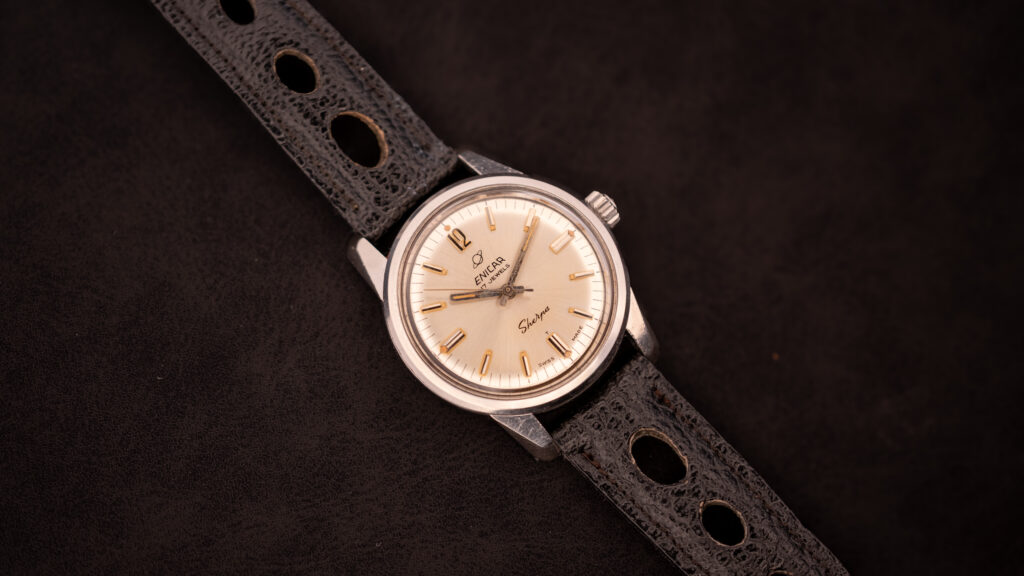
How Water-Resistant Is a Vintage Watch, Actually? The Honest Answer.
Every dealer says never get a vintage watch wet. That advice is half-engineering and half-liability theater. Here is what is actually true about vintage water resistance, where water actually gets in, and when a 1965 diver is safer than a 2-year-old modern.
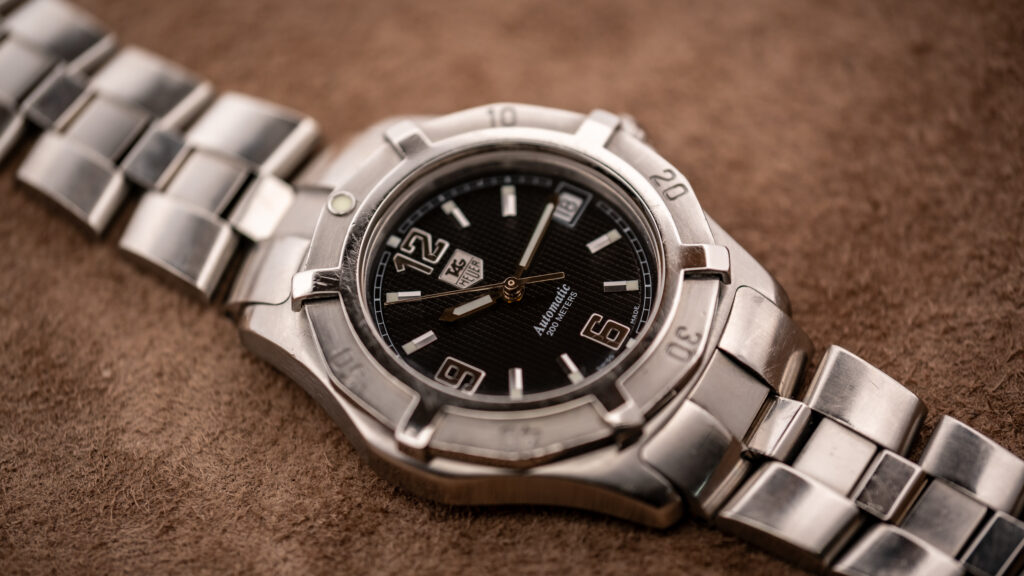
Vintage TAG Heuer 2000 (and 1500) Series: A Buyer’s Guide
The 1980s and 90s TAG Heuer 2000 series is the cheapest serious vintage diver still hiding in plain sight. Here's what to buy, what to skip, and what to pay.
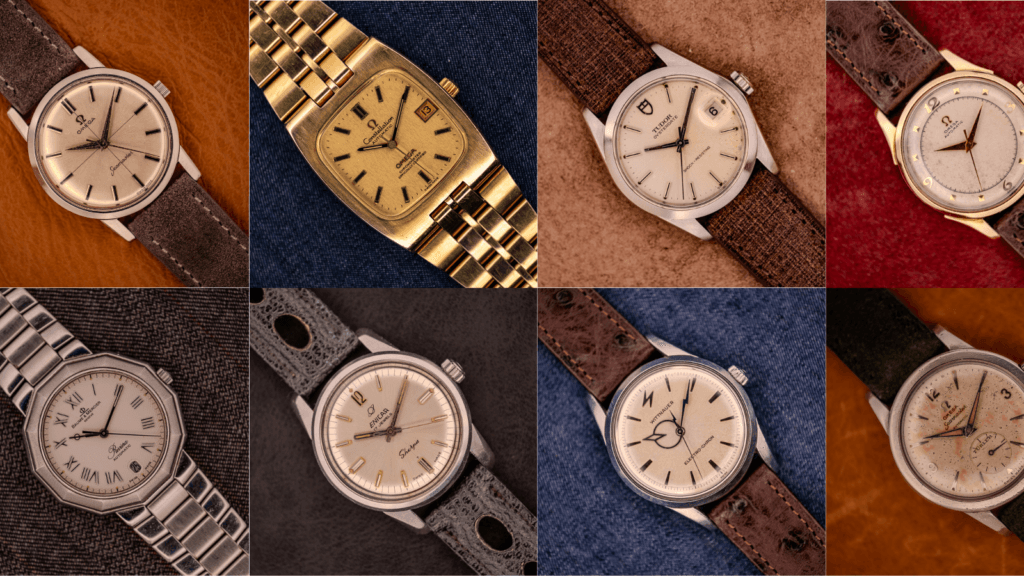
The 12 Best Vintage Watches Under $2,000 in 2026
The best vintage watches under $2,000 sit in the most efficient price point in mid-century collecting. Twelve specific picks that outperform modern luxury watches at three to five times the price, with concrete buy criteria for each.
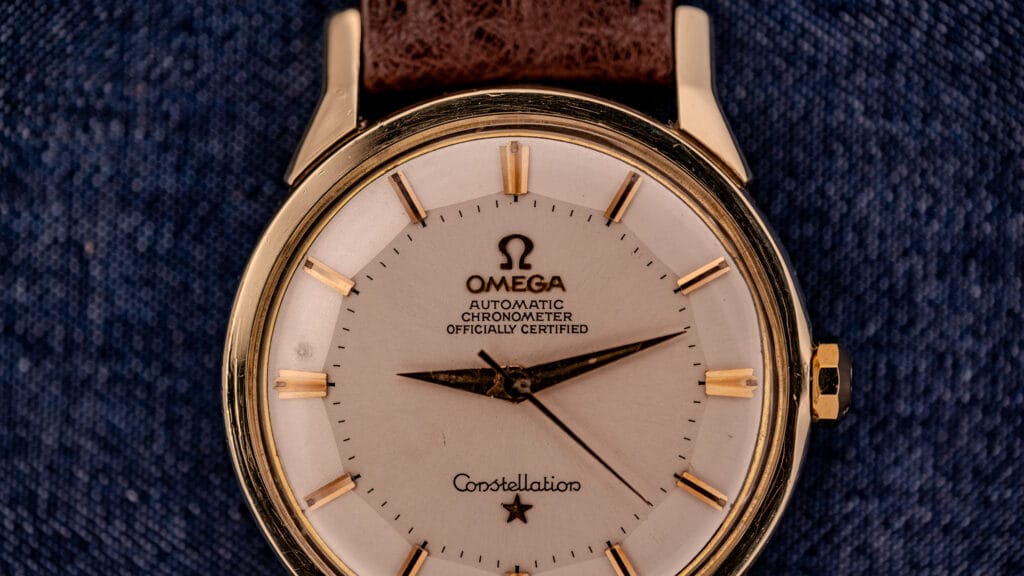
The Omega Constellation Pie-Pan Dial: Most Are Redials, and the Original Premium Hasn’t Caught Up
The Omega Constellation pie-pan dial is one of the most refinished surfaces in mid-century vintage Omega. Most examples on the market today are redials. The original-dial premium is small and closing, and buyers who can spot the difference are the ones who profit.
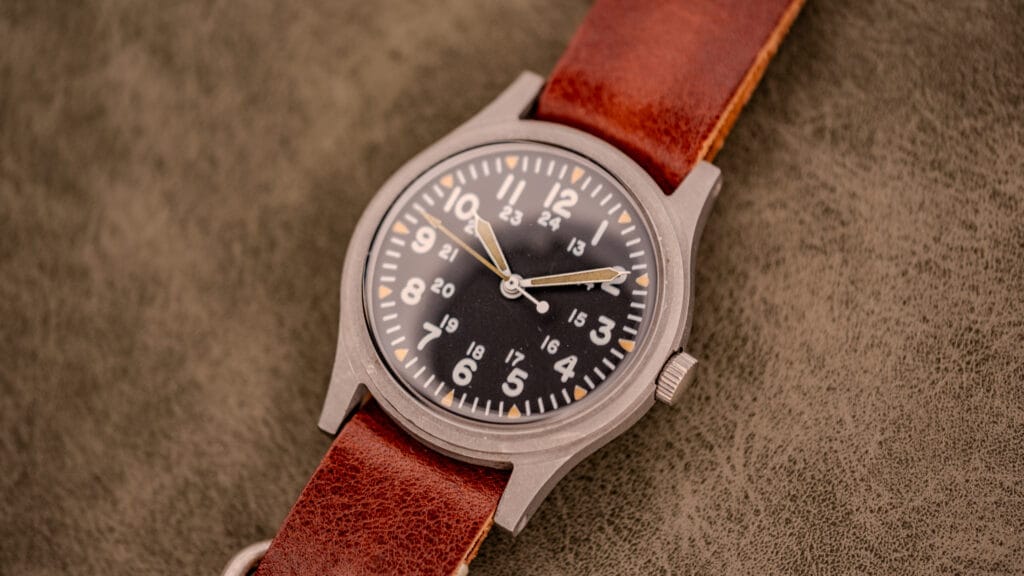
The Vintage Field Watch: From the Dirty Dozen to the Modern Khaki
A history of the vintage field watch across three eras: the Dirty Dozen of 1944, the American mil spec line through Vietnam, and the Hamilton Khaki era.